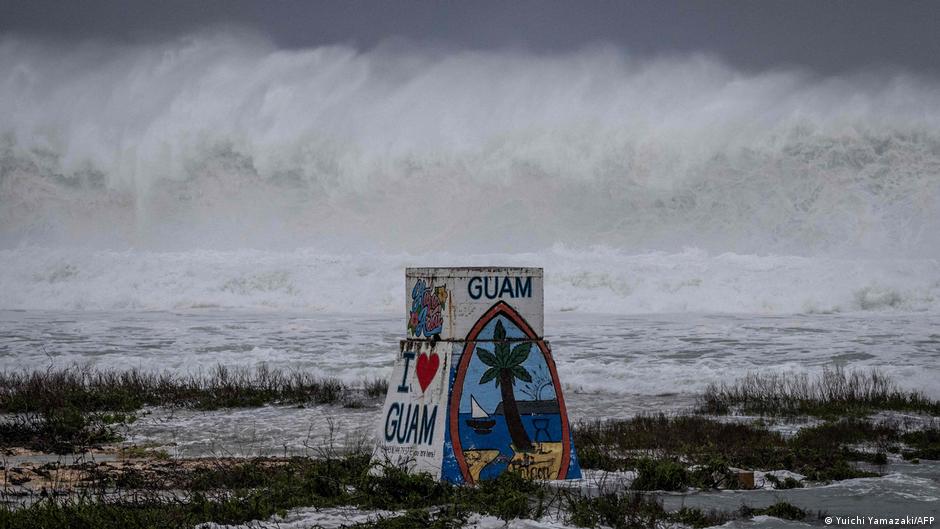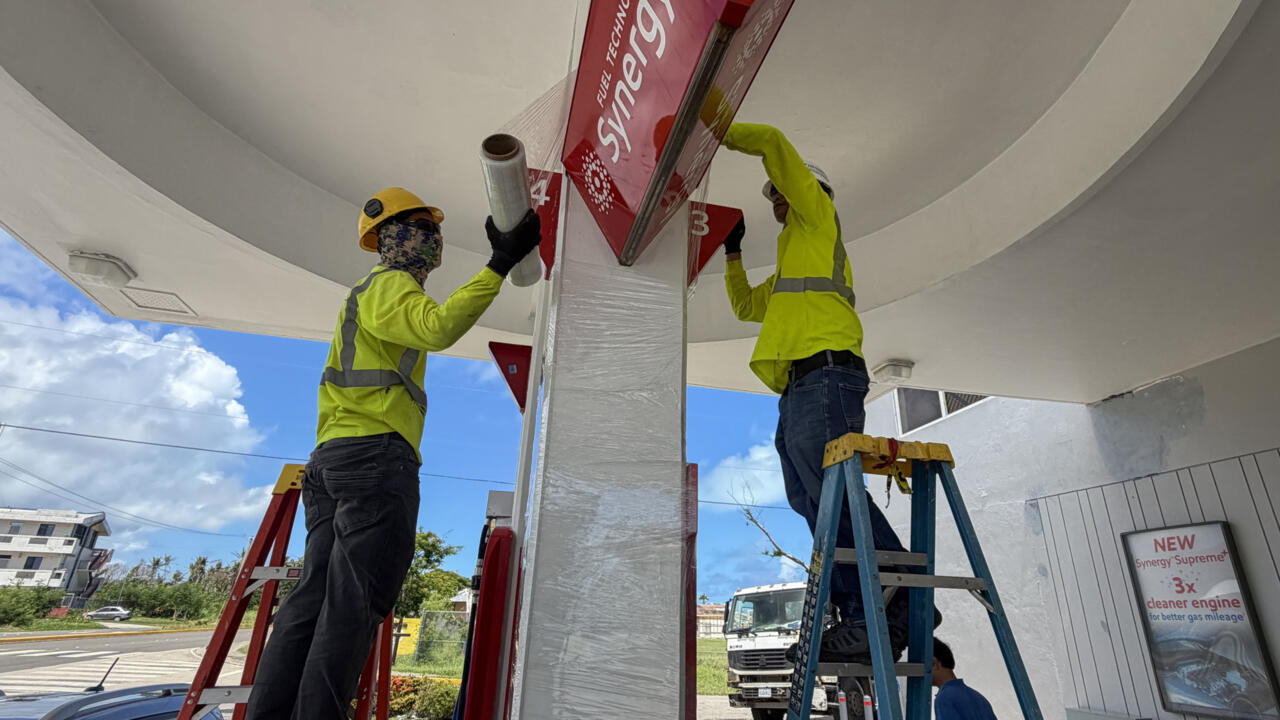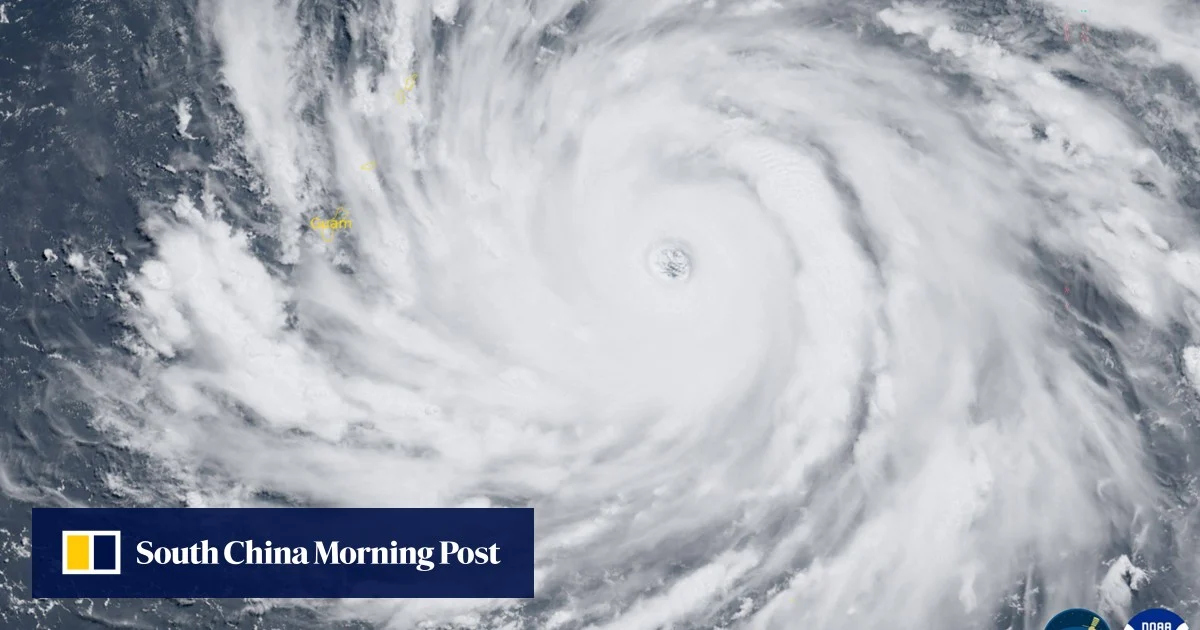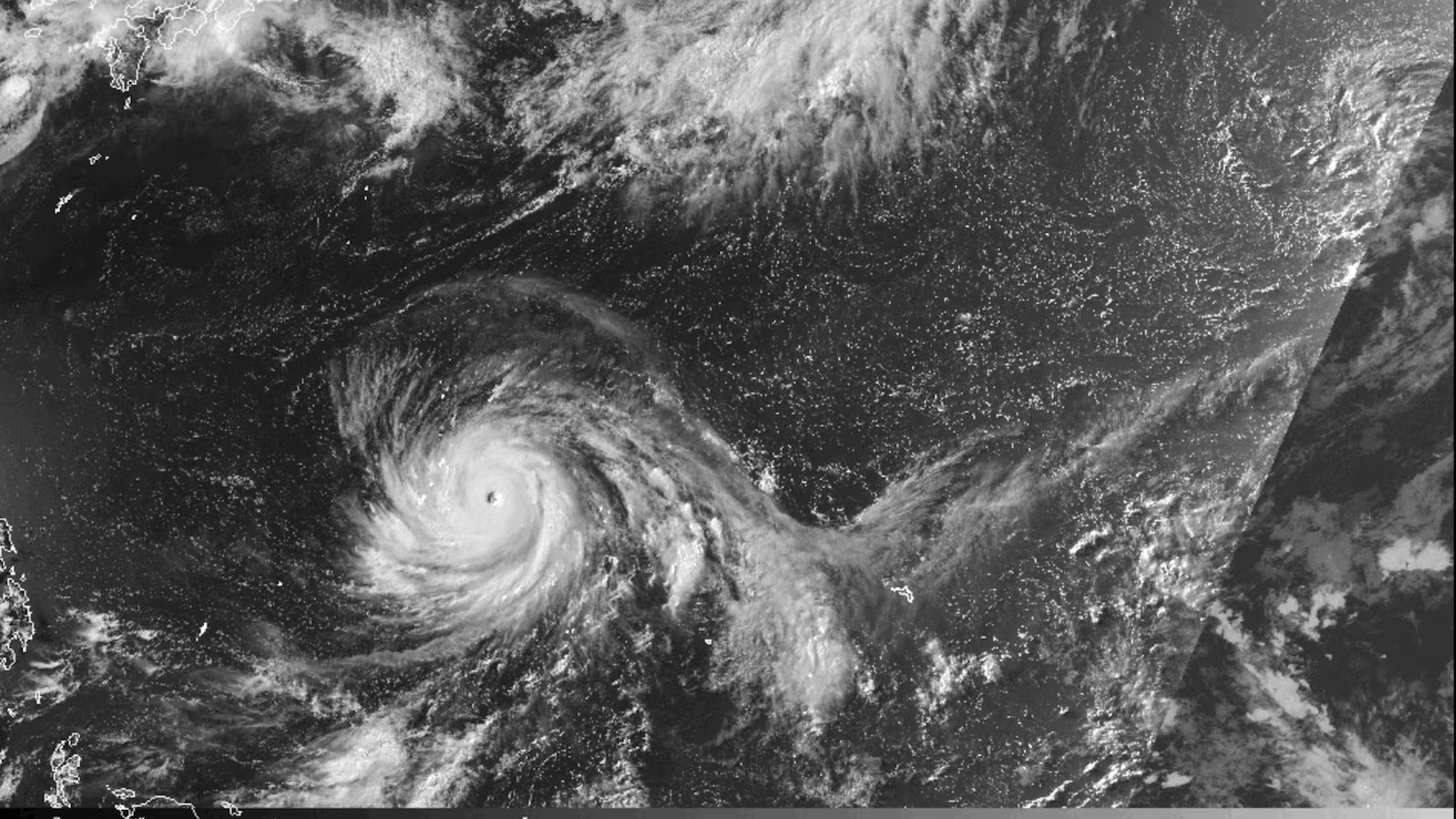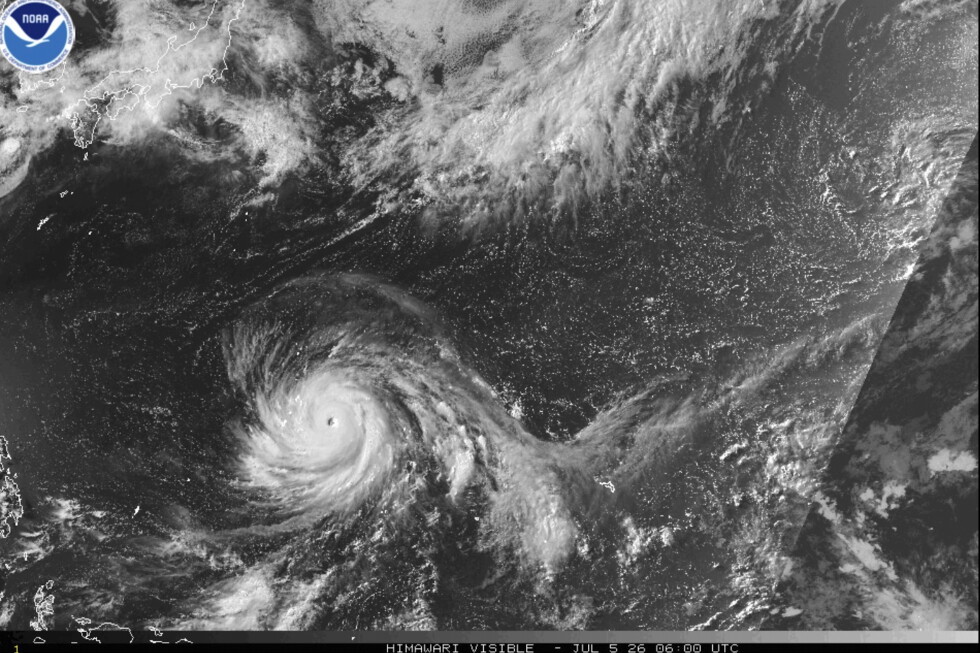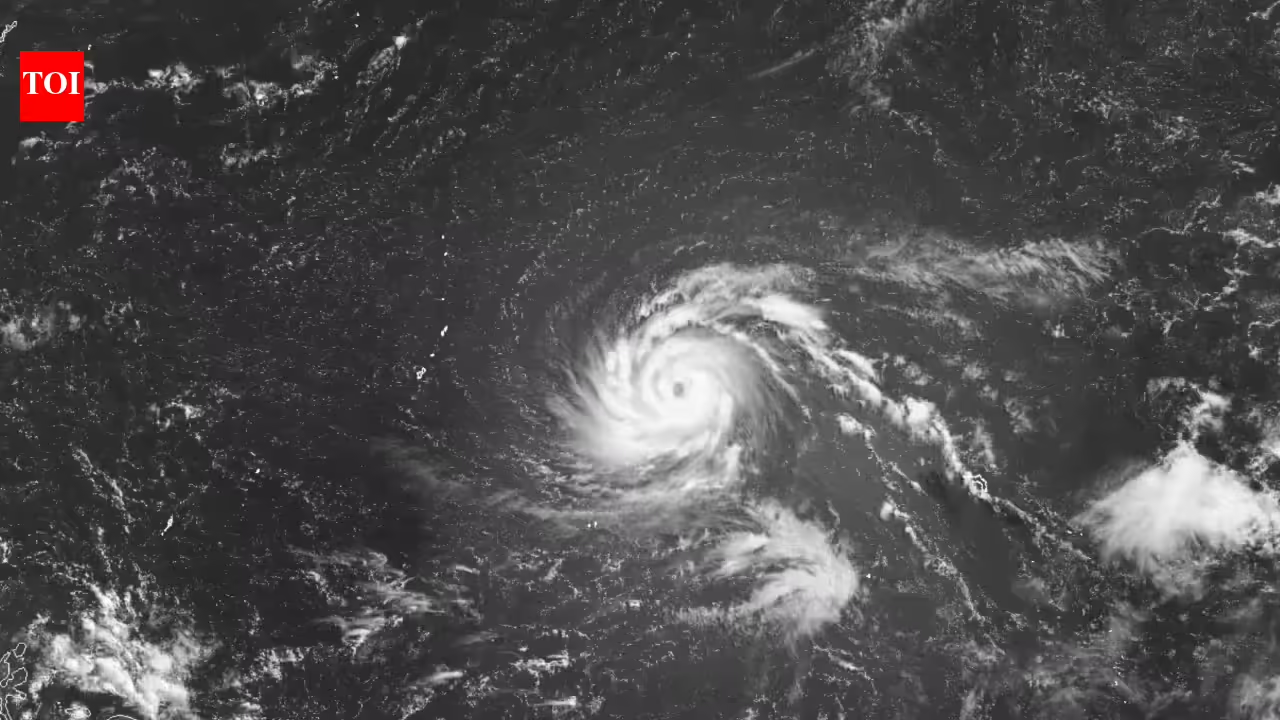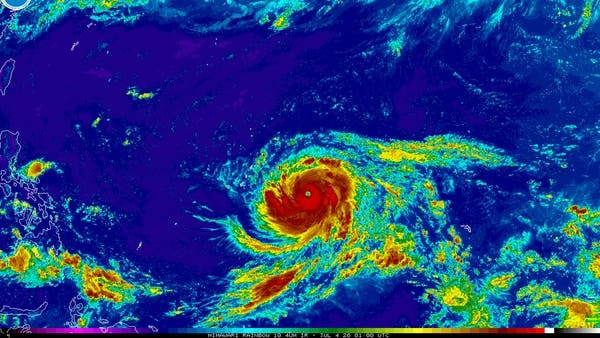
A life-threatening typhoon is barrelling its way across the western Pacific with sustained wind speeds of more than 250km/h, with people in the area warned to prepare urgently.Typhoon Bavi is expected to make landfall on Monday morning. However, seas are expected to become hazardous as soon as Saturday afternoonPatrick Bowsher of the Guam National Weather Service said the storm is strengthening in intensity and poses a serious threat to life.It's currently blowing at 257 kilometres an hour, he said."With these wind speeds pretty much anything that is not really heavy, anything that's loose, any debris anything like that is just going to get picked up and thrown around very easily."By 7am Saturday local time, Bavi had become a Category 5 Super Typhoon, and people in the area were warned to "prepare today", the US National Weather Service in Guam said.At about 10:30am on Saturday NZT, Typhoon Bavi was about 770km east of Guam and travelling at about 10km/h."It is going to impact all of the Marianas from Guam all the way up to [Saipan], however, the degree will vary depending on how close they are to the eye," Bowsher said.For their safety, he said people need to hunker down and prepare for serious impact: "that's putting it mildly"."Prepare today for the protection of life and property ...All residents across Guam and the CNMI should plan for and anticipate at least tropical storm conditions," the US National Weather Service in Guam said, in a Facebook post."Islands closest to the passage, or those potentially with a direct hit, will experience much stronger conditions."The current forecast track of Bavi could still shift to the north, and closer to Saipan, or to the south, and closer to Guam. These shifts remain likely in the coming days as Bavi nears."They urged people in the region to stay up to date on the changing conditions, on their website.The warnings as Bavi approaches come as some residents were still without electricity following super typhoon Sinlaku.Sinlaku battered the Marianas and Guam in April, causing widespread devastation to local infrastructure and the economy, and wiping out up to 60 percent of the livestock on Saipan.
Bavi now a life-threatening 'Super Typhoon': Pacific islands warned to prepare
A life-threatening typhoon is barrelling its way across the western Pacific with sustained wind speeds of more than 250km/h, with people in the area warned to prepare urgently.
356 words~2 min read