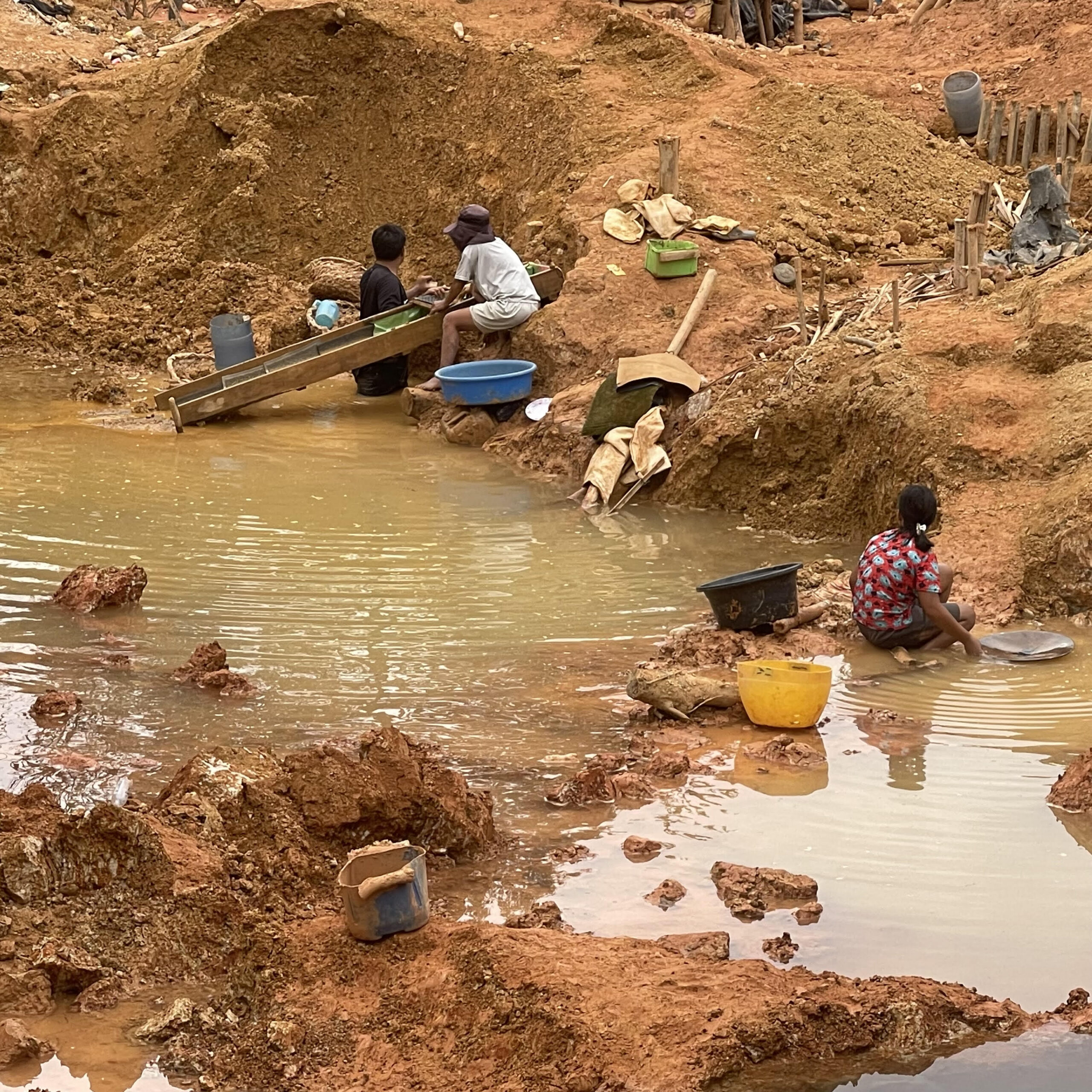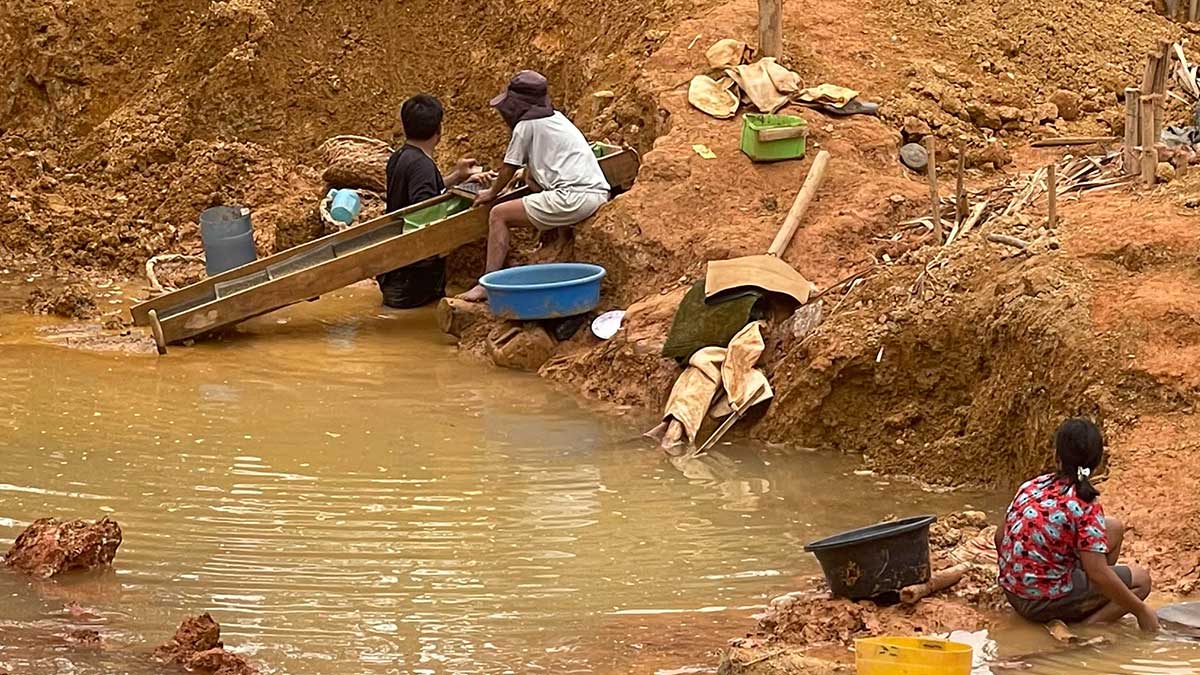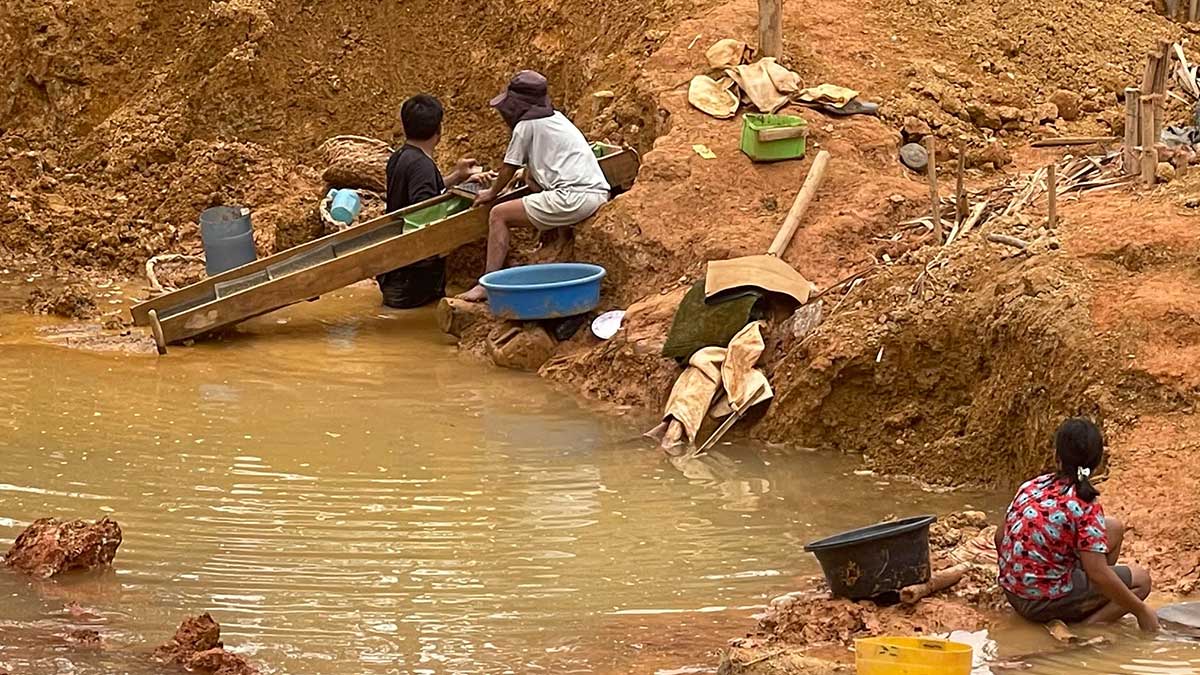
SURVIVAL In this photo taken on June 29, small-scale miners work in muddy waters at an excavated gold mining site in Barobo, Surigao del Sur, where many upland families depend on gold panning for a living despite growing concerns over its environmental impact. —CHRIS V. PANGANIBAN
BAROBO, SURIGAO DEL SUR—For many families in the upland villages of this town, small-scale gold mining has long been more than a source of income—it has been a means of survival where jobs are scarce and farming alone often cannot provide enough to support a household.
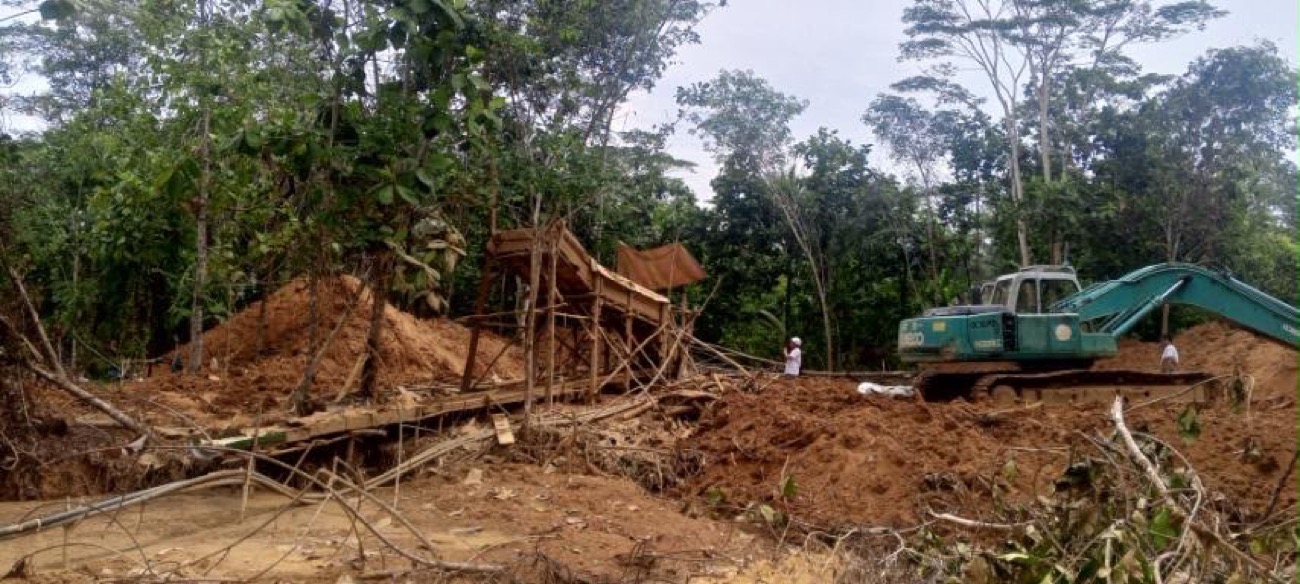
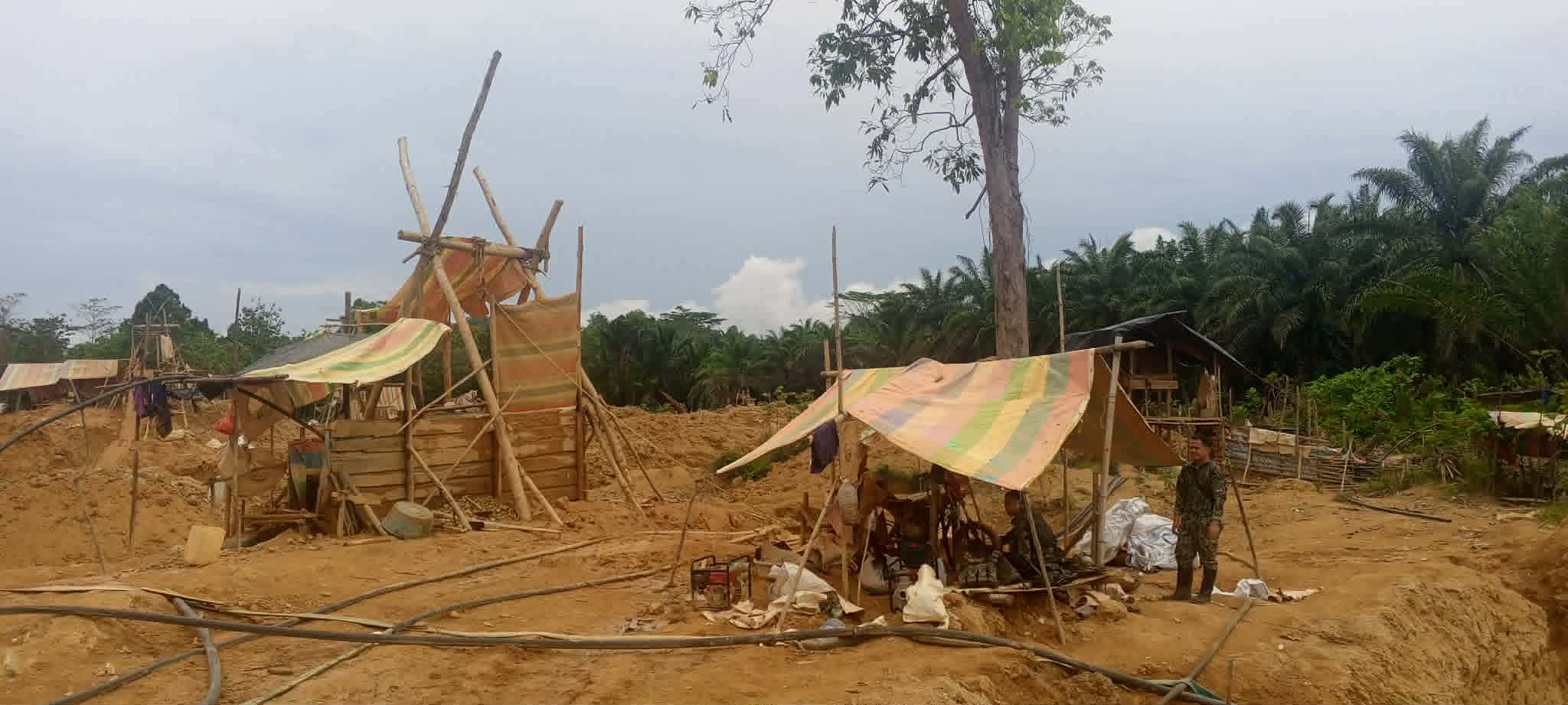
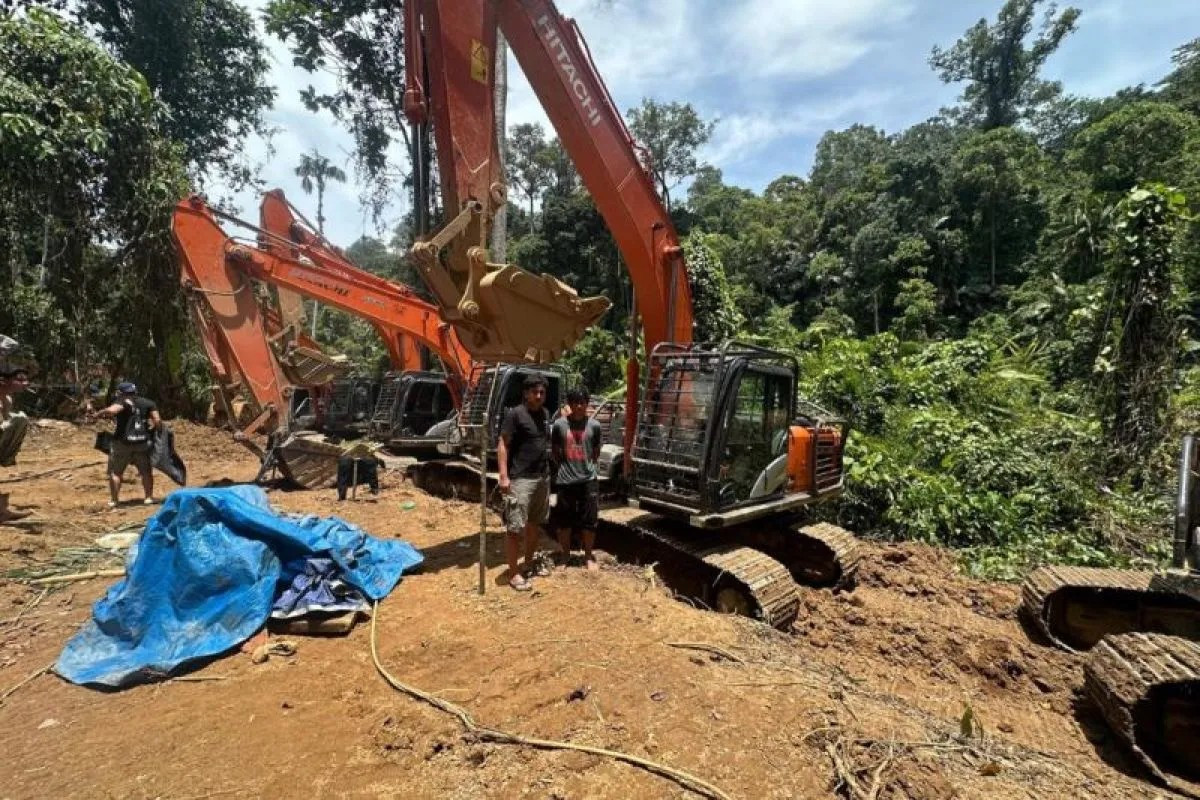
But as manual gold panning has gradually given way to mechanized extraction using heavy equipment, the line between subsistence mining and illegal commercial operations has become increasingly blurred, placing local officials and law enforcement agencies at odds over how the problem should be addressed.
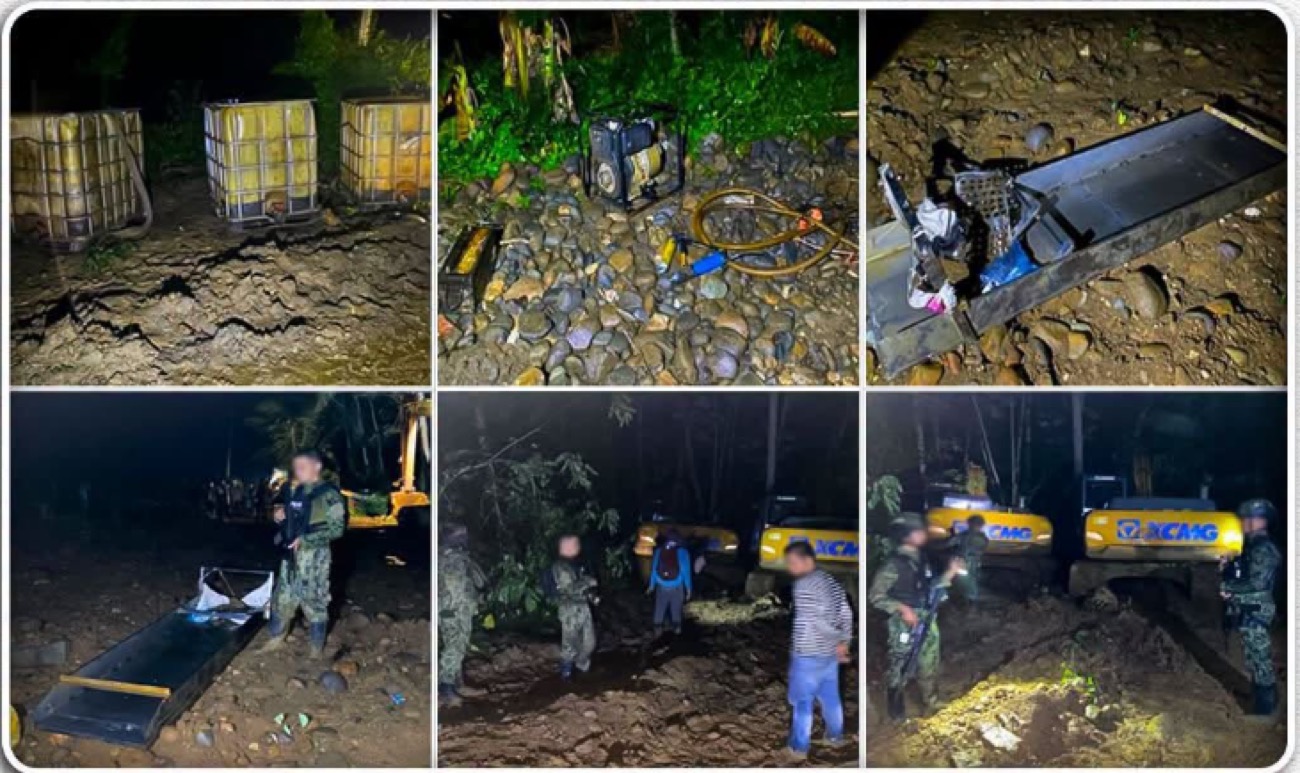
That tension came into focus on June 27 and June 28 when personnel from the Department of Environment and Natural Resources (DENR)-13, its attached agencies, and the Police Regional Office-13 raided suspected illegal mining sites in the villages of Bahi and Mamis.
Article continues after this advertisement