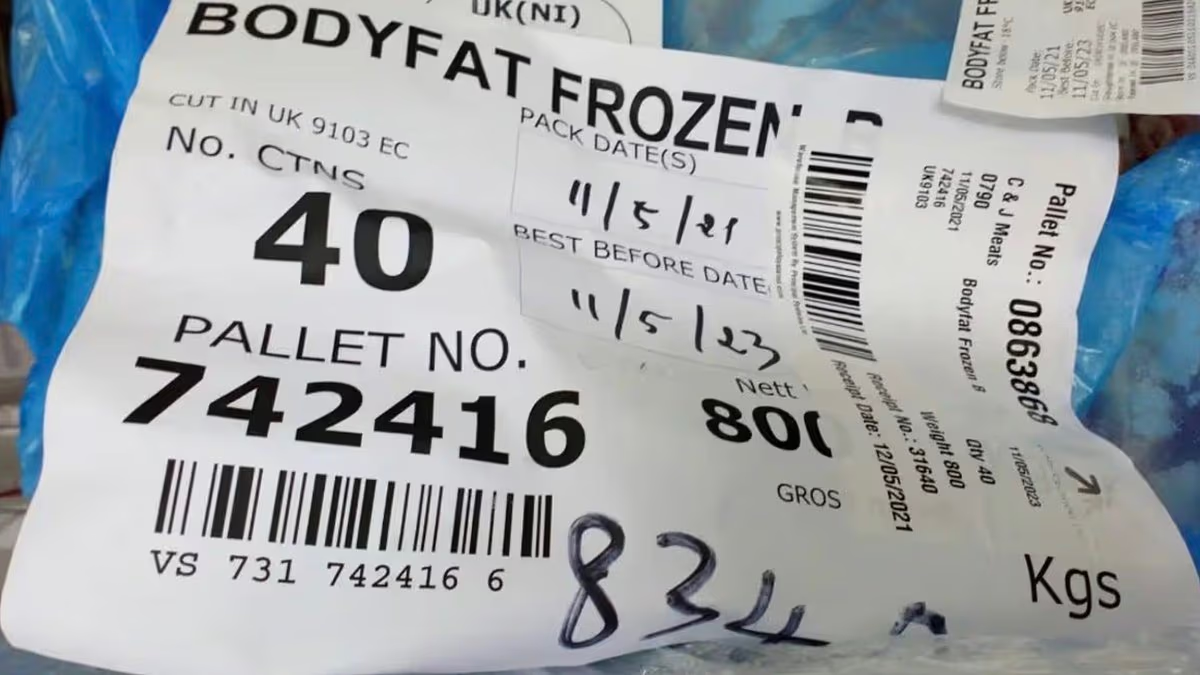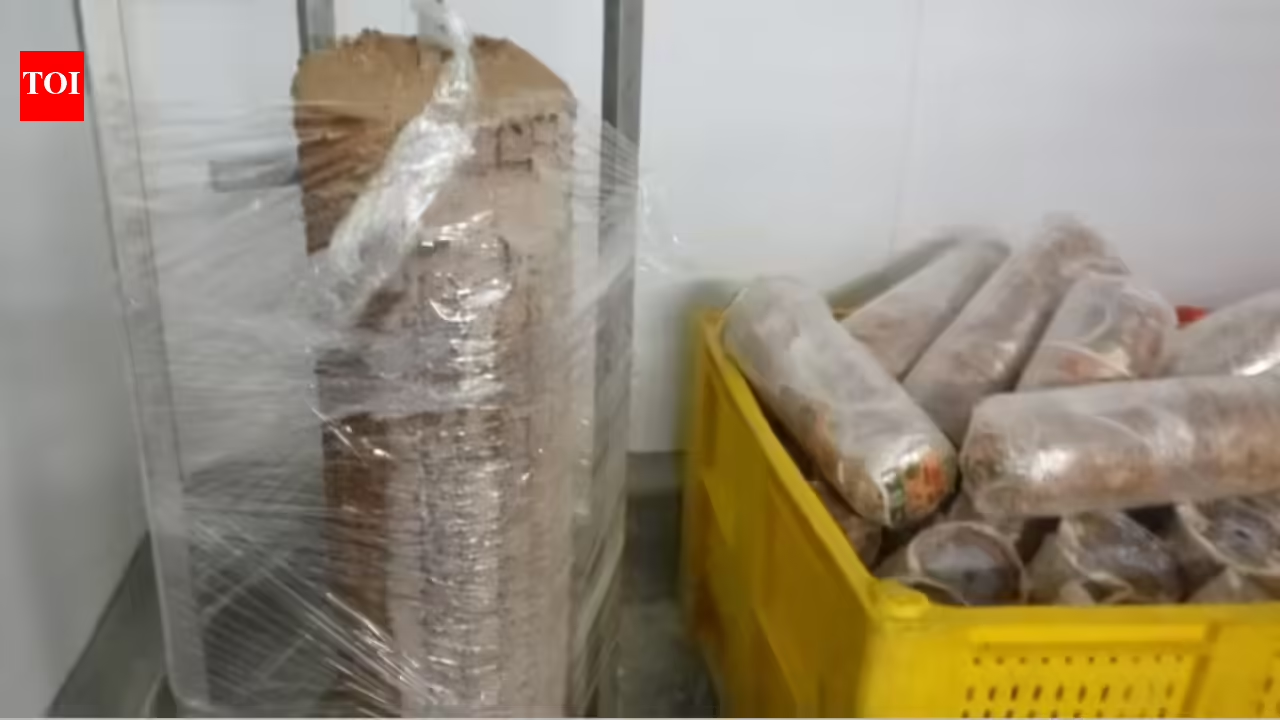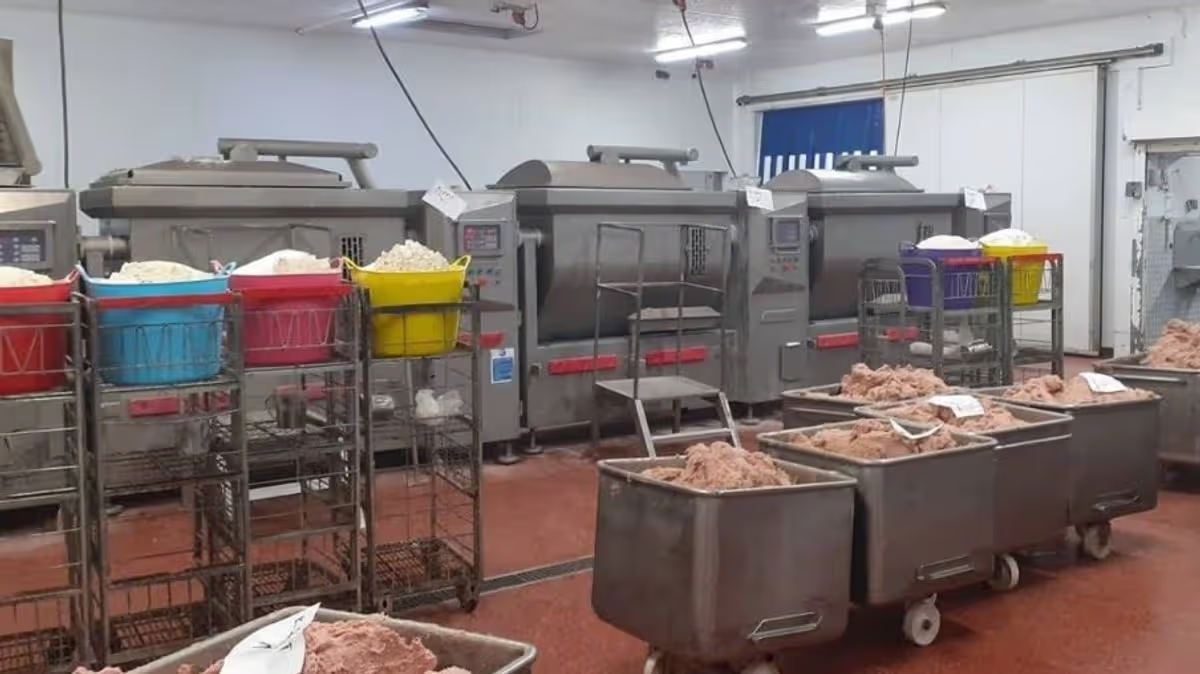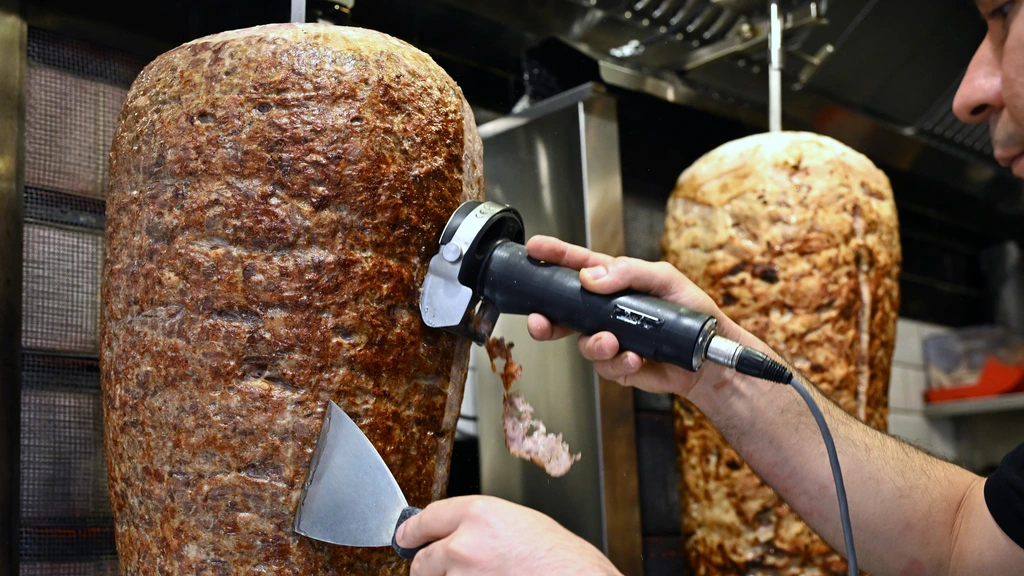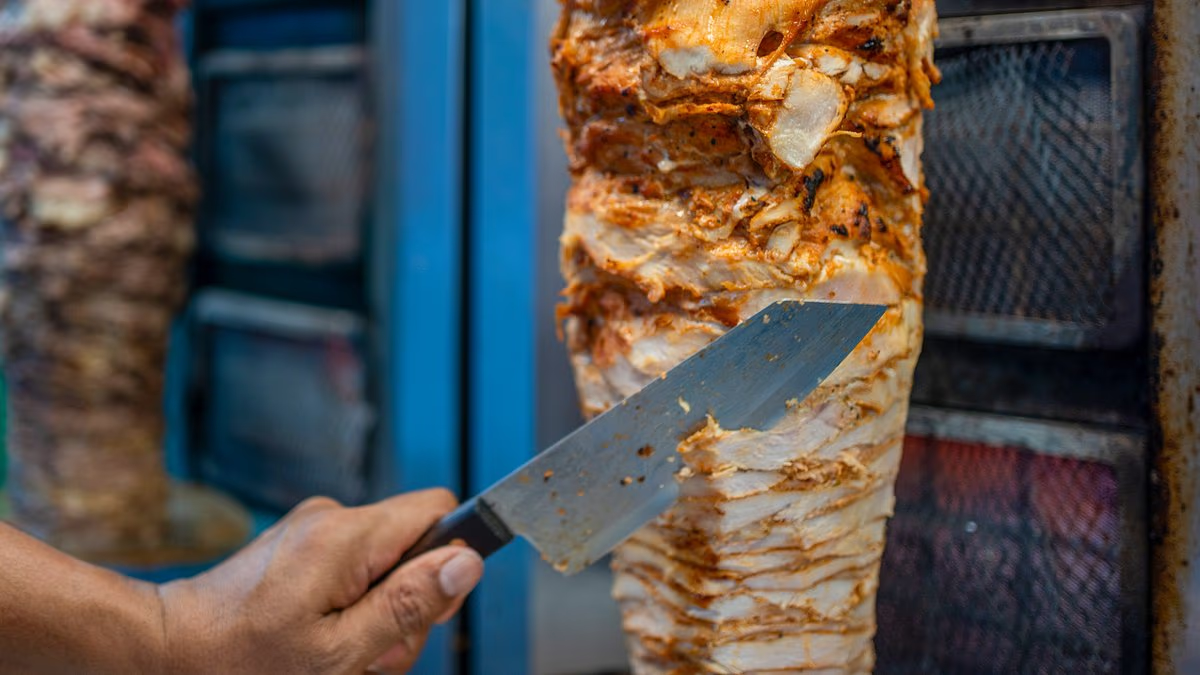
Millions of Britons have chowed down on goat kebabs, it is estimated, in a scandal likened to the horsemeat crisis.DNA testing revealed that doner meat from a leading supplier, advertised as '70 percent lamb', was in fact 'less than 10 percent sheep'.Kismet Kebabs claims to be one of the UK's largest manufacturers, and produces 'over 100 tons' per week.It was fined £500,000 last month after admitting to a fraud that dates back to 2021 - from which the company is estimated to have made £6million.Trading standards officers in Swansea started to carry out random tests on doner meat from takeaways around the city in 2020.These raised alarm bells, and investigators raided the Kismet factory in Latchingdon, near Chelmsford, Essex, in May 2021, where it was reportedly discovered that 'no lamb was being delivered'.Trading Standards officer Rhys Harries said: 'I think some customers won't be surprised there's a lot of skin and fat in these products - but I don't think many people will be expecting goat.'A consumer buying a kebab knows it's probably not the best quality ingredients, but it's still got to be what it says it is.'Kismet Kebabs, which claims to be one of the UK's largest manufacturers, was fined £500,000 last month after admitting to fraud (file image) Speaking to the BBC, he added: 'It's almost the same as the horsemeat scandal, because of the volume of product that was going out of this factory.'On one production line, investigators found the same doner meat being used to fill two different packets to go to shops - one labelled as '70 per cent lamb' and one labelled as '50 per cent lamb'.Another said to contain 87 per cent lamb was found to actually contain 40 per cent animal fat.'We were seeing labels that bore no resemblance to what they were actually putting in [to the kebabs],' Mr Harries said.'They were charging wholesalers and consumers a premium price for something that's full of rubbish.'Last month, Swansea Crown Court heard that councils around England had been writing to complain about issues with labelling at Kismet Kebabs, who won best supplier of the year at the 2021 British Kebab Awards.Trading Standards said the company had sold so many kebabs over its years of offending that it took two officers 18 months to go through all their invoices and paperwork.It even found recipe cards that contained the ingredients used in the 'lamb' kebabs, which showed that in some, no lamb meat was being used at all. Kismet Kebabs was fined £500,000 and ordered to pay £259,298 costs last month, as Judge Huw Rees said the firm had engaged in 'considerable dishonesty' over a prolonged period of timeGoat, beef fat and chicken drumsticks, however, were all found.Kismet Kebabs was fined £500,000 and ordered to pay £259,298 costs last month, as Judge Huw Rees said the firm had engaged in 'considerable dishonesty' over a prolonged period of time.It remains one of the UK's largest kebab meat suppliers. In 2024, the company was accredited by BRCGS (Brand Reputation through Compliance Global Standards), a global food safety standard recognised in 130 countries.On its website, Kismet bills itself as 'the name you can trust'. A spokesman for the company told the Daily Mail: 'To our customers, we would like to say that we understand the concerns raised by these historic events.'Over the past several years, we have invested heavily in strengthening our systems, controls, and governance.'Historical events do not reflect the standard or management structure that exist within the business today'.Kismet has had the same directors, Panayiotis Vasilis Michael and Djemal Enver - who admitted one count of fraud by false representation - since 2014.The company said an individual who no longer works for Kismet was responsible for its day-to-day operations until 2022.
Kebab firm fed millions mislabelled goat, chicken drumsticks and fat
Millions of Britons have chowed down on goat kebabs, it is estimated, in a scandal likened to the horsemeat crisis.
626 words~3 min read