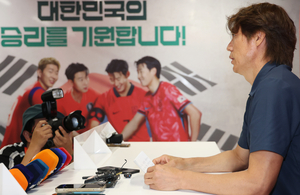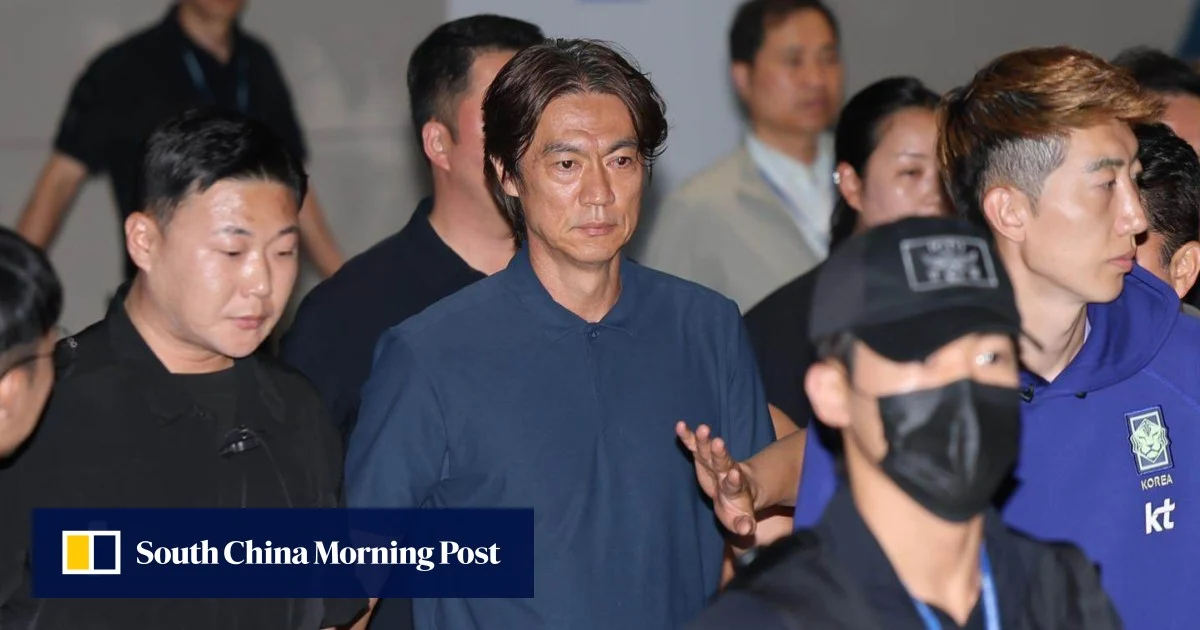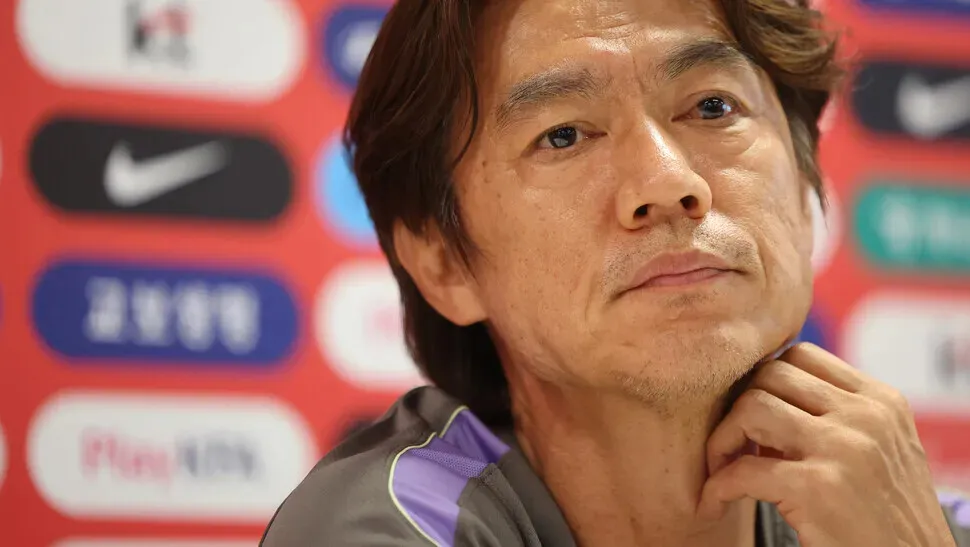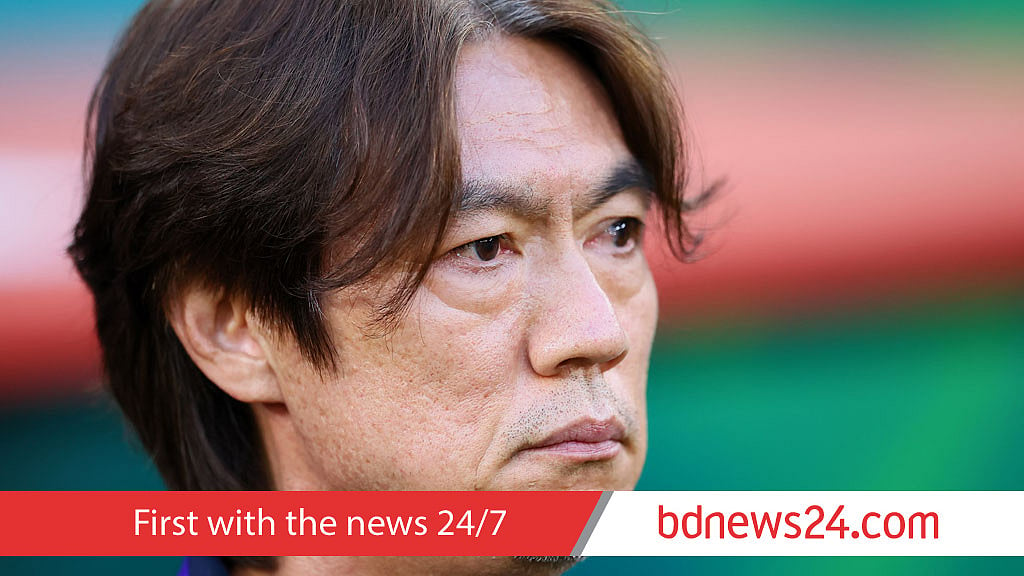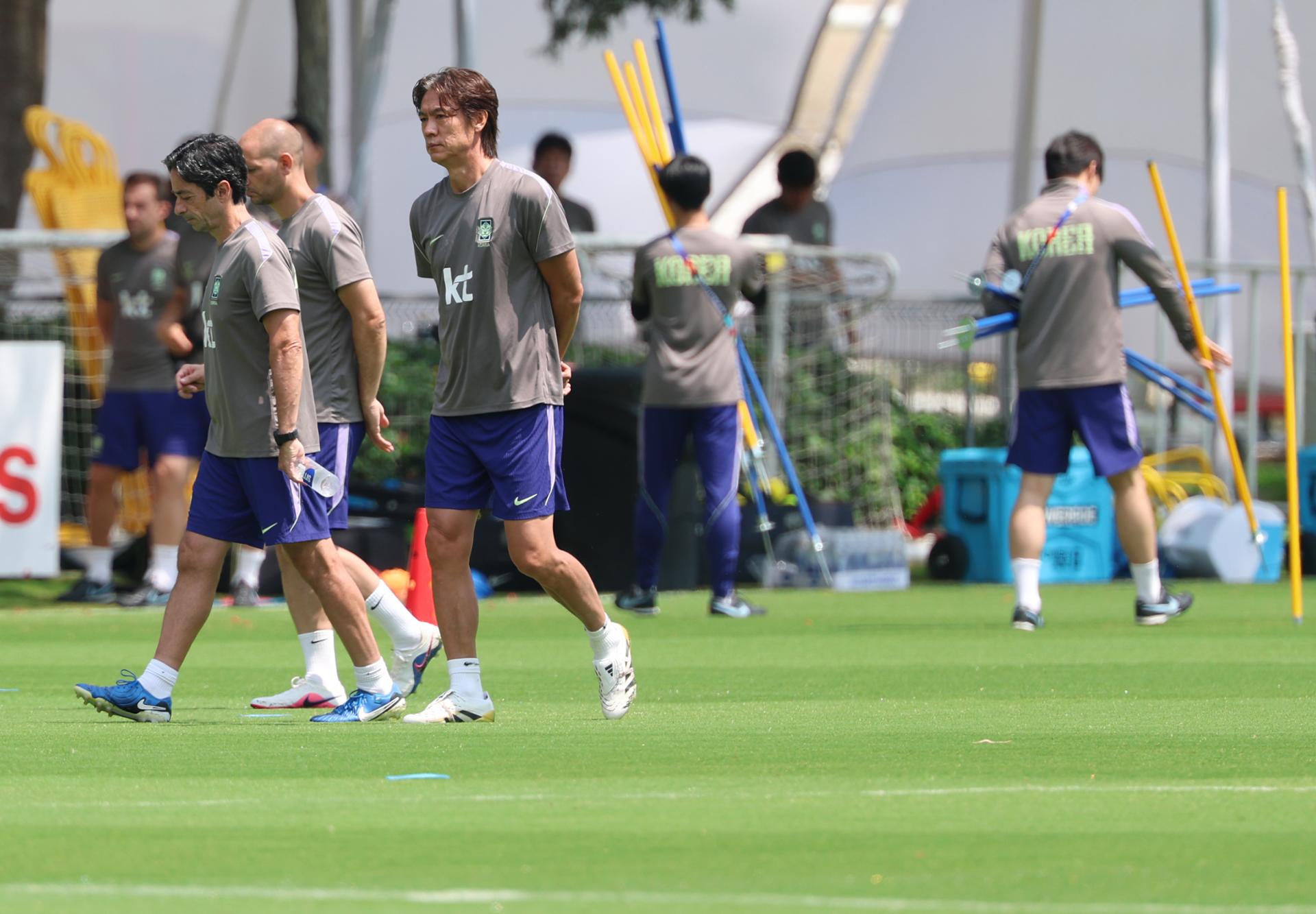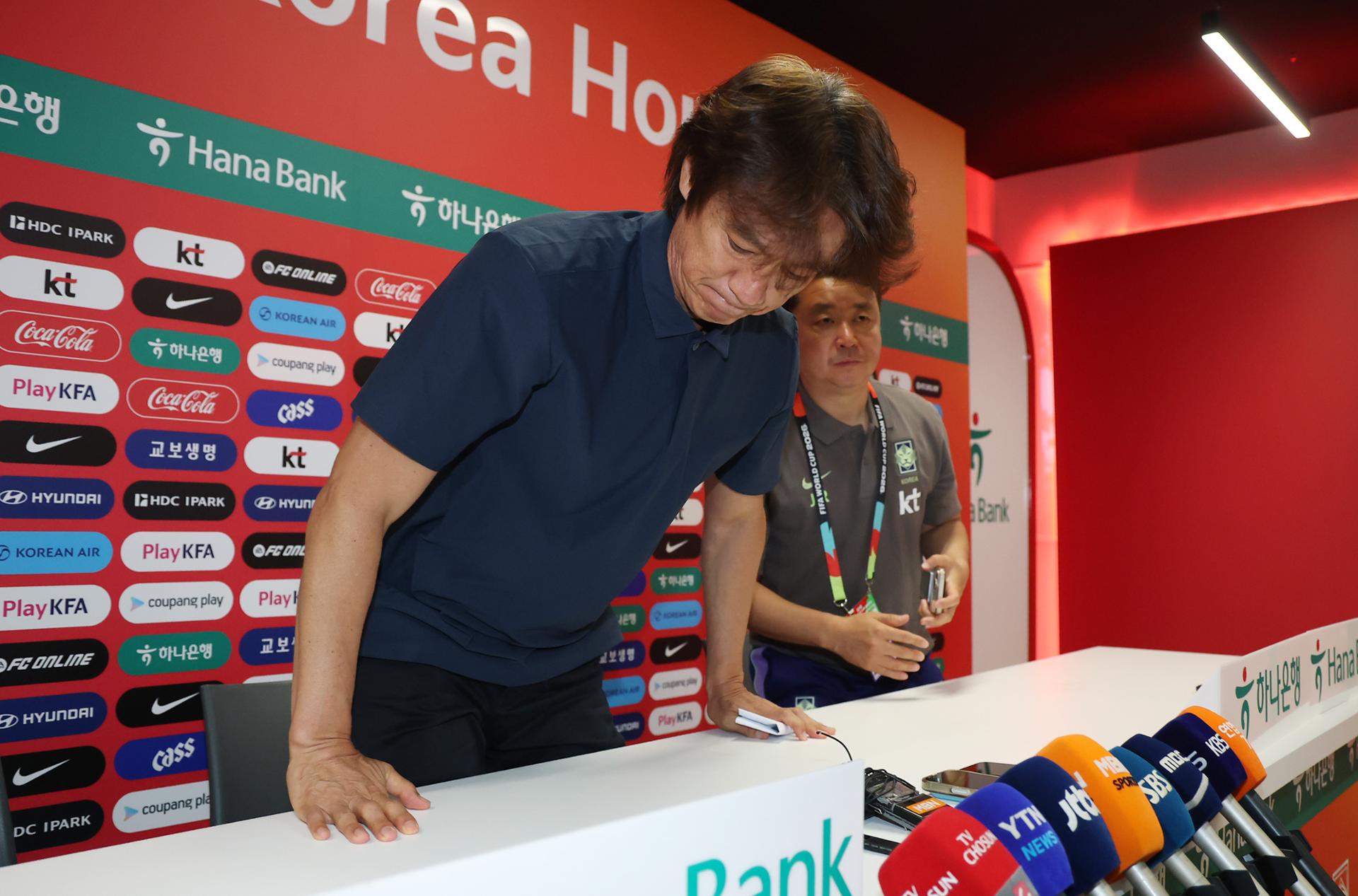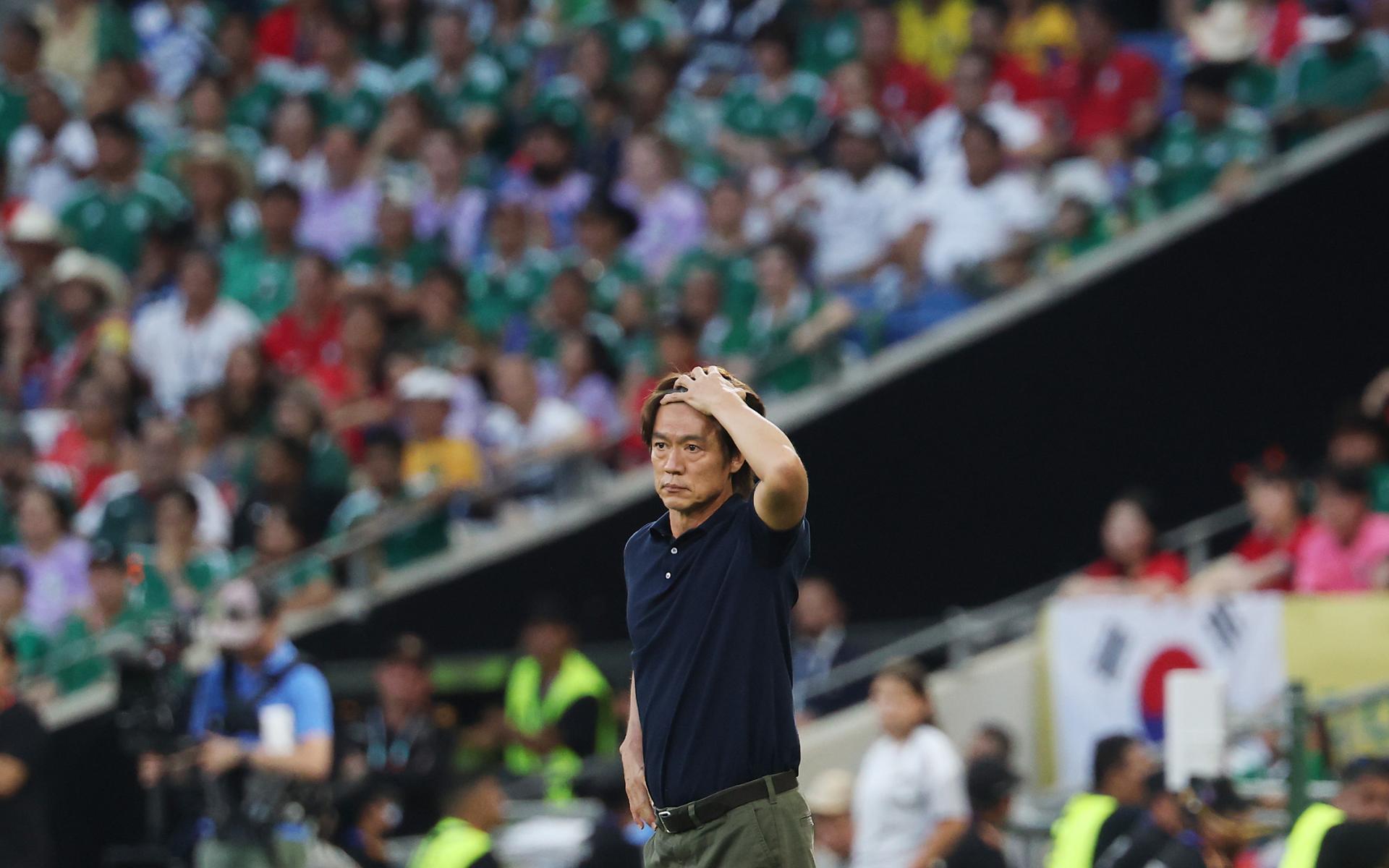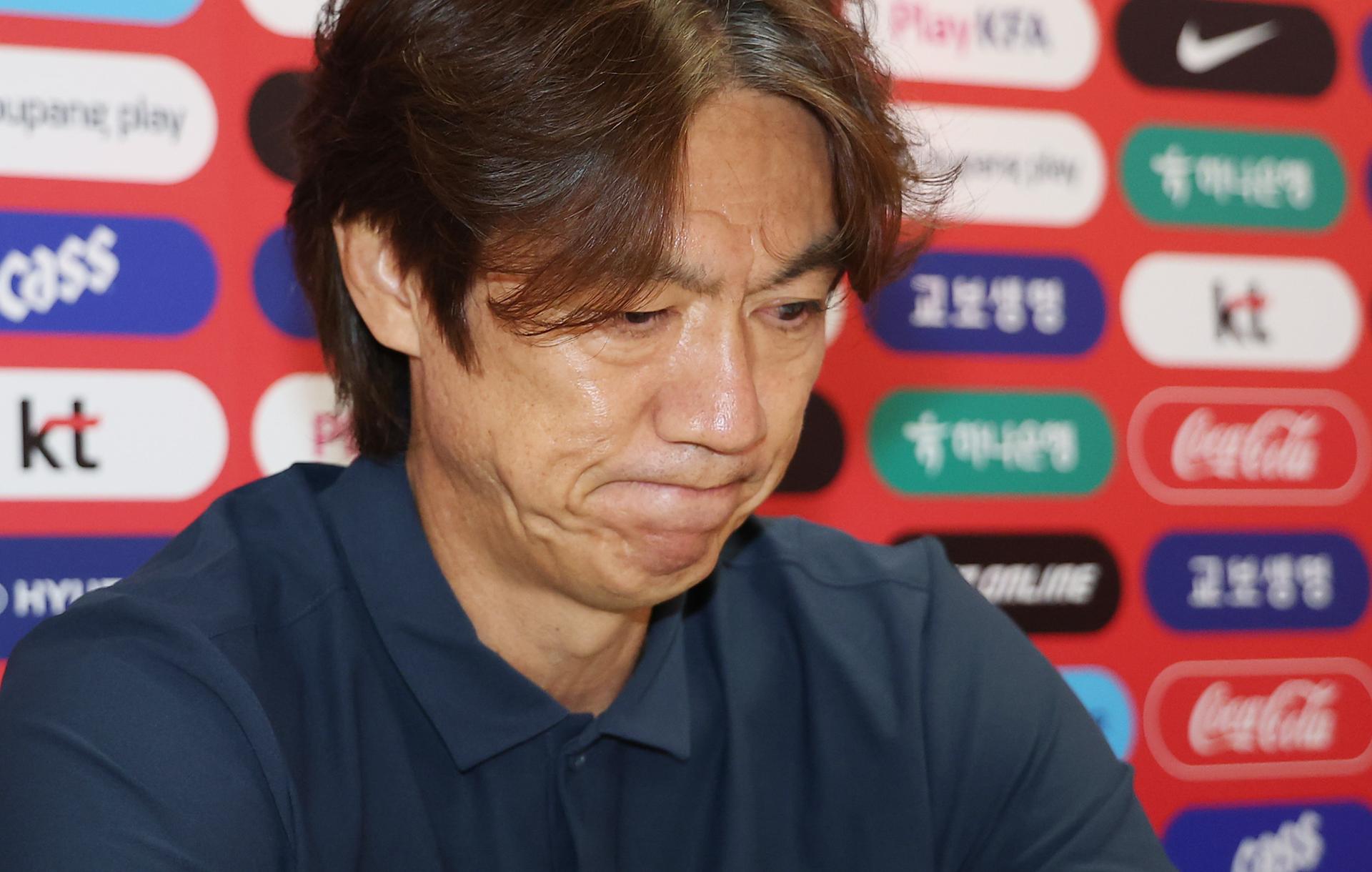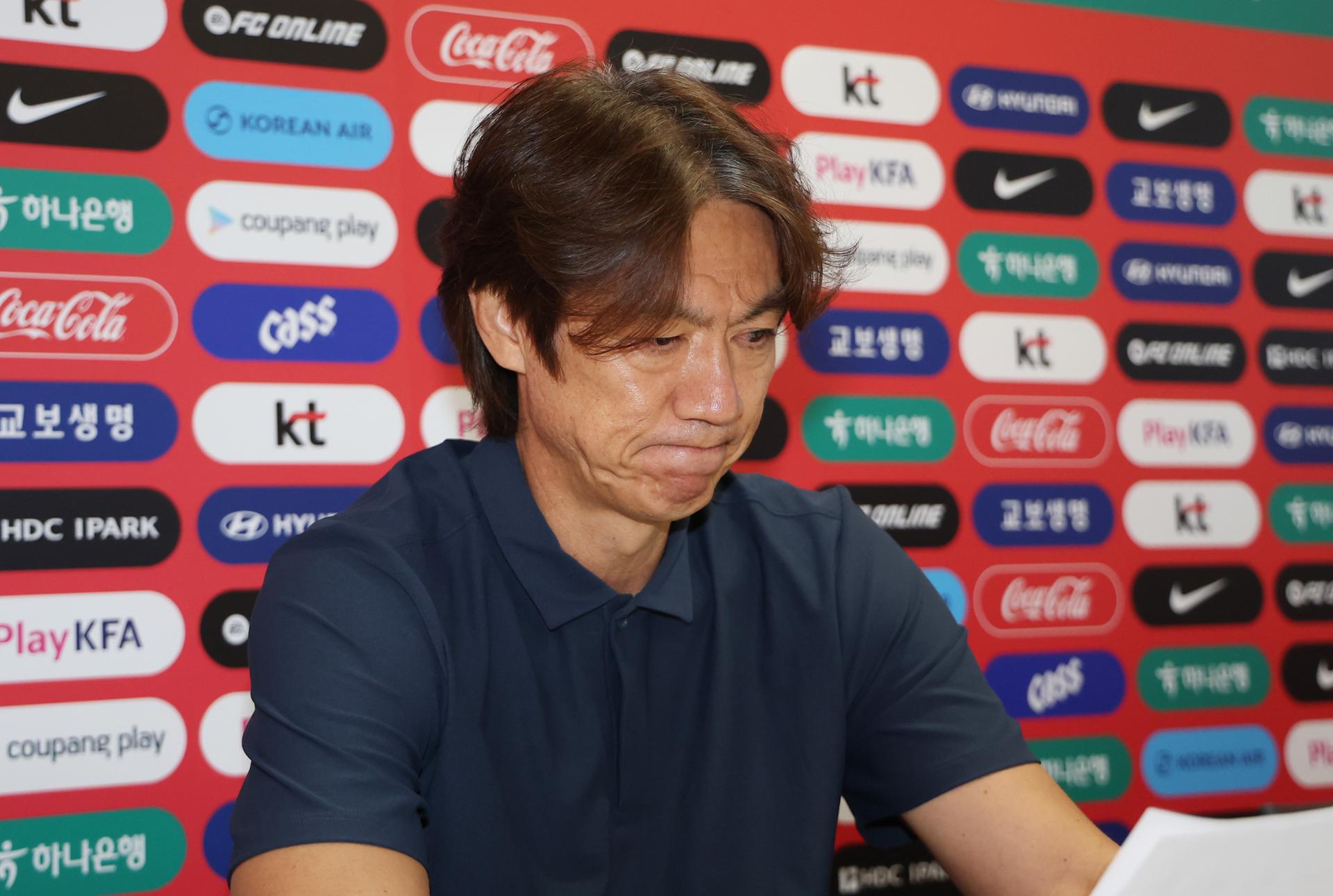
Hong Myung-bo holds a press conference at Chivas Valle Verde in Zapopan, near Guadalajara, Mexico, to announce his resignation, June 28 (local time). Yonhap
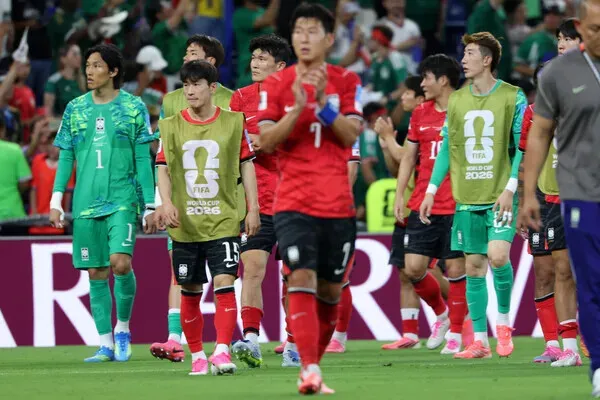
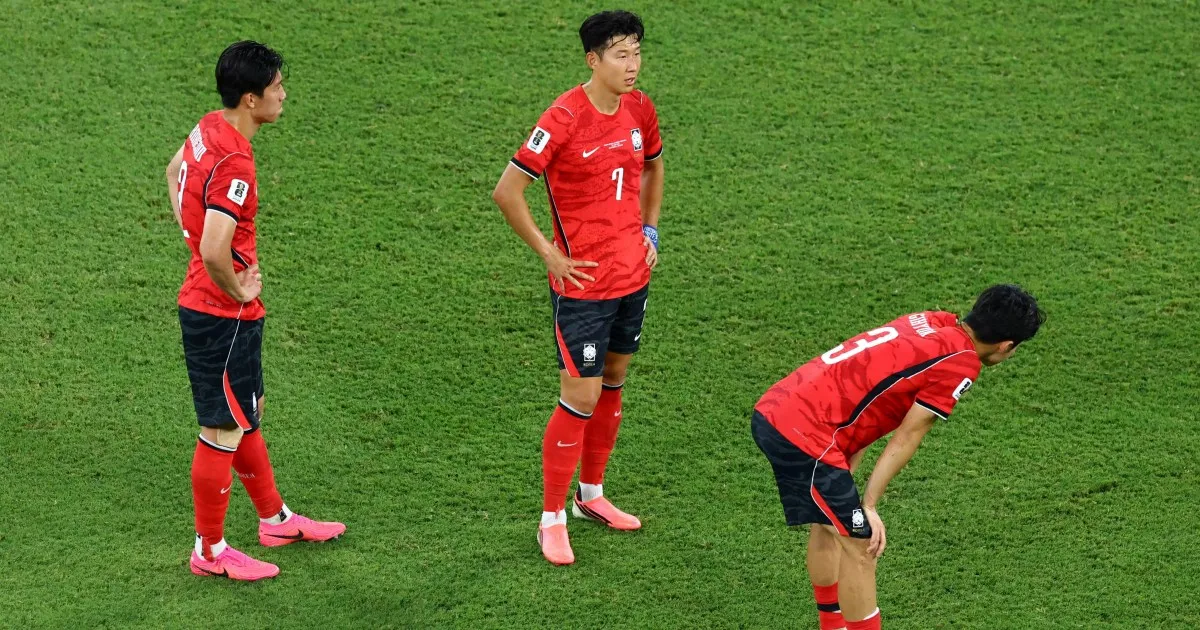
After Korea’s early exit from the football World Cup, I find myself among the ranks of those disappointed by the team’s performance, though certainly not the most disappointed. I had hopes that Korea would do fairly well this time, hopes that have been emphatically dashed.
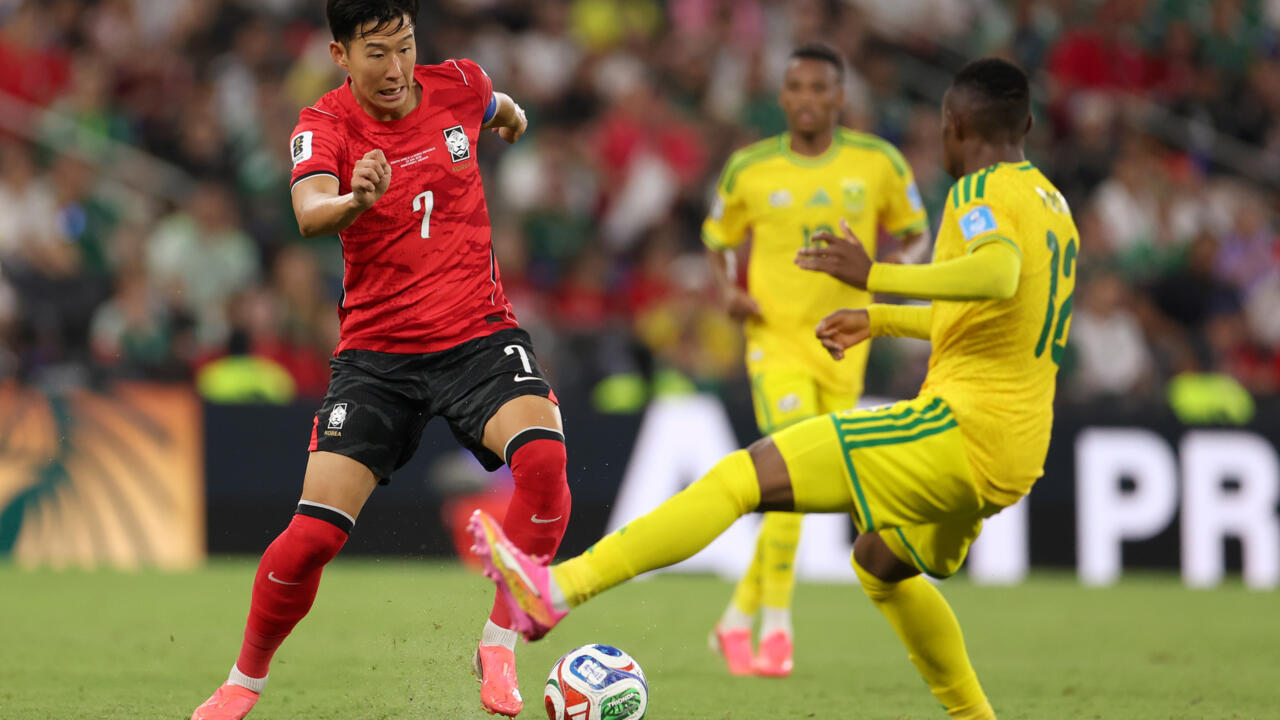
Certainly, Korea did much worse than it should have, especially given that the expanded number of teams meant more routes for getting through to the next round. And while a loss to Mexico on its home turf is fair enough, much less forgivable is the failure at least to hold South Africa to a draw.
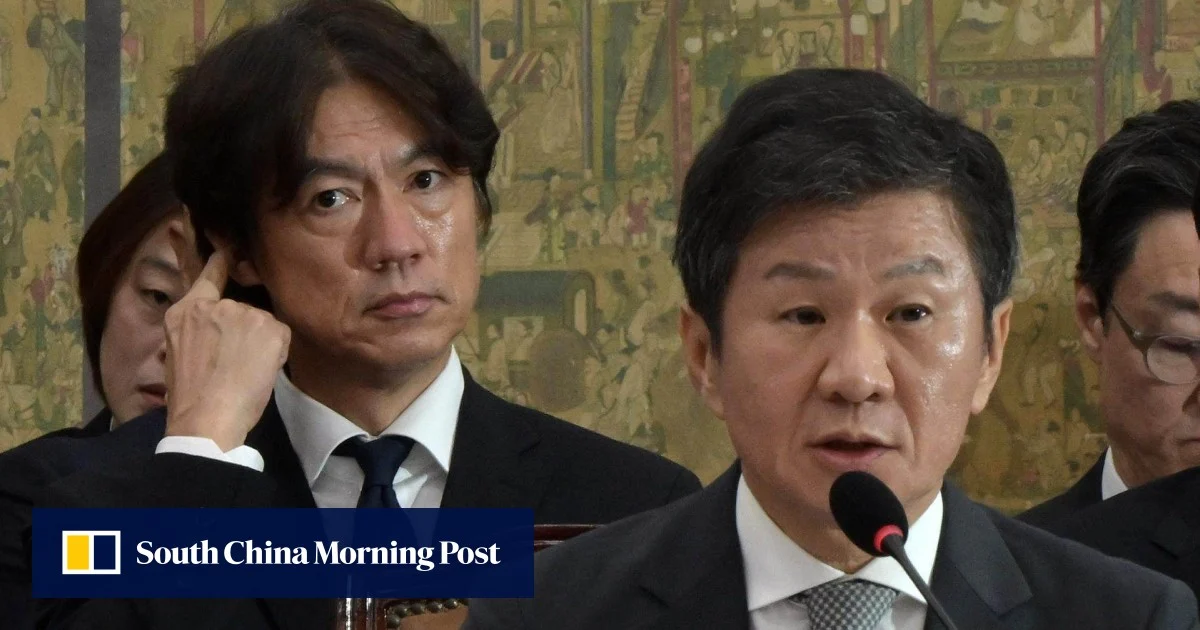
I have no intention to anatomize the mistakes and failures which led to this disappointment. Plenty have enthusiastically taken up that task. Most of the blame has landed at the feet of former head coach Hong Myung-bo, who for the second time in his career has failed to guide the team out of the group stage.
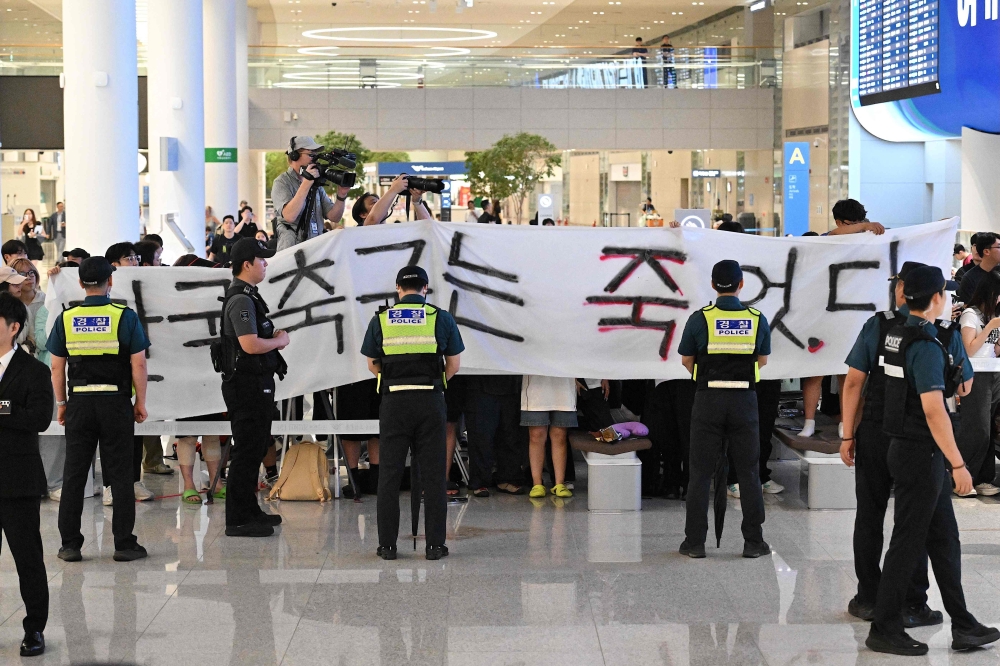
The charges leveled against him seem fair: He showed inferior leadership, insufficient creativity and made poor tactical decisions. But it is more than that: The very process by which he was appointed has become the subject of controversy. Murmurs of corruption abound. Even President Lee Jae Myung posted a long complaint on social media about "favoritism and cronyism" in personnel appointments.