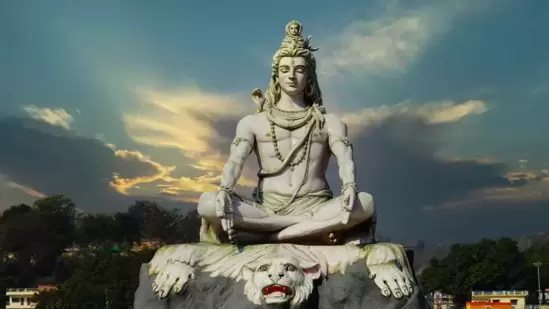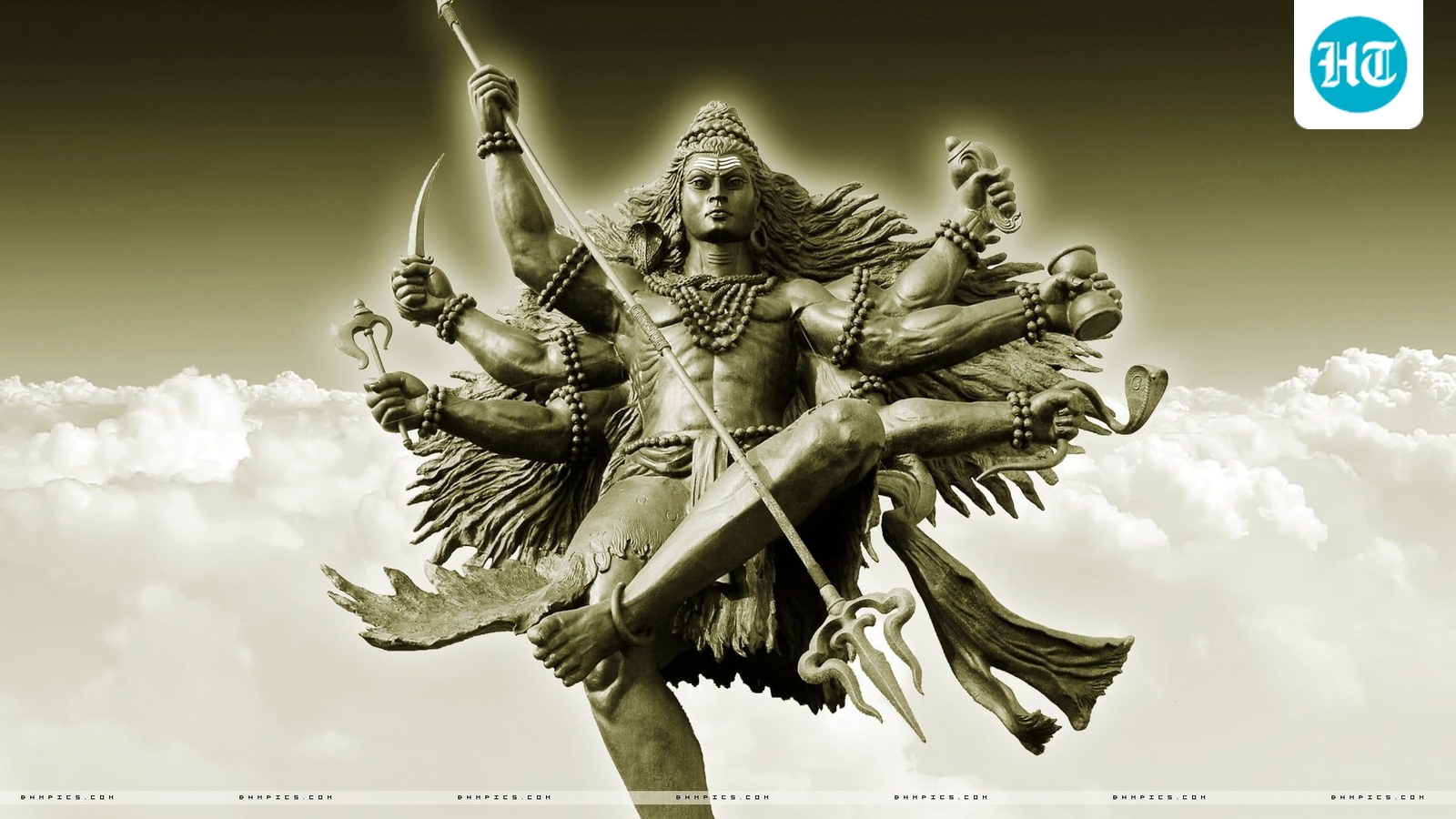
Kalashtami is a monthly Hindu observance dedicated to Lord Kal Bhairav, a fierce manifestation of Lord Shiva who is revered as the guardian of time and the protector of dharma, or righteousness. The observance falls on the Ashtami, or eighth day, of the waning phase of the Moon each lunar month and is marked by prayers, fasting, and temple visits by devotees across India.Kalashtami 2026: Why astrologers consider it a powerful day for releasing fear and negative energy (Pinterest)While Kalashtami is rooted in Hindu religious tradition, many Vedic astrologers also regard it as a spiritually significant day for self-reflection, discipline, and letting go of fear and emotional burdens. Also Read Kalashtami 2026: Date, timings and astrological significanceWhy is Kalashtami considered important?According to Hindu scriptures and tradition, Lord Kal Bhairav represents protection, justice, and the passage of time. Devotees believe that worshipping him with sincerity helps cultivate courage, discipline, and a greater sense of responsibility.Unlike many Hindu festivals that are associated with celebration, Kalashtami is often observed as a quieter, more introspective occasion. Many devotees spend the day in prayer, meditation, or fasting as a way to focus on personal growth and spiritual awareness.Why do astrologers associate Kalashtami with releasing fear?Vedic astrologers often describe Kalashtami as a suitable time to confront emotional patterns that may be holding a person back. Rather than suggesting that fear or negative energy disappears through rituals alone, they say the observance encourages people to become more mindful of their thoughts, actions, and habits.According to Vedic astrologers, days dedicated to Lord Kal Bhairav are traditionally viewed as opportunities to strengthen inner resolve and develop greater emotional balance. Astrologers frequently interpret the observance as a reminder to replace fear with discipline and clarity rather than reacting impulsively to life's challenges.Many practitioners also associate Kal Bhairav with the concept of time, believing that the deity symbolizes the importance of using one's time wisely and letting go of unnecessary worries about the past or future.Spiritual practices observed on KalashtamiThe observance varies from region to region, but common practices include visiting Kal Bhairav or Shiva temples, offering prayers, chanting mantras dedicated to Lord Kal Bhairav, observing a fast, and spending time in meditation.Some devotees also feed dogs, which are traditionally regarded as the sacred vehicle, or vahana, of Lord Kal Bhairav. In Hindu belief, this act symbolizes compassion and service rather than superstition.Astrologers often recommend using the day for quiet reflection, journaling, or setting intentions for personal growth. These practices are viewed as ways to cultivate mindfulness and emotional resilience.A day of reflection rather than predictionAlthough Kalashtami is considered spiritually meaningful in Hinduism and Vedic astrology, experts emphasize that its purpose is not to predict future events or guarantee specific outcomes. Instead, the observance is widely understood as an opportunity to pause, reflect, and reconnect with values such as courage, discipline, and self-awareness.For many devotees, the lasting significance of Kalashtami lies not in seeking external change but in developing the inner strength to face life's uncertainties with greater confidence and compassion.
Kalashtami 2026: Why astrologers consider it a powerful day for releasing fear and negative energy
Kalashtami is rooted in the Hindu religious tradition. Many Vedic astrologers also regard it as a spiritually significant day for self-reflection.
500 words~2 min read