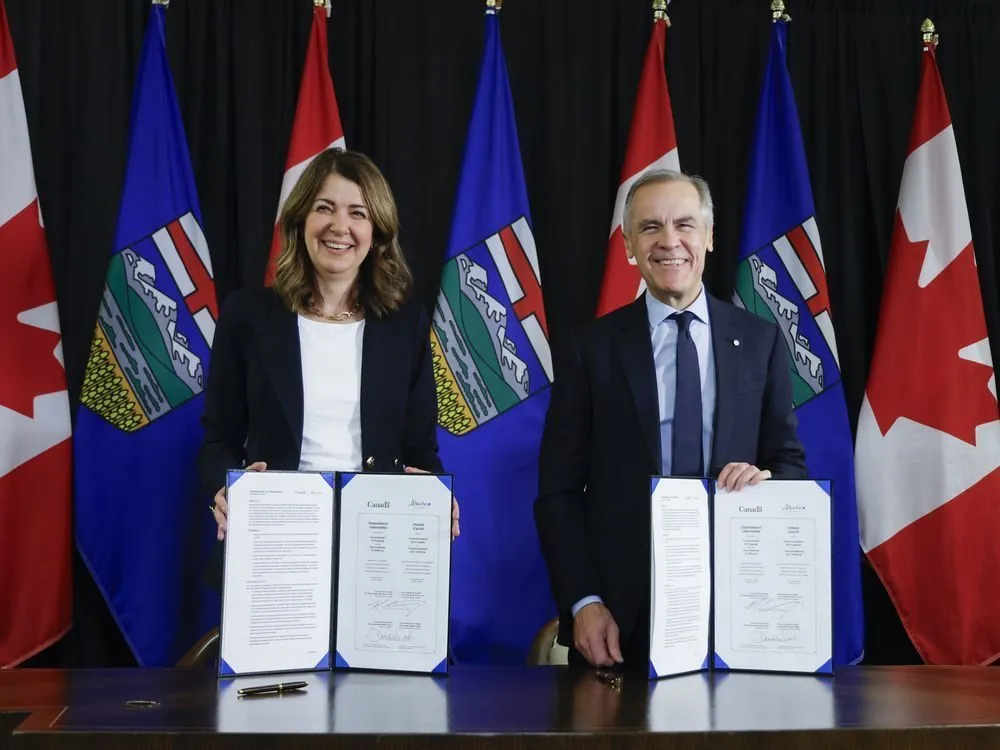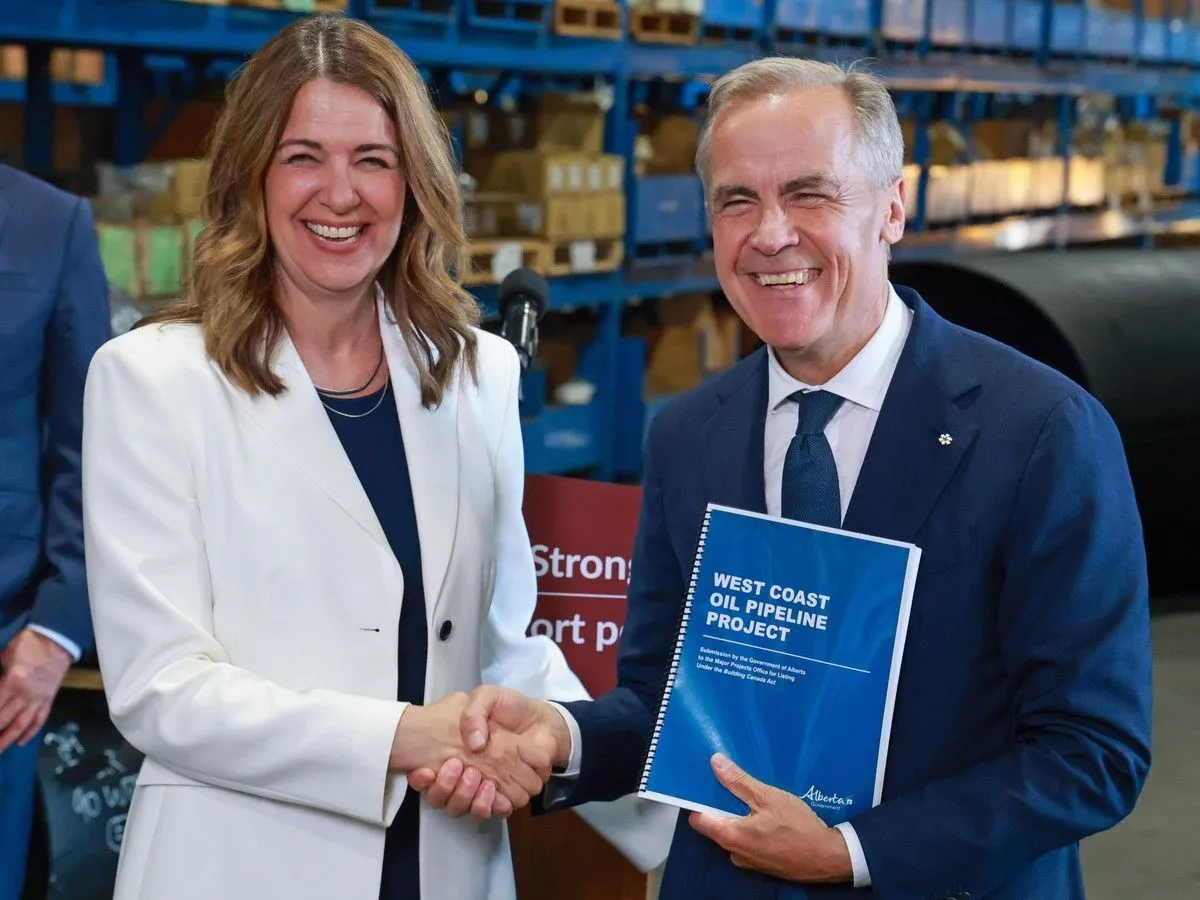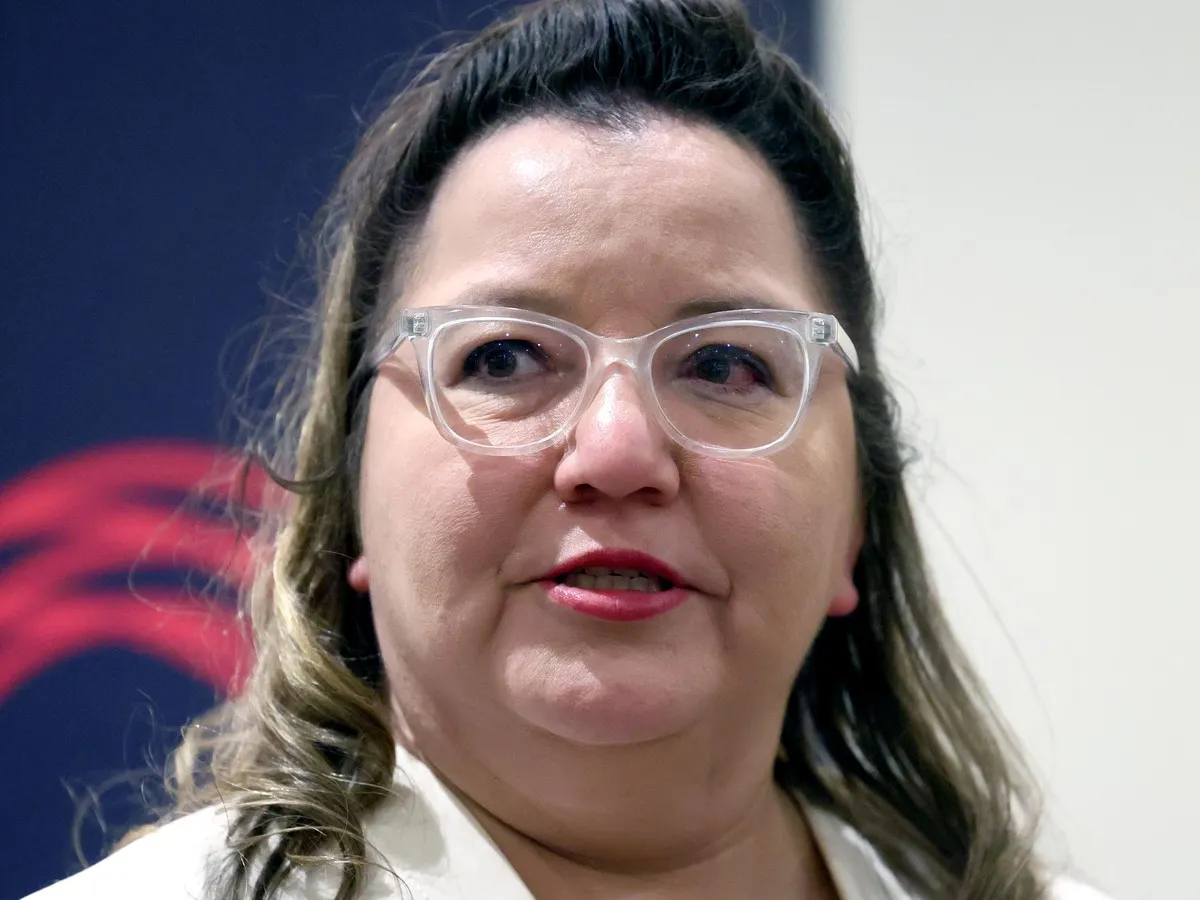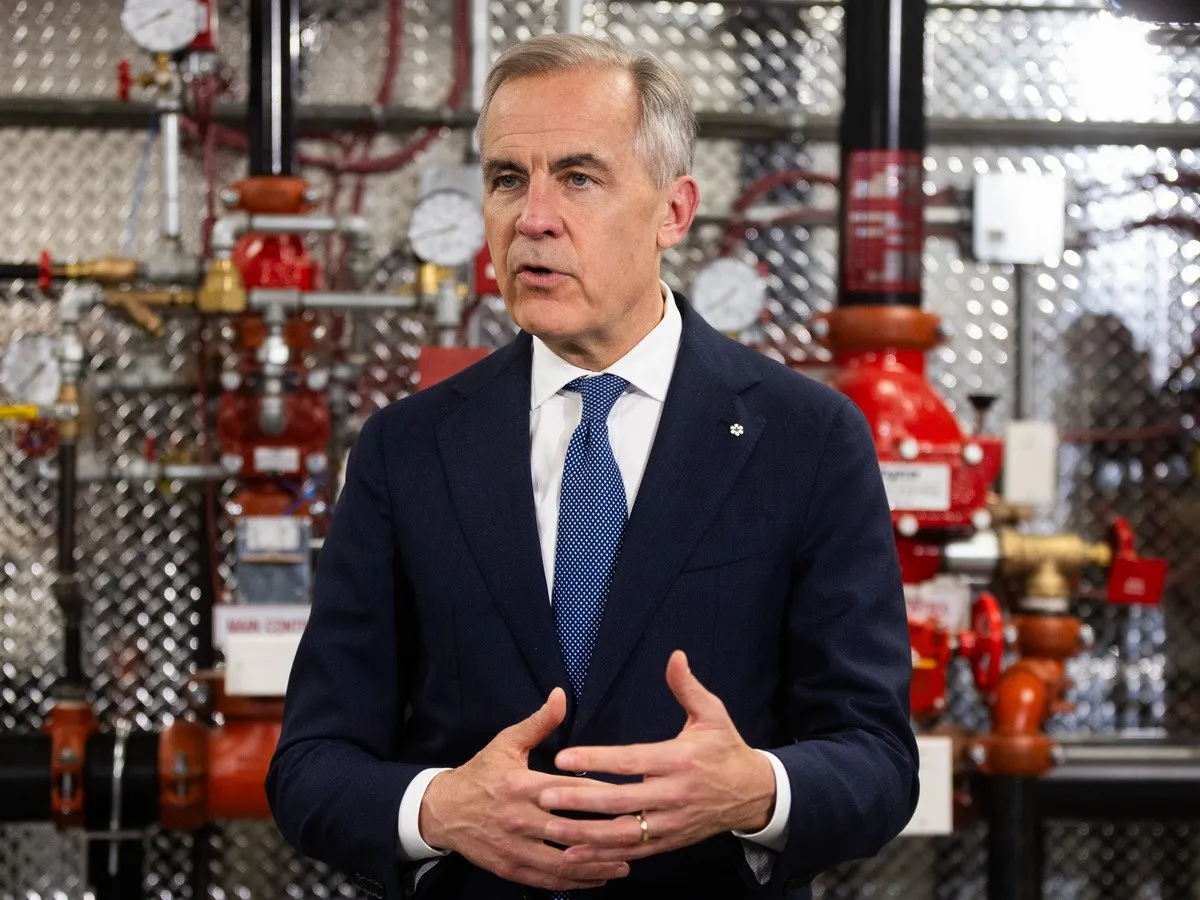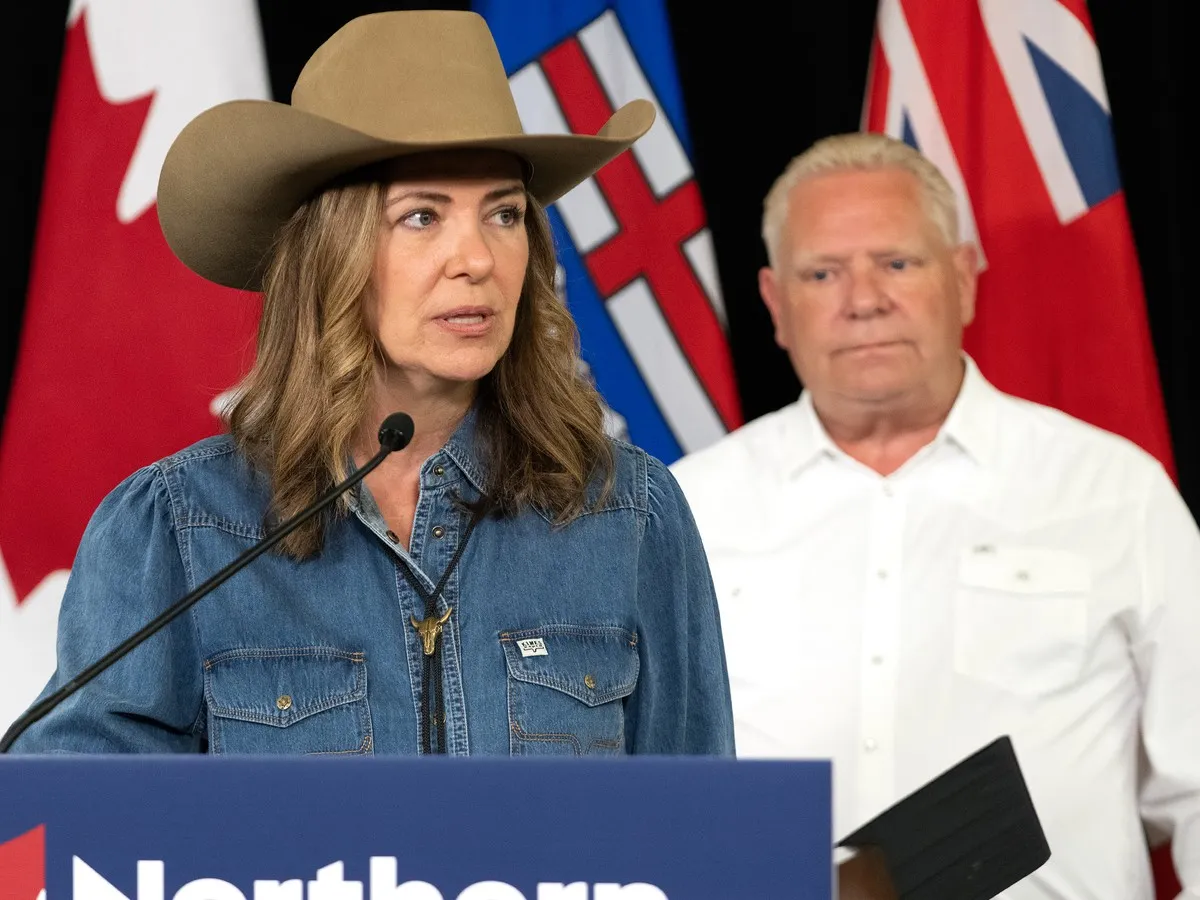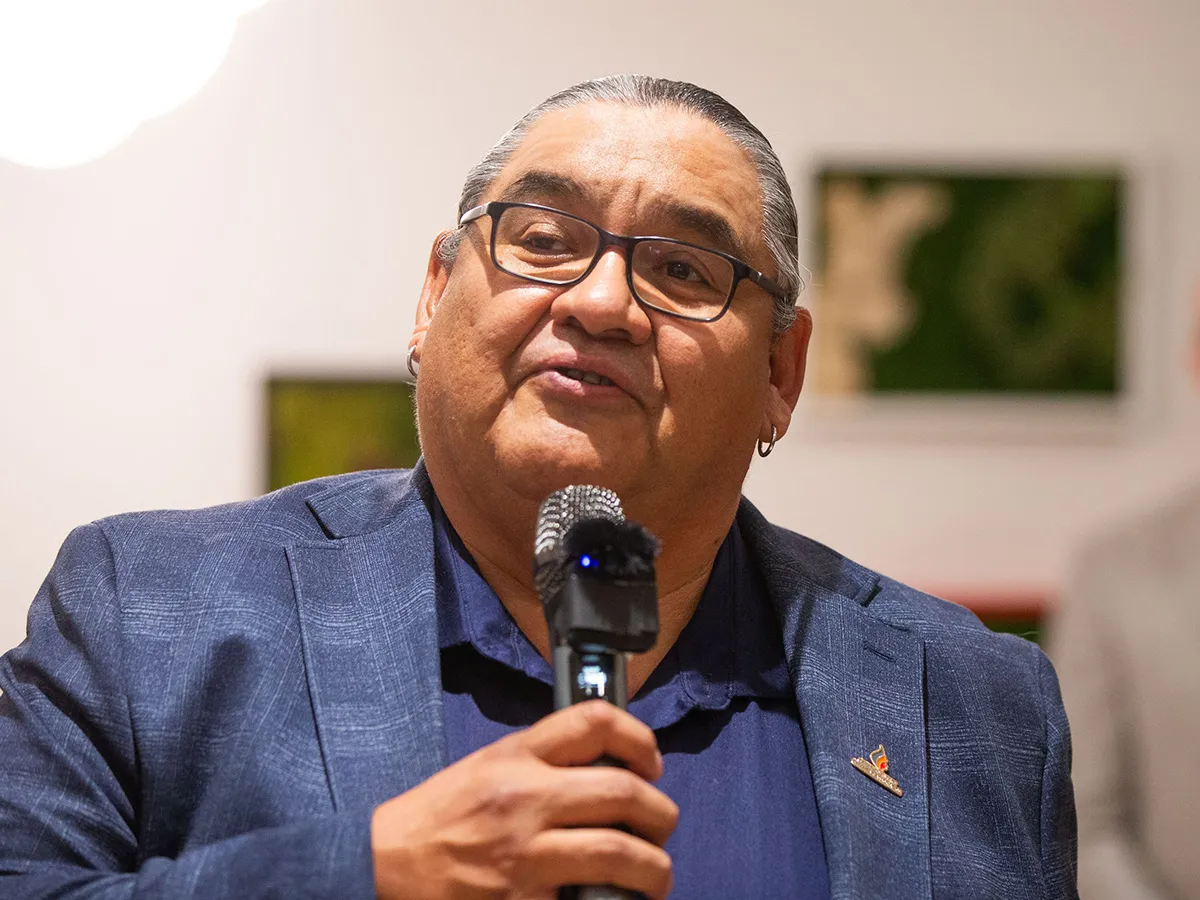
Skip to Content Subscribe Our Offers My Account Manage My Subscriptions FAQ Newsletters Canada Canadian True Crime Canadian Politics Health World Israel & Middle East Financial Post NP Comment Longreads Puzzmo Diversions Comics NP News Quiz New York Times Crossword Horoscopes Life Eating & Drinking Style Sponsored Play for Ontario Travel Travel Canada Travel USA Travel International Cruises Travel Essentials Culture Books Celebrity Movies Music Theatre Television Business Essentials Advice Lives Told Tails Told Shopping Buy Canadian Home Living Outdoor Living Kitchen & Dining Tech Style & Beauty Personal Care Entertainment & Hobbies Gift Guide Travel Guide Amazon Prime Day Deals Savings National Post Store More Sports Hockey Baseball Basketball Football Soccer Golf Tennis Driving Vehicle Research Reviews News Gear Guide Obituaries Place an Obituary Place an In Memoriam Classifieds Place an Ad Celebrations Working Business Ads Archives Healthing Epaper Manage Print Subscription Profile Settings My Subscriptions Saved Articles My Offers Newsletters Customer Service FAQ Newsletters Canada World Financial Post NP Comment Longreads Puzzmo Diversions Life Shopping Epaper Manage Print Subscription HomeNewsCanadaCanadian PoliticsAlberta wins praise for stressing Indigenous support in new pipeline plan‘This is reconcili-action,’ said the head of the Indian Resource Council. ‘You're seeing (Indigenous) ownership of infrastructure’ You can save this article by registering for free here. Or sign-in if you have an account.Indian Resource Council President Stephen Buffalo. Photo by Brent Calver/Postmedia/FileOTTAWA — Karen Restoule, the director of Indigenous affairs at the Macdonald-Laurier Institute, says she was struck by the number of times she heard the word “Indigenous” during Thursday’s federal-Alberta announcement regarding a new West Coast oil pipeline.Enjoy the latest local, national and international news.Exclusive articles by Conrad Black, Barbara Kay and others. Plus, special edition NP Platformed and First Reading newsletters and virtual events.Unlimited online access to National Post.National Post ePaper, an electronic replica of the print edition to view on any device, share and comment on.Daily puzzles including the New York Times Crossword.Support local journalism.Enjoy the latest local, national and international news.Exclusive articles by Conrad Black, Barbara Kay and others. Plus, special edition NP Platformed and First Reading newsletters and virtual events.Unlimited online access to National Post.National Post ePaper, an electronic replica of the print edition to view on any device, share and comment on.Daily puzzles including the New York Times Crossword.Support local journalism.Create an account or sign in to continue with your reading experience.Access articles from across Canada with one account.Share your thoughts and join the conversation in the comments.Enjoy additional articles per month.Get email updates from your favourite authors.Create an account or sign in to continue with your reading experience.Access articles from across Canada with one accountShare your thoughts and join the conversation in the commentsEnjoy additional articles per monthGet email updates from your favourite authorsSign In or Create an Accountor“(Prime Minister Mark) Carney and (Alberta Premier Danielle) Smith must have both said ‘Indigenous’ or ‘First Nations’ at least a dozen times each,” said Restoule. “I honestly lost track.”Carney and Smith appeared together in Calgary to announce that they’d agreed on a route for a new pipeline, running southwest from Bruderheim, Alta. to the Roberts Bank terminal near Vancouver. The premier had originally preferred a northern route to Prince Rupert, B.C., which is closer to Asian markets, but some Indigenous groups along that route had said they were opposed.Smith announced that she’d formally submitted the southerly pipeline proposal to the federal Major Projects Office for consideration as a project of national interest, and Carney has committed to declaring it as a national interest project by September 2027.But what was just as key in the announcement, say observers, is how much emphasis Smith has been putting on ensuring buy in from Indigenous communities.Tellingly, Smith was flanked at the announcement by Alberta Indigenous Affairs Minister Rajan Sawhney, who she said will be “very busy over the coming months.”Sawhney met with more than 40 First Nations, in Alberta and British Columbia, in the months leading up to Thursday’s announcement, according to her staff.Alberta’s November 2025 memorandum of understanding with the federal government laying the groundwork for the new pipeline said that it would entail “Indigenous Peoples’ co-ownership and economic benefits.”The new pipeline will be built and majority owned by the Trans Mountain Corporation, a federally owned Crown corporation, with minority participation from Pembina Pipeline Corp. But Smith said Thursday that the proposal includes an equity ownership opportunity for First Nations’ partners, saying more details of that will be shared in the coming months.Pembina previously formed a 50-50 partnership with a coalition of First Nations and Métis communities to try buying the existing Trans Mountain Expansion pipeline, which was completed in 2024 after the federal government took over the beleaguer company as it was preparing to walk away from the politically fraught project. At the time, Ottawa said it wasn’t interested in selling.Restoule says that Thursday’s pipeline announcement reflected a quiet shift in Indigenous relations that was started in Alberta years ago by Smith’s predecessor.“Alberta’s been by far and away the leader within Canada in fostering partnership between Indigenous and industry groups,” said Restoule.Restoule said that then premier Jason Kenney’s creation of the Alberta Indigenous Opportunities Corporation (AIOC) in 2019 was a game changer in this respect. The provincial Crown corporation allowed Indigenous groups to take out large government-backed loans and use them to buy equity stakes in major resource projects. She said the AIOC was a workaround the federal Indian Act, which limits the ability of bands to put up reserve land as collateral for loans.Stephen Buffalo, the Calgary-based president of the Indian Resource Council, agreed that the Kenney years were a key turning point in Industry-Indigenous relations.“They were quite innovative in coming up with financial tools to allow us to participate fully in resource development,” says Buffalo.Before its creation, First Nations participation in major projects was typically limited to collecting royalties from any resources produced on their territory.“The (AIOC) came about because Jason Kenney engaged with Indigenous leaders and all parties realized that the old, and frankly paternalistic way of doing things restricted nations from getting involved in major resource projects, and seeing the benefits of those projects flow to their communities,” said Restoule.(Kenney has since become a director on the board of Postmedia Network Inc., owner of National Post, but has no role in daily editorial processes.)As of late 2025, the AIOC had provided more than $745 million in loan guarantees to help 43 Nations buy stakes in nine projects.Restoule noted that, following immense pressure from pro-resource development Indigenous groups, the Liberal government under former prime minister Justin Trudeau rolled out a parallel federal Indigenous loan guarantee program in 2024.She said that, on the whole, Indigenous people are more pro-development than is often assumed, noting that polls show some two-thirds of them support major resource projects.Buffalo called what’s happened in Alberta an example of reconciliation meeting action.“This is reconcili-action. You’re seeing (Indigenous) ownership of infrastructure, you’re seeing communities engaged with services in surrounding areas, and a lot of jobs being created across the board,” said Buffalo. Alberta Premier Jason Kenney speaks during an announcement regarding the Alberta Indigenous Opportunities Corporation in Calgary on Jan. 27, 2020. The AIOC’s creation is seen as a game changer for Indigenous-industry partnerships in the province. Photo by Gavin Young/PostmediaBuffalo, who was actively engaged in Alberta’s previous push for a northern pipeline, admitted that he was somewhat disappointed by foregone economic opportunities in northern B.C. and northwestern Alberta.A few hours prior to the Calgary announcement, Carney and B.C. Premier David Eby announced that the Trudeau-era ban on northern B.C. heavy oil tanker traffic would be staying in place.He nevertheless stressed that Thursday’s announcement was a “good news day” for the opportunities the new pipeline creates.Buffalo also noted that the developments will keep multiple liquefied natural gas projects in northwestern B.C. from getting swept up in a debate over removing a ban on oil tankers.“It’s not always the loudest voices who speak for the rest of us, who want to see our communities uplifted and opportunities for young people,” said Buffalo, referring to a small number of anti-pipeline groups that have dominated the national conversation.National Post rmohamed@postmedia.comOur website is the place for the latest breaking news, exclusive scoops, longreads and provocative commentary. Please bookmark nationalpost.com and sign up for our daily newsletter, Posted, here. Join the Conversation This website uses cookies to personalize your content (including ads), and allows us to analyze our traffic. Read more about cookies here. By continuing to use our site, you agree to our Terms of Use and Privacy Policy.
Alberta wins praise for stressing Indigenous support in new pipeline plan
"This is reconcili-action," said the head of the Indian Resource Council. "You're seeing (Indigenous) ownership of infrastructure."
1,416 words~6 min read