When you write a normal backend, you mostly trust your own database. A row you wrote is a row you can read back, and the data is what you put there. Solana works differently, and the difference is the single most important thing to understand about writing safe programs.
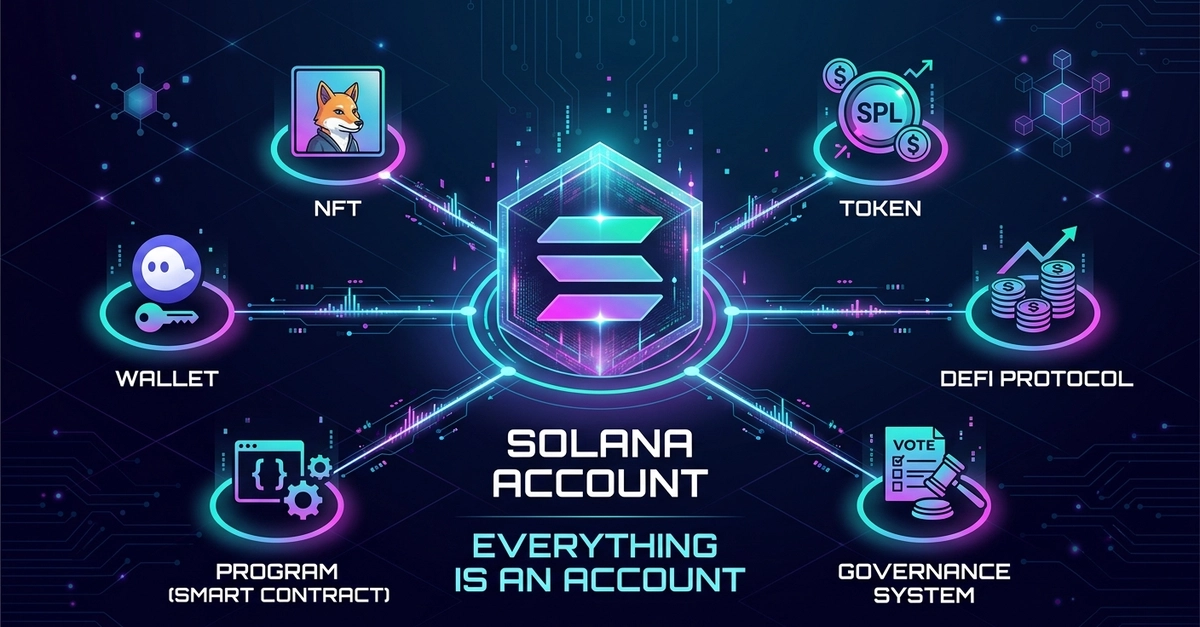
On Solana, your program is handed a list of accounts with every instruction, and any of those accounts can be anything the caller wants. The caller picks them. An account is just an address, a balance, some bytes, and a field saying which program owns it, and a caller is free to hand your program an account they built themselves, filled with whatever bytes serve them. Your program has no trusted edge. Every account is attacker-controlled until your code proves otherwise.
That sounds alarming, but it collapses into something manageable. Most account security on Solana comes down to two questions you ask about every account in every instruction. Learn to ask them and a whole class of expensive bugs stops being mysterious.
The shift: from "what did I mean" to "what did I forget to forbid"
When you're building a feature, you think about the happy path: a user calls this, the program does that, everyone's content. Security asks a different question. Not "what did I intend this to do," but "what did I forget to forbid." Those are not the same question, and the gap between them is where exploits live.