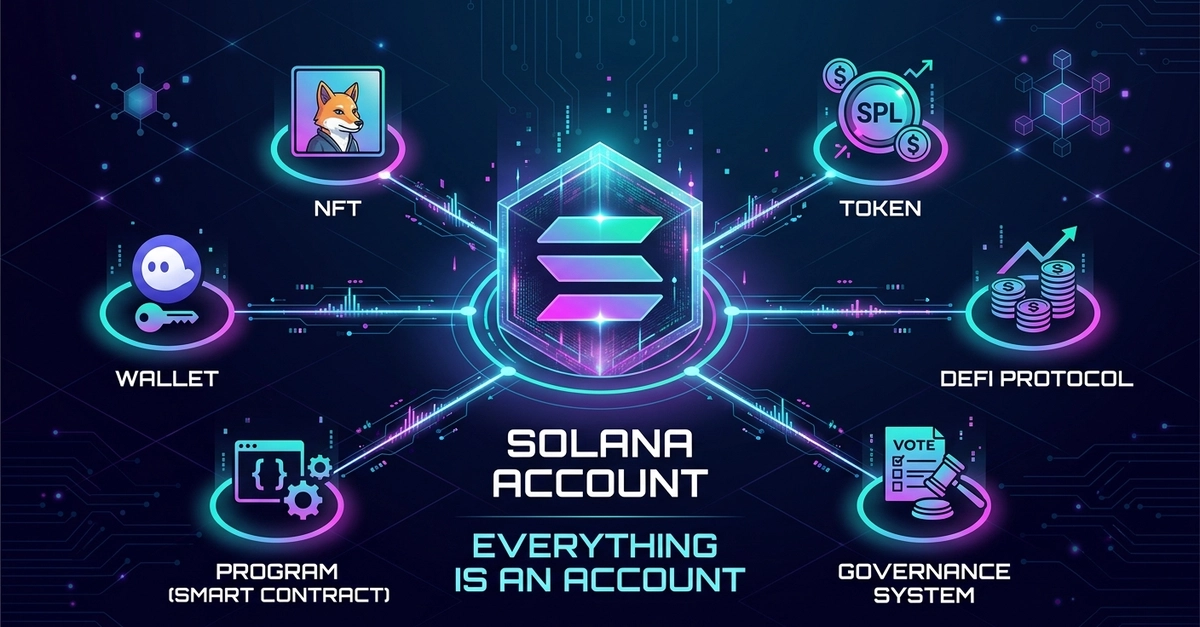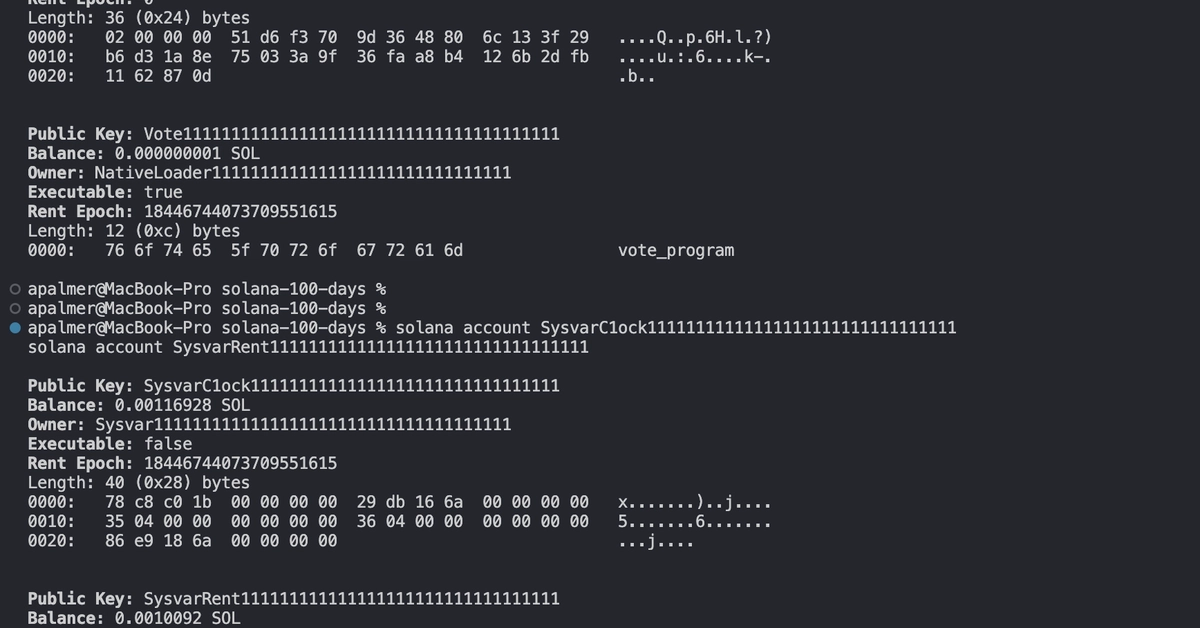
If you've built on Ethereum and you're now exploring Solana, the first thing that will trip you up isn't the language (Rust takes getting used to, but it's learnable). It's the mental model. Solana separates code from state at a fundamental level — and once you internalize that, everything else clicks.
This article walks through the core differences in how both chains store data, why Solana's design enables parallel execution, and what it means for you as a DeFi developer writing programs (the Solana term for smart contracts).
The Ethereum Model: Code and State Live Together
In Ethereum, a smart contract bundles two things in one address:
The bytecode (the logic)