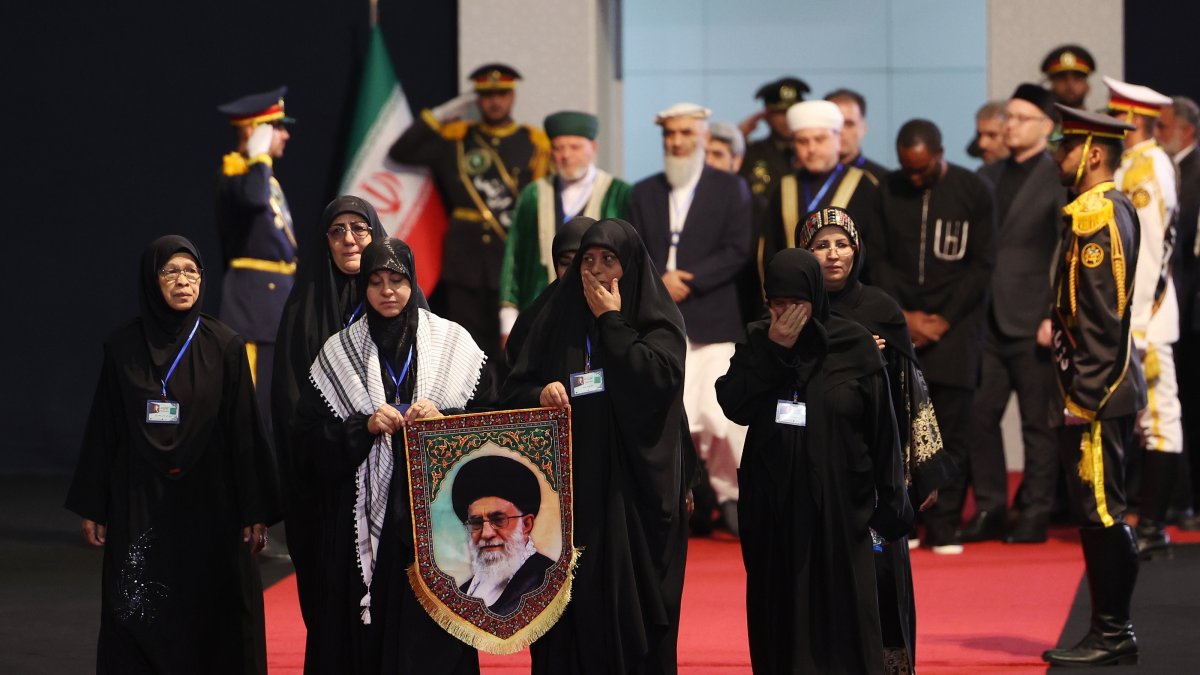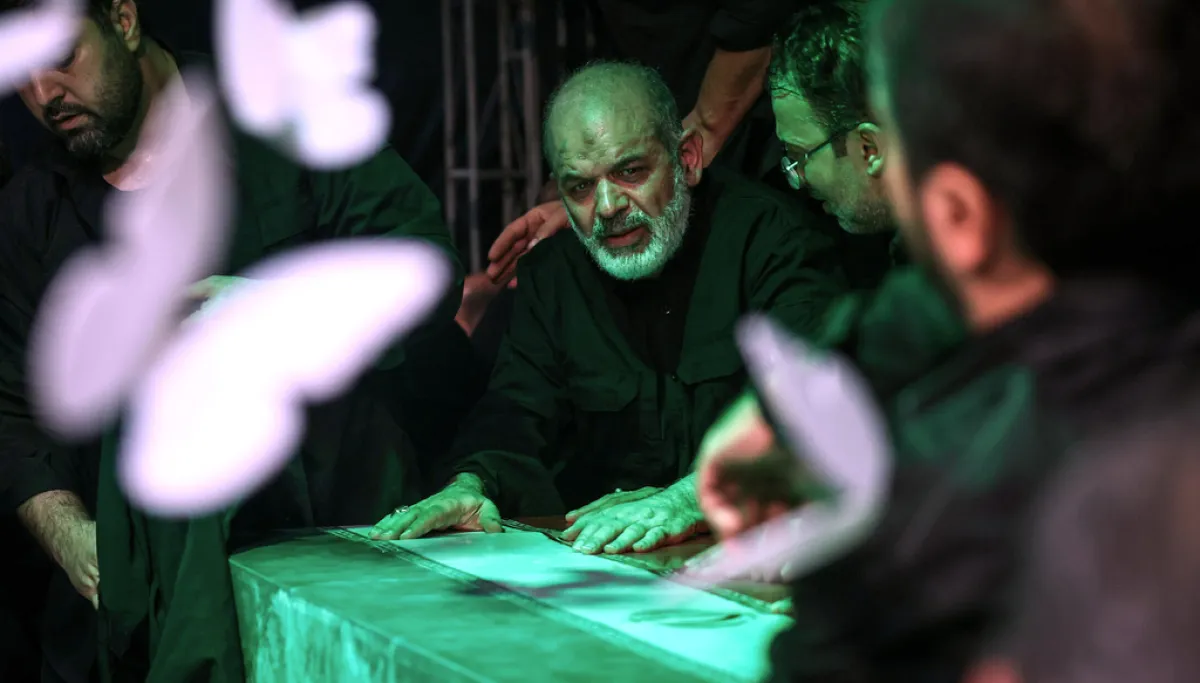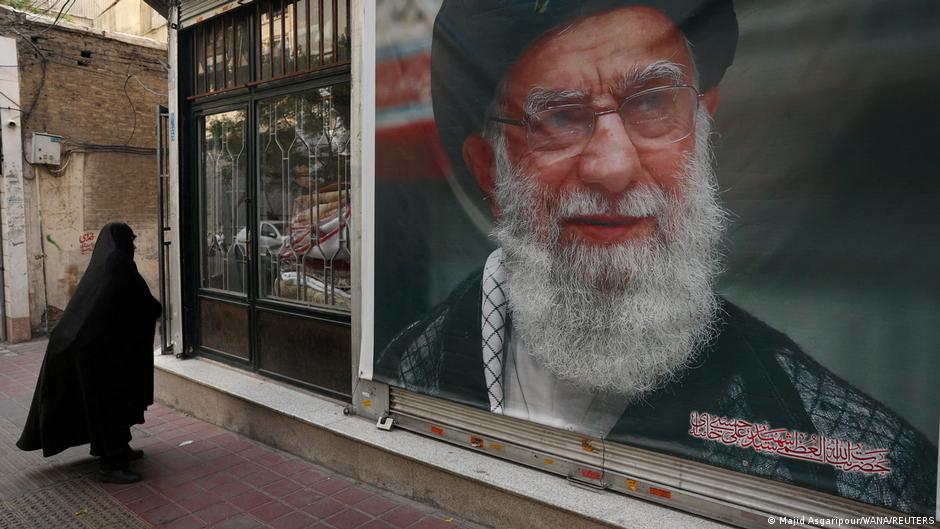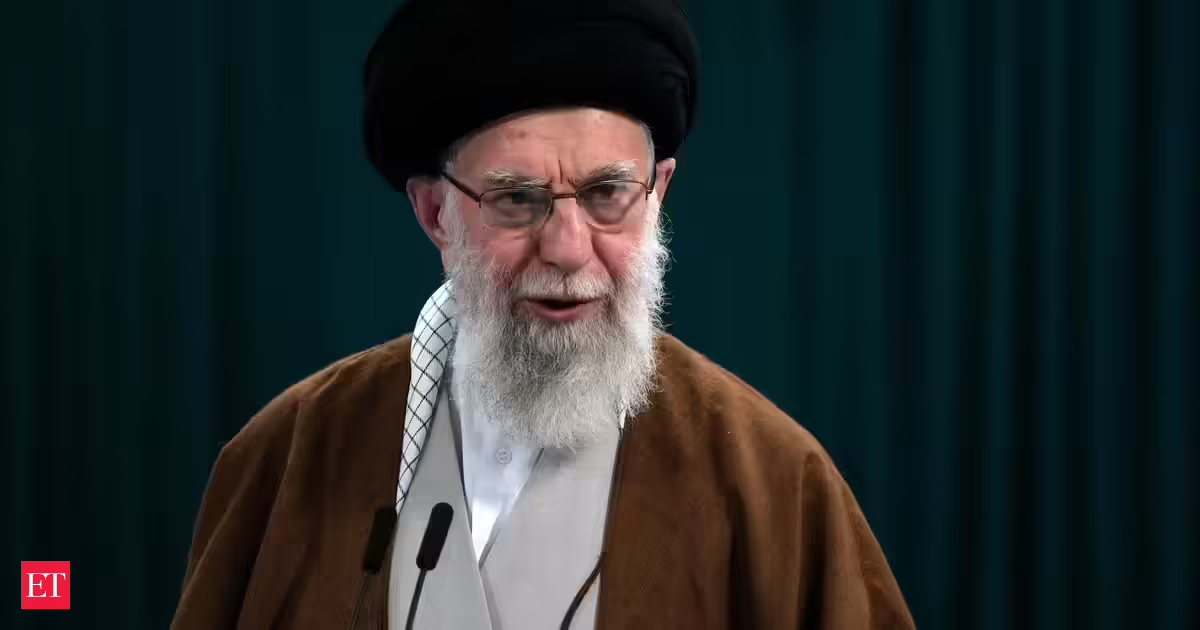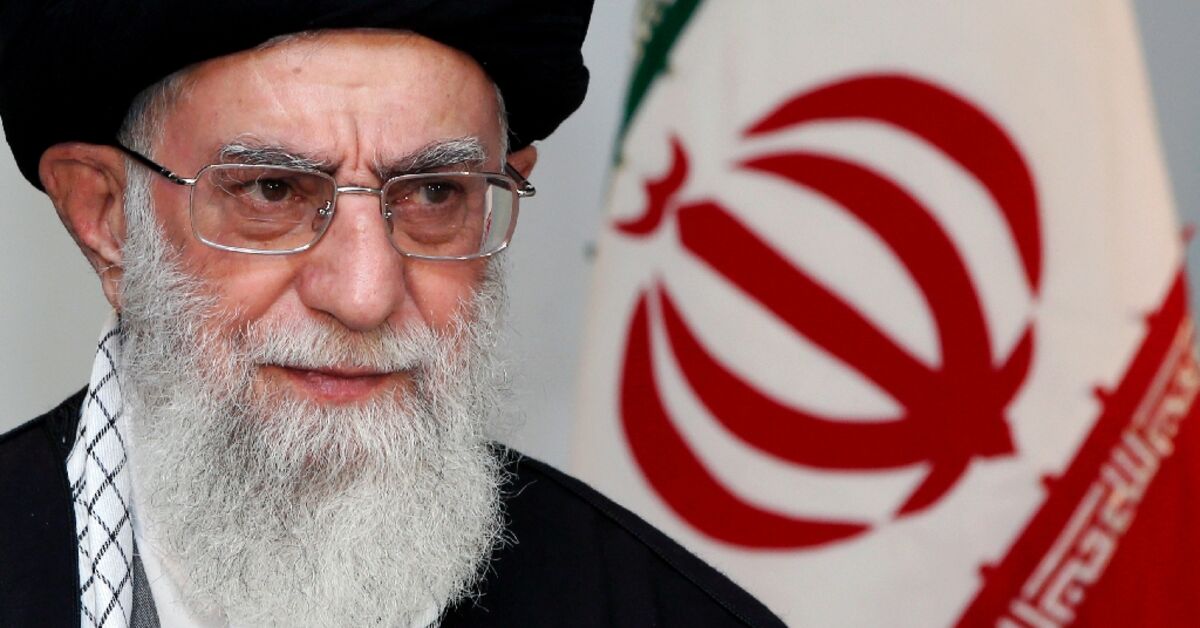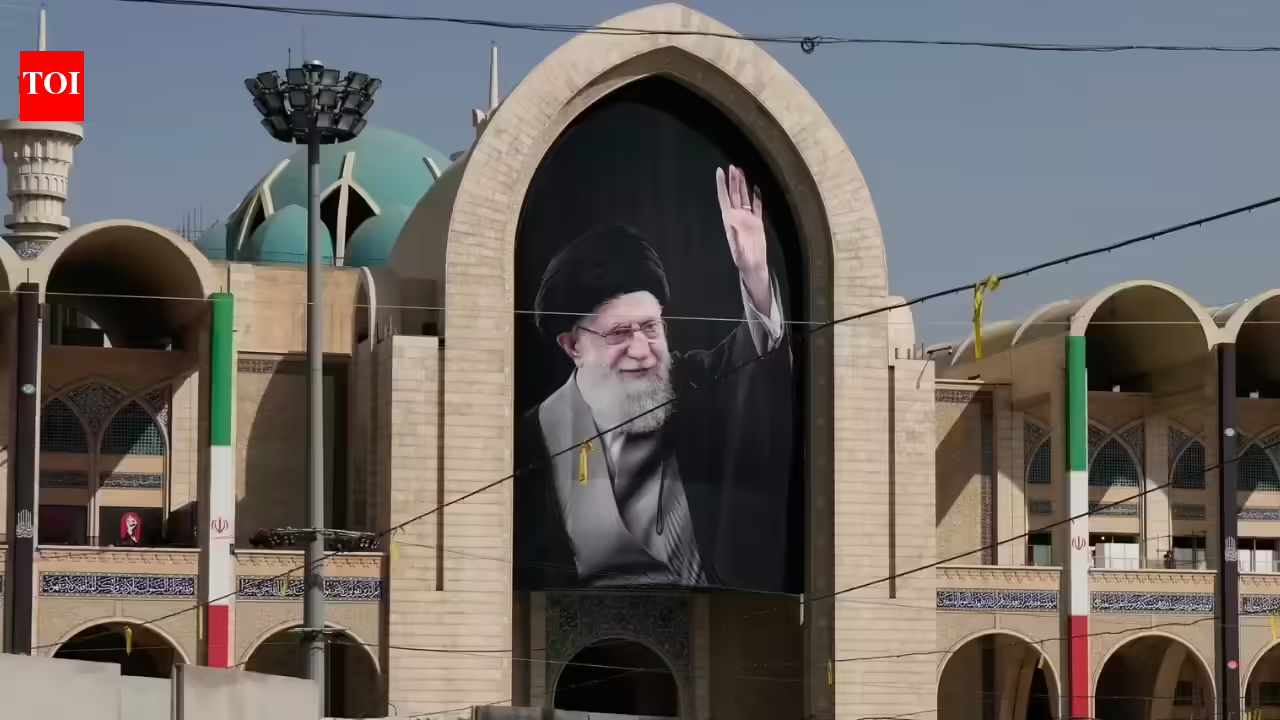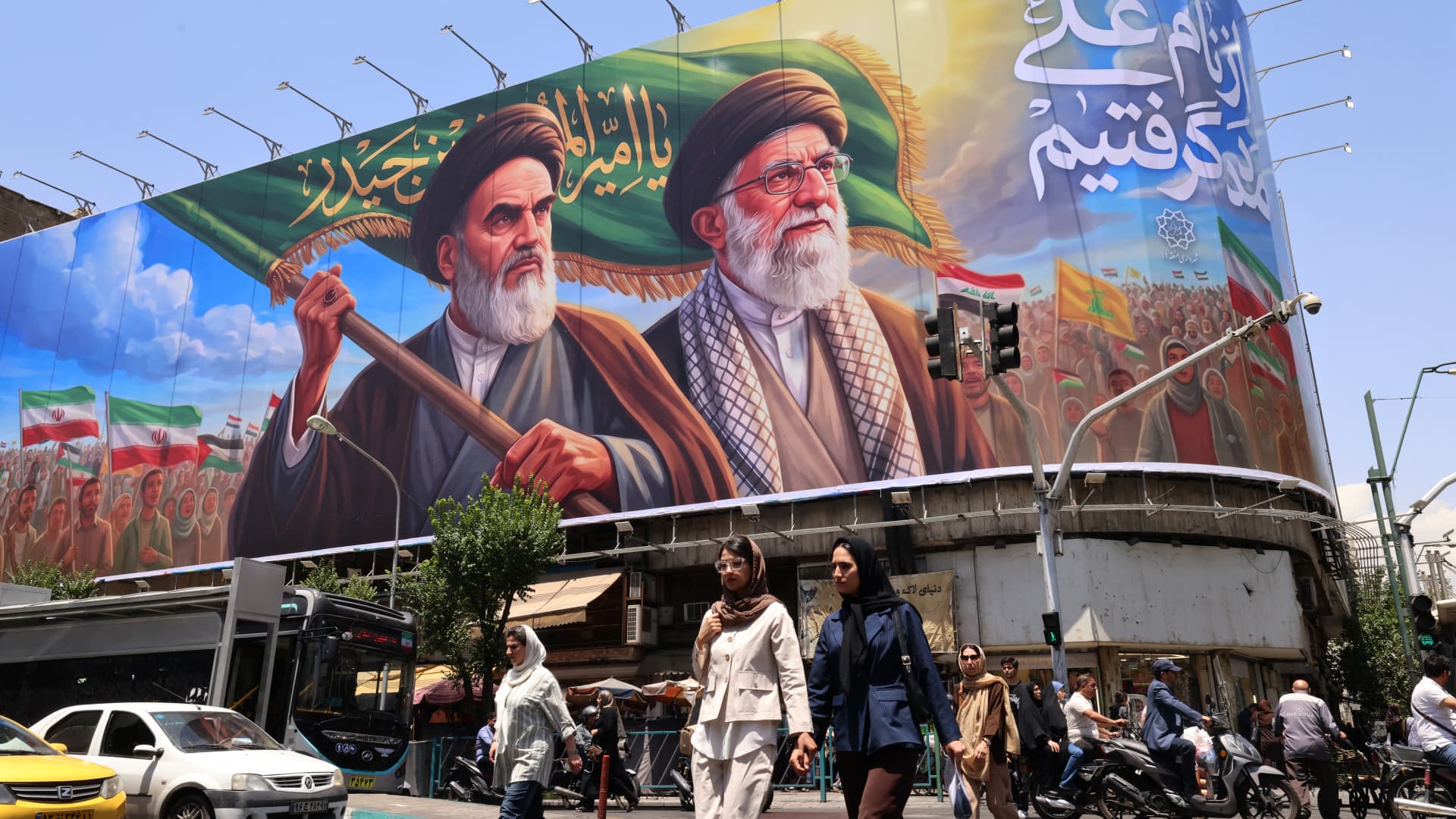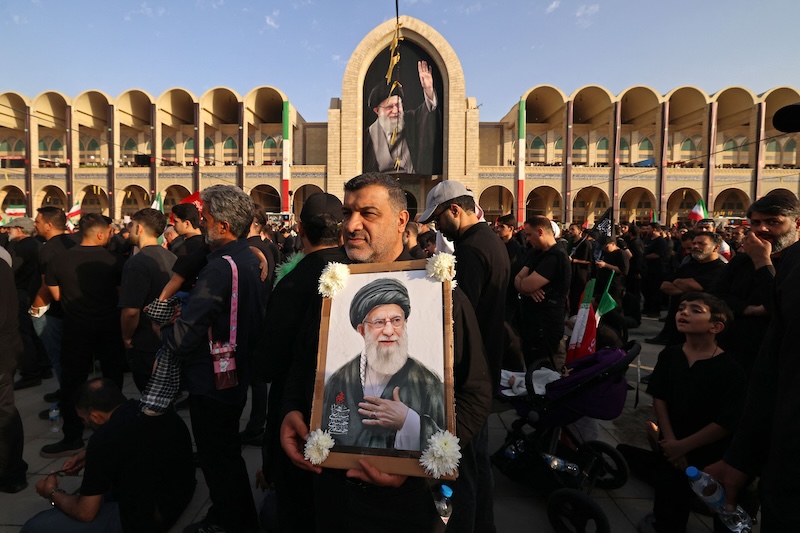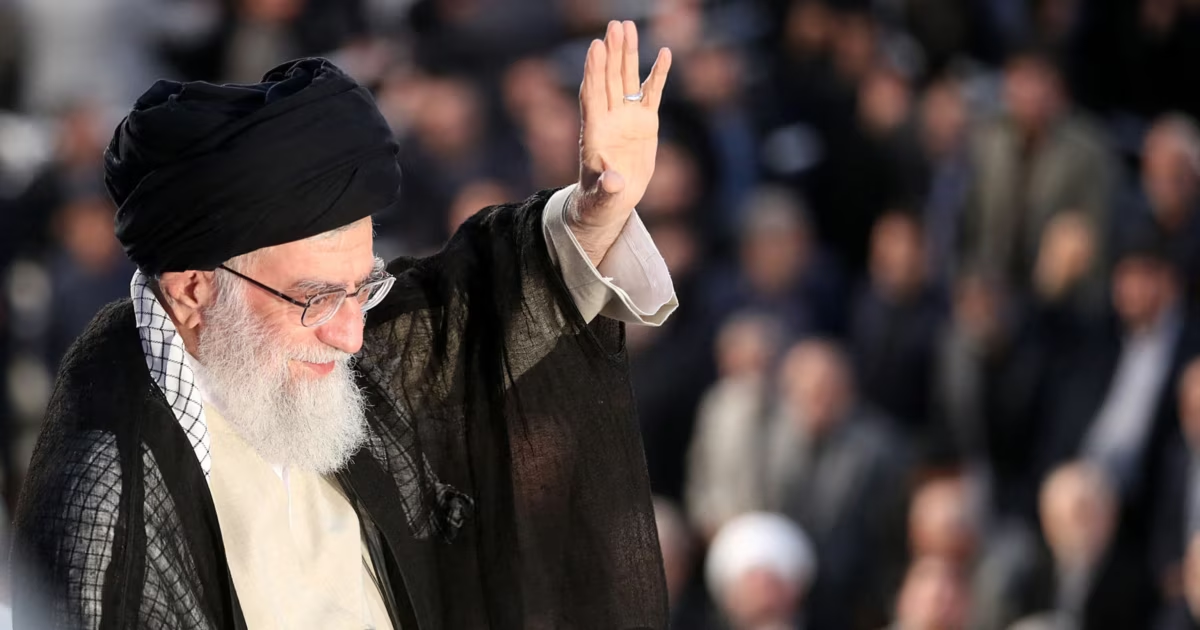
More than four months after he was killed in the opening strikes of the war with the United States and Israel, Ali Khamenei, who ruled the country for more than three decades with an iron first, is finally being buried.Starting on July 4, Iran is staging what officials are calling one of the largest, most complex funerals in its history: five days of ceremonies stretching across Tehran, Qom, and Mashhad -- with stops in Baghdad, Karbala, and Najaf in neighboring Iraq -- before his body reaches its final resting place at the Imam Reza shrine on July 9.The event is expected to have the scale of pageantry usually reserved for founding figures, but having ruled Iran for nearly 37 years, Khamenei leaves as the Islamic republic's longest-serving supreme leader and a defining force in Iran's modern history.The drawn-out affair, according to Taghi Rahmani, a rights activist and husband of Nobel Peace Prize Winner Narges Mohammadi, is designed as a show of the state "still standing" and reasserting itself after the war. It will also attempt to gloss over the deaths of tens of thousands of Iranians at the hands of Khamenei's regime.
Rahmani added that the Islamic republic is trying to project strength both to foreign audiences and domestically, through fear and authority, even as he says the gap between the state and Iranian society is vast -- a population he described as impoverished, weakened, repressed, and resentful, but also cowed by a postwar execution wave .Why Now, And Why Like ThisThe funeral was supposed to happen in March, not long after he was killed on February 28. It didn't, and the reasons for the delay tell their own story about the state Iran finds itself in.Plans were revised repeatedly in the immediate aftermath of Khamenei's death since the country was still at war. So, officials weighed security threats, uncertainty over foreign attendance, and an unresolved succession question.What emerged instead was a body kept in storage for months while the Islamic republic tried to figure out how to bury its second supreme leader without the ceremony collapsing into chaos or becoming a flashpoint itself.