SpaceX just pulled off the largest IPO in history, raising $75 billion on June 12 by selling 555,555,555 shares at $135 a pop. The stock debuted on the Nasdaq under the ticker SPCX, surged to around $150 intraday, and closed at roughly $161, pushing the company’s market valuation past $2 trillion.
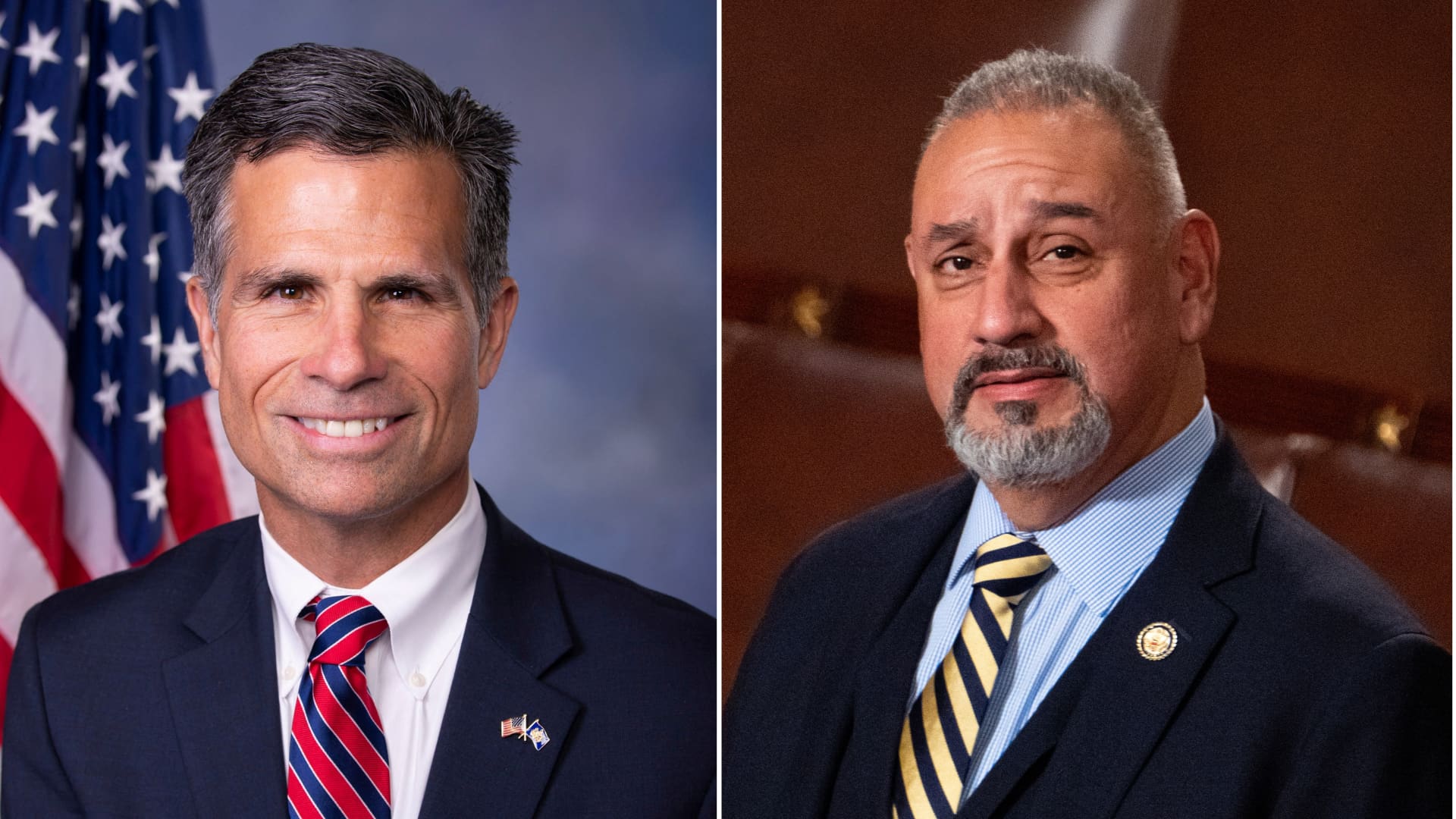
Now congressional officials are reportedly buying in. And if that sentence gives you a sense of déjà vu, it should.
The trade disclosure problem that never goes away
The STOCK Act, passed in 2012, requires members of Congress and senior staffers to disclose securities transactions within 45 days. In practice, that window creates a comfortable lag between when lawmakers buy and when the public finds out about it.
That lag matters enormously here. SpaceX isn’t just any company. It holds billions in government contracts, operates under FAA oversight, and intersects with national security policy at nearly every level. The FAA itself recognized the conflict, prohibiting its own employees from holding SpaceX stock as of June 30, 2026. Congress, naturally, has not imposed the same restriction on itself.