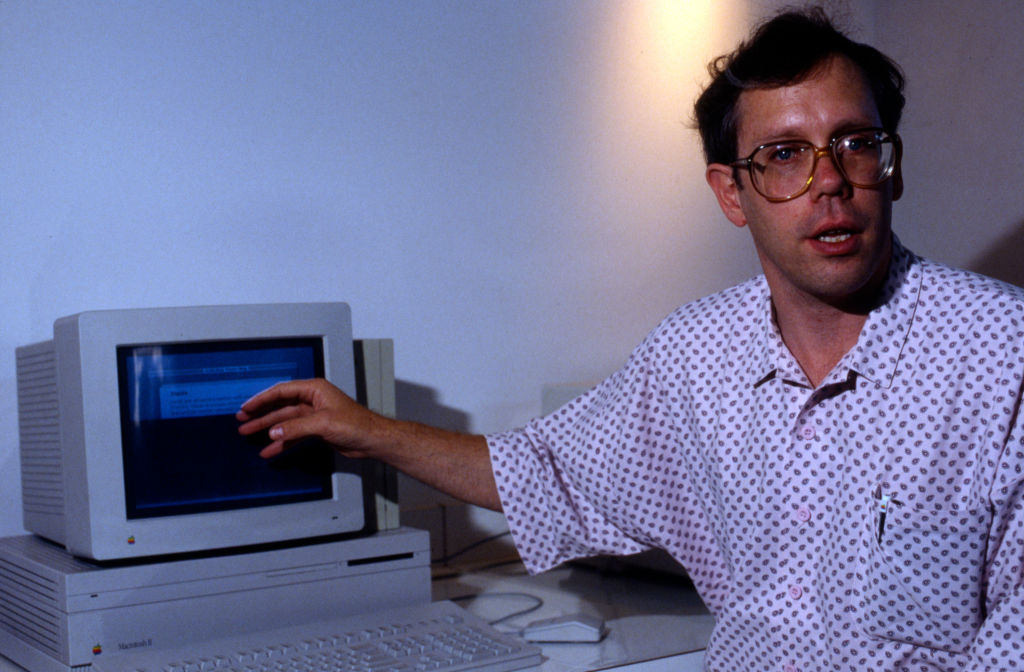
OBITUARY South African-born pioneer of the British tech industry David Potter, the man behind the iconic Psion pocket computers, passed away on 28th June, six days before his 83rd birthday. Potter was the founder of the company of the same name, a pivotal firm in the British technology industry from the 1980s to the 2000s. Psion supplied software for the early computers from Sinclair Research, the ZX80 and the ZX81, including a Flight Simulator that you can play online. In 1982, Psion supplied the bundled software with the Sinclair ZX Spectrum, and the later, the XChange suite for the Sinclair QL, later available for DOS under the name PC-Four – a deal The Register reported in detail for the QL’s 30th anniversary.In 2016, Potter was interviewed by the Archives of IT, which you can watch online:
2016 interview with David Potter by the Archives of IT
There’s also a corrected transcript [PDF], plus some edited highlights of the interview.
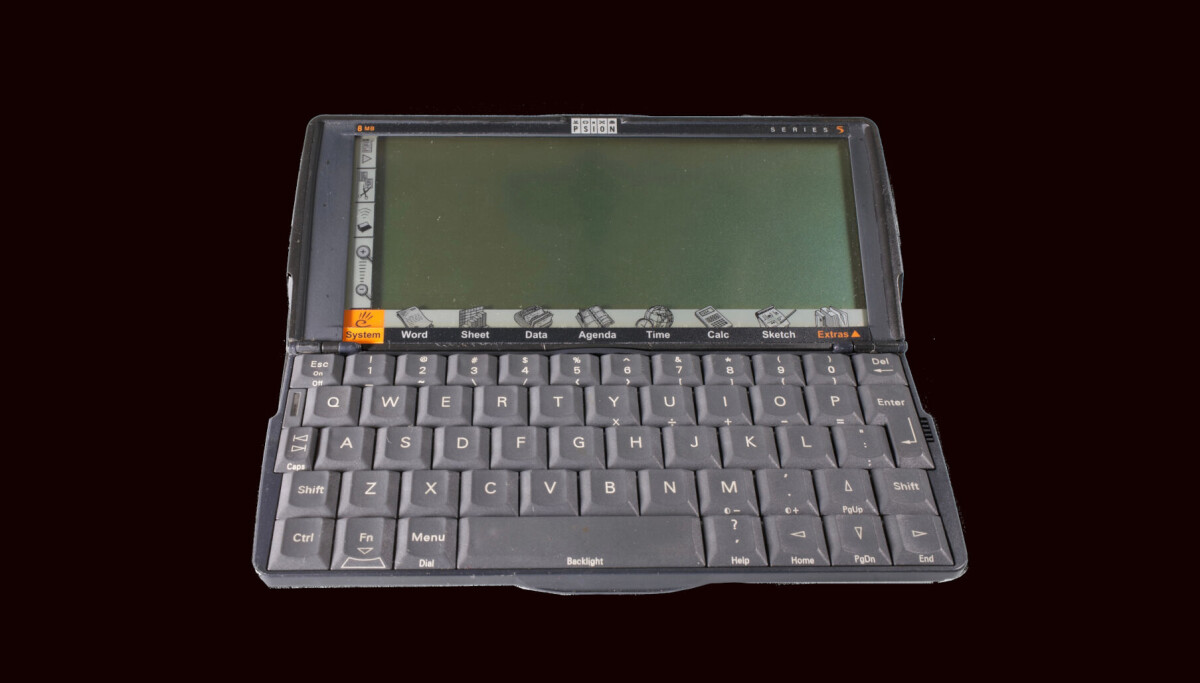
A bold 1983 advertisement claimed: “The best software on earth comes from Psion.” However, Potter realized early on that the instability of the rapidly moving home computer market posed a problem for the company, as he explained in a 1991 interview in Personal Computer World:“What’s the longevity of this market, what’s the utility of these products, where’s it going to? And the more we asked these questions the fewer answers we could get. And we came to the conclusion that these products were of tremendous educational value, a lot of fun, but there was no real long-term utility and the market was not long term because of that. So we decided to diversify and put a lot of our development resources into two very new areas for us. One was applications software. The second area was quite a new, radical concept of a handheld computer”.This led it to create the first of the multiple ranges of pioneering hand-held pocket computers for which it is better remembered today. In 1984, Psion launched the Organizer range, and in 1986, its successor the Organizer II, which came with two slots for what were arguably the computer industry’s first replaceable SSDs. In 1989, Psion introduced all-solid-state MC laptops. Although unsuccessful, the MC’s hardware was miniaturized to create the pocket-sized Psion Series 3 in 1991, and Psion’s bespoke GUI OS became EPOC16. The machines sold in the millions, which in turn led to the Psion 5 and netBook.The Register’s magisterial history of the development of the Series 5, Psion: the last computer, covers this evolution in depth. For the Series 5, Psion designed and implemented EPOC32, a realtime-capable 32-bit Arm OS in C++. Later, EPOC32 was renamed Symbian and powered the first wave of smartphones, as The Reg covered in depth in 2010 in a two-part history: Symbian, The Secret History: Dark Star, followed by Symbian’s Secret History: The battle for the company’s soul.The Reg has reported on Potter too many times to link. We first quoted him in 1998, and most recently in 2017 when he invested in Planet Computers, becoming Honorary chairman of the company. Planet produced the Gemini pocket computer whose keyboard was licensed from Psion.