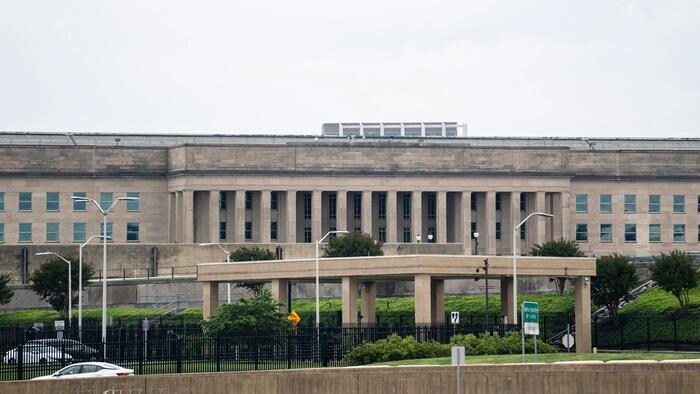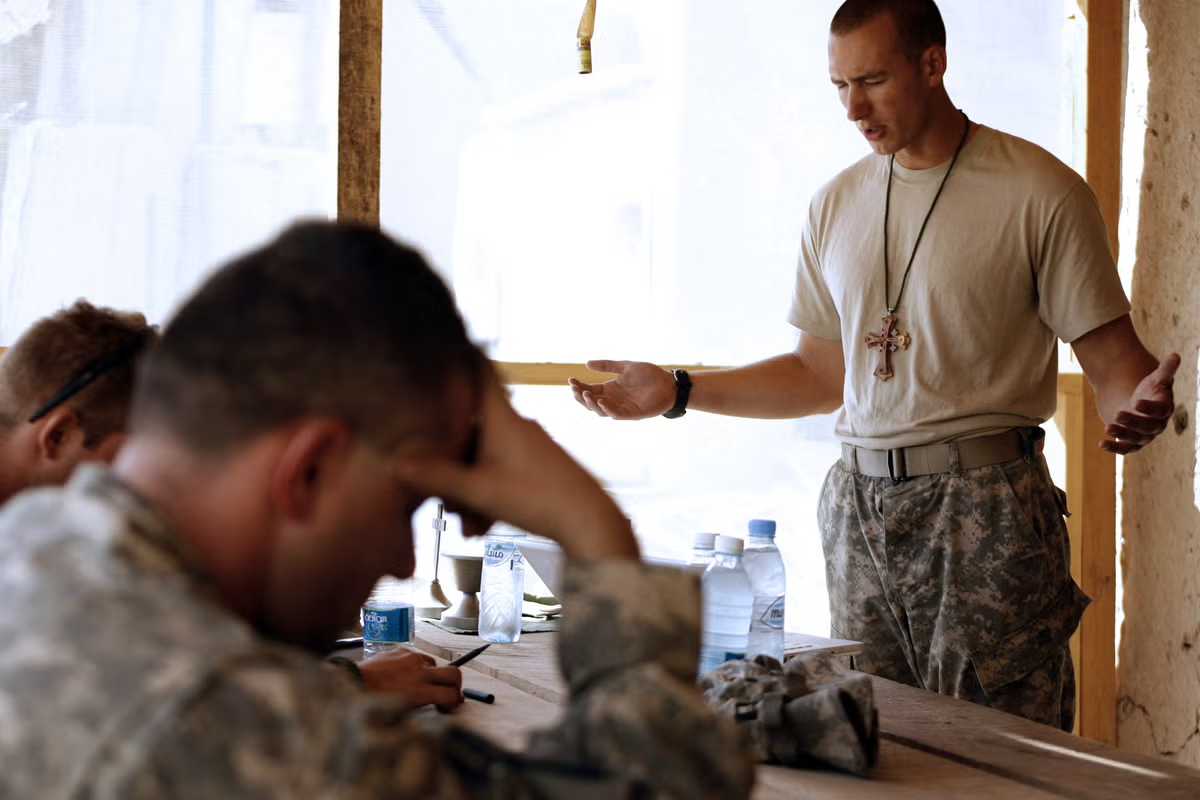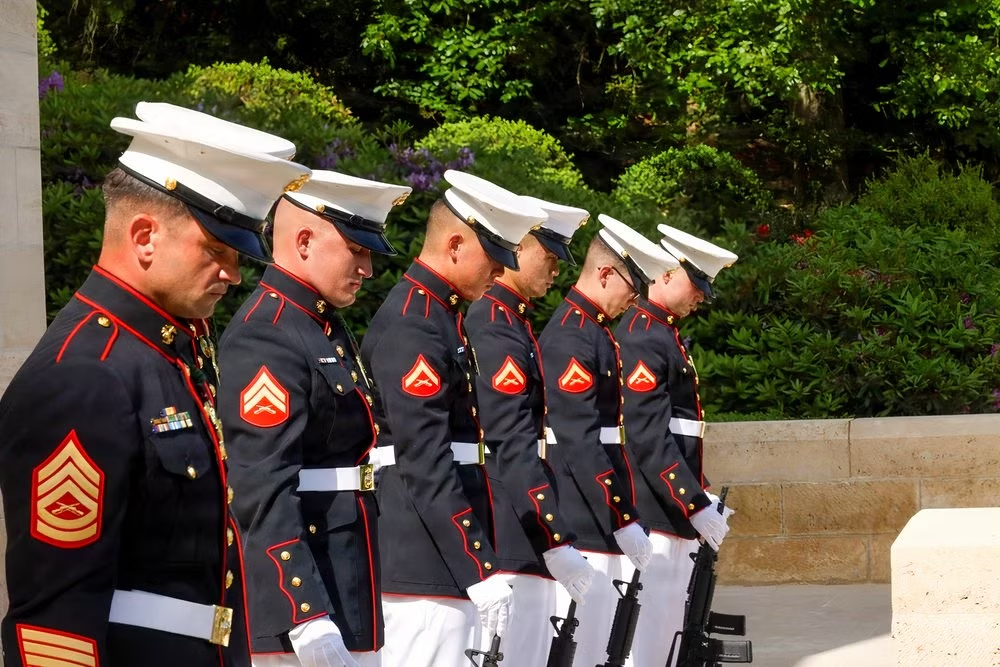
As the United States prepares to celebrate the 250th anniversary of its founding, the military is once again confronting a question almost as old as the nation itself: What does religious freedom look like inside an institution built on discipline, uniformity and readiness? The debate isn't new. Chaplains have served alongside American troops since the Continental Army. Service members have long balanced personal convictions with military requirements. But over the past two years, the Department of Defense has quietly implemented a series of policy changes that collectively offer perhaps the clearest snapshot yet of where faith stands inside today's armed forces. Some changes have been administrative. Others have been highly symbolic. Together, they touch nearly every aspect of religious life in uniform, from how the Pentagon recognizes religious affiliation and processes requests for religious accommodations to how military chaplains present themselves and how commanders evaluate issues such as beards and other faith-based grooming practices. None of the changes alter the military's obligation to protect the constitutional right to the free exercise of religion. Instead, they reflect an evolving effort to balance individual religious liberty with military readiness, good order and discipline.
180 Faiths Dropped, New Rules on Facial Hair: The State of Faith in Today's Military
As America turns 250, recent Pentagon changes to faith policies, chaplains and religious accommodations are reshaping military service.
1,237 words~6 min read