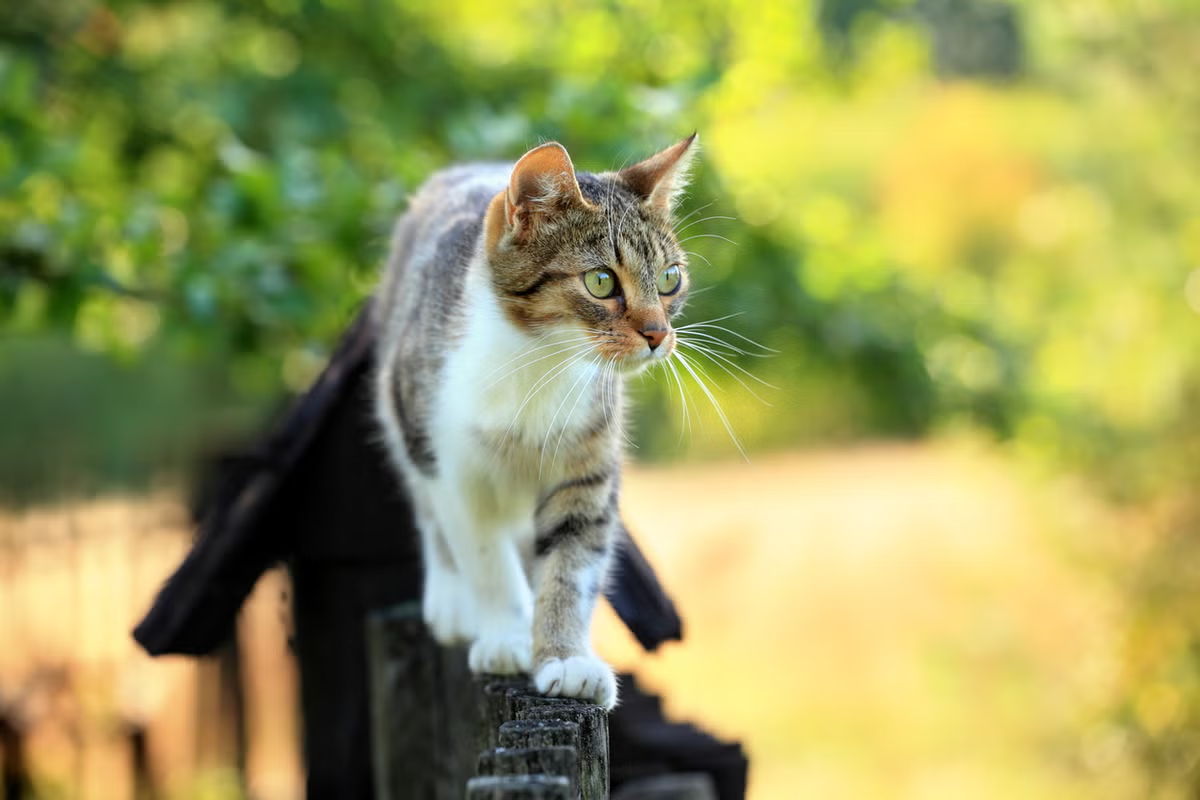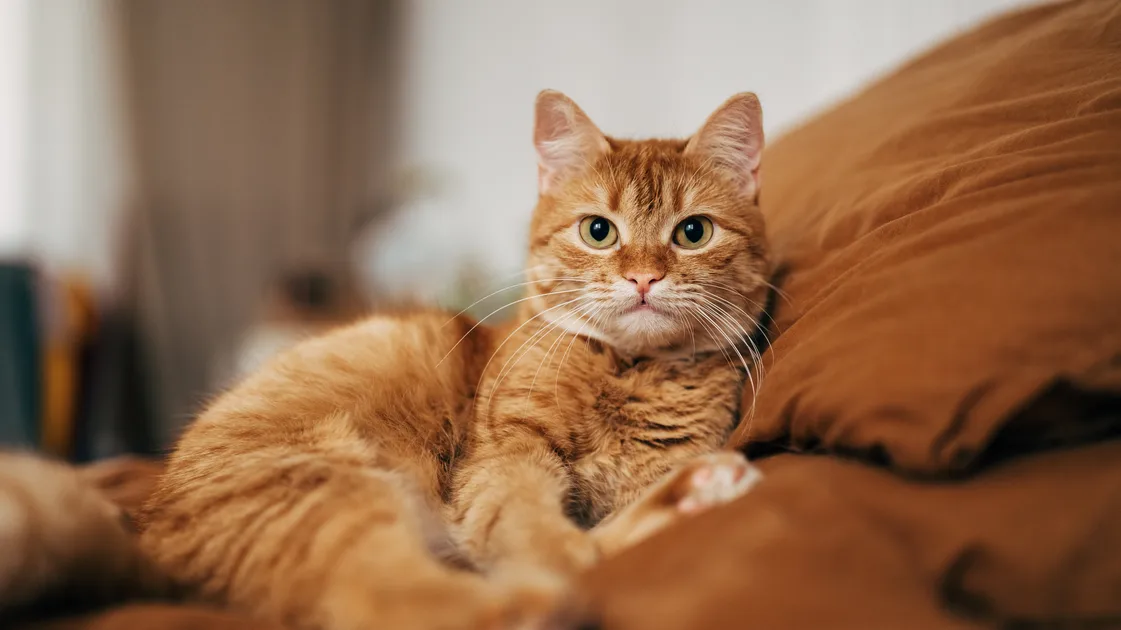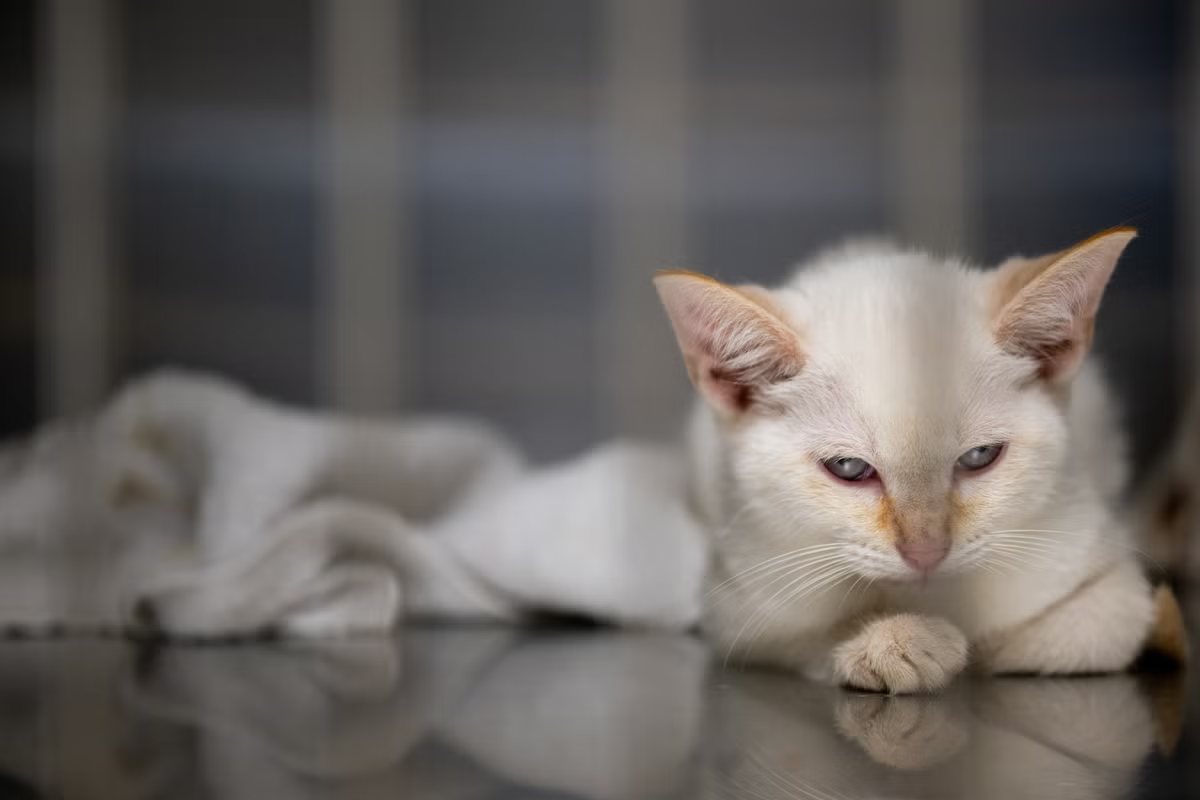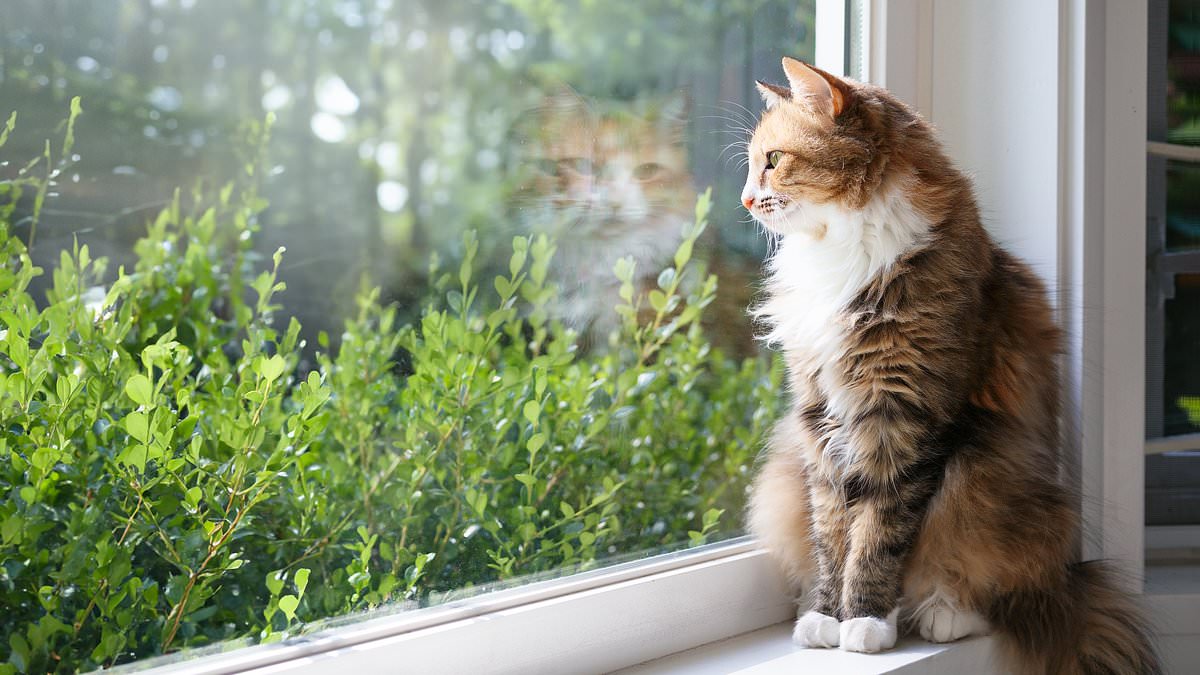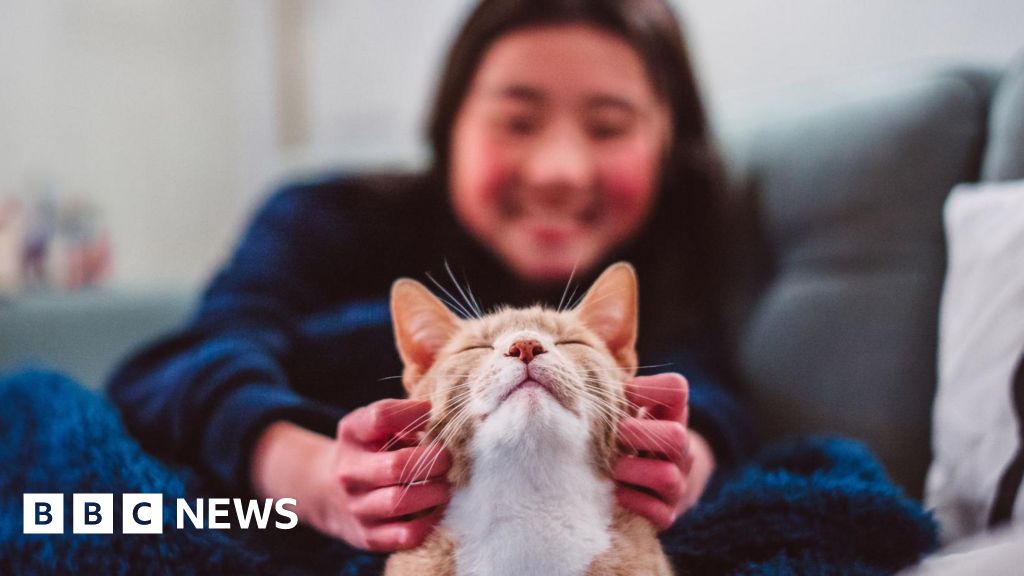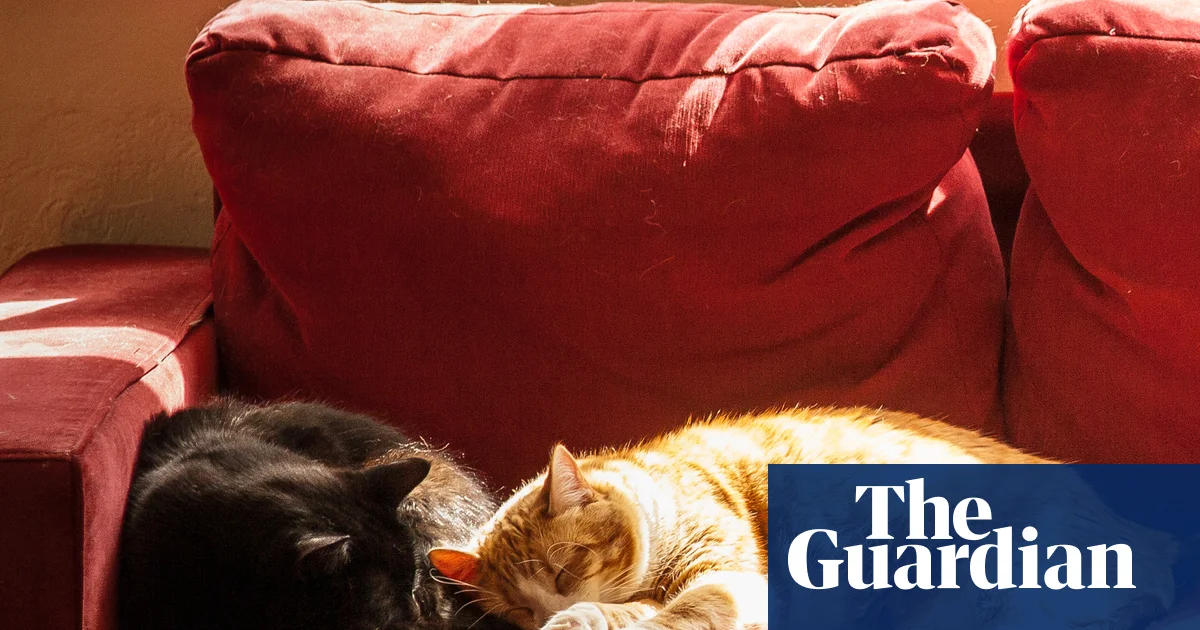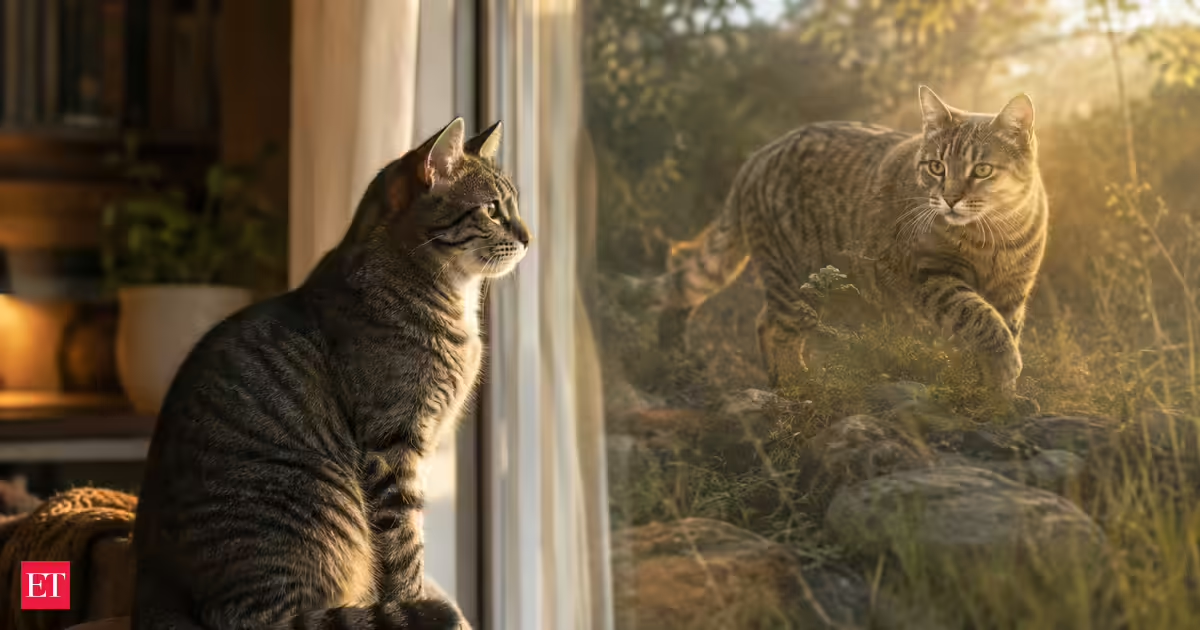
For millions of Americans, it's completely normal to see a cat curled up on the couch, watching birds through a window or claiming the warmest spot in the house. But indoor living is a surprisingly new chapter in the long history of domestic cats in the United States. The first cats that arrived with European settlers weren't pampered pets at all. They were hardworking mousers brought aboard ships and into homes, barns, and trading posts to keep rats under control.It took centuries for cats to make the transition from outdoor workers to beloved indoor companions. Even though their lifestyle has changed dramatically, their instincts and communication skills remain remarkably close to those of their wild ancestors. Understanding that history can help explain why your cat behaves the way it does today.When did cats start living indoors in the United States?Domestic cats first reached what is now the United States during the 1600s, arriving with European settlers and sailors. Their primary job was practical rather than affectionate. Rodents threatened food supplies, spread disease, and damaged cargo, making skilled hunters an essential part of everyday life.Cats didn't always live indoors in America. Here's when that changed—and the surprising ways they still communicate every dayFor the next several centuries, most American cats lived outdoors or moved freely between the house and the yard. Even families that loved their cats rarely kept them inside around the clock.The shift toward indoor living accelerated after World War II. By the 1950s and 1960s, suburban neighborhoods expanded rapidly, commercial cat food became widely available, and modern cat litter made it much easier to care for cats indoors. Veterinary medicine also improved, encouraging owners to view cats as long-term family companions rather than working animals.ALSO READ: What makes orange kittens so popular in American homes? The real reasons go beyond their adorable looksDuring the 1980s and 1990s, veterinarians and animal welfare organizations increasingly recommended keeping cats indoors to reduce the risks of vehicle accidents, infectious diseases, predators, poisoning, and other outdoor dangers. Today, many American households keep their cats primarily or entirely indoors, reflecting a major cultural change from just a few generations ago.How do cats communicate if they can't speak our language?One of the biggest misconceptions about cats is that they communicate mainly by meowing. In reality, cats use three different communication systems that often work together: visual signals, vocal sounds, and scent. Visual communication includes body posture, tail position, ear movement, facial expressions, and the famous slow blink that many owners recognize as a sign of trust. A high, relaxed tail often signals confidence and friendliness, while flattened ears or a puffed-up tail usually indicate fear or stress.Did America's indoor cats always live inside, or did centuries outdoors shape the secret ways they still communicate with humans today?Vocal communication is more familiar to people. Cats may meow, chirp, trill, purr, hiss, growl, or yowl depending on the situation. Interestingly, adult cats rarely meow at one another. Many researchers believe that frequent meowing developed largely as a way to communicate with humans, who naturally respond to vocal cues.The third system—scent communication—is the one people notice the least. Cats leave scent from glands located around their cheeks, forehead, chin, paws, and tail area. When your cat rubs against your leg or furniture, it isn't just asking for attention. It's also marking familiar territory with its scent, helping create a safe and recognizable environment.Why do indoor cats still act like hunters?Living indoors hasn't erased thousands of years of feline evolution. Your house cat still carries many of the same instincts as its wild relatives.That explains why indoor cats stalk toy mice, chase laser dots, pounce on moving shadows, and spend long periods watching birds or squirrels through a window. These activities satisfy natural hunting behaviors even when food arrives in a bowl every day.Experts generally recommend giving indoor cats opportunities to climb, scratch, hide, and play with interactive toys. Puzzle feeders, climbing trees, scratching posts, and short daily play sessions can provide valuable mental and physical stimulation. Window perches also let cats observe the outside world safely while remaining protected from traffic, predators, and disease.The story of indoor cats is a reminder that while their surroundings have changed dramatically over the past century, their instincts have not. Every slow blink, gentle chirp, tail flick, and affectionate head rub reflects behaviors shaped over thousands of years.The next time your cat rubs against your leg or silently watches the backyard from a sunny window, you'll know you're seeing ancient instincts at work inside a thoroughly modern American home.
Did America's indoor cats always live inside, or did centuries outdoors shape the secret ways they still communicate with humans today?
Cats lived outdoors for centuries before becoming indoor pets in the US. The biggest shift came after the 1950s as safer homes, cat litter, commercial pet food, and better veterinary care changed how Americans raised cats. Yet modern house cats still communicate through body language, meows, and scent marking—just like their wild ancestors.
757 words~3 min read