Search+Intelligent InvestingSynopsisRevenue is not always the amount written on the invoice. The final number can change because of rebates, returns, penalties, warranties, customer incentives, or long credit periods where part of the amount is actually interest. Revenue can also look bigger than it really is when a company shows the full transaction value, even though it has earned only a fee or commission. This story goes beyond the first question of whether a sale happened. It asks the next one: How much of that sale was truly the company’s revenue?Even when sales are real, the revenue numbers can still be wrong. Yes, that might sound strange; but the fact is that this happens in India. One of the reasons why we are focusing on how to find bad apples these days is because of the fact that when markets are in bearish phase, these bad apples tumble out. It happens because when markets are bullish, a number of companies manipulate their books to show to the street that they are doing well, so ETMarkets.com 33 mins read, Last Updated: Jul 08, 2026, 04:09:00 PM ISTGift this Story to your friendsFONT SIZEAbcSmallAbcMediumAbcLargeSAVEPRINTCOMMENTContinue reading with one of these options:Limited AccessFreeLogin to get access to some exclusive stories & personalised newslettersLogin NowUnlimited AccessStarting @ Rs120/monthGet access to exclusive stories, expert opinions & in-depth stock reportsSubscribe NowETUh-oh! This is an exclusive story available for selected readers only.Worry not. You’re just a step away.What’s Included withETPrime Membership
This is how a company tricks you into thinking it's bigger than it is in reality
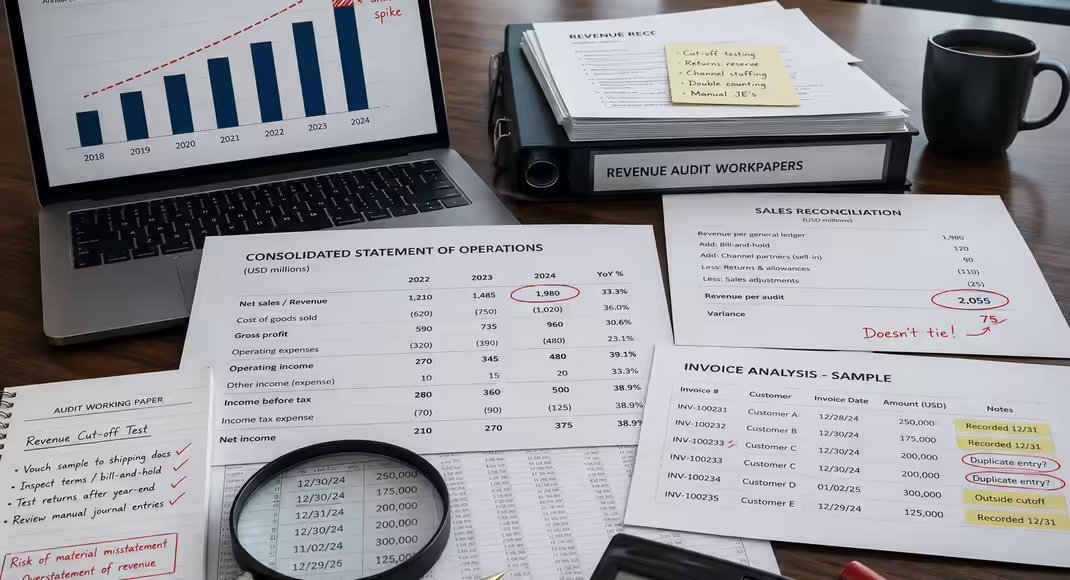
Revenue is not always the amount written on the invoice. The final number can change because of rebates, returns, penalties, warranties, customer incentives, or long credit periods where part of the amount is actually interest. Revenue can also look bigger than it really is when a company shows the full transaction value, even though it has earned only a fee or commission. This story goes beyond the first question of whether a sale happened. It asks the next one: How much of that sale was truly the company’s revenue?
593 words~3 min read