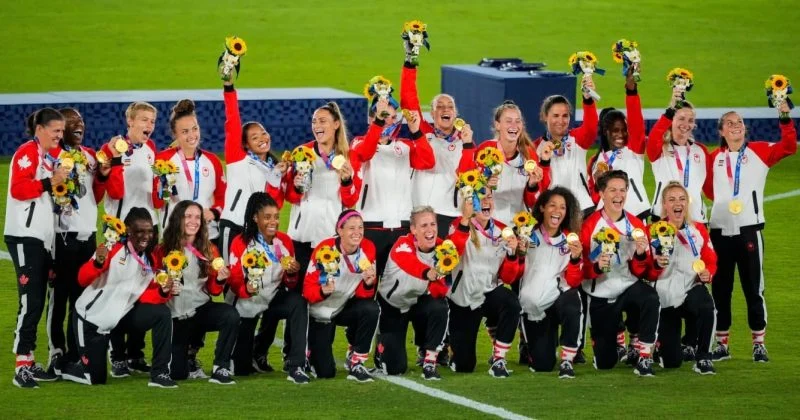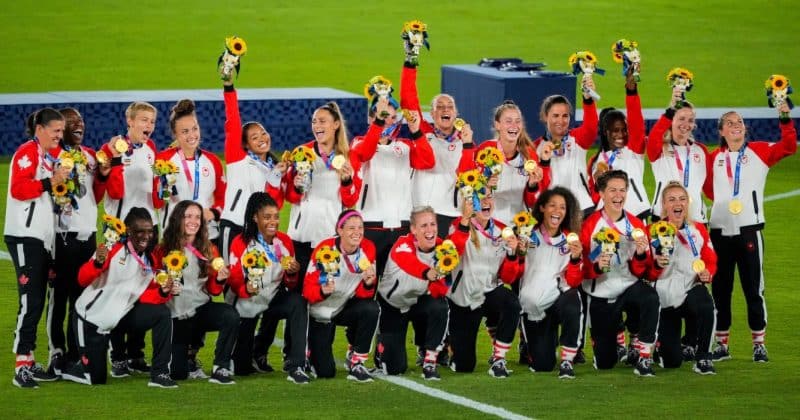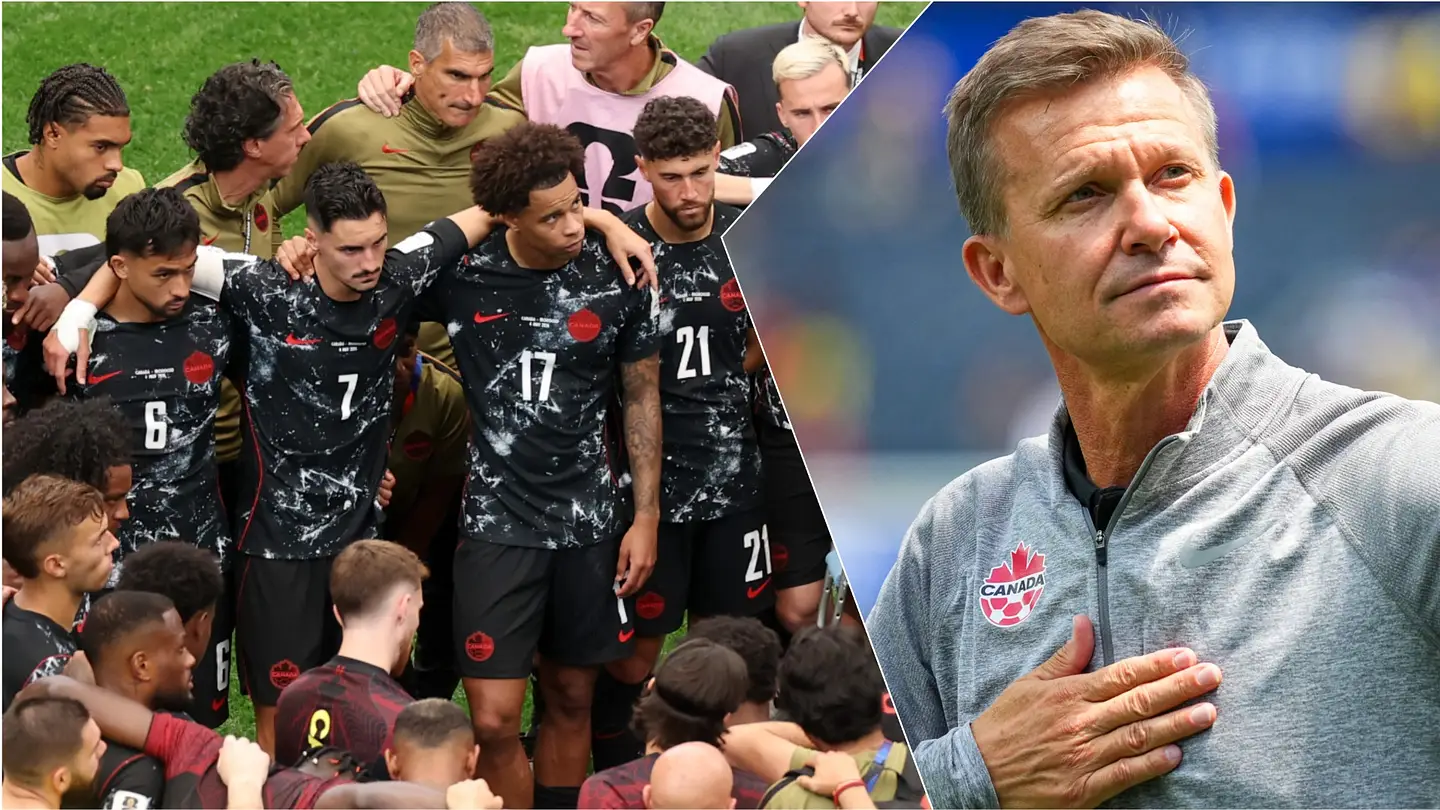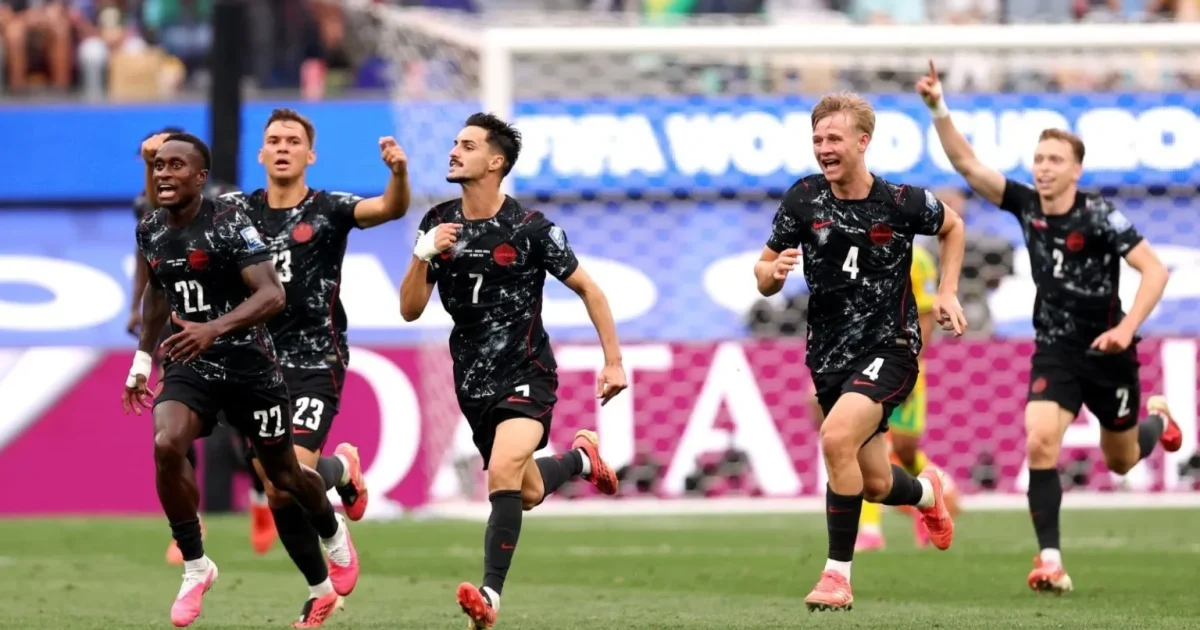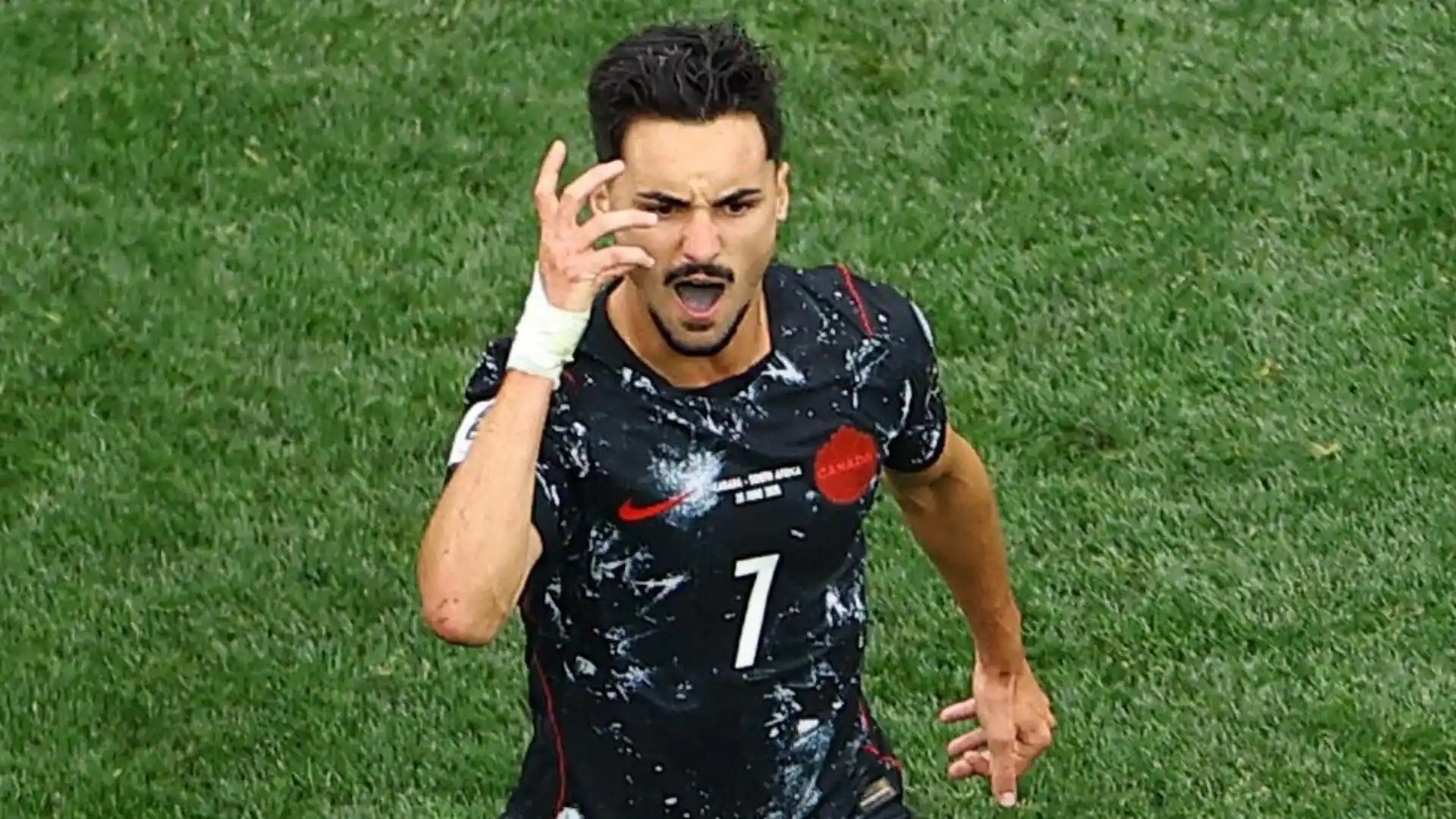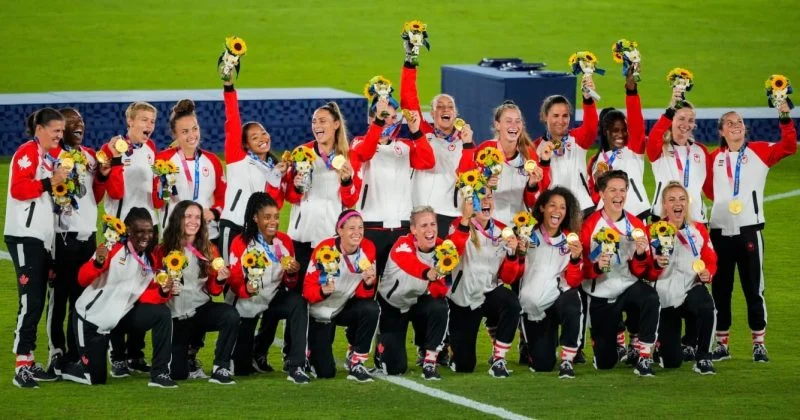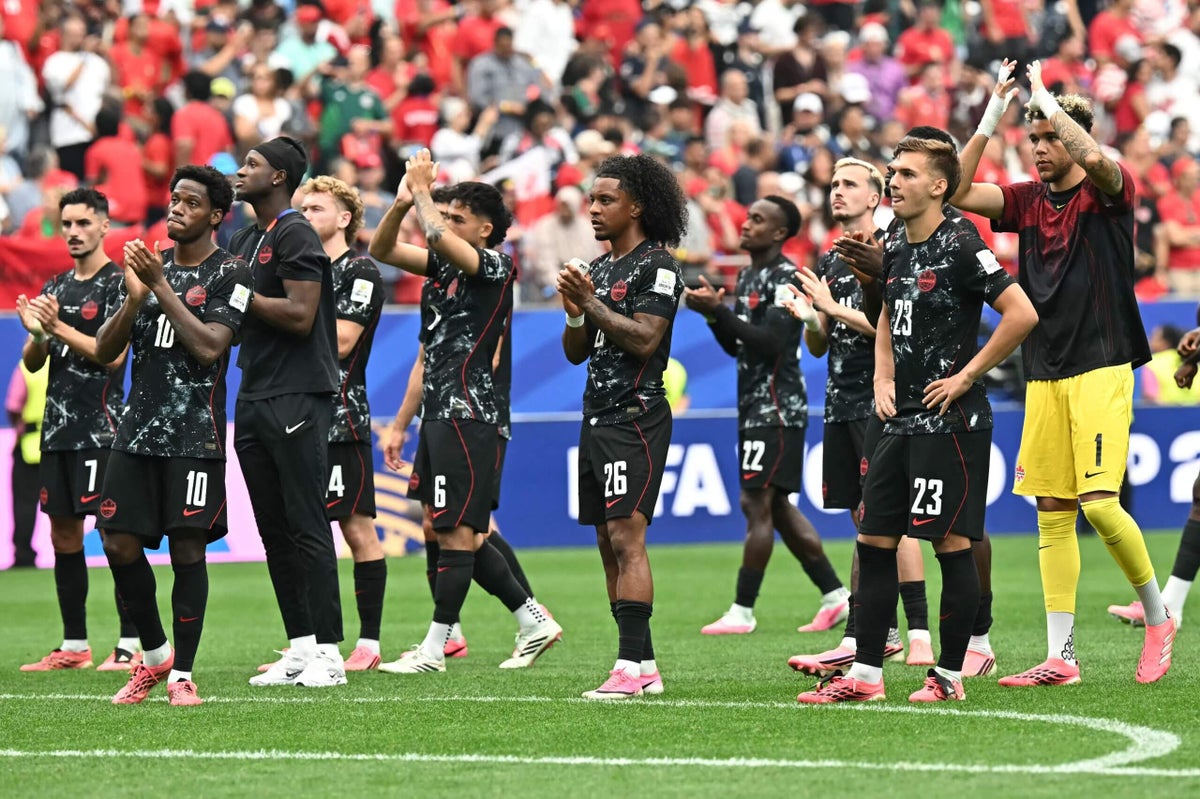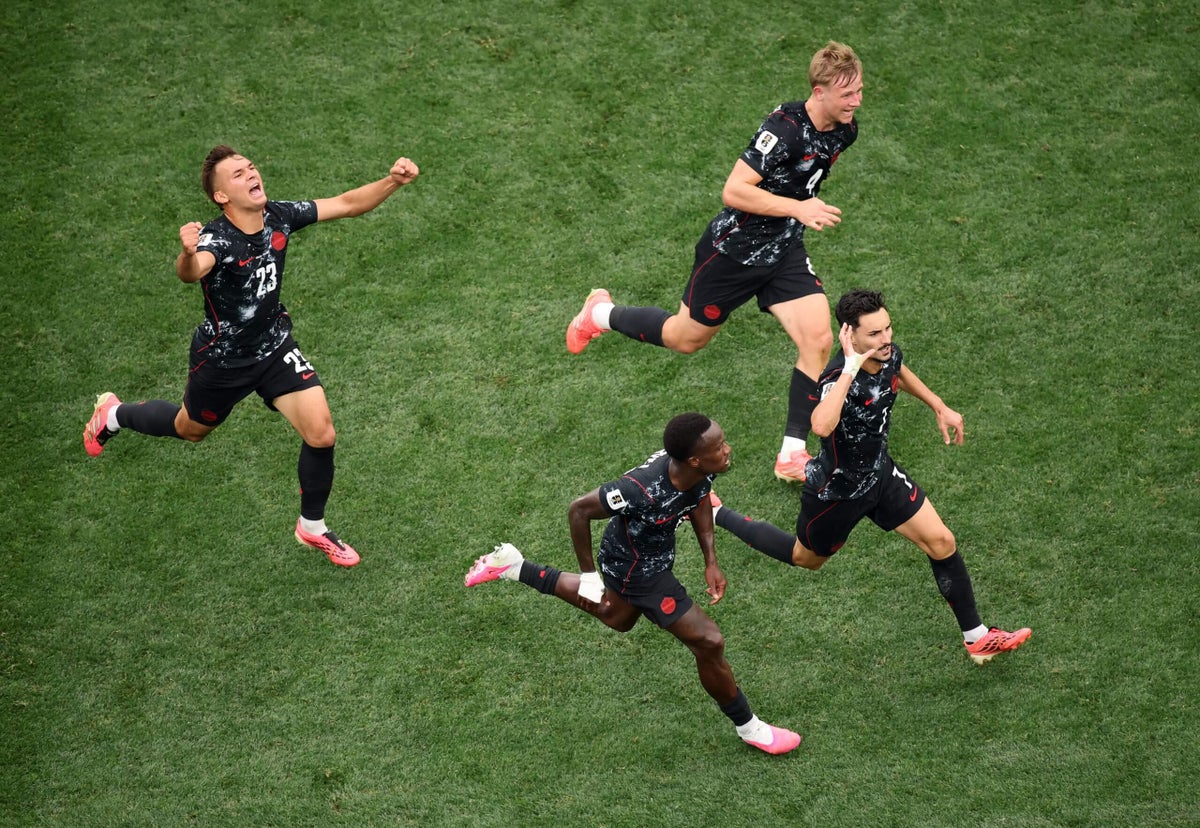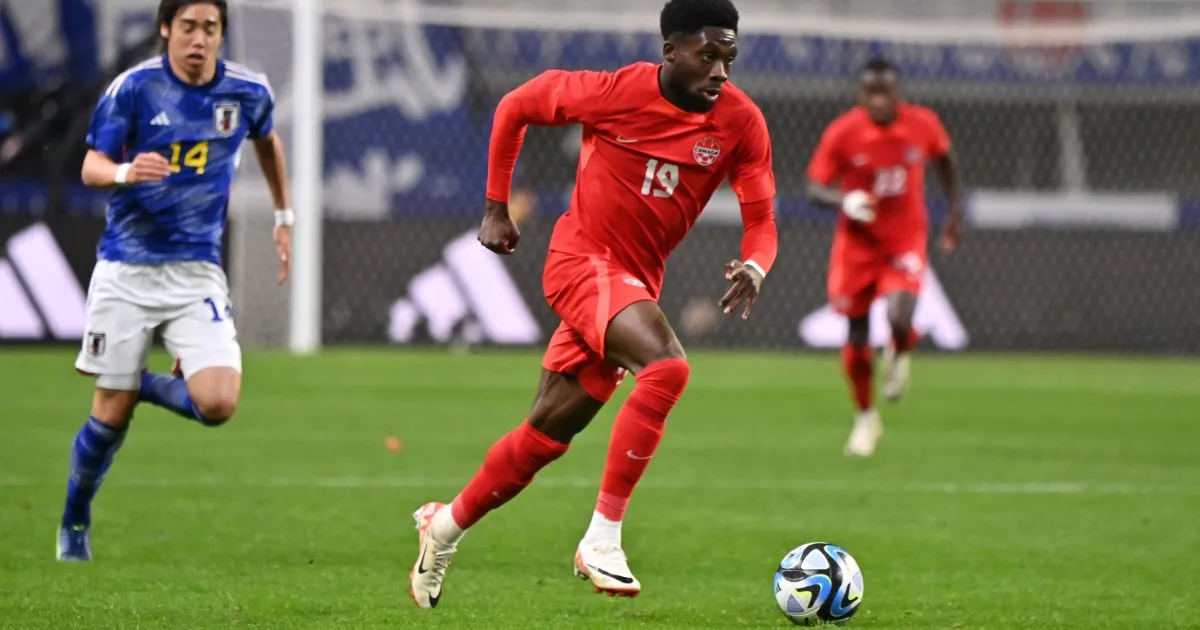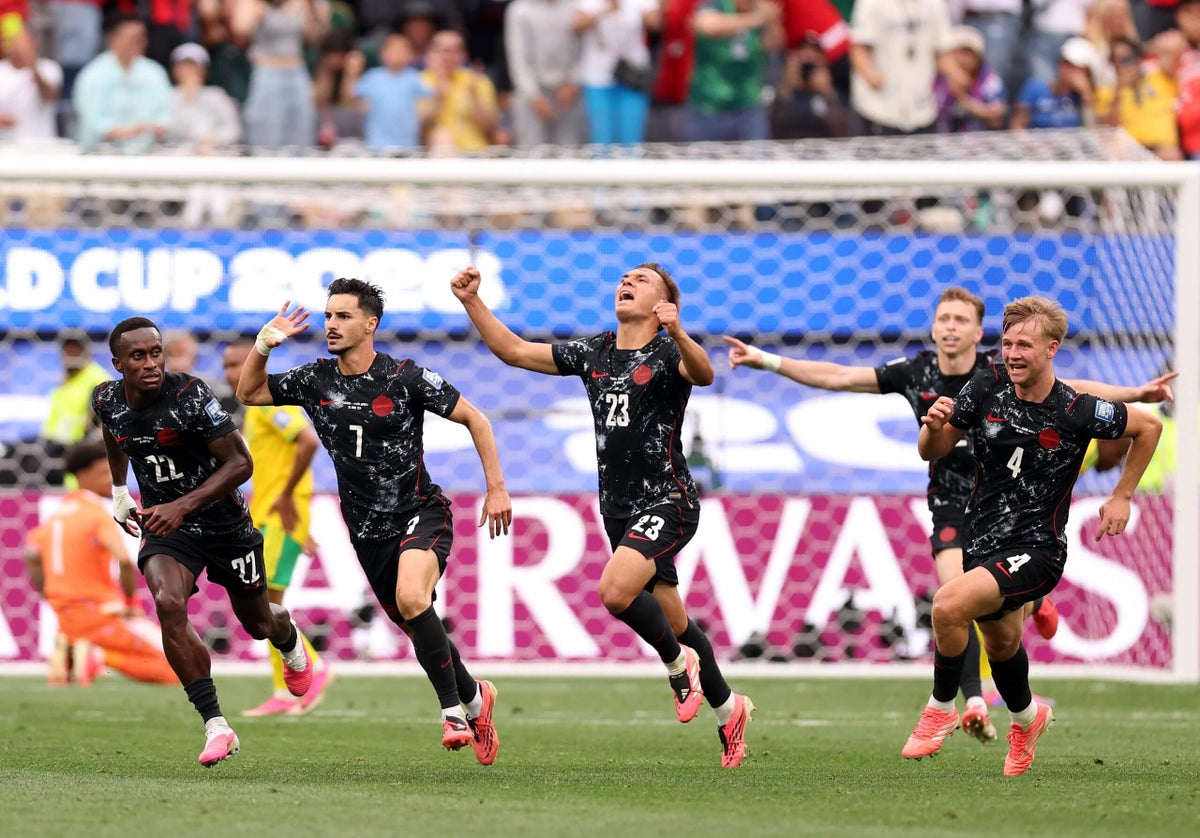
It was the lowest point in modern Canadian soccer history.On October 16, 2012, Stephen Hart, then the head coach of the Canadian men’s national team, awoke in the Honduran city of San Pedro Sula with a sinking feeling in his stomach. That night, his lads would play Honduras there, in the hopes of reaching the final round of Concacaf World Cup qualifying for the 2014 World Cup.But Canada’s chartered flight to the Central American nation had mechanical issues and landed later than anticipated. Players lost sleep after going down with food poisoning. The noise of local fans outside the team’s hotel became unnerving. Multiple players were hit by injury.The Canadians would become intimidated when rumours spread through the squad that Honduras players were being offered land and homes by their government if they won the game and reached that final round of qualifying, then known as “The Hex” (so called as six teams would be remaining). Canada had last reached “The Hex” when trying to get to the 1998 World Cup.Canada only needed a draw to move on. Had that team qualified for the 2014 finals, soccer’s growth in the country would have accelerated.But Hart knew the truth.Get free access to the most comprehensive World Cup coverage in The Athletic app“We had to use players that weren’t quite ready yet,” Hart said of how injuries had hit the team’s talent pool. “We didn’t only lose players of quality. We lost leadership.”Canada was humiliated, 8-1. Honduras was a soccer country. Canada was not.“It remains my pain,” Hart told The Athletic.Hart had done incredible work to raise the level of creativity in the squad. But that loss still marked the beginning of the lowest point in men’s national team history.Canada cratered. Two years after the loss, Canada had sunk to 122nd in world soccer governing body FIFA’s global rankings, the lowest in their history. In 2017, they were still only 120th. They had only qualified for the World Cup once, in 1986.Teams ranked 122nd are not supposed to win a World Cup knockout-phase game and qualify for the round of 16 just 12 years later. But that’s exactly what Canada has done, with a date against Morocco upcoming where a quarter-finals spot will be on the line.Many Canadians know the story of their men’s national team’s wild and rapid rise towards soccer’s upper echelon. But many more outside of the country do not.This is how Canada moved from a forgotten soccer nation into one that has surprised the world.Multiculturalism and dual nationalsCanada’s reputation as a multicultural melting pot is deserved: according to the 2021 national census, 23 percent of the population is foreign-born.The birthdate of Canada as a multicultural country, and the influence that had on the men’s national soccer team? October 8, 1971. Canada’s then prime minister, Pierre Trudeau, delivered a speech in federal parliament that shaped its future.“There is no official culture, nor does any ethnic group take precedence over any other,” Trudeau said. “No citizen or group of citizens is other than Canadian, and all should be treated fairly.”Official policies of multiculturalism and bilingualism followed. Canada’s doors swung open to the outside world. And when people arrived here from Europe, Africa and Asia, they brought with them their love and institutional knowledge of soccer — a fringe sport at best in Canada at the time.Over the multiple generations that followed, people from around the world moved to Canada and began having children who played the game. Soccer took hold in Canada because of the roots those from outside the country laid down.“As early as 2007, there was a certain demographic of players coming through,” Hart said. “Canada’s demographic was changing. We had more immigrants coming from the Caribbean region, the African regions, and they were making themselves known, whether it be MLS or playing in the smaller leagues in Europe. And there was a breakthrough of these players into the national team. Whether it’s a breakthrough or an introduction, it’s all the same.”The Canada team at this World Cup is a reflection of the nation’s diversity. (Cole Burston / AFP via Getty Images)The offshoot of an official policy of multiculturalism was the role of dual-nationals in Canada’s team. Dual-nationals are players who, through the birthplace of their parents or grandparents, can represent both Canada and another country.Canada Soccer’s ability to attract dual-nationals and convince them that their men’s national team had a bright future should not be undersold.Those efforts truly began with former Canada Soccer president and current Concacaf president Victor Montagliani.Montagliani flew to the UK in 2015 to try to convince Junior Hoilett to play for Canada instead of Jamaica. Hoilett, born in Brampton, near Toronto, to parents of Jamaican descent, was playing in the Premier League for Queens Park Rangers at the time.Consider how monumental it would have been for a team ranked 102nd in the world at that time to land a Premier League player. Calling it a coup would be an understatement.“(Montagliani) was very supportive and patient with my decision,” Hoilett told The Athletic.There is a reason Hoilett, who was in consideration for Canada’s World Cup squad this summer at age 36, is referred to as the “OG” of this team: he was its paternal voice for years. After he decided to represent Canada, more and more players saw the choice as a valid one.“Canada Soccer was lucky to have a president who was very supportive (of dual-nationals) at that moment,” Hoilett said.Junior Hoilett’s decision to play for Canada was a key moment. (Matthias Hangst / Getty Images)Montagliani’s work was taken on by John Herdman, the Canada men’s team head coach from 2018 to 2023, who also excelled at convincing dual-nationals such as Stephen Eustáquio — who scored in stoppage time against South Africa in the round of 32 to send Canada through — to play for a team whose World Cup prospects seemed grim. Finally, current head coach Jesse Marsch’s efforts to land dual-nationals have been impressive.Add it up and it’s impossible to imagine Canada being in the last 16 of a World Cup without official policies of multiculturalism and the dual-nationals that stemmed from that policy: 15 of Marsch’s 26-strong World Cup squad this summer were born in Canada but are eligible to play for another country. Another seven were born elsewhere, including starters Jonathan David, Ismael Kone and Luc de Fougerolles.Many developed outside Canada but still connected with it in their own ways.Consider Eustáquio: the biggest goal in Canadian men’s soccer history came seven years after he agreed to switch allegiances, having represented Portugal at youth level. “It’s my time to give back to Canada,” Eustáquio told people close to him.Born in Canada, he left as a child and has lived most of his life in Portugal.His parents had emigrated to Canada. That might not have been possible without the country’s openness to newcomers from around the world and tolerance of different cultures.Canada would not be in the round of 16 this weekend without Eustáquio’s goal, making the genesis of Canada’s multiculturalism and their reliance on dual nationals a key component of their success.MLS comes to CanadaNothing has changed the men’s soccer landscape in Canada more than Major League Soccer expanding across the border with the United States in 2007, then again in 2011 and 2012.Before MLS made the move into Canada, attempts at starting full-time domestic soccer leagues quickly came and went. There was no true top-tier Canadian league when MLS announced in November 2005 that it was putting a team in one of the biggest cities in North America: Toronto.Soccer was often seen as a second-class sport in Canada because there were no true professional teams for its people to latch onto.But MLS expansion would prove to be a seminal point both for the league — which was on decent footing at that point — and the Canadian men’s national team. The high percentage of immigrants in Toronto meant soccer was incredibly popular there at the youth levels. But if you were a talented, young Canadian-born player in Toronto around the start of this century, your options to continue professionally were limited: you could take a chance with a semi-pro team or you could go abroad early.The former option meant players might not develop into elite athletes worthy of playing international soccer, and the latter is a lot to ask for players still in their teens and their families. Why should a Canadian have to head across the Atlantic Ocean to chase their soccer dream when an equally talented European-based player, for example, might just have to travel a few hundred kilometres down a highway to live and train in a professional environment?The outcome was predictable in Canada: without professional opportunities close to home, talented players might leave the sport.That changed when Toronto FC joined MLS. The Vancouver Whitecaps and Montreal Impact followed. With those teams came professional academies. And with those academies came genuine opportunities for the best players in Canada’s three biggest cities to be scouted and then train with professional coaches.Canada’s Richie Laryea of Toronto FC takes on Sergio Busquets of Inter Miami in an MLS game. (Chris Arjoon / Getty Images)MLS expanding into Canada became the first sign of a pipeline that would take players from their hometowns to the World Cup. MLS in Canada made the country’s talent pool deeper.You can make legitimate qualms about how poorly Toronto FC have treated young players and how few opportunities academy graduates have in the first team there, but the facts are still glaring: 11 players on Canada’s World Cup squad spent time at a Canadian MLS academy, and 10 more played for an MLS club.“It was just the best of the best being at the same place,” said midfielder Nathan Saliba, who delivered one of the best assists of the World Cup, about developing in Montreal’s academy. “You get into the environment of competition, which you’re not really used to in a local amateur club, and you play quality games every week. And just playing for something, having coaches behind you really trying to develop you and get you ready from a young age and being able to be with the first team of this academy, I felt like it was always really goal-oriented, rather than just playing for fun.”The advent of MLS after the U.S. hosted the 1994 World Cup was supposed to benefit American soccer long-term. MLS’s expansion ended up benefitting Canada’s men’s national team in irrevocable ways. Without that expansion, it’s impossible to see Canada having developed the kind of talent which has now propelled Saliba and company into the round of 16.“Having MLS teams and MLS academies come and then developing a CPL (Canadian Premier League),” Marsch said of what has led to the massive changes in Canada’s men’s national team. “Now all of a sudden, kids who play the game can have an outlet that is a little bit higher level and then have the right to dream, right?”Secrets of World Cup stadium playlistsGenerational star powerCome 2015, Hart was no longer with Canada Soccer but remained connected with its coaches. He was invited to a training camp for Canada’s under-15s team because, as he remembers, there were players involved he was told he just had to see. These teenagers who were about to play in the Torneo International tournament were different, Hart was promised.“I watched a couple of training sessions, and I said to myself, ‘These are genuine footballers that have a chance’,” Hart said.Those teenagers Hart was told to watch?Alphonso Davies and Jonathan David.“The ball and themselves,” he said of the pair, “just seemed comfortable.”Hart was watching the birth of the next — or arguably, first — generation of world-class Canadian players happen in real time. Both Davies and David were born outside the country but had been developed there. Both were blessed with outrageous, but raw, talent. Both represented a sea change.Alphonso Davies (No 19) and Jonathan David (No 10) have given Canada star power. (Robert Gauthier / Los Angeles Times via Getty Images)Where their pure talent came from, along with that of others who would come soon afterwards, is impossible to say. But Canada finally had household names who would go on to play in the UEFA Champions League, the likes of which they did not have 14 years ago.“They simply moved different,” Hart said of the teenage versions of Davies and David. “They were more composed in pressure situations, they were comfortable in tight spaces.”When considering the rapid growth of the Canadian men’s national team, a big bang of God-given talent born in the late 1990s and early 2000s can’t be overlooked. Tajon Buchanan, Liam Millar and Alistair Johnston, who all came into the world within a year of each other, are part of that bang.The stars were aligning, and multiple generational Canadian players, the likes of which the country’s youth teams had never seen, were emerging out of nowhere.While the genesis of their talent can’t be specifically defined, each player had their own important roles as part of the core of a national team.Soccer enters mainstream Canadian cultureWould Canada have gotten out of the group stage were it not for the terrific support through their three matches, all of which were on home soil?Could Canada have been propelled to a late tying goal against Bosnia and Herzegovina in their opening-game 1-1 draw and their ridiculous goal differential in a thrilling 6-0 win over Qatar in the second were it not for the electric crowds in Canada?And bigger picture: could they have done so without near-total buy-in from the Canadian public into soccer, a sport once viewed as a strange game compared to the national obsession, ice hockey?The changes to Canadian soccer culture since those dark days around a decade ago have been remarkable.Canadian fans have been a big part of the team’s success this summer. (Fran Santiago / Getty Images)There has been more public and private investment in the sport, from government and private donors. That has led to more training camps. The increased private investment in the sport came as Canada began to rise under Herdman’s watch. That funding didn’t exist in Hart’s time.“There were always a lot of coaches working very hard to do whatever was necessary for the national team,” Hart said, “but it was on a shoestring.”Canada finally has a viable domestic league: the Canadian Premier League, now in its eighth season. While only one men’s national team player spent time in the CPL (defender Joel Waterman), it has entrenched itself in multiple communities, providing an outlet for fans to deepen their appreciation of the sport. That has led to heightened national-team support.The popularity of the sport has benefitted from newfound media investment.OneSoccer, Canada’s soccer-focused subscription streaming service, was created to capitalize on the birth of the CPL. It also invested in broadcasting Canada’s men’s national team games. This comes after years when Canada Soccer had to pay domestic television stations to get their matches on air.For this World Cup, credit has to be given to Bell Media and TSN, Canada’s host broadcasters. They have gone above and beyond with the investment in programming to deliver an exceptional product.All these factors have in turn led to more interest in the men’s national team — the women won Olympic gold in 2021 after taking bronze in 2012 and 2016, got to the semi-finals of the 2003 World Cup and have been Concacaf champions twice and runners-up six times — and more confidence from casual fans in supporting them.Calling Canada a “soccer country” in 2012 would have been a stretch.Just 14 years later, Canada’s men are still in this World Cup, alongside plenty of other nations who are soccer countries through and through.After multiple important moments in the sport’s evolution, there is no more debate: Canada deserves to be where it is as a soccer country, once and for all.
How Canada got good at soccer: From 122nd in the world to last 16 of the World Cup
How Canada staged its remarkable rise from a fringe soccer nation to a genuine force in just 14 years
2,645 words~12 min read