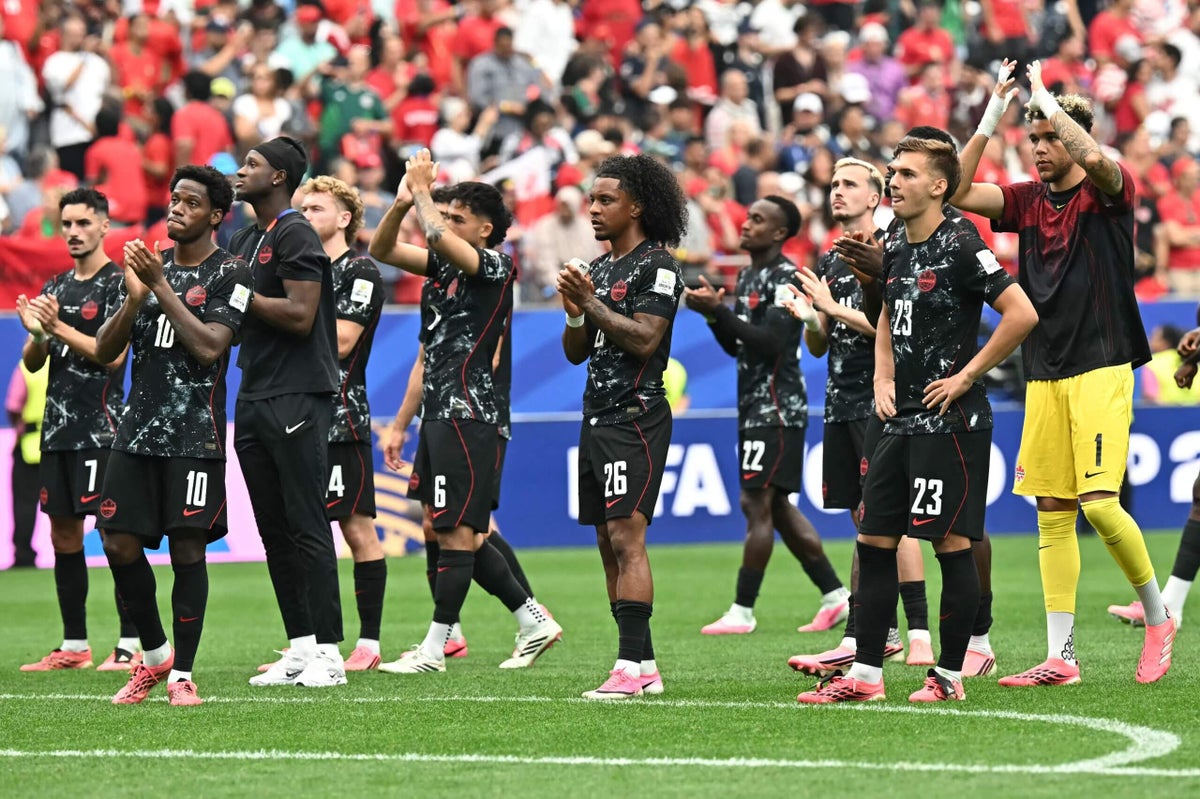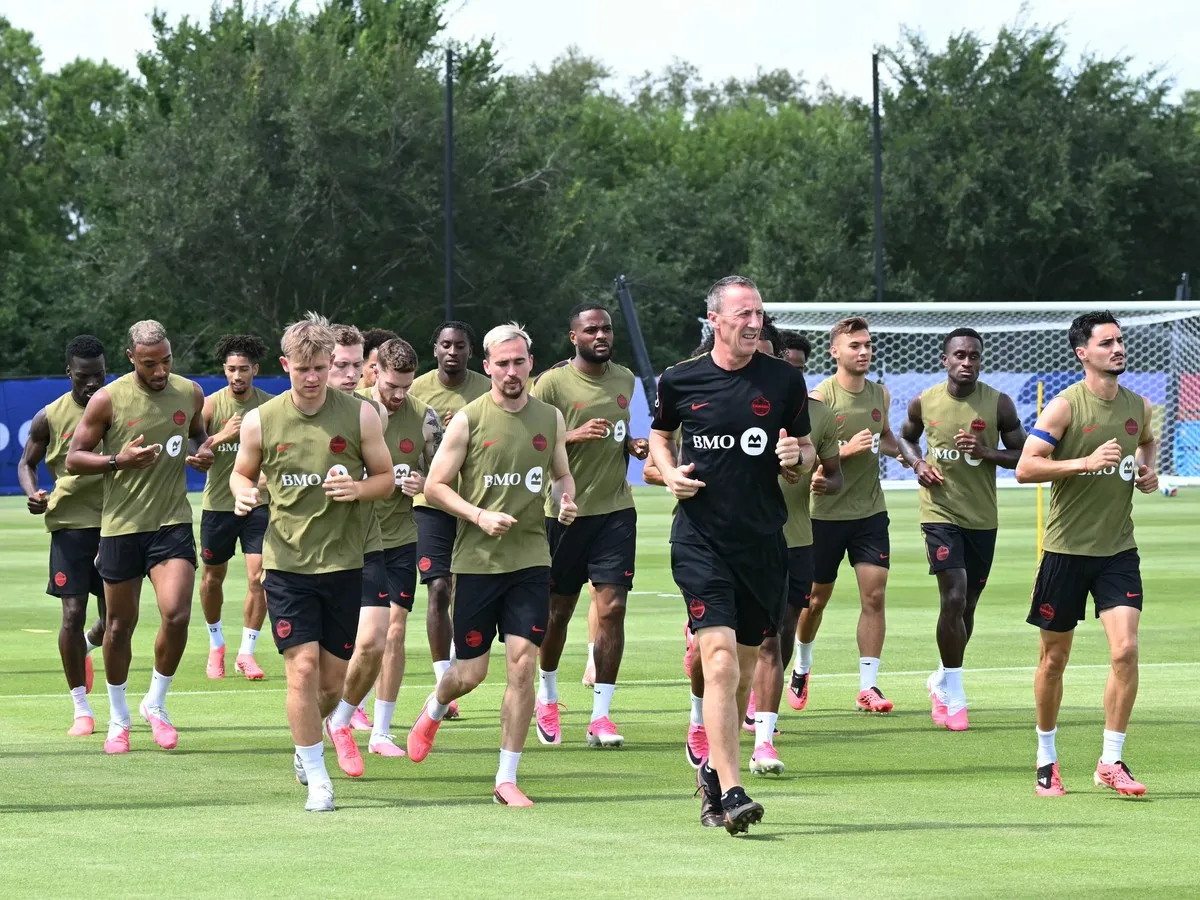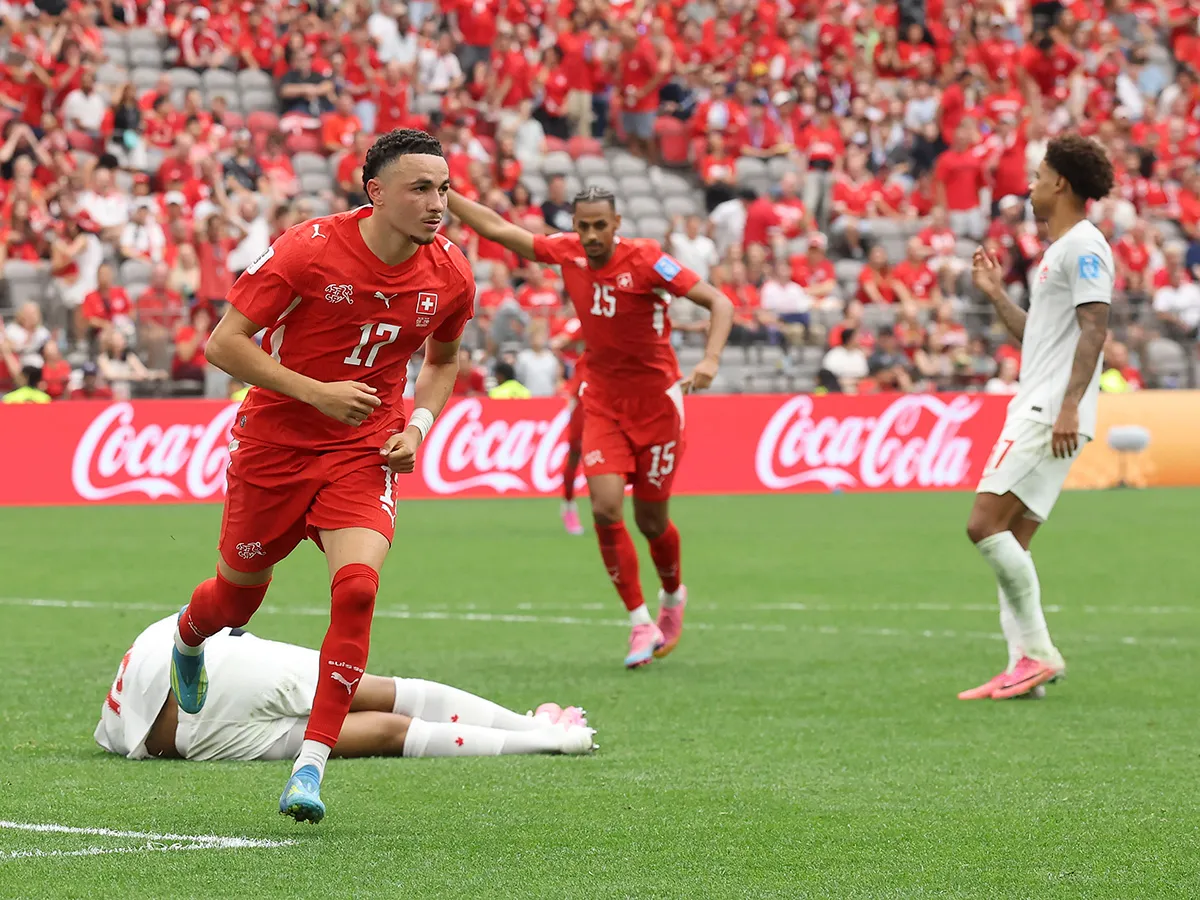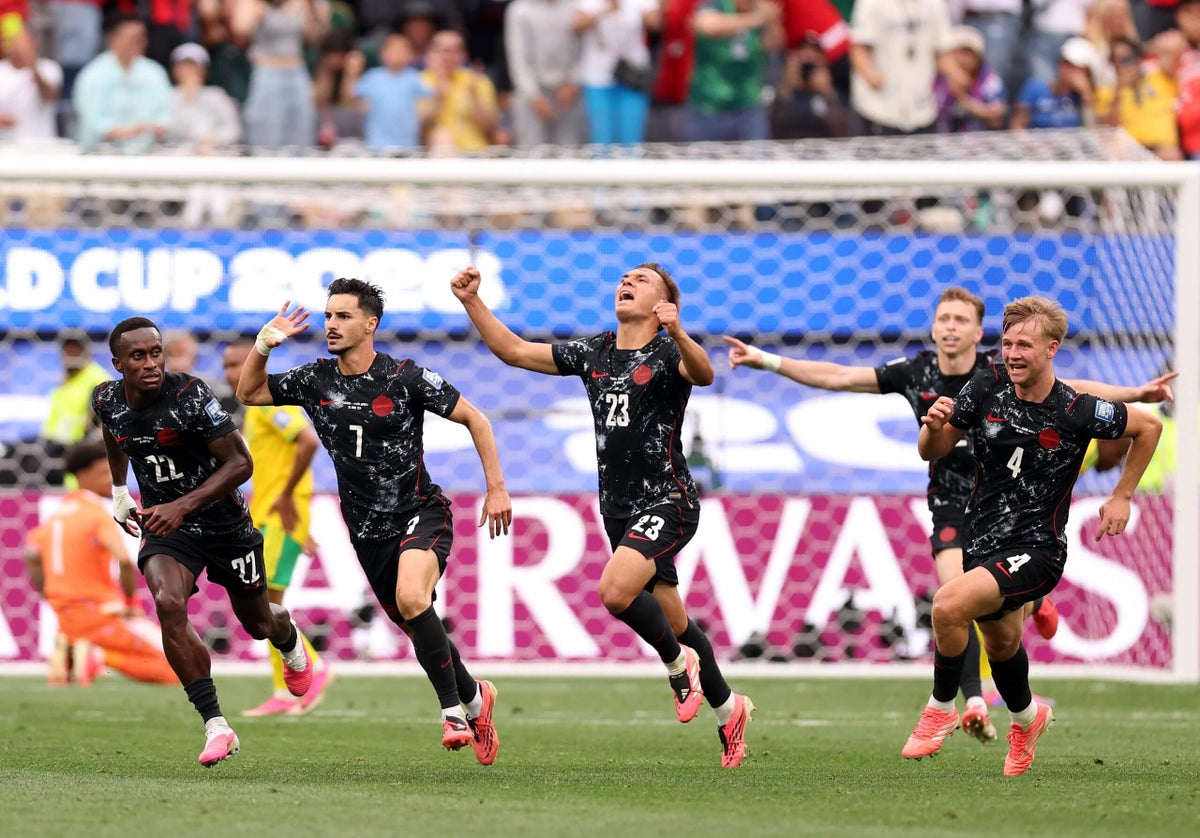
Skip to Content Subscribe Our Offers My Account Manage My Subscriptions FAQ Newsletters Canada Canadian True Crime Canadian Politics Health World Israel & Middle East Financial Post NP Comment Longreads Puzzmo Diversions Comics NP News Quiz New York Times Crossword Horoscopes Life Eating & Drinking Style Sponsored Play for Ontario Travel Travel Canada Travel USA Travel International Cruises Travel Essentials Culture Books Celebrity Movies Music Theatre Television Business Essentials Advice Lives Told Tails Told Shopping Buy Canadian Home Living Outdoor Living Kitchen & Dining Tech Style & Beauty Personal Care Entertainment & Hobbies Gift Guide Travel Guide Amazon Prime Day Deals Savings National Post Store More Sports Hockey Baseball Basketball Football Soccer Golf Tennis Driving Vehicle Research Reviews News Gear Guide Obituaries Place an Obituary Place an In Memoriam Classifieds Place an Ad Celebrations Working Business Ads Archives Healthing Epaper Manage Print Subscription Profile Settings My Subscriptions Saved Articles My Offers Newsletters Customer Service FAQ Newsletters Canada World Financial Post NP Comment Longreads Puzzmo Diversions Life Shopping Epaper Manage Print Subscription HomeSportsSoccerStinson: Can FIFA World Cup 2026 be Team Canada's next leap forward in soccer?The men's national team had been a laughingstock for decades, but became a regional powerhouse. Can it conquer the world next? You can save this article by registering for free here. Or sign-in if you have an account.Canada celebrates taking the lead against the Republic of Ireland during the first half of a FIFA international friendly on June 5, 2026. Evan Buhler/Postmedia NetworkWe independently select everything we recommend. Buying through us may earn us a commission, which supports our work.See more Toronto Sun on Google — save as a Preferred Source Enjoy the latest local, national and international news.Exclusive articles by Conrad Black, Barbara Kay and others. Plus, special edition NP Platformed and First Reading newsletters and virtual events.Unlimited online access to National Post.National Post ePaper, an electronic replica of the print edition to view on any device, share and comment on.Daily puzzles including the New York Times Crossword.Support local journalism.Enjoy the latest local, national and international news.Exclusive articles by Conrad Black, Barbara Kay and others. Plus, special edition NP Platformed and First Reading newsletters and virtual events.Unlimited online access to National Post.National Post ePaper, an electronic replica of the print edition to view on any device, share and comment on.Daily puzzles including the New York Times Crossword.Support local journalism.Create an account or sign in to continue with your reading experience.Access articles from across Canada with one account.Share your thoughts and join the conversation in the comments.Enjoy additional articles per month.Get email updates from your favourite authors.Create an account or sign in to continue with your reading experience.Access articles from across Canada with one accountShare your thoughts and join the conversation in the commentsEnjoy additional articles per monthGet email updates from your favourite authorsSign In or Create an AccountorThe popularity of the Canadian national men’s soccer team may have exploded in recent years, but for those who have closely followed the program for decades, there is a moment that is widely remembered as a low point.It’s known in those circles by its shorthand: 8-1.Ask just about anyone who considers themselves a long-time supporter of the men’s team of when it hit rock-bottom and they won’t need to add any more context: 8-1 is the whole answer.But for those who weren’t paying attention in 2012, which includes the vast majority of Canadian sports fans, the context is this: The national team had arrived at the end of a qualifying stage for the 2014 World Cup needing just a point from its final game against Honduras to advance to the final round of qualification.At that point the men’s team had only ever made one World Cup, back in 1986, but the squad had a stout defence and was finally showing promise.Then it surrendered four goals in the first 32 minutes in San Pedro Sula and the dream was over. The 8-1 scoreline was no fluke, Canada had been crushed.Alex Ho remembers it well.Now a member of the executive leadership of The Voyageurs, the supporters group of Canada’s national soccer programs, Ho was in Chicago on business and flew back to Ottawa to watch the game at a bar with friends. He went straight to the bar from the airport, wheeling his luggage there.Then came the avalanche of Honduras goals.“It was so depressing that half the bar left at half-time,” he said. “I was stuck there until the end because I was waiting for a ride home.“There was something like three of us left at 8-1 and we just looked at each other and said, ‘It’s going to take a long time to recover from this.’“8-1 is kind of burned in everyone’s mind who’s been around for a while.”It would take, it turned out, not quite a decade to recover from that debacle, once John Herdman left the successful Canadian women’s team to take over as coach of the men’s program.Results soon followed and the men stormed through regional qualifying to book a spot at the 2022 World Cup in Qatar, where they played well in stretches but failed to come away with any points.But now, with World Cup 2026 about to begin and Canada one of the three host nations alongside the United States and Mexico, the question is whether the massive gap between the fortunes of the 2012 and 2022 Canadian teams could be followed by another huge leap.Put another way: Will this World Cup be the kind of seminal event that could ratchet up the strength of the men’s program even further? It has already gone from laughingstock to regional power. Could it eventually make the next leap to challenge the global giants from Europe and South America?Canada is, of course, some distance today from teams like Spain, France or Argentina, led by superstars like Lamine Yamal, Kylian Mbappe and Lionel Messi.But there is some precedent of a hosting role at a World Cup presaging a rise in the national team’s results.The Canadian national women’s team was not a world power when this country hosted the Women’s World Cup in 2015. In the years that followed, the team led by Christine Sinclair took home the bronze medal at the 2016 Olympics and won Olympic gold at Tokyo 2020 (played a year later due to the global pandemic).Sinclair has since retired, but Canadian women are regulars at some of the biggest club teams in the world such as Chelsea, Lyon and Bayern Munich.Olivia Smith, who plays for London giants Arsenal, would have been 10 years old, watching at home, when Canada hosted the Women’s World Cup. Jayde Riviere, who plays for Manchester United, would have been 14.The knock-on effects of hosting a tournament like the World Cup is something that sports leaders often cite as a key reason to pursue those opportunities.David Shoemaker, the president of the Canadian Olympic Committee, spoke about the transformative nature of being in the middle of a big tentpole event in an interview with Postmedia last year.“We hosted the Vancouver (Olympic) Games (in 2010). We hosted the Toronto Pan-Am 2015 Games,” he said, noting the facilities like an aquatic centre and cycling velodrome that are still used as training venues more than a decade later.“You can really trace back your current success to investment choices that have been made, both in sport organizations, but also in facilities and infrastructure. I believe that the hosting of the World Cup and matches in Canada and people seeing our men’s national team perform on the world stage in a home World Cup will inspire an entire new generation of boys and girls to play soccer.”Two decades from now, Shoemaker figures, there will be another generation of journalists considering Canada’s place in the soccer world and looking back at the summer of 2026 as an inflection point.“They’ll be saying, ‘Wow, that was a spark that got ignited there,’ right?,” Shoemaker said.One factor that could help make such optimistic predictions come true is that the Canadian team that will begin its tournament on Friday against Bosnia-Herzegovina in Toronto is the best in the country’s history by some distance.Where once Canadian men played professionally almost exclusively for Major League Soccer clubs in North America, now they are attached to teams playing in some of the strongest leagues in the world.Alphonso Davies (Germany), Tajon Buchanan (Spain), Jonathan David (Italy) and Liam Millar and Cyle Larin (England) have shown that it’s possible for Canadians to compete with the world’s best. And that kind of exposure — playing regularly against elite opponents — should only help the Canadian team at a tournament like the World Cup.But what would help the prospect of a leap forward for the Canadian team in the future more than anything would be a deep run in the present. Or, at least, a modest run. And the prospects for that are decent, which would have been unthinkable back in the days of the 8-1 loss to Honduras.How much do results matter? Alex Ho of The Voyageurs says that as the Canadian men romped through their qualifying campaign to book their place at Qatar 2022, dues-paying membership in the supporters group shot from around 900 to more than 4,000.And so, how is he feeling about the team’s chances over the next month?“I think we should get out of this group,” Ho said. “I think it would be a really huge disappointment if we did not get out of this group.”Canada is in a group with Switzerland, Qatar and Bosnia-Herzegovina; two teams will advance from each group along with some of the best third-place finishers.Considering that the men’s team has lost all six of its previous World Cup matches, Ho’s prediction may sound bold. But, as mentioned, this team is not like other Canadian teams.“I think if we could get to the Round of 16,” Ho said, “I seriously think that the buzz in this country … it would be amazing, and I think that it would stick with us for a generation.”He’s probably right about that part: Every time the Toronto Blue Jays go on a playoff run, youth baseball participation spikes the following season.It’s enough to make a long-suffering Canadian soccer fan dream. If things break their way, Canada could end up with a knockout game on home soil in Vancouver.“That place,” Ho said, “would be absolutely jammed and rocking.”It does seem like the kind of thing that would have a lasting impact. Join the Conversation This website uses cookies to personalize your content (including ads), and allows us to analyze our traffic. Read more about cookies here. By continuing to use our site, you agree to our Terms of Use and Privacy Policy.
Stinson: Can FIFA World Cup 2026 be Team Canada's next leap forward in soccer?
The men's national team had been a laughingstock for decades, but became a regional powerhouse. Can it conquer the world next? Read more.
1,777 words~8 min read