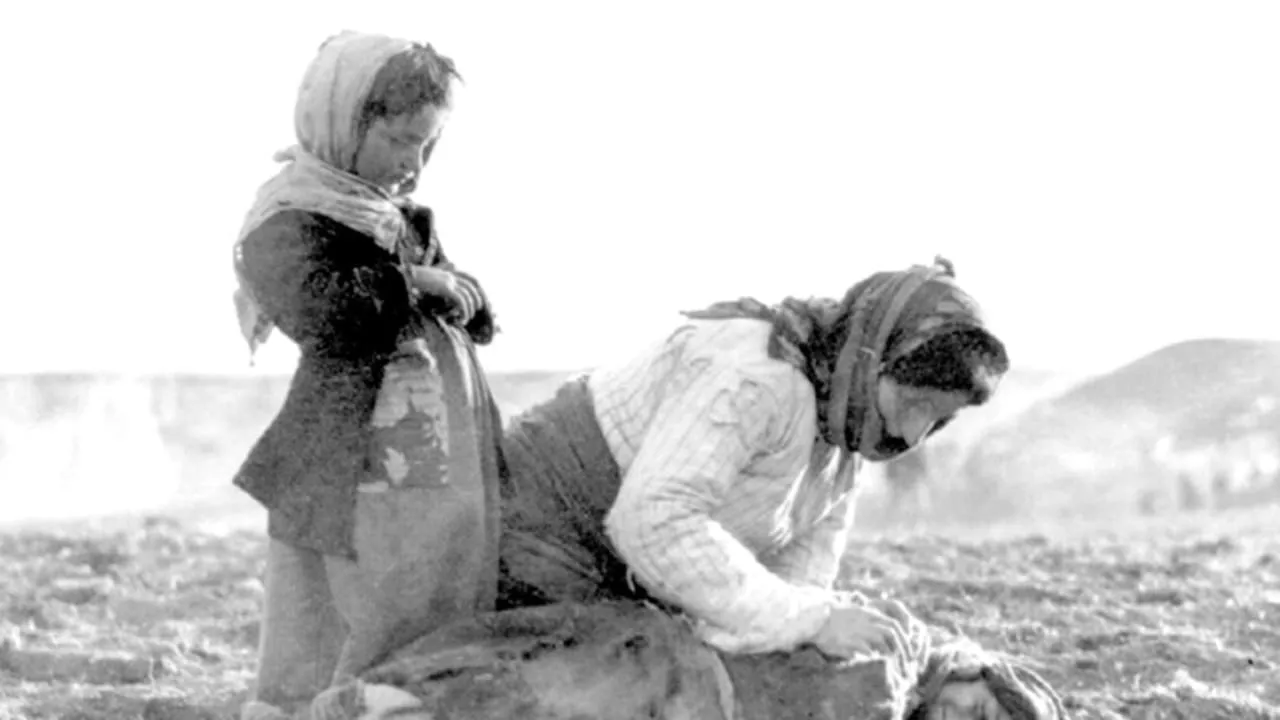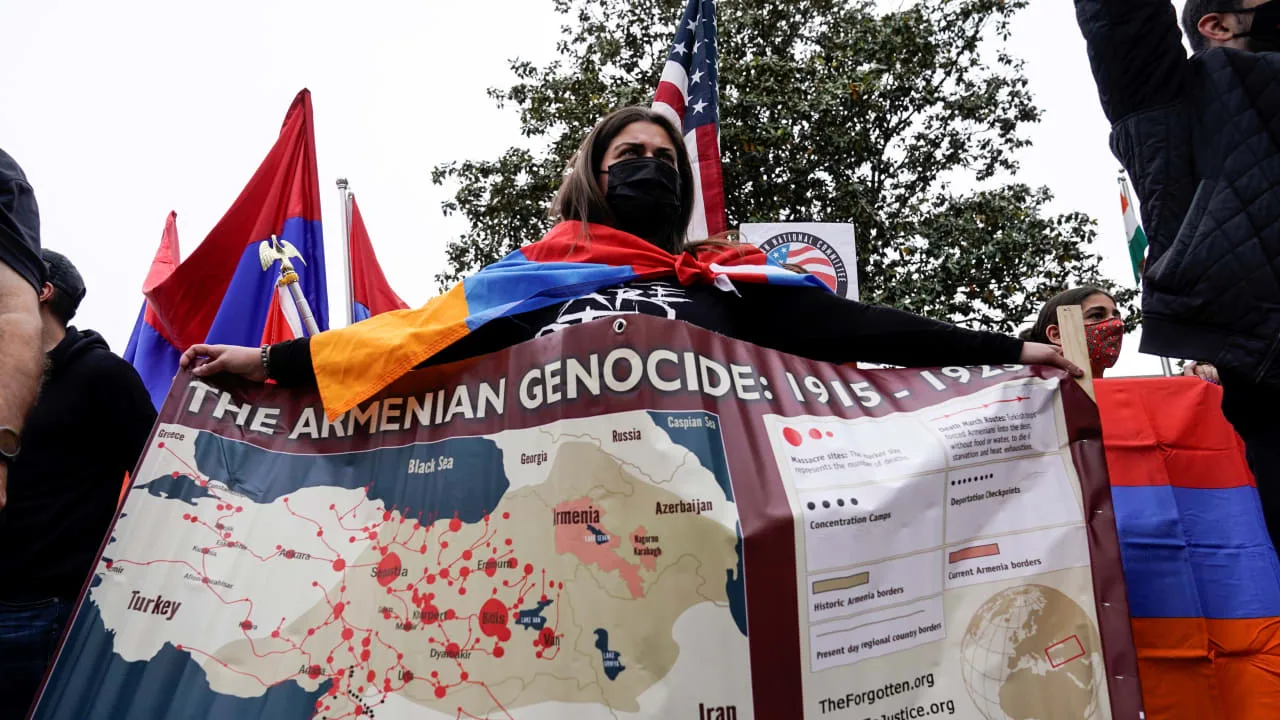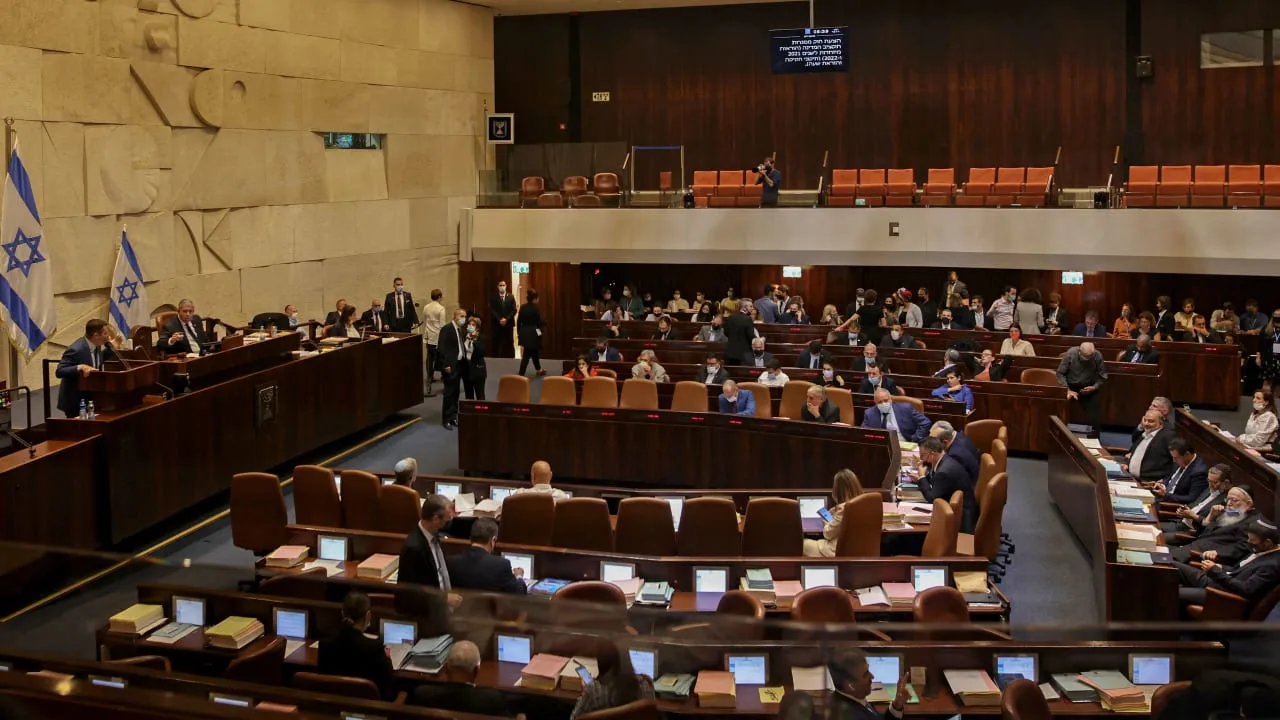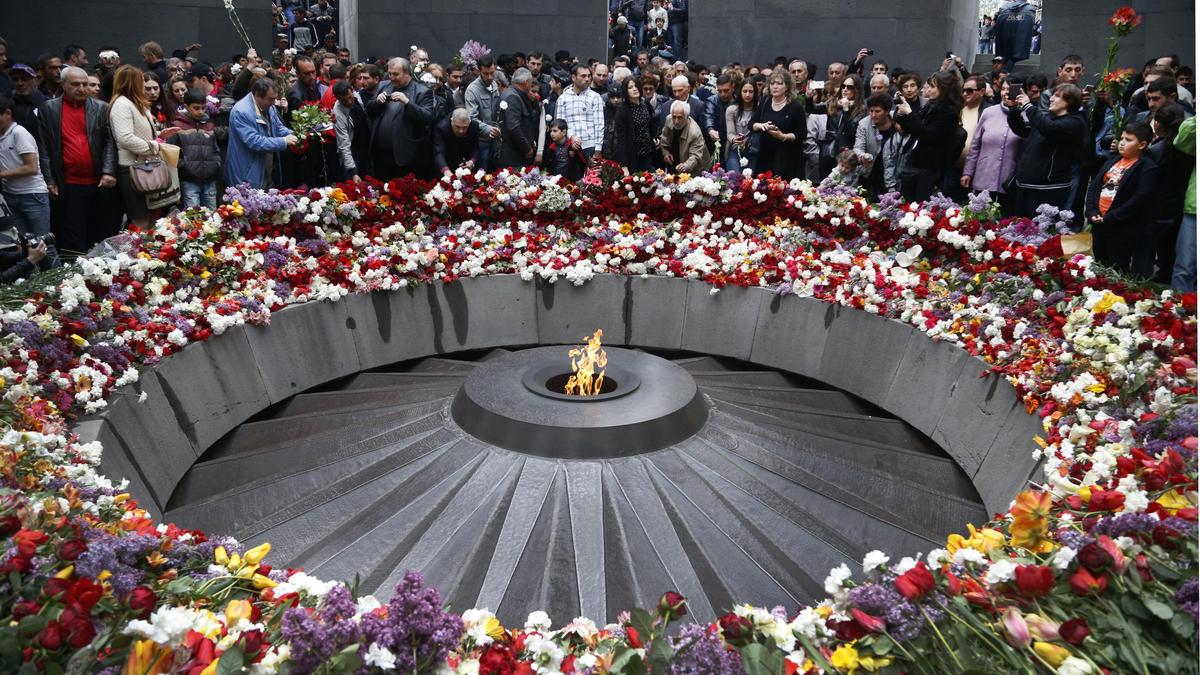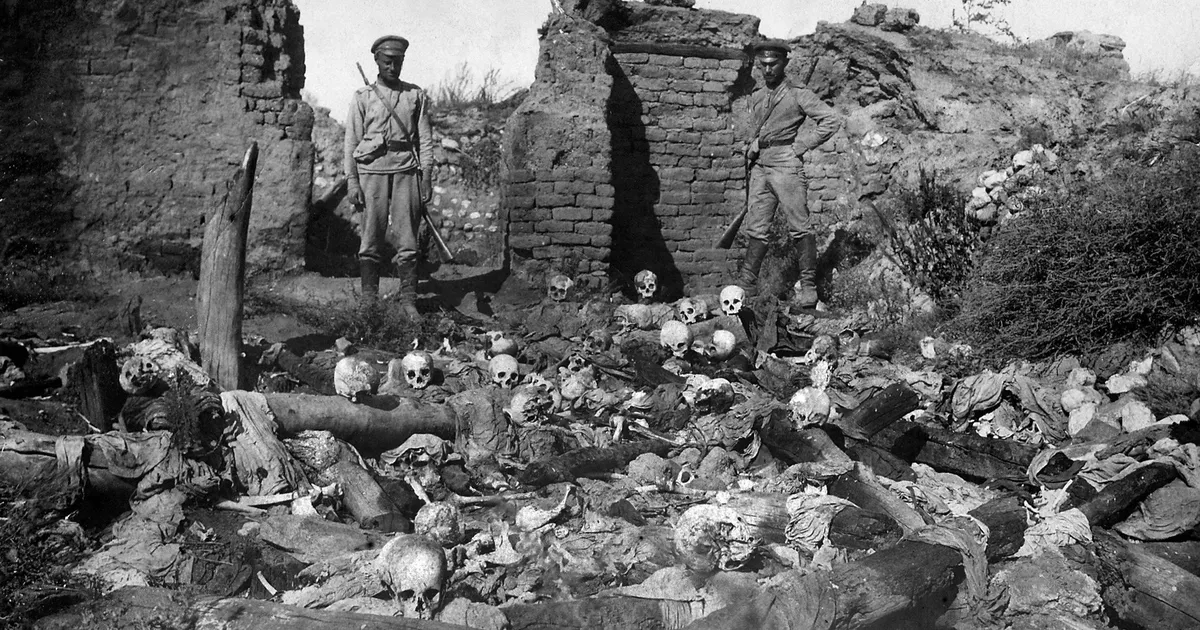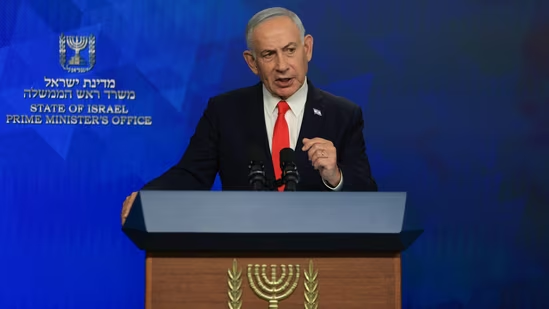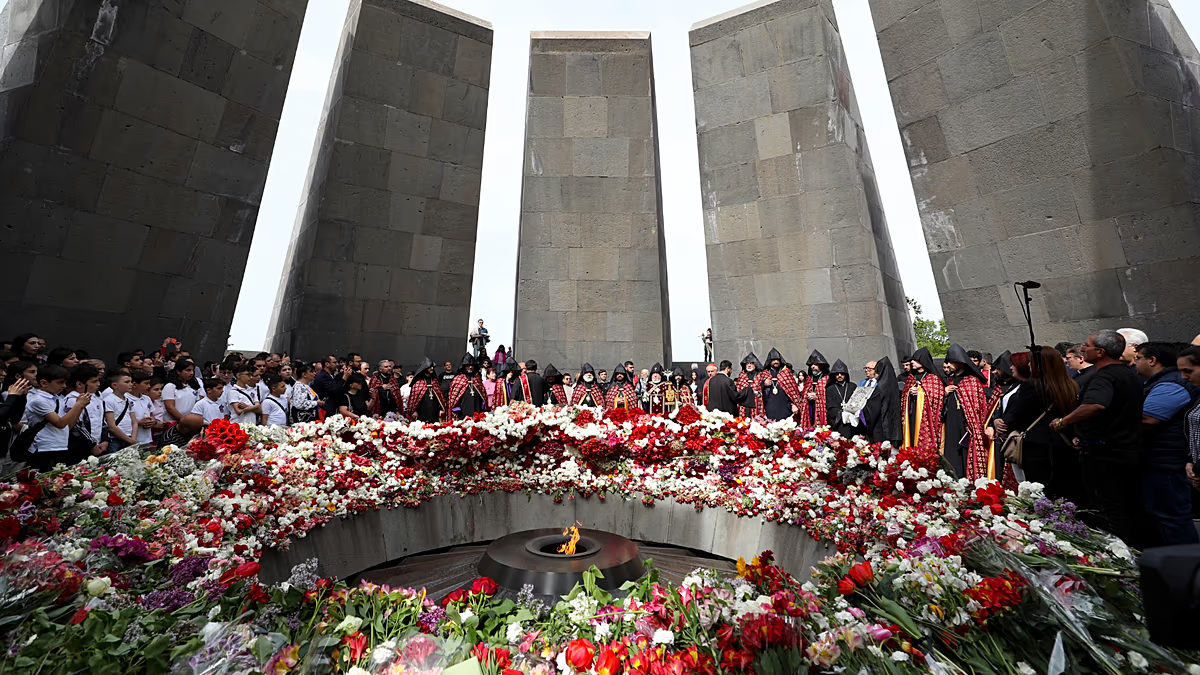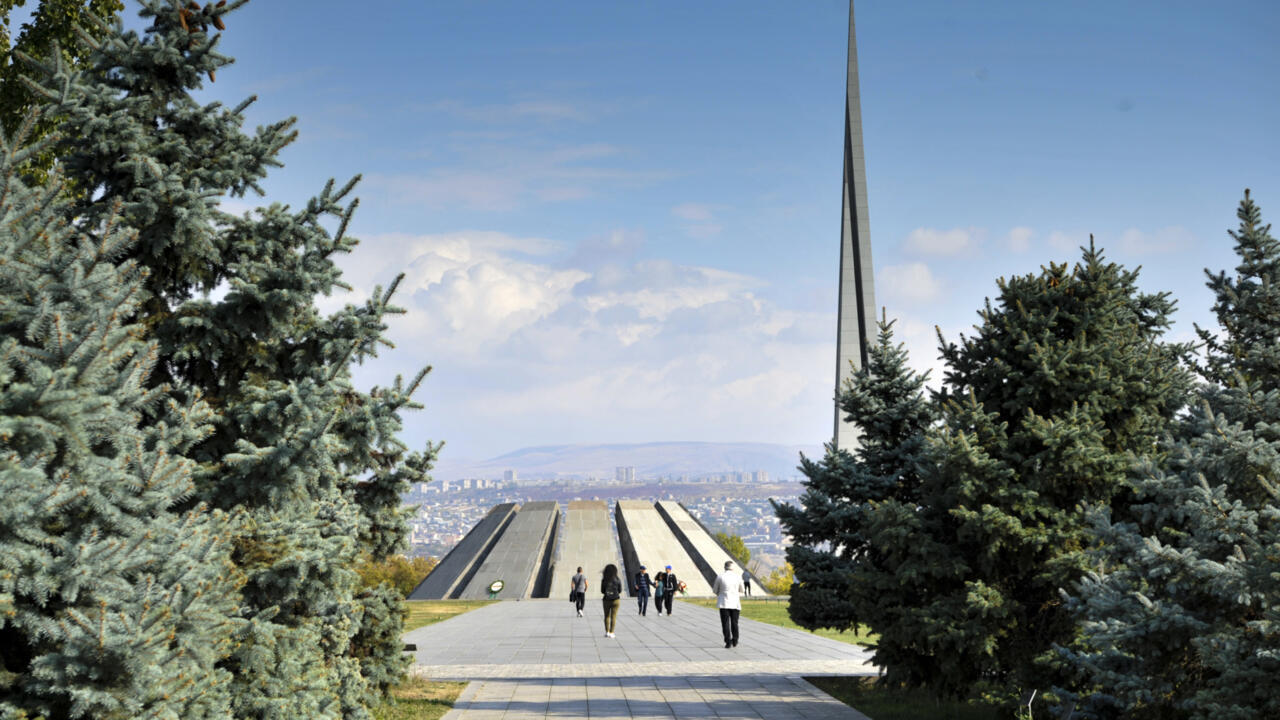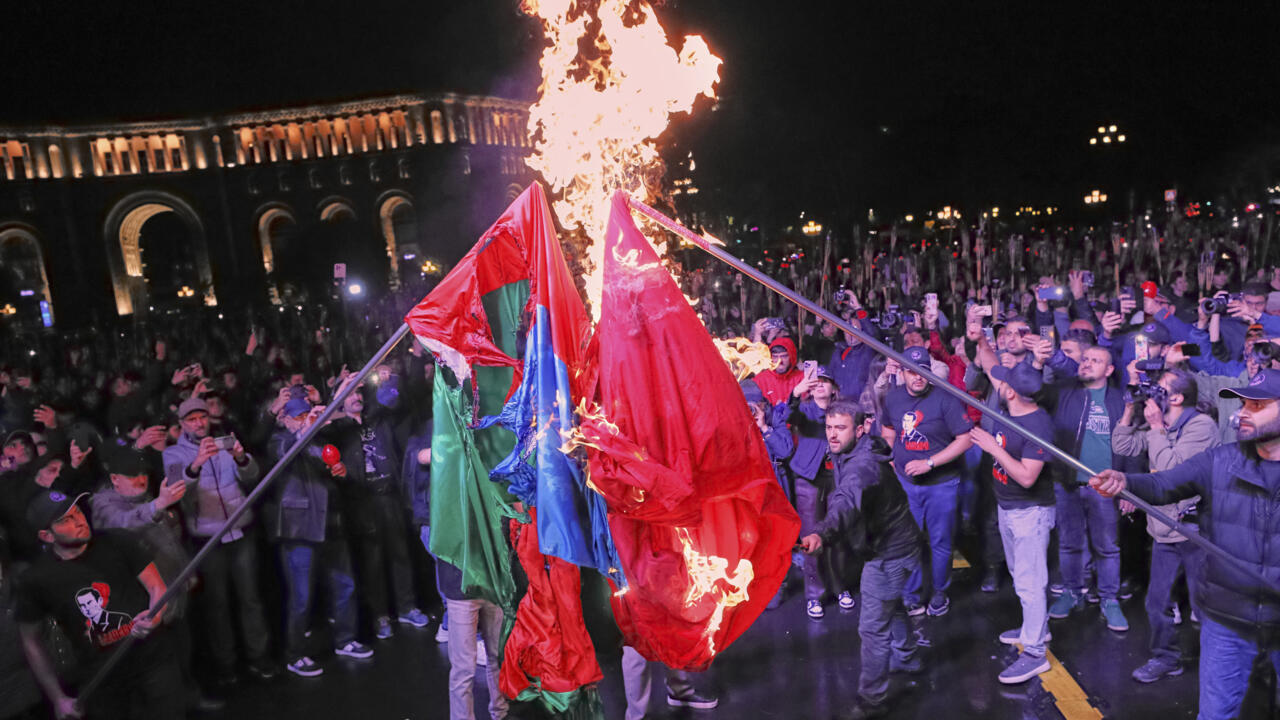
Israel's recognition of the 1915 Armenian genocide has ended decades of caution over one of the world's most politically sensitive historical events. The cabinet decision, announced last week and still awaiting parliamentary ratification, has also prompted questions over whether it is driven more by current regional politics than by historical recognition.
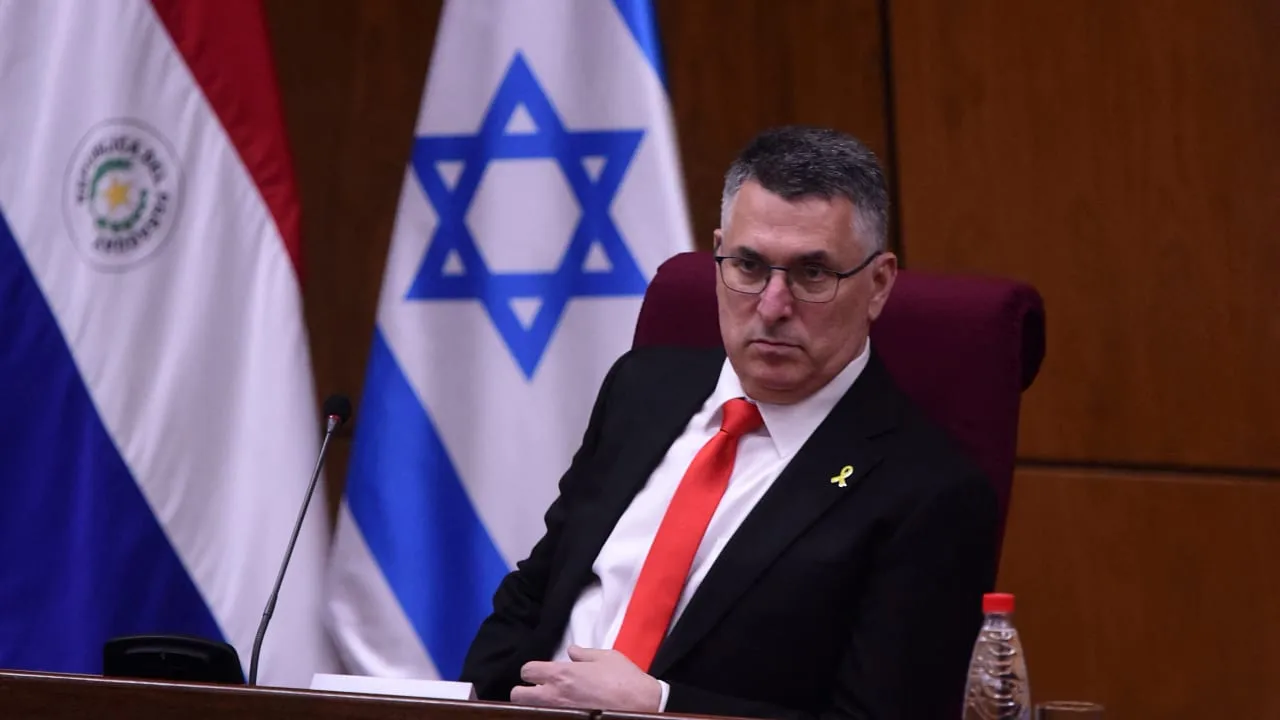
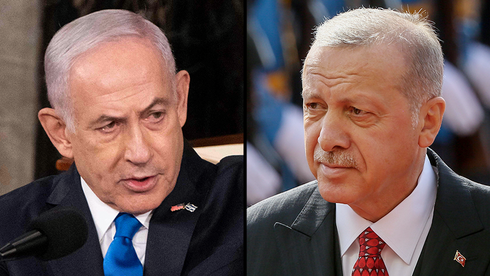
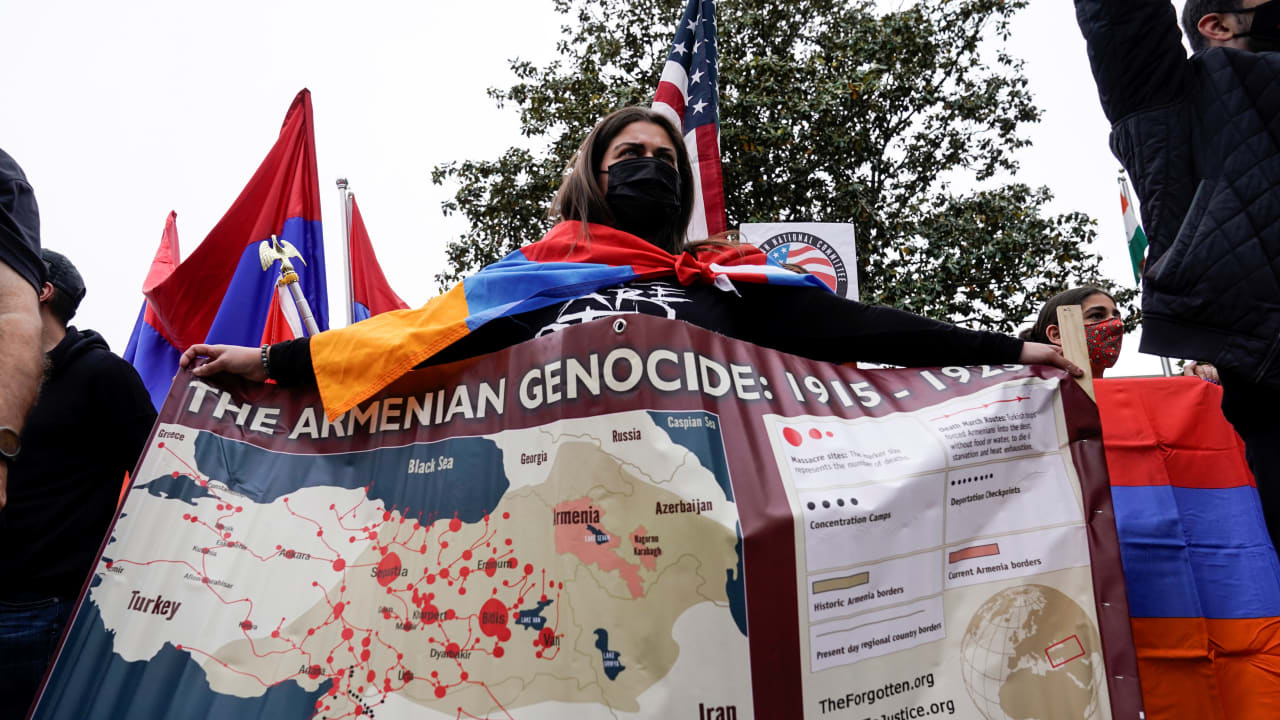
Foreign Minister Gideon Sa'ar, who proposed the measure, called the recognition a "moral and historical duty", saying Israel, "as a Jewish state" – built on memories of the genocide of its own people during the Second World War – "had to reject denial and distortion of the historical record". He also said the Armenian genocide – the state-sponsored ethnic cleansing launched by the Ottoman Empire in 1915 that killed up to 1.5 million ethnic Armenians – had been the subject of an "institutionalised campaign of denial", mainly by the Turkish government. "It is never too late to do the right thing," Sa'ar added. Political motives Not everyone accepts the government's explanation. "This decision is strictly political," said Professor Gerald Steinberg of Bar Ilan University. "There's a lot of criticism within Israel, including in diplomatic and security circles that are close to the government. This is about Turkey," he said. For years, Israel's ties with Turkey discouraged recognition of the Armenian genocide, Steinberg said. "That's removed from the agenda: there is an ongoing escalation of conflict with... Turkey. Turkey now has become, in many ways, a source of conflict," he said. Armenia's response was restrained rather than celebratory. Prime Minister Nikol Pashinyan said Yerevan saw "no need to respond" and did not want to be drawn into the "weaponisation" of the genocide issue in current politics. "It was generally seen as too little too late," Richard Giragosian, director of the Regional Studies Centre in Yerevan, told RFI. "Coupled with Israeli military support for neighbouring Azerbaijan in the war of 2020, this was much less of a welcome positive move than would be expected. "There's a degree of resentment in Armenia that the genocide issue has become ammunition in the conflict between the Israeli government and the Turkish leadership".