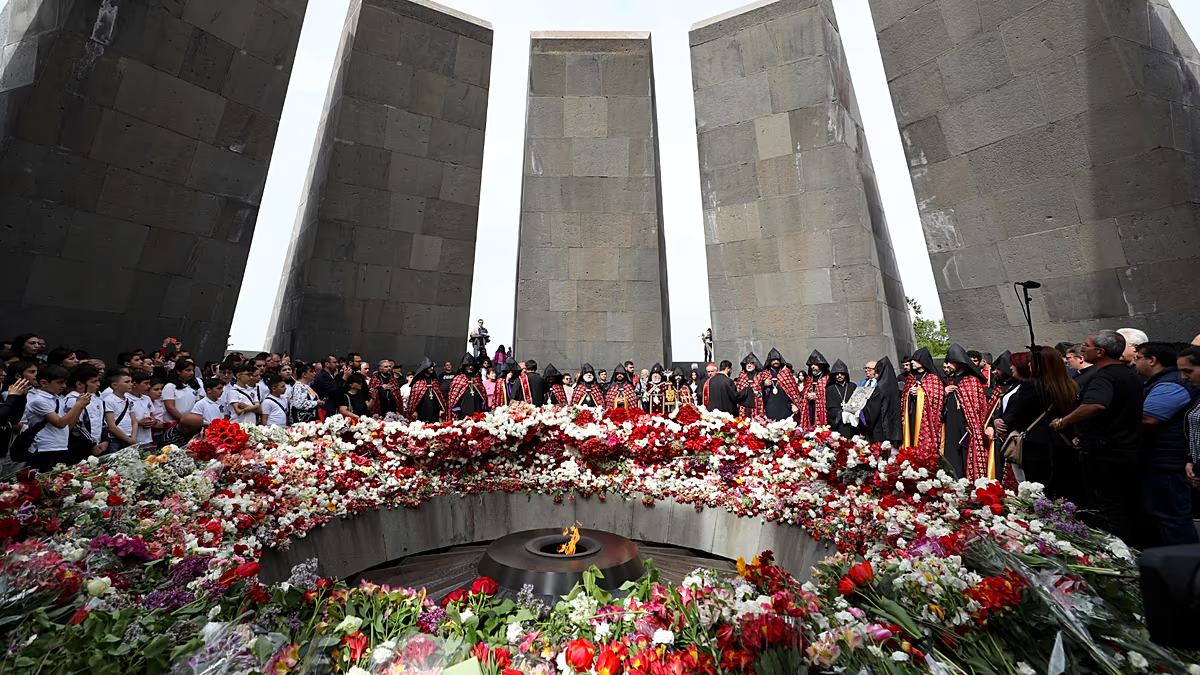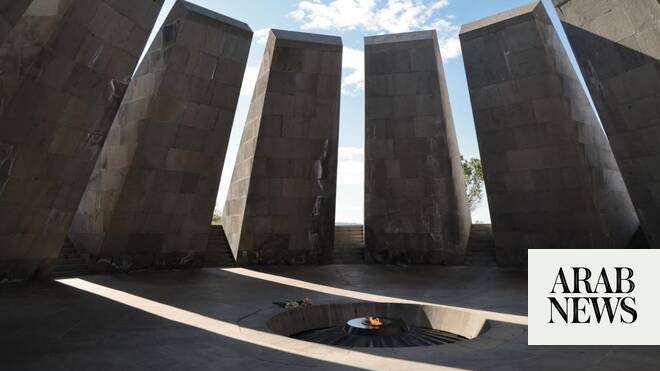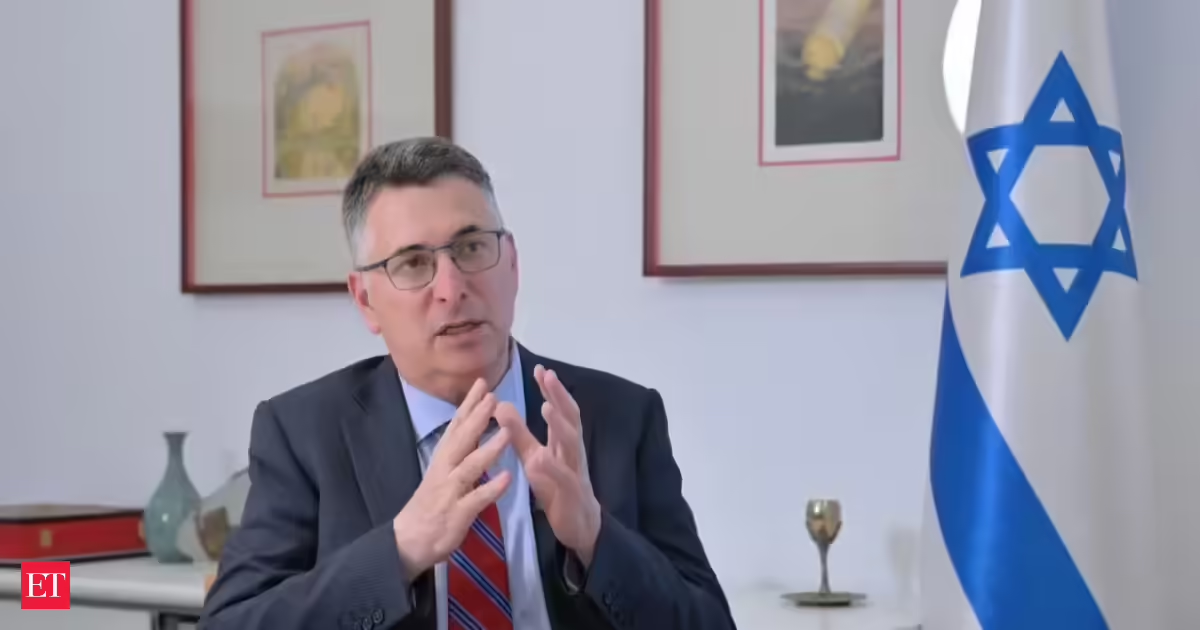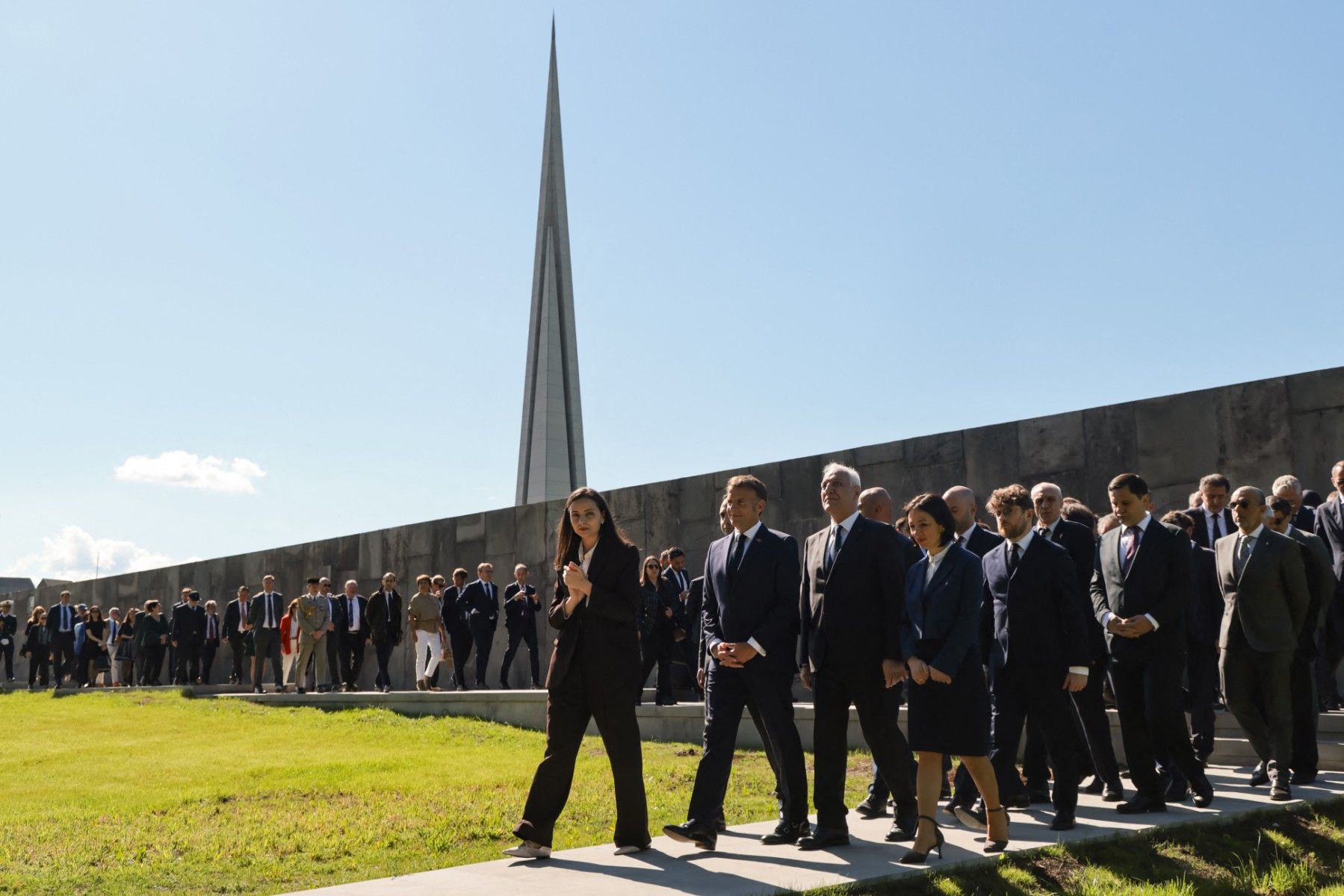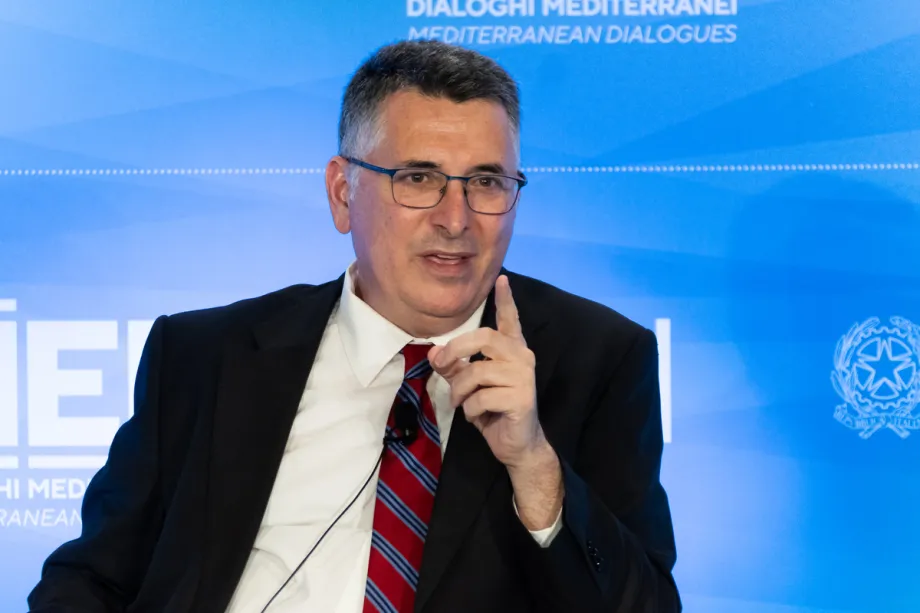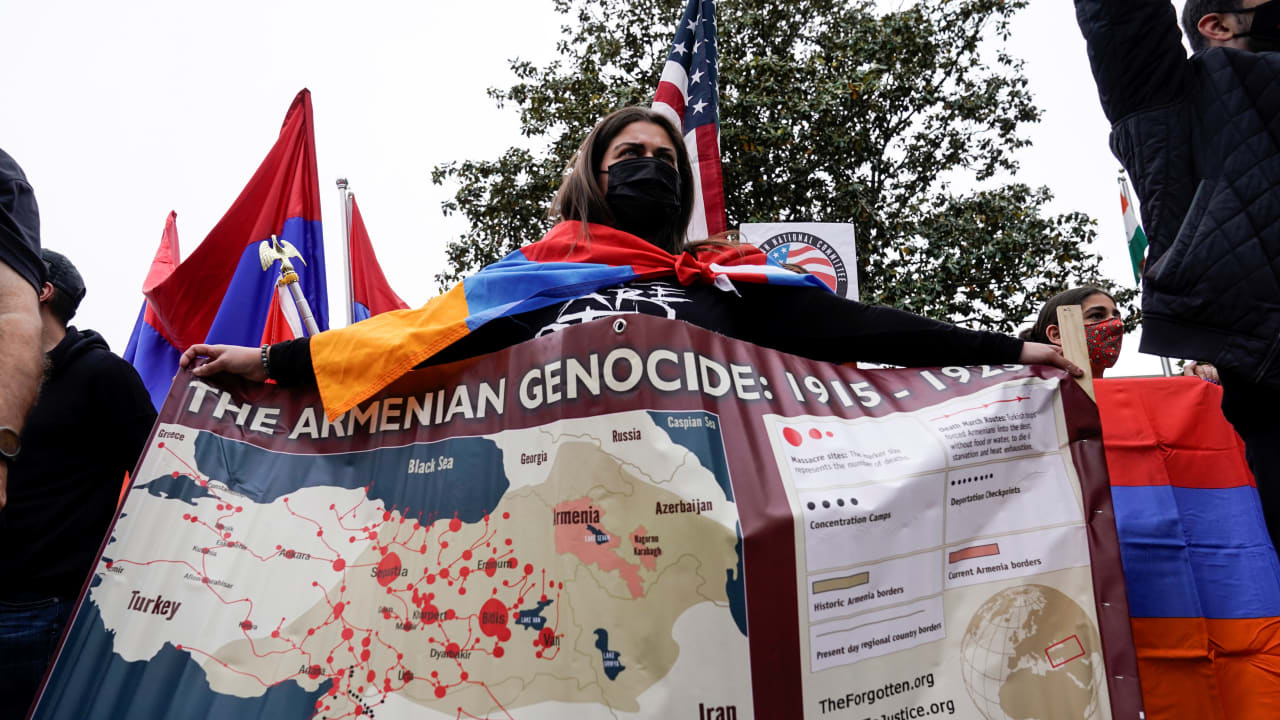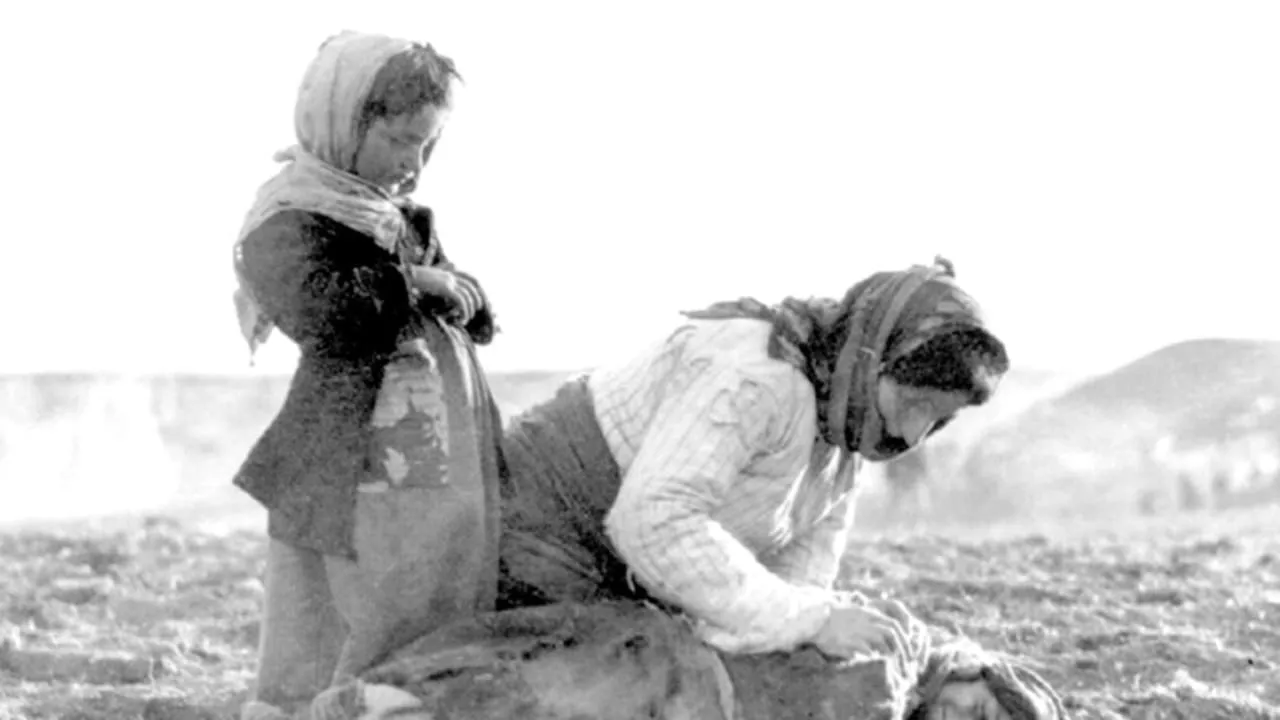
BySETH J. FRANTZMANJUNE 29, 2026 17:54‘It's never too late to do the right thing,” Israel’s Foreign Minister Gideon Sa’ar said on June 28 as Israel moved to recognize the Armenian Genocide. He said he thanked Israel’s prime minister for supporting the decision and noted the “unanimous approval of the resolution I initiated for Israel's recognition of the Armenian Genocide.”He noted that “Israel joins 32 countries that have fulfilled a moral duty by recognizing the historical truth, and rejecting attempts to deny it.”Israel’s recognition of the genocide has been decades in the making. It has been one of the strange aspects of Israel’s history that for many years the Armenian genocide was downplayed in official circles.This was largely due to foreign policy reasons. Israel and Turkey have had ties since shortly after Israel became a state. Turkey was a friend of Israel for many years, up until the early 2000s. Jews have many reasons to be outspoken about the genocide.Henry Morgenthau, who was Jewish, served as the United States Ambassador to the Ottoman Empire from 1913 to 1916 and reported on the massacre of Armenians.Israeli Foreign Minister Gideon Sa’ar speaks during a meeting of the Subcommittee on Foreign Policy and Public Diplomacy at the Ministry of Foreign Affairs in Jerusalem, March 23, 2026. (credit: CHAIM GOLDBERG/FLASH90)Hitler, Nazis inspired by Armenian genocide, Israel needed to recognize itHitler and the Nazis were inspired by the genocide to carry out the Holocaust. In the early 2000s, Israeli politicians spoke out about the need for recognition.Member of Knesset Zehava Galon of Meretz noted in 2016 that “I am declaring that the Knesset must recognize the Armenian Genocide.” In 2012, the Knesset’s Education Committee also discussed the need to recognize the genocide.Turkey has always denied the genocide and made it clear to foreign countries that it opposes recognition. It is not clear why modern Turkey feels it is important to deny atrocities that took place under a previous regime. First, let’s look at a little history.Massacres of Armenians and anti-Armenian policies were a feature of the late Ottoman Empire. Armenians had been living in the Ottoman Empire throughout the empire’s existence.Like many Christian and other groups, the Armenians were part of the diverse landscape of Ottoman times. They lived in the capital Istanbul and also in many areas of what is now southern, central, and eastern Turkey. Armenian artisans and traders played an important role.Things began to get worse during the era of rising nationalism. It’s worth recalling that the Ottomans in the 19th century were facing off against rebellions in their European provinces, such as Greece.They watched as the Greeks, Serbs, Bulgarians, Romanians, and other groups sought independence and became countries. They also fought wars against the Russian Empire. They watched as Muslim communities began to flee into the empire, such as Bosnians and Circassians.These latter two groups actually had some members who were settled by the Ottomans in what was then Ottoman Palestine.In the 1890s, there were a series of massacres of Armenians in the Ottoman Empire. These were called the Hamidian massacres, after Sultan Abdul Hamid II.Abdul Hamid was re-organizing the empire and trying to modernize it. The massacres killed 100,000 or more people, and other Christians, such as Assyrians, were also targeted. This set the stage for the genocide around 20 years later. In the years before the massacre, the empire changed rapidly.The Young Turks led a revolution in 1908. This led to increasing Turkish nationalism. At the time, it should be recalled, Zionism was also on the rise. Jews were moving to the historic Land of Israel. David Ben-Gurion and Yitzhak Ben-Zvi both studied in Istanbul in 1912. Two years later, the Turks decided to back the Germans in the First World War. In 1915, this led to the beginning of the Armenian genocide.The authorities in the Ottoman Empire rounded up members of the Armenian minority and began deporting and killing them. The excuse was that the Armenians were now involved in their own nationalism and seeking to create a state and back the Russians in the First World War.The resulting massacres began with ethnic cleansing and deportation and ended in what has been widely described as a genocide. For those who disagree, they argue that Armenians were expelled or deported, but that the intent wasn’t genocide. They also argue that large numbers of Turks and other groups were killed in the First World War.What is clear is that while millions of Armenians had lived in areas that became modern Turkey, by the 1920s there were very few Armenians left. Instead, some had been pushed into the Syrian desert, near Deir Ezzor and the Euphrates River valley.Others had even ended up as far away as Iraq, Iran, and what became British Palestine and Lebanon. Some ended up in what became Soviet Armenia. Armenians have sought recognition for the atrocities they suffered throughout the 20th century.The atrocities were well known after the fall of the Ottoman Empire. The Ottoman Special Military Tribunal established after the war to examine war crimes even convicted Ottoman leader Talaat Pasha in absentia for his role in massacring Greeks and Armenians.It should be noted that the massacres of Armenians were only one phase of persecution of Christians that led to the expulsion and massacre of Greeks and Assyrians, for instance. In 1921, Talaat was killed in Berlin by an Armenian assassin.Adolf Hitler was inspired by the Armenian genocide. Due to this, it is clear that Jewish and Armenian history is deeply connected in terms of joint suffering.However, the modern state of Israel did not want to rock the boat with Turkey. The controversy over not recognizing the genocide didn’t just become an issue in Israel; it also affected Jewish groups in the US. For instance, the Anti-Defamation League (ADL) was in the spotlight in the early 2000s.As we noted at the Post in 2007, the ADL “reinstated Andrew Tarsy as its New England regional director… Tarsy was fired on August 17 after publicly voicing opposition to the organization's refusal to recognize the Armenian genocide.Abraham Foxman later reversed the organization's position by recognizing the World War I massacre of Armenians as ‘tantamount to genocide.’”Israel-Turkish diplomacy, and other ties controversially held back recognitionIt was clear back then that one reason for this controversy was a belief that pro-Israel groups should not discuss the genocide because of Israel-Turkish ties. What changed is that with the rise of the AKP in Turkey and the hostility of Recep Tayyip Erdogan, there was more willingness to speak about the genocide.Another issue was not just Turkey-Israel relations but also Azerbaijan-Israel relations. Baku has close ties to Ankara and Jerusalem. Armenia has historically not had good ties with Israel. As such, the issue of recognition of the genocide became a controversy in foreign policy.This never held much logical sense, because Ankara could simply accept the genocide and note that the Young Turks and Ottomans have nothing in common with modern Turkey. Modern Turkey is a creation of Mustafa Kemal Ataturk in the 1920s.Today’s AKP has roots in religious conservative politics and the Muslim Brotherhood. There is no reason for it to deny the genocide. It wasn’t linked to those who did it, and the genocide doesn’t reflect badly on modern Turkey; it reflects badly on the Ottomans. However, the AKP has often tapped into Turkish and Ottoman history. As such, it may feel that the issue threatens them.Israelis have been pushing to recognize the genocide foryears. In 2016 Knesset Speaker Yuli Edelstein spoke at a special plenary debate marking the Armenian genocide. He said, "It is no secret that [in Israel] as well this event has been controversial, at least with regards to the publicity it should be given… We must differentiate between our current interests and the difficult past, which this dark chapter is a part of.”He added that “This is the correct and appropriate thing to do, seeing as we are part of the family of nations and a nation whose values of morality and compassion towards every human being are paramount. Let us not remain indifferent, albeit a bit late, to the suffering the Armenians experienced.”Knesset Member Zehava Galon of Meretz, who had pushed for recognition for years and initiated the debate, said, “For years [MKs] have been coming here, to the plenum, in order to ask that the genocide be called by its name.This year, after the agreement with Turkey has been signed, I know that granting this request has become particularly difficult.There was pressure from the Foreign Ministry and from elements in the government - `why are we suddenly raising this issue, with all the diplomatic sensitivity?` But despite this, I am declaring that the Knesset must recognize the Armenian Genocide.”Follow us on Google
Israel recognizes Armenian Genocide as Turkey ties fray | The Jerusalem Post
Israel’s recognition of the genocide has been decades in the making. It's been a strange aspect of Israel’s history that, for many years, the Armenian genocide was downplayed in official circles.
1,454 words~7 min read