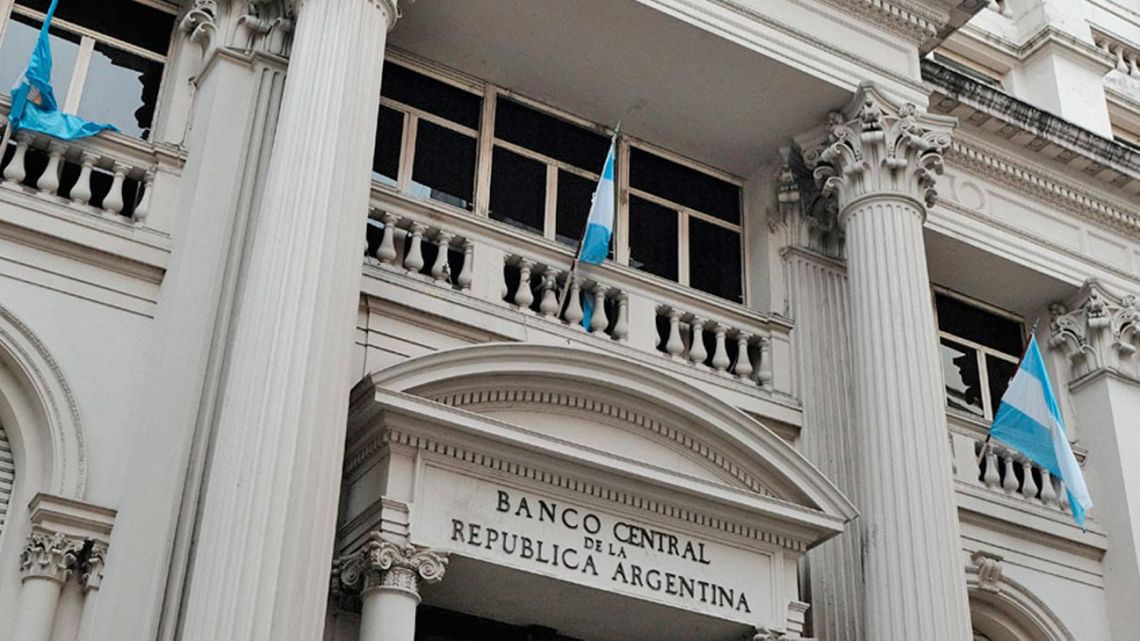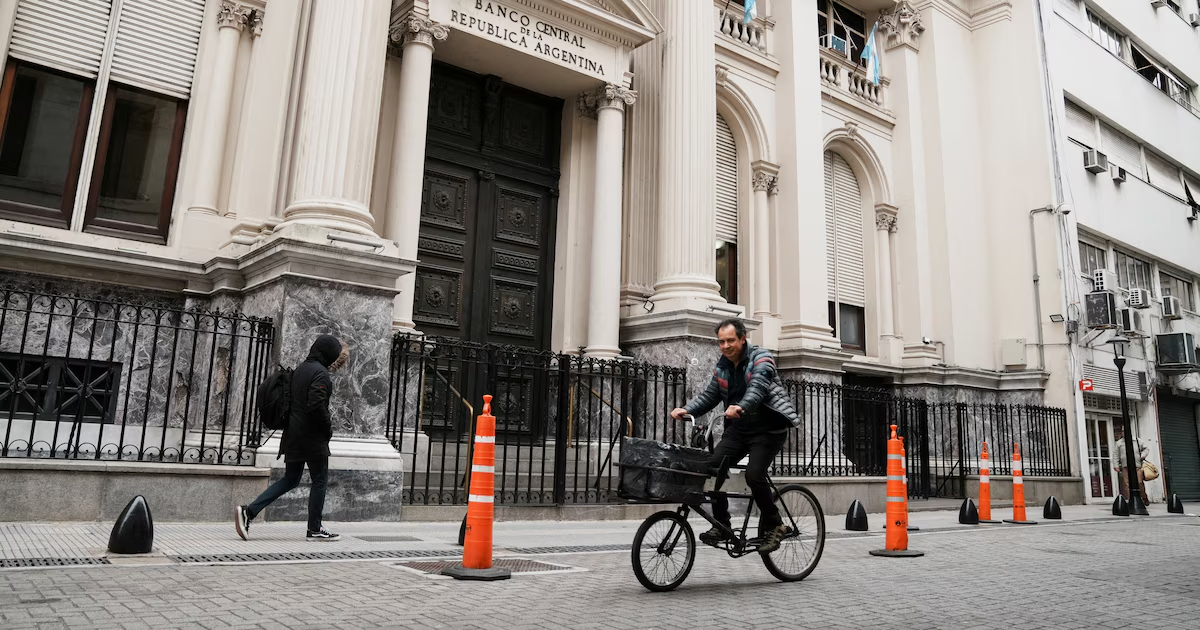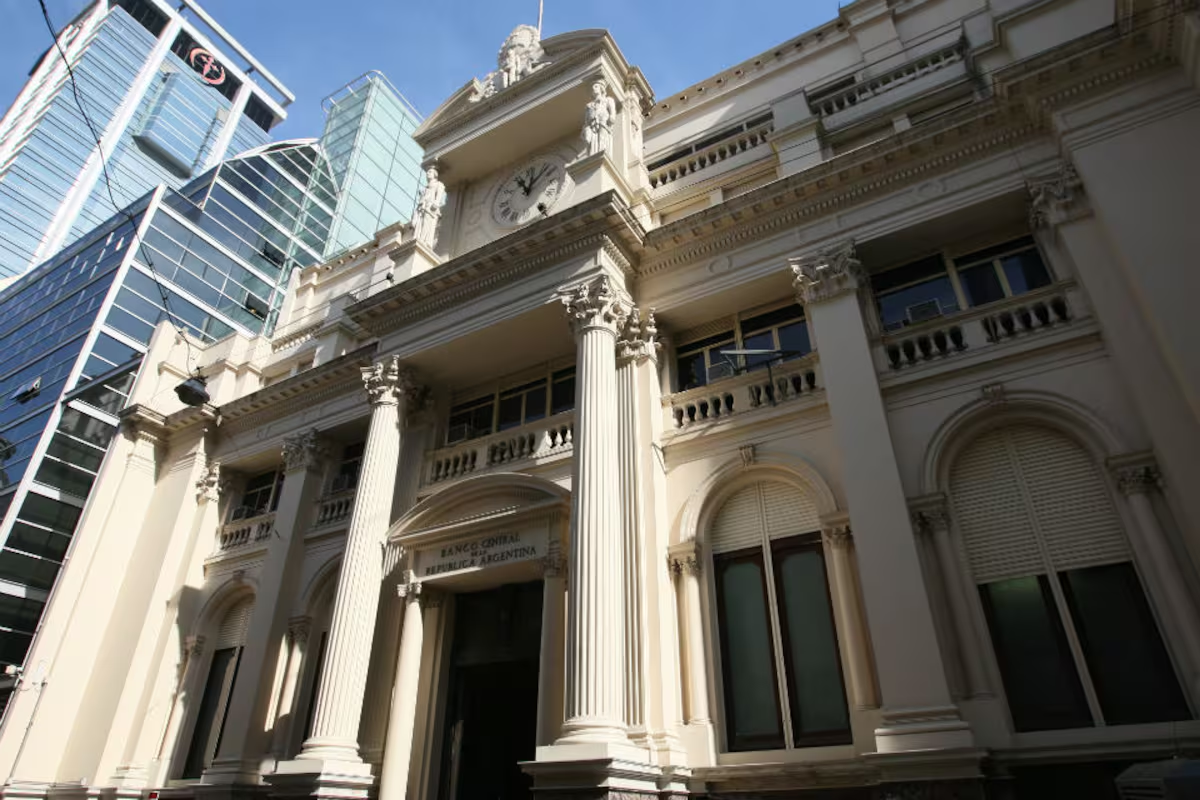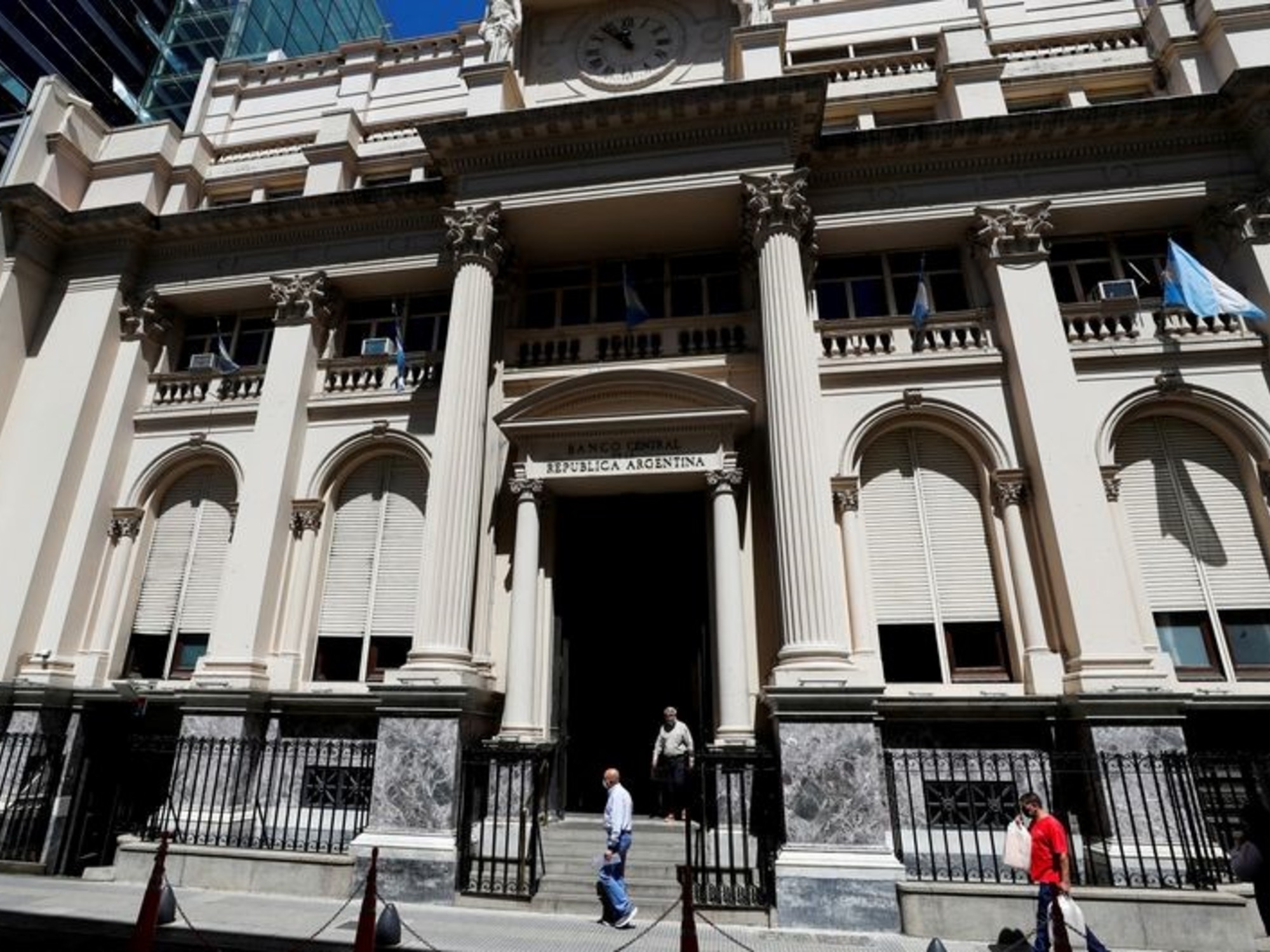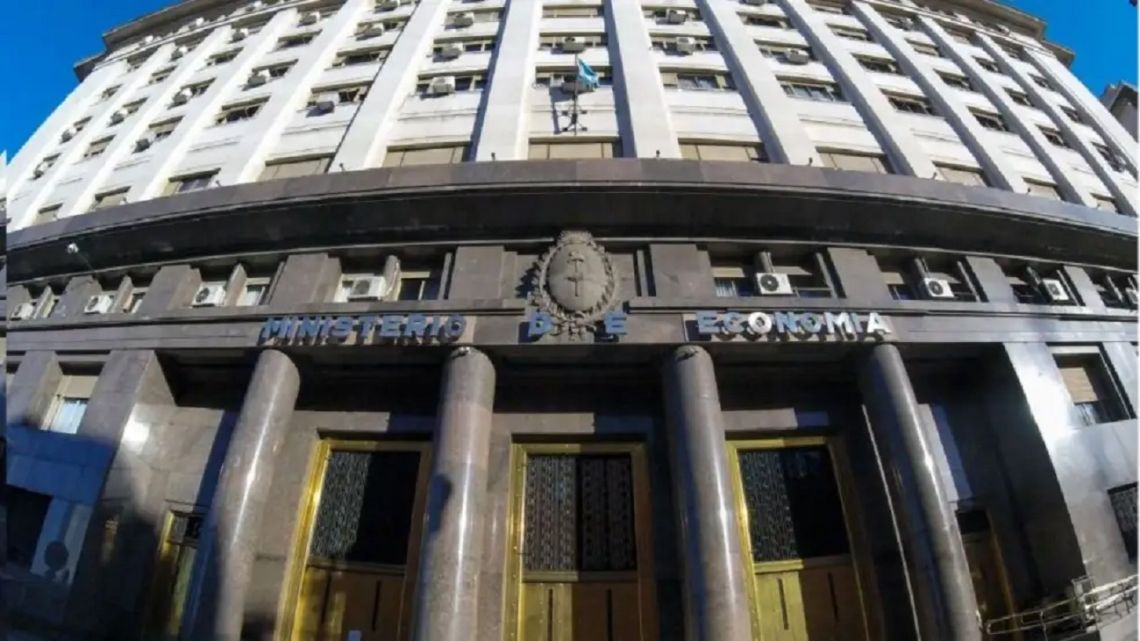
Argentina’s central bank has a problem it would very much like to defer. The Banco Central de la República Argentina (BCRA) has extended maturities on roughly $6 billion worth of repurchase agreements, a move designed to clear short-term debt obligations off the books before the country heads into its 2027 presidential election cycle.
What a repo deal actually is, and why Argentina is using them
A repurchase agreement, or repo, works like a short-term loan backed by collateral. Argentina pledges its own bonds, receives foreign currency in return, and agrees to buy the bonds back later at a slightly higher price.
The BCRA’s repo program has been building since early 2025. The first deal, roughly $1 billion, came together in early 2025. A $2 billion facility followed in June 2025. Then in January 2026, the central bank executed a $3 billion reverse repo, collateralized by Argentine BONAR bonds maturing in 2035 and 2038. That deal attracted competitive bids exceeding the offered amount by approximately 50%. By mid-May 2026, confirmed by IMF documentation, total BCRA repo transactions had reached $6 billion.
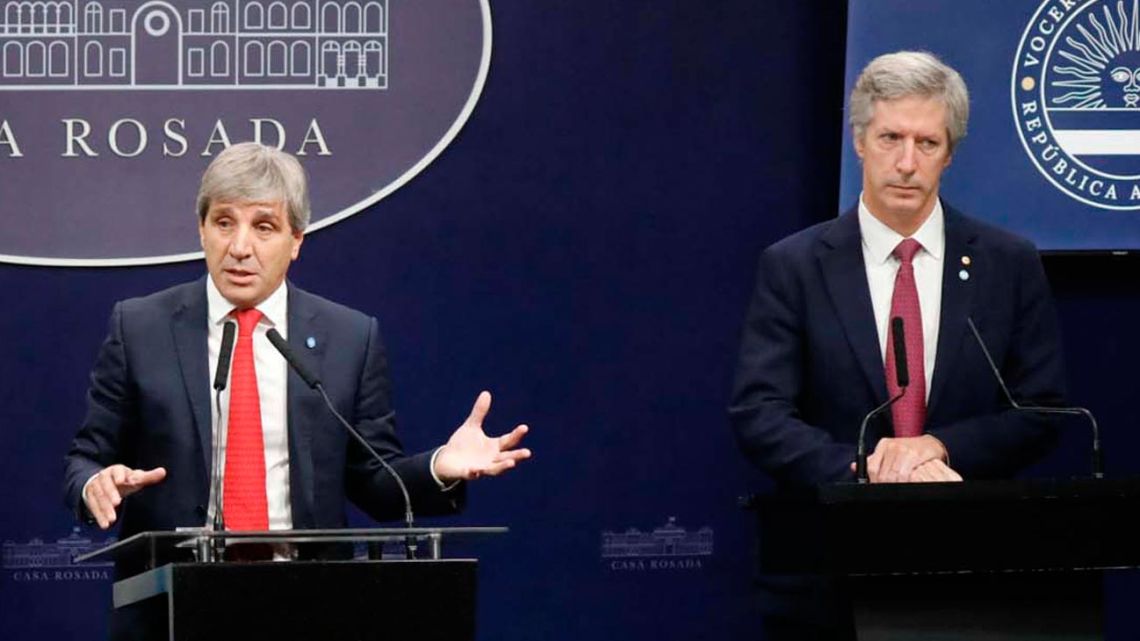
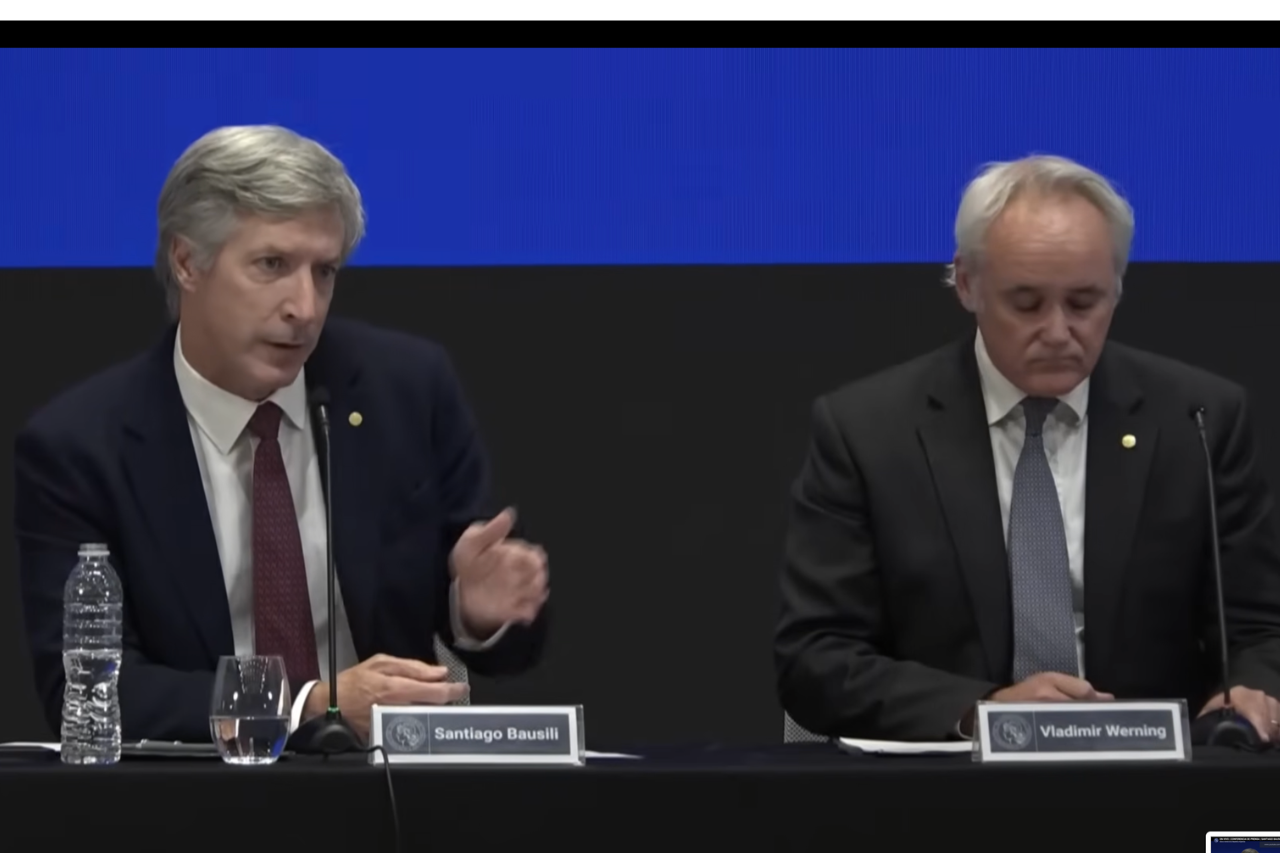
BCRA Governor Santiago Bausili held discussions with investors in May 2026 about extending and consolidating those separate agreements. The goal was to fold three existing repo facilities into a single arrangement worth at least $5 billion, with maturities pushed to 2028 or beyond.