Published Jul 3, 2026, 10:45 AM EDT
Former Navy officer and author Ray Deptula explains what the American Revolution can still teach Americans about political division, war and history.
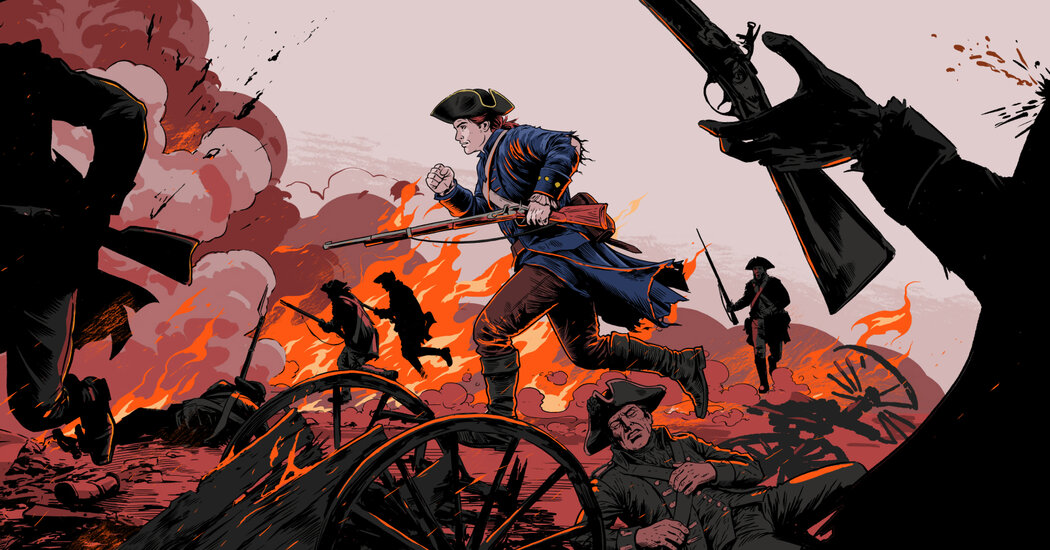
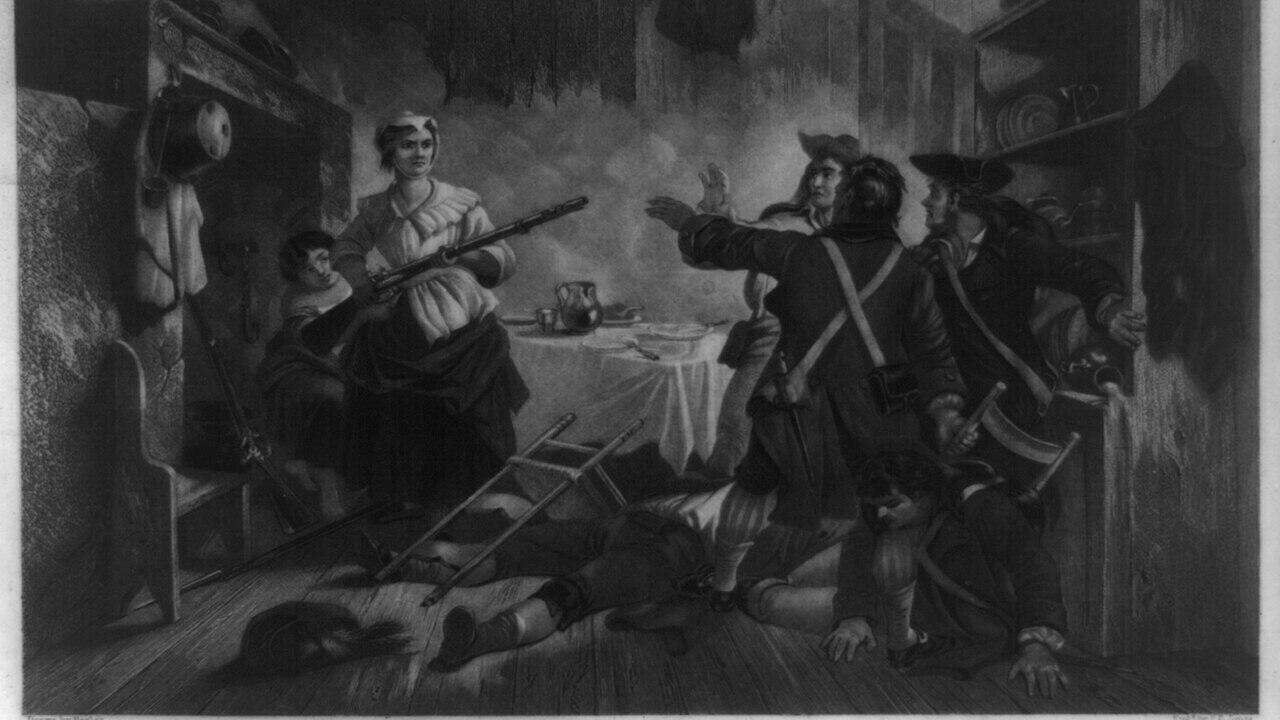
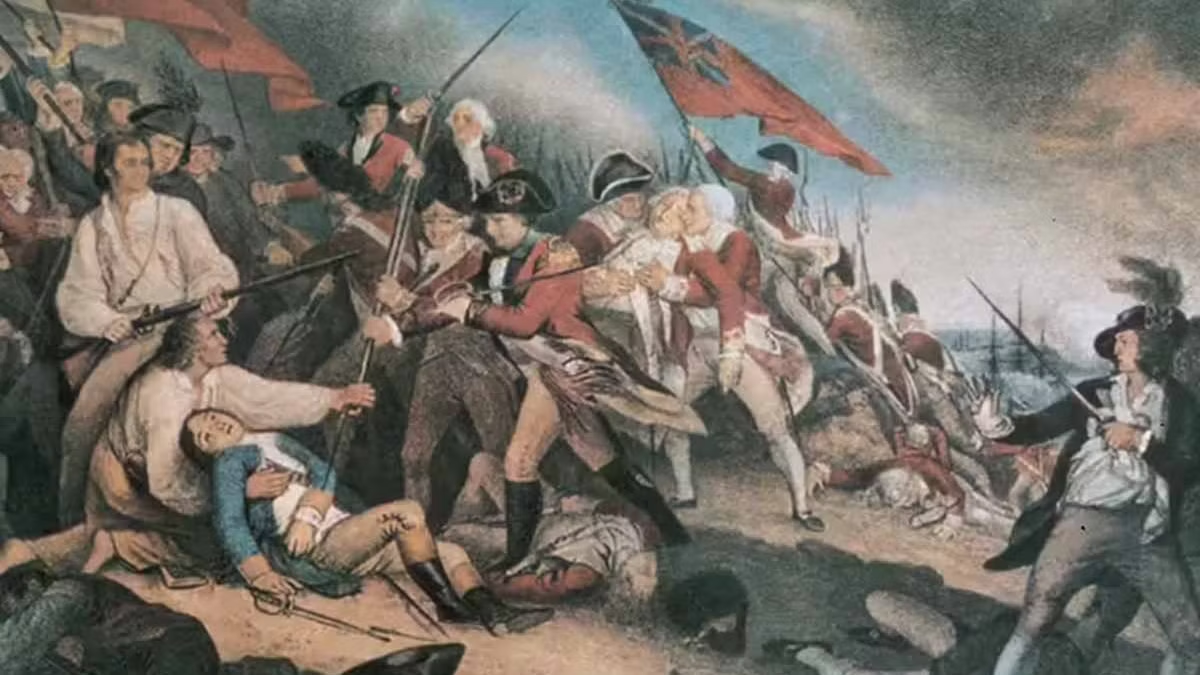
The American Revolution is often remembered as a clean story of liberty, courage and founding ideals. Former U.S. Navy officer Ray Deptula sees something rougher, more violent and more useful for Americans today. Deptula, author of Can’t Find My Way Home, the second book in his two-book Those Damned Yankees series, said the Revolution was not simply a patriotic uprising told through famous names and polished speeches. It was also a brutal war fought in towns, farms and backcountry communities where political division could turn deadly. “The history does not ever focus on how horrible it was, how messy it was, how violent it was,” Deptula said in an interview.
The Revolution Was Not as Unified as Memory Suggests
The Revolution began in Massachusetts, but it did not stay there. Fighting spread through the middle colonies and into the South, where the war increasingly became local, personal and vicious. The Southern Campaign became the principal theater of the war after the British captured Charleston in May 1780, and fighting in the Southern colonies continued throughout the conflict, not merely in a handful of famous battles. Deptula said Americans often forget that many colonists did not agree on independence. He described a population split among Patriots, Loyalists and people trying to stay out of the fight. The common “thirds” formulation comes from John Adams and still appears in educational materials, though historians often treat it as a rough simplification rather than a precise census. Some historical summaries estimate Loyalists closer to 20% of the population, with a substantial neutral or cautious middle. Deptula’s larger point does not depend on exact percentages. The Revolution was politically fractured enough that neighbors could become enemies. In parts of the South, Patriot and Loyalist forces fought each other directly, and the backcountry saw some of the war’s worst brutality. The Battle of Waxhaws, also known as Buford’s Massacre, has been described as one of the most infamous episodes of wartime violence in the backcountry.