As organisations adapt to a blend of remote and in-office work, Zoom is focused on creating tools that enhance collaboration and productivity across diverse settings
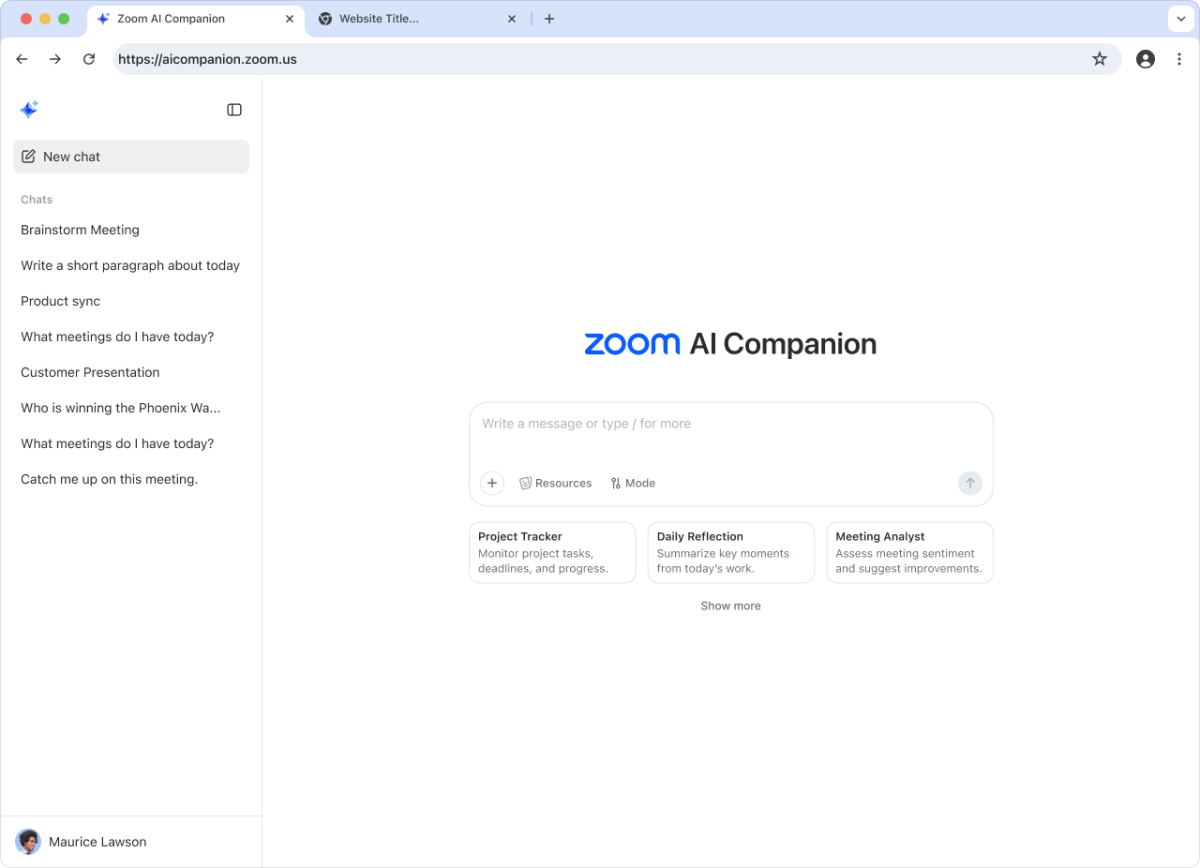
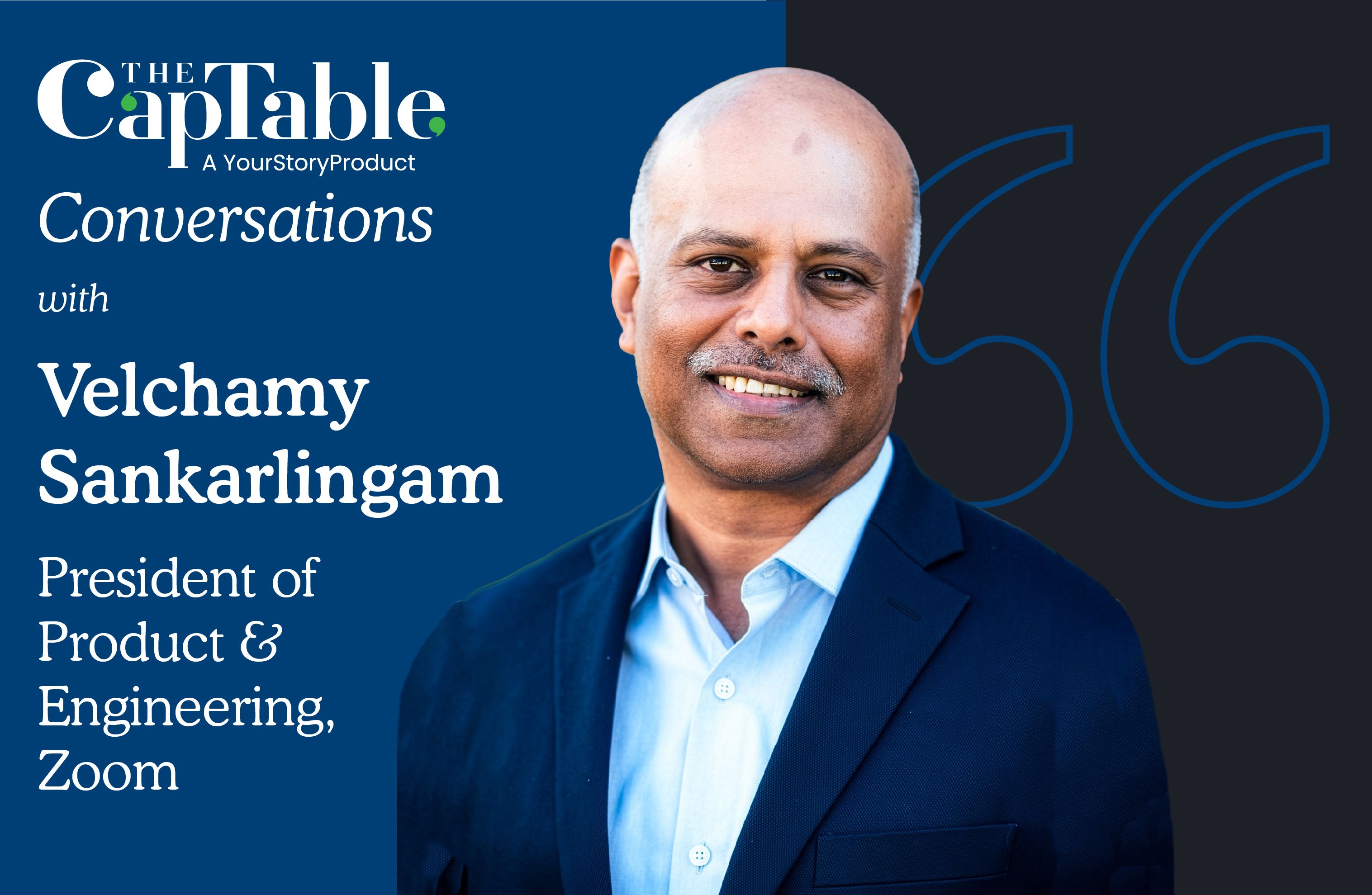
The Covid-19 pandemic made Zoom synonymous with remote work and video conferencing, but as the market has evolved to hybrid models and AI-infused workflows, the US-based company has gone from a communications tool to an integrated platform for businesses.In an interview with businessline, Velchamy Sankarlingam, President of Product and Engineering, Zoom, said that with the power of AI, Zoom is not just facilitating meetings and calls but helping enterprises use them for business processes. “We launched ZoomMate with the goal to evolve from conversations to completion. The vision is that meetings, calls and customer interactions become the starting point for business actions rather than standalone conversations,” he said. India is among Zoom’s most important markets globally, with increasing digital adoption, both from consumers and enterprises, aiding growth, he said.Demand driverA particular demand driver in India is Zoom Phones, the company’s cloud-based phone systems for enterprise, with multiple domestic and multinational customers using the product. Zoom Phone is currently active across six telecom circles in key metros and the company is in the process of expanding into three more regions.Zoom also has a full organisation footprint in India with teams from engineering, security, sales and customer support, among others. Sankarlingam mentioned that the company is continuing to hire dynamically, with roles like AI/ML engineers and forward deployment engineers in particular demand.On tokenisation, he believes that like any new technology, AI will have some turbulence initially with the current challenges being token costs but expects the productivity gains to offset costs in the long term. “Internally, we have seen good improvement not just in the product development but across sales and other teams. The development cycles have particularly increased for new products built from scratch as against existing products where there is a need for legacy systems,” he said. As for new hybrid workspaces, Sankarlingam believes that meetings have gone from fully online or fully offline to a combination of both.“The demand now comes from building tools that can integrate both well. Our tools now allow the use of multiple cameras to create individual participant views inside conference rooms while AI-generated summaries can attribute comments to specific participants,” he added. Published on July 3, 2026