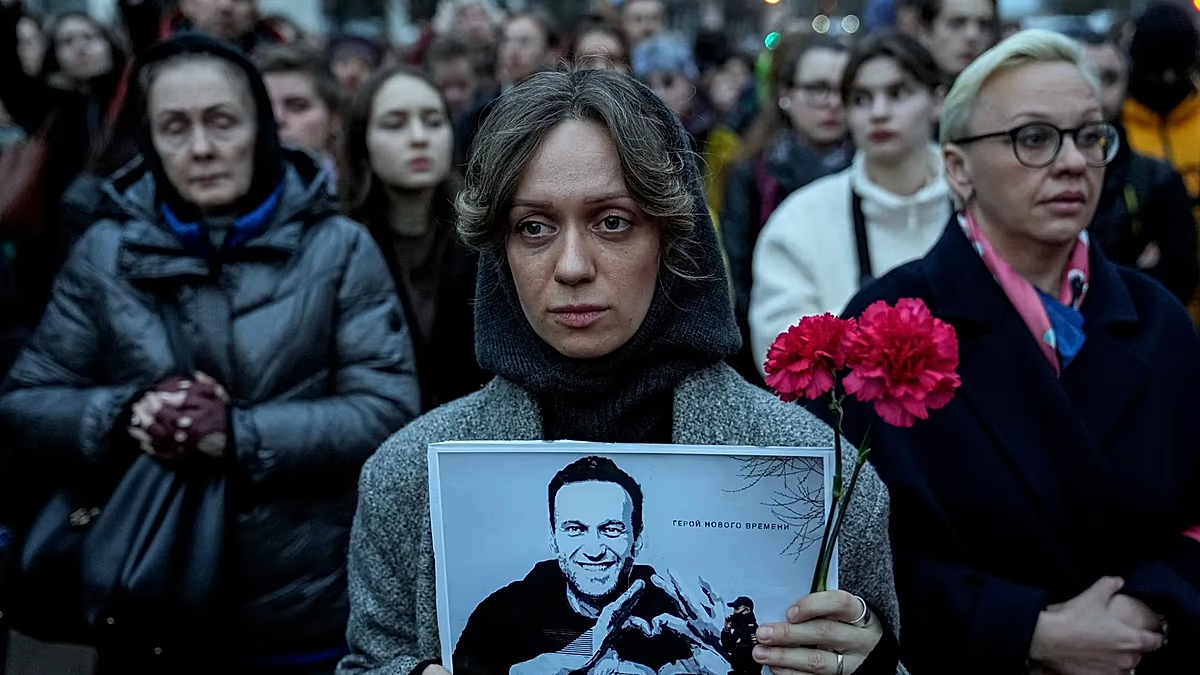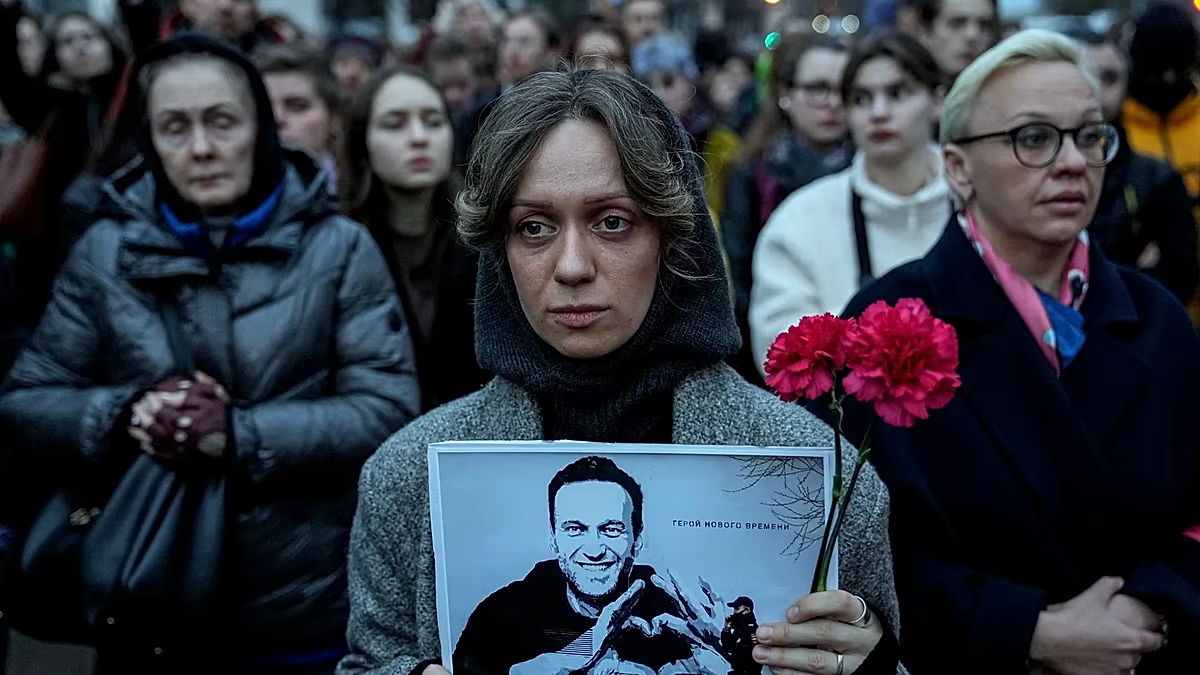
The EU Council on July 3 slapped asset freezes and travel bans on six Russian scientists connected to the poisoning of opposition leader Alexei Navalny, who died under suspicious circumstances in February 2024. The sanctions target researchers associated with the Signal Scientific Center, a facility implicated in synthesizing epibatidine, a powerful neurotoxin derived from South American poison dart frogs.
What happened and why it matters
A joint statement issued on February 14, 2026 by the UK, France, Germany, Sweden, and the Netherlands confirmed the presence of epibatidine in samples taken from Navalny. The toxin is reportedly absent in Russia’s natural environment, which made its appearance in Navalny’s system particularly suspicious to Western investigators.
This latest action builds on a pattern. The EU previously imposed sanctions on Russian officials and entities following Navalny’s poisoning with the nerve agent Novichok in 2020. That earlier round marked one of the first times Western governments drew a direct line between Kremlin-adjacent chemical weapons research and individual accountability.
Russia has dismissed all allegations as propaganda, maintaining that Navalny’s death on February 16, 2024 resulted from natural causes.