An explosion in the heart of one of Europe's most tightly secured territories has opened an investigation that now stretches from Monaco to Germany, with a Ukrainian security service named as a possible suspect in an attack Monaco's own prosecutors initially treated as a case of organized crime. Nearly a week after the blast, the central facts are established, but the motive and the identity of who ordered it remain open questions.
The attack
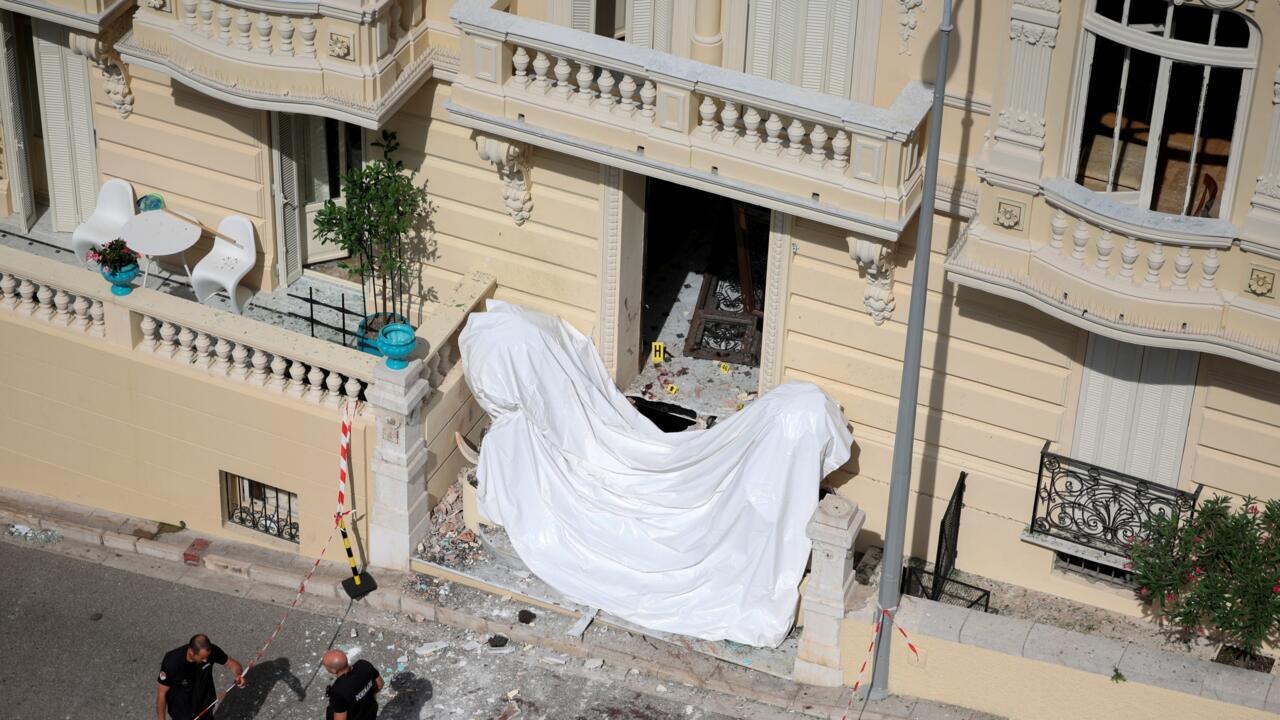
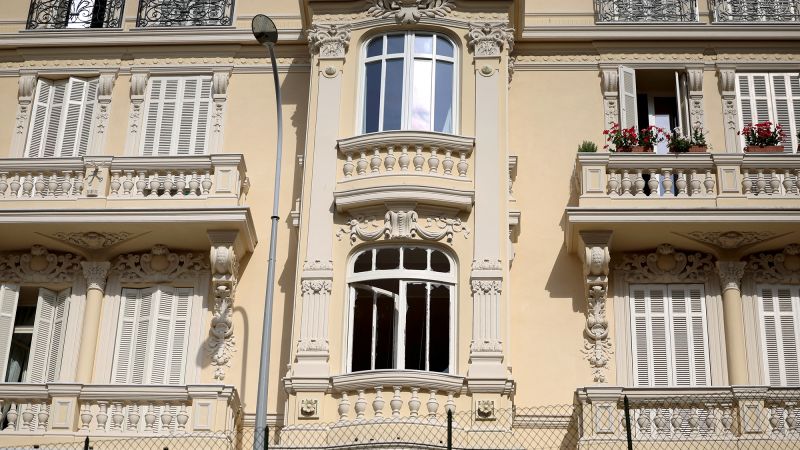
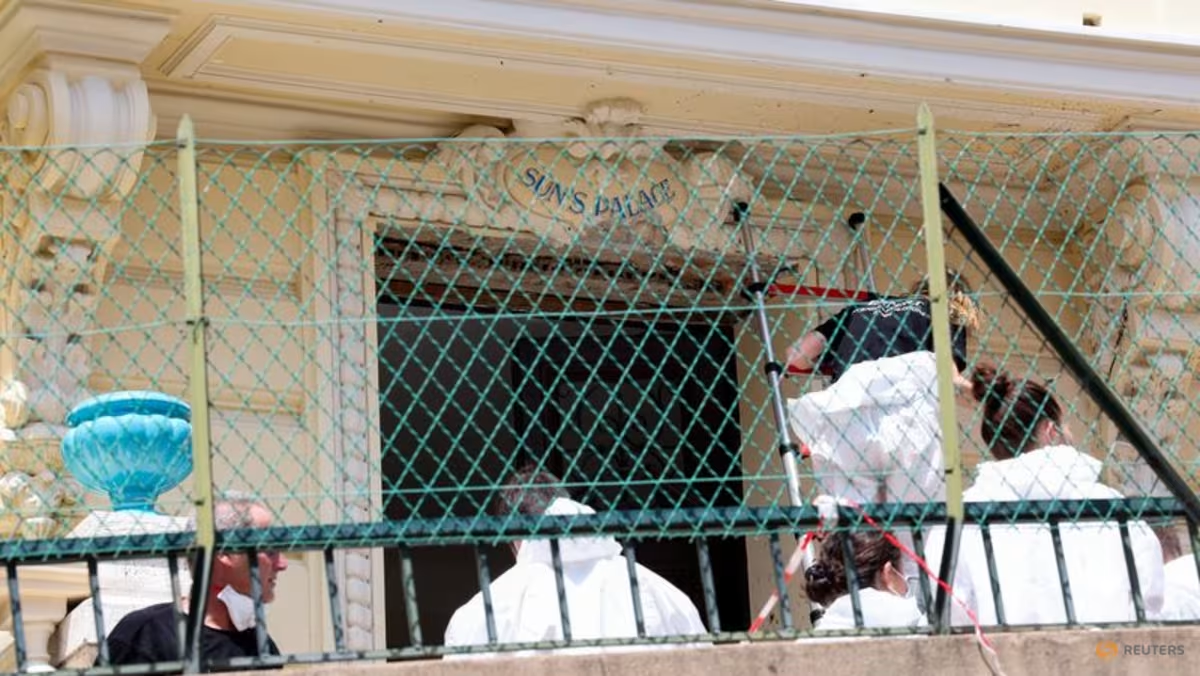
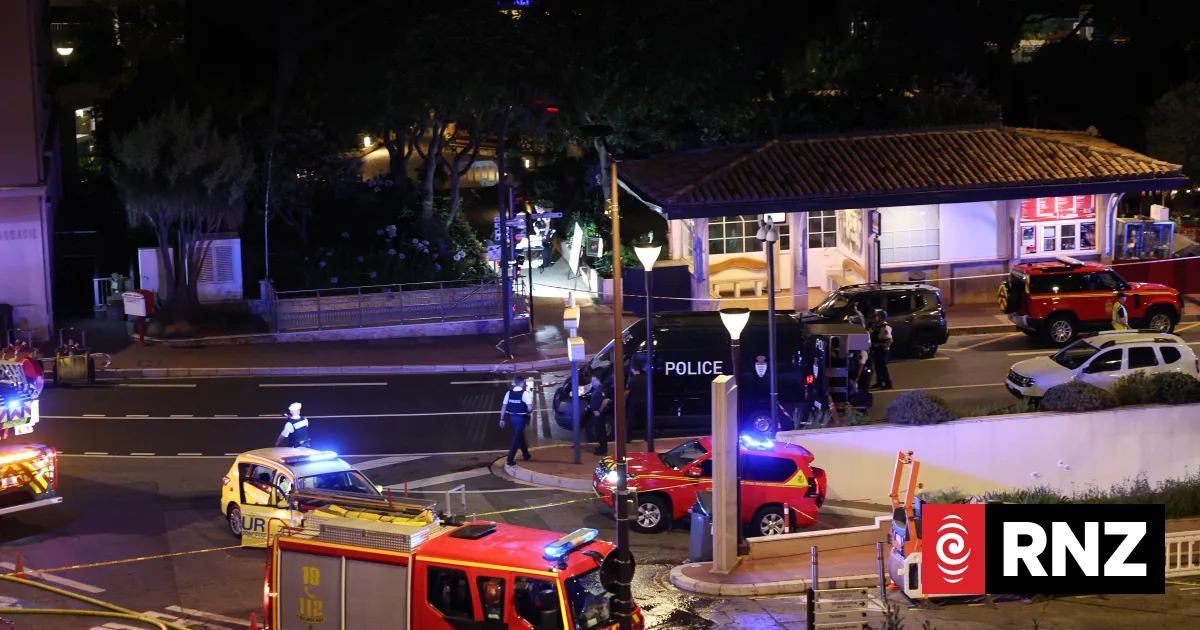
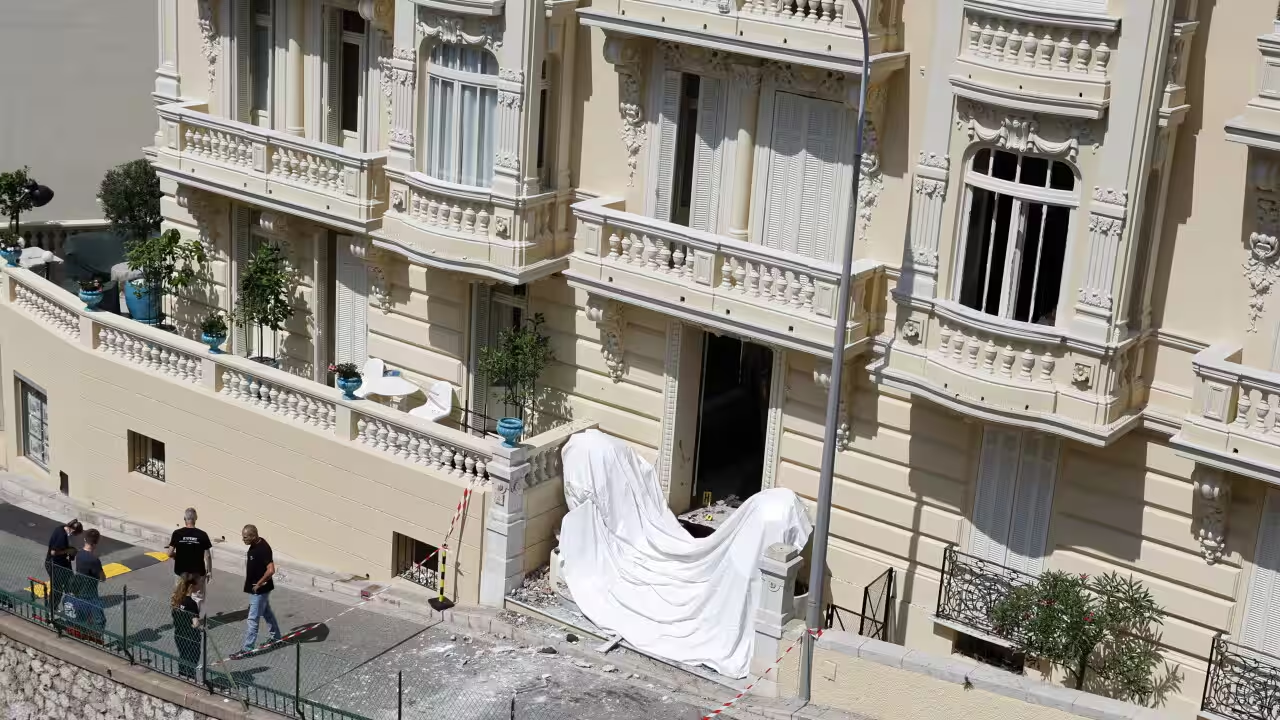
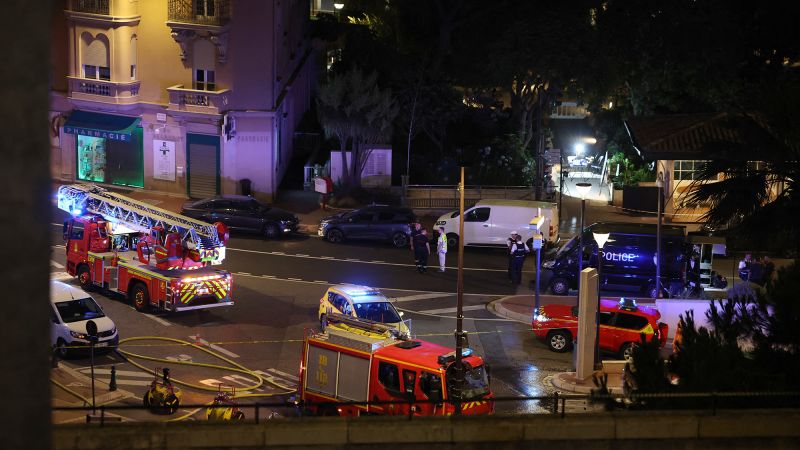
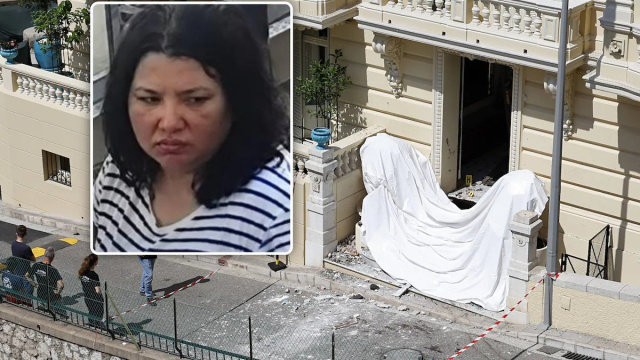
At around 21:00 on June 29, an explosive device went off in the entrance hall of a residential building in Monaco, close to the border with France. According to Monaco's Minister of State, Christophe Mirmand, three members of a family were entering the building when the device detonated. The prosecutor's office said a package had been left in the lobby earlier that evening and was later detonated remotely.
Three people were injured, two of them seriously. French and Monegasque officials have not officially confirmed their identities, citing privacy rules, but multiple French outlets, including BFMTV, Nice-Matin and Le Figaro, along with Ukraine's own Ministry of Foreign Affairs, identified the victims as businessman Vadym Yermolaiev, his partner and their 13-year-old son. Yermolaiev suffered burns and shrapnel wounds; his partner, reported by French media as Anna Nasobina, lost both legs and remained in critical condition for several days. The child's injuries were described as less severe. Ukraine's foreign ministry said in a statement that it was in contact with Monaco's authorities and confirmed that the injured were "members of a family of Ukrainian origin," while noting that their citizenship status was still being verified.