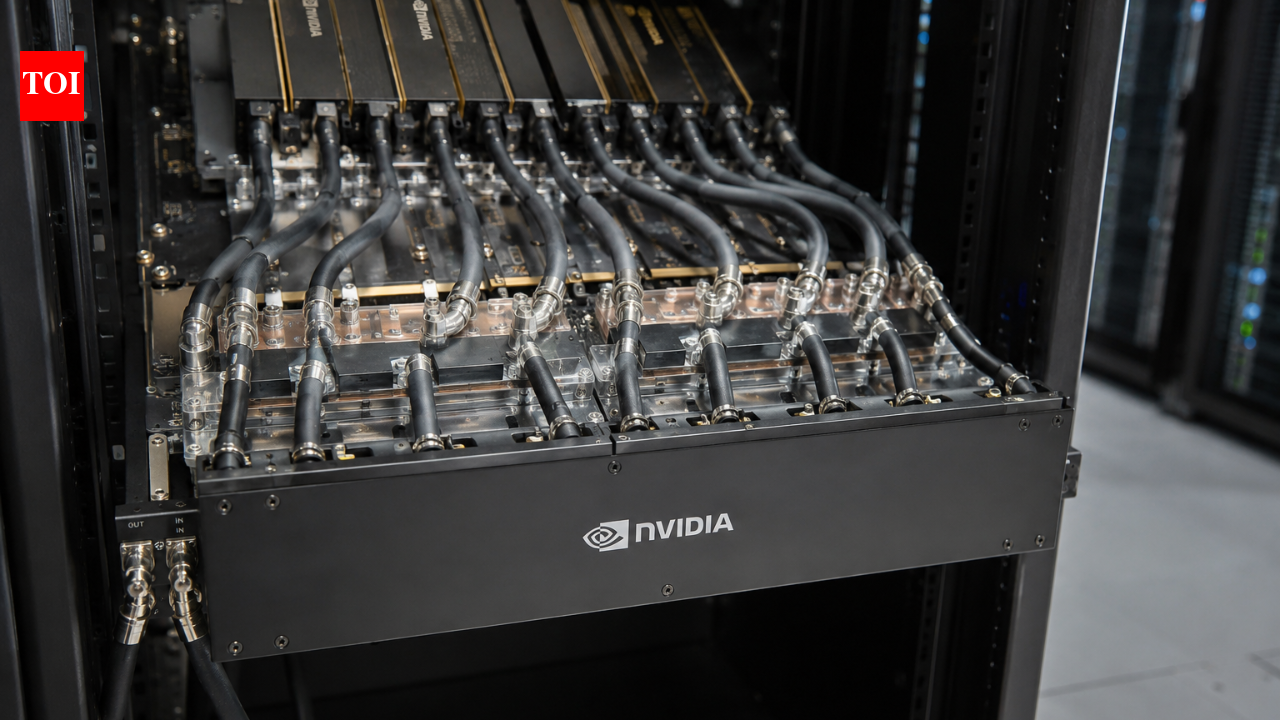
Artificial intelligence has fundamentally altered the physics of the modern data center. While large-scale training models often capture public attention, it is AI inference—the continuous, real-time execution of trained models—that is rapidly reshaping how digital infrastructure must be designed, powered, and protected. Inference workloads now underpin transportation analytics, industrial automation, healthcare diagnostics, financial services, and consumer-facing applications, embedding AI into daily operations across nearly every business sector.
For data center owners and operators, this shift introduces a convergence of unprecedented challenges. Computational density continues to rise, electrical loads are becoming more volatile, utilities face increasing strain, and communities are scrutinizing how and where energy is consumed. At the same time, expectations for uptime have never been higher. AI inference environments leave little tolerance for disruption; even momentary instability can cascade into costly, highly visible outages.
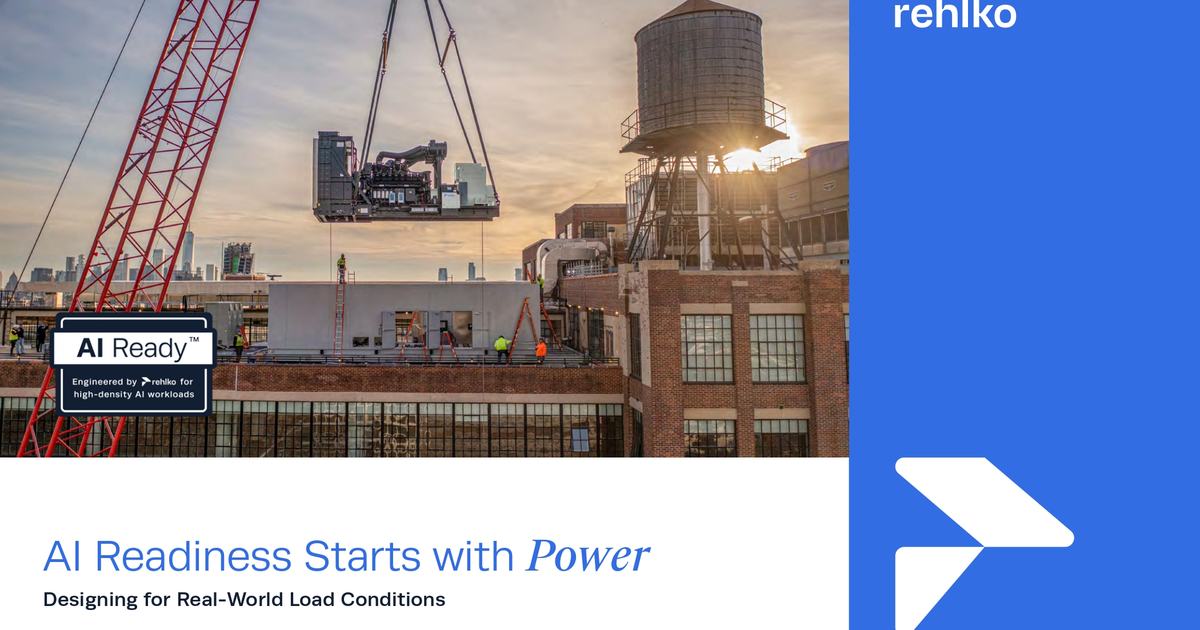
Navigating this landscape requires a recalibration of long-standing infrastructure assumptions. Reliability is no longer achieved through incremental upgrades to legacy systems, but through a coordinated approach that aligns electrical performance, thermal resilience, and energy continuity with the realities of AI-driven operations. Power quality, cooling performance, and backup energy sourcing have emerged as the defining decision points shaping whether inference environments can scale confidently and operate reliably under pressure.