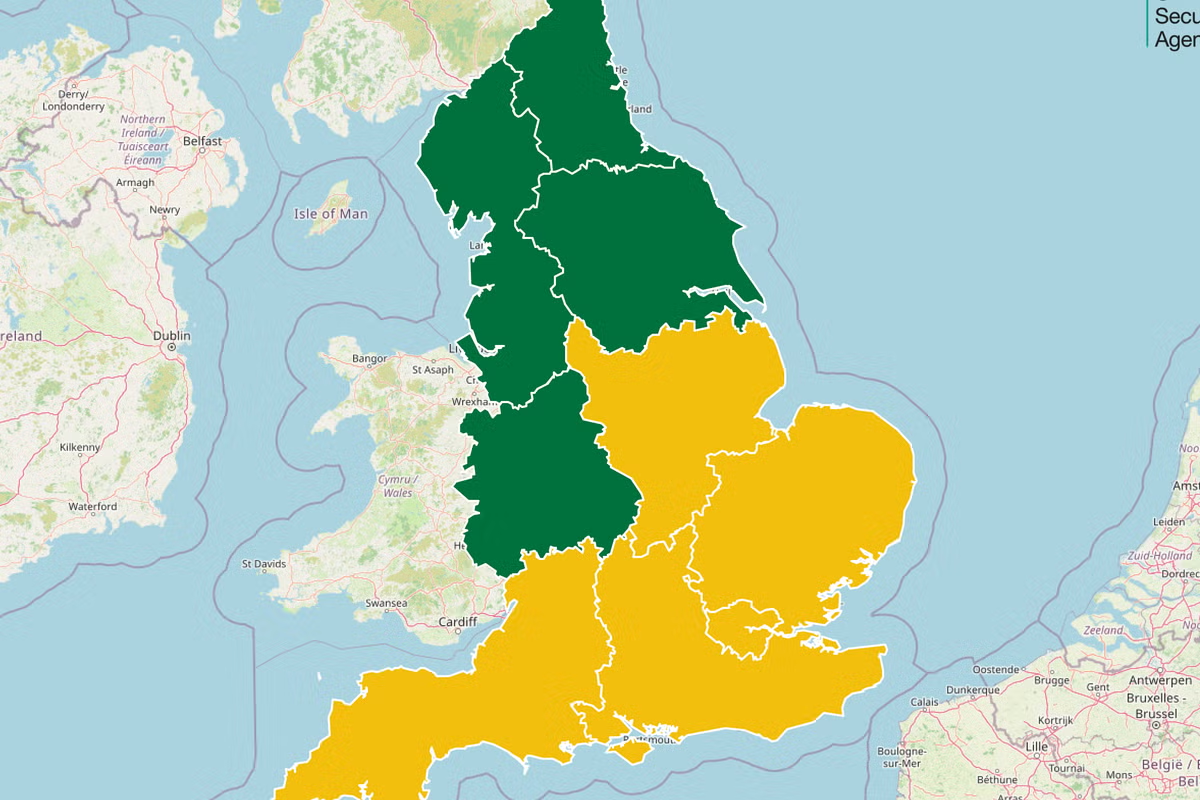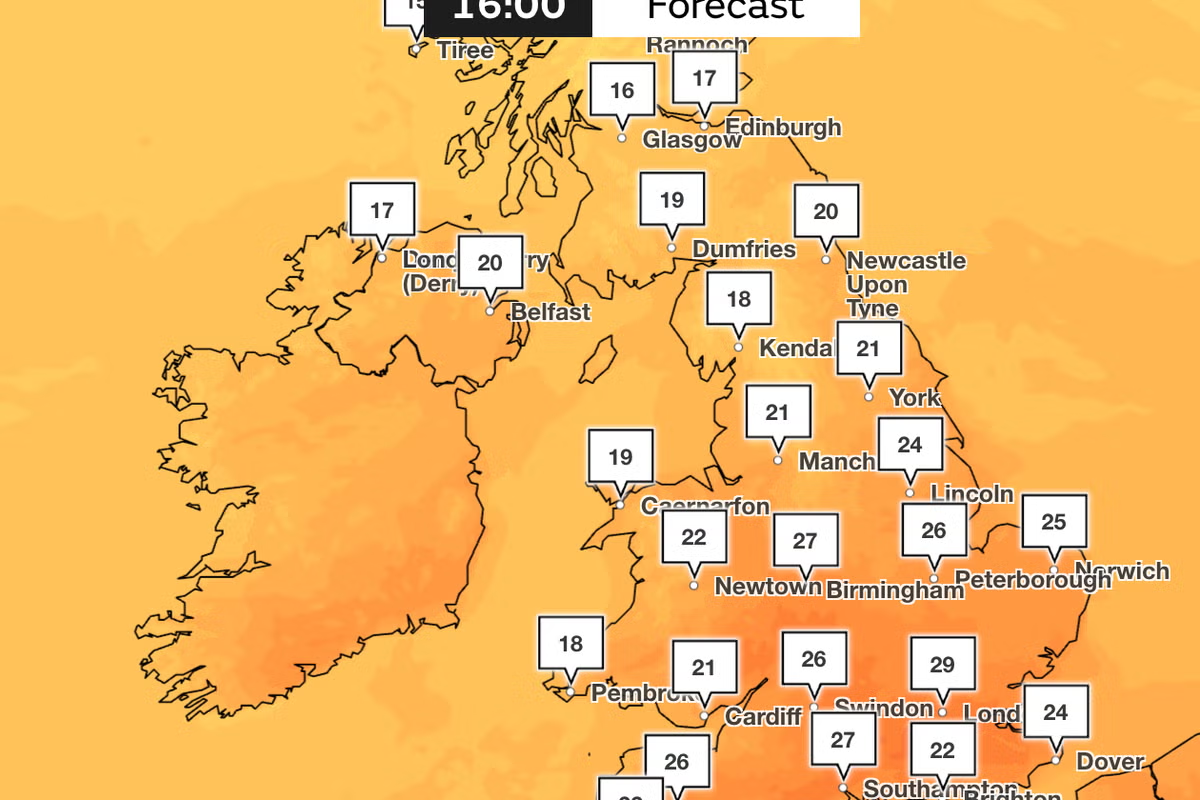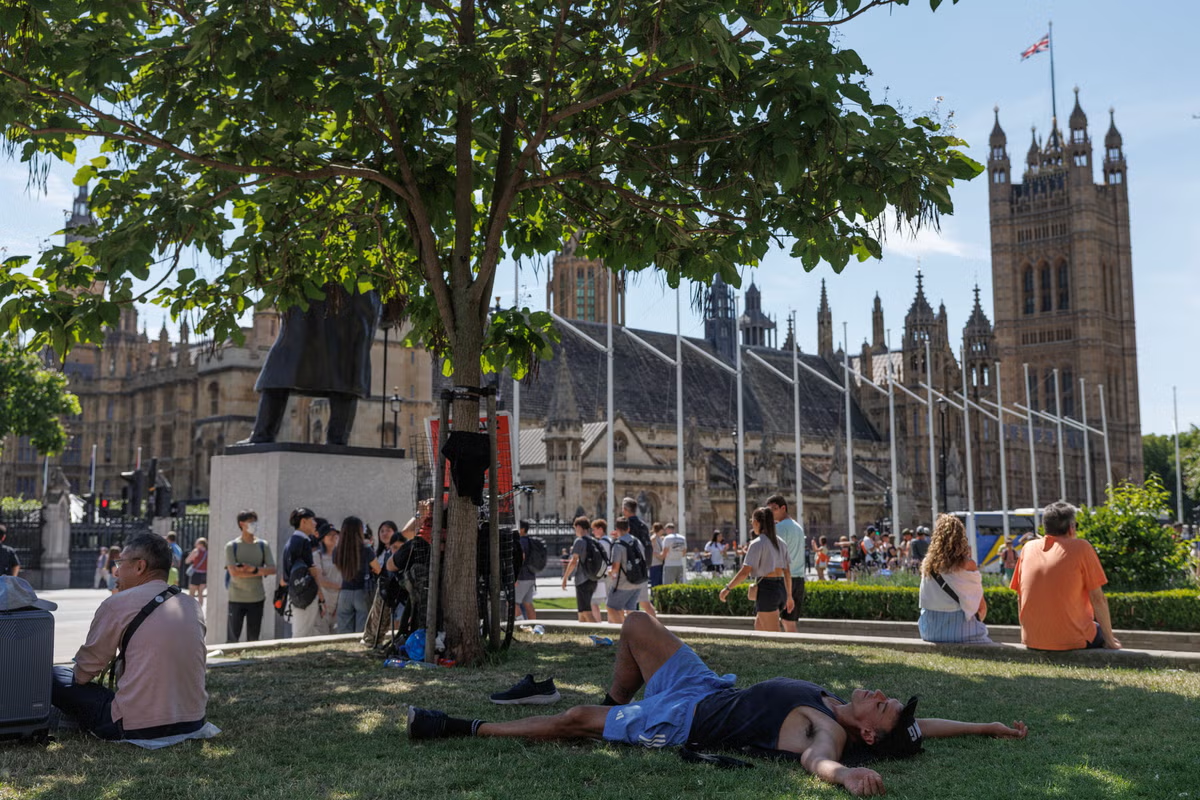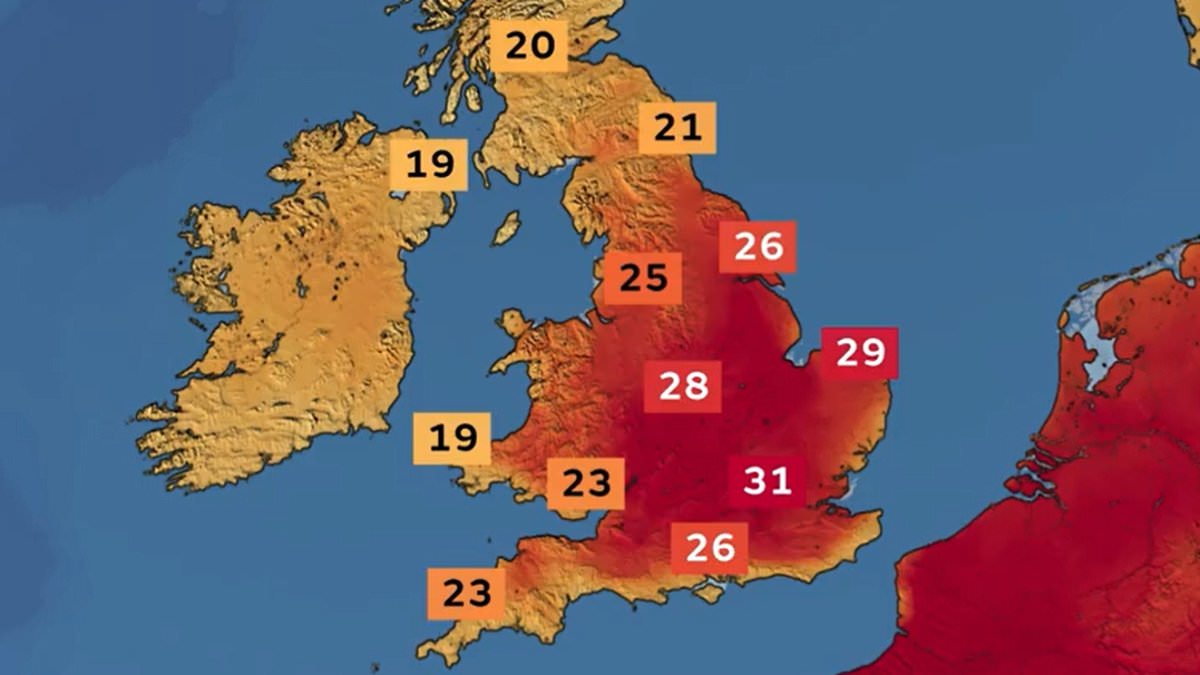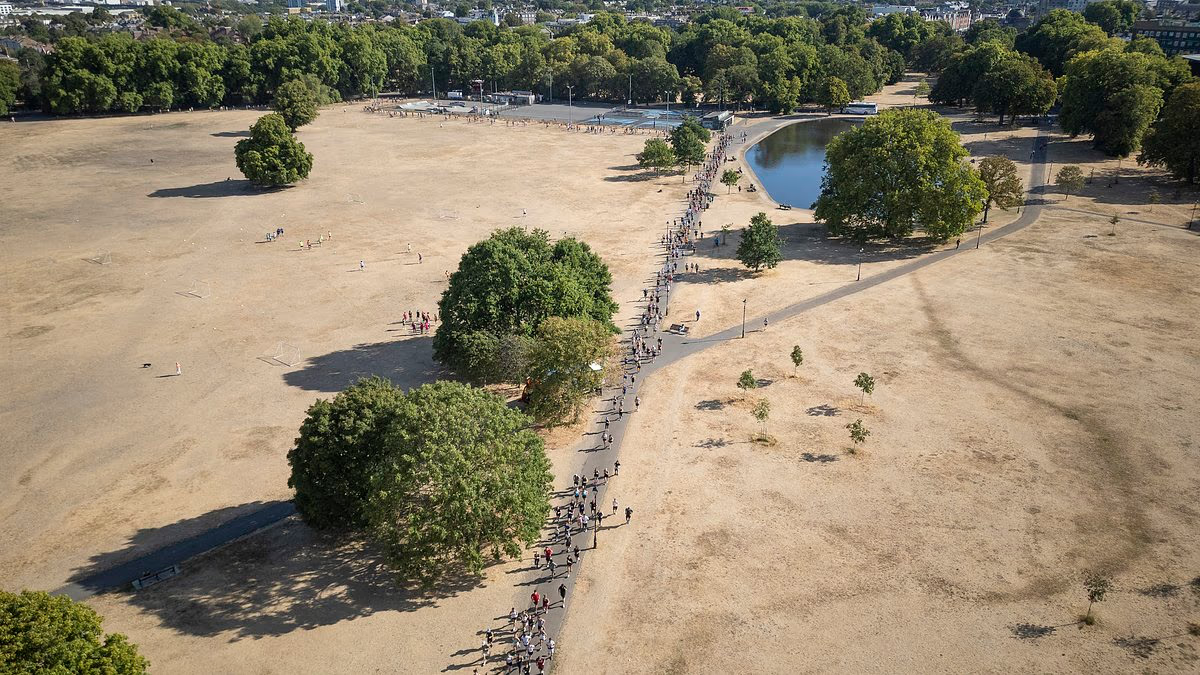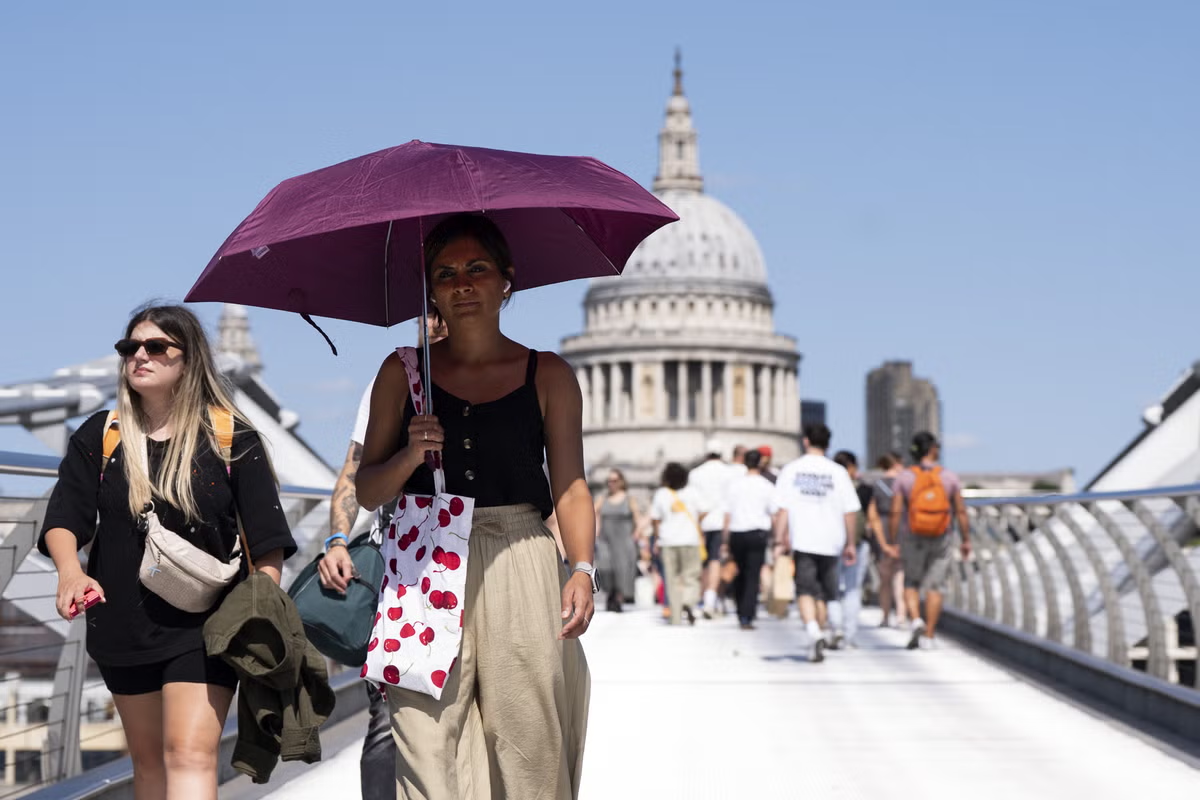
Brits have been told to brace for an eight-day heatwave from tomorrow as a Government health alert was extended and highs of 32C were forecast.A yellow heat health alert warning of a 'risk to life' was issued earlier this week for southern and eastern England and the East Midlands from tomorrow until Wednesday.But this morning, the UK Health Security Agency (UKHSA) confirmed it had extended the alert to run until the following Saturday and also now cover the West Midlands.It comes as Southern Water confirmed a hosepipe ban, placing one million people across Hampshire and the Isle of Wight under restrictions a second year in a row.The firm said the ban would come into force on July 10 but asked customers to 'put down their hosepipes now, to avoid putting the network under further pressure'.Also today a previously-announced hosepipe ban by South East Water for 850,000 customers in Kent came into force, which bosses said followed record demand.Bosses have also asked their customers in parts of Hampshire and Sussex to reduce water use in the morning and evening to prevent low pressure issues at peak times. Anglian Water, which supplies much of eastern England, has asked its customers not to use hosepipes to conserve water but has stopped short of an official ban. The restrictions ahead of the third heatwave of 2026 follow the hottest ever spring and June for England and the UK's highest ever temperatures in May and June. A beautiful sunrise at Glastonbury Tor in Somerset this morning as temperatures build again Noctilucent clouds at St Mary's Lighthouse in Whitley Bay, North Tyneside, early this morning The UK Health Security Agency heat health alert now runs from tomorrow until next SaturdayThe UKHSA is warning of 'greater risk to life of vulnerable people' and 'water‑related incidents may increase, including risks from cold water shock and drowning'.The heatwave could also bring 'increased use of healthcare services by vulnerable people' and 'increased potential for indoor environments to become very warm'.Health officials fear further deaths after at least 11 people died in water-related incidents during the June heatwave – on top of the 17 during the May heatwave. Hosepipe bans and requests from firms Southern Water: Hosepipe ban for one million people across Hampshire and the Isle of Wight, in force from July 10South East Water: Hosepipe ban for 850,000 people in Kent, in force from today. People in Hampshire and Sussex asked to reduce water useAnglian Water: No hosepipe ban, but customers asked not to use them to conserve water The Met Office expects temperatures to range between 28C and 32C over the next week in London – with the hottest weather currently expected next Monday.Forecasters say a heatwave is three days in a row with daily maximums meeting or exceeding a threshold, which varies around the UK but is 28C in London.Met Office meteorologist Annie Shuttleworth confirmed an area of high pressure building from the Azores will 'dominate our weather at least through much of next week, bringing plenty of dry and settled and sunny weather'.She added: 'It is going to warm up day on day with high pressure staying in place. But with westerly winds, temperatures are not expected to breach the peaks that we saw through the June heatwave.'And it's also not quite as hot across western areas of Europe as that heatwave has pushed off into more eastern areas of Europe.'So although we are expecting heatwave conditions to develop across the UK by early next week, particularly across the South, we are not expecting the exceptional temperatures that we saw through late June.'Allergy UK warned people living with asthma or hay fever could experience 'thunderstorm asthma', which occurs when thundery weather causes high winds to bring pollen and pollution into the atmosphere, which can then be inhaled deep into the lungs, triggering or worsening asthma symptoms. South East Water: A hosepipe ban is in force for Kent, with others asked to reduce water use Southern Water: A hosepipe ban for Hampshire and the Isle of Wight is in force from July 10Amena Warner, head of clinical services at the charity, said: 'Most people with hay fever will experience their normal range of symptoms – sneezing, runny nose and itchy eyes, but these will be more extreme.'However, more worryingly, hay fever can cause asthma symptoms to worsen and thunderstorm conditions can cause even mild symptoms to become severe, such as difficulty breathing and chest tightening.'For anyone affected by asthma and hay fever, it's important to be prepared and diligent in taking allergy treatments and medications to manage symptoms. TOP TEN HOTTEST DAYS IN BRITAIN - INCLUDING TWO LAST WEEK 1 40.3C July 19, 2022 Coningsby, Lincolnshire 2 38.7C July 25, 2019 Cambridge 3 38.5C August 10, 2003 Faversham, Kent 4 38.2C July 18, 2022 Pitsford, Northamptonshire 5 37.8C July 31, 2020 London Heathrow 6 37.7C June 26, 2026 Lingwood, Norfolk 7 37.1C August 3, 1990 Cheltenham, Gloucestershire 8= 36.7C August 9, 1911 Raunds, Northamptonshire 8= 36.7C July 1, 2015 London Heathrow 8= 36.7C June 25, 2026 Merryfield, Somerset 'Anyone who experiences difficulty breathing should seek medical help without delay.'The charity said people can reduce the risks related to thunderstorm asthma by staying indoors before, during and after the storm, wearing a mask when outdoors to reduce pollen exposure, taking their usual medication, keeping a reliever inhaler with them and monitoring their asthma in case it deteriorates.Meanwhile Brits have been struggling to buy air conditioning units amid huge demand during the May and June heatwaves - leading to huge queues outside Lidl last week for a £150 device.Currys boss Alex Baldock warned AC supplies were 'pretty tight' ahead of the next heatwave, adding that units have been 'flying off the shelves' with AC sales up 330 per cent over the latest heatwave weekend compared to a week earlier.In France, people fought at Lidl after the chain promised to put 200,000 fans and AC units on shelves - with shoppers resorting to violence to ensure they got one.The UKHSA's new alert comes after a sweltering heatwave last week, during which the Met Office issued a rare red warning for extreme heat for parts of the country and the UKHSA put red heat health alerts in place.The UK set a provisional June temperature record of 37.7C on Friday in Lingwood in Norfolk, according to the Met Office. The heatwave threshold is defined as three consecutive days at or above a set temperatureIt beats the previous June record for the UK of 35.6C dating back to 1976 by more than 2C.Last week also saw two of the UK's top ten hottest days on record – one being the 37.7C and the other a 36.7C high at Merryfield in Somerset last Thursday.In addition, last month was provisionally the warmest June in England since records began, as well as the second warmest for the UK.The average temperature in England across the month was 17.1C, beating the previous June record of 16.9C set last year.It means England's top three warmest Junes since data began in 1884 have all occurred this decade, with 2026 in first place, 2025 second and 2023 (16.7C) third.The mean temperature across the UK was 15.6C, ranking behind only 15.8C in 2023.Last month also saw a provisional new June record for the highest overnight minimum, with temperatures at Cardiff Bute Park dropping no lower than 23.5C on June 25.This year has also seen the highest May temperature on record, with 35.1C measured on May 26 at Kew Gardens in London.England and Wales both experienced their warmest spring on record in 2026, thanks partly to the heatwave in late May.
Britain put under eight-day heat health alert from tomorrow
The UK Health Security Agency has extended a yellow heat health alert which will now run from tomorrow until next Saturday, while Southern Water announced a hosepipe ban.
1,268 words~6 min read