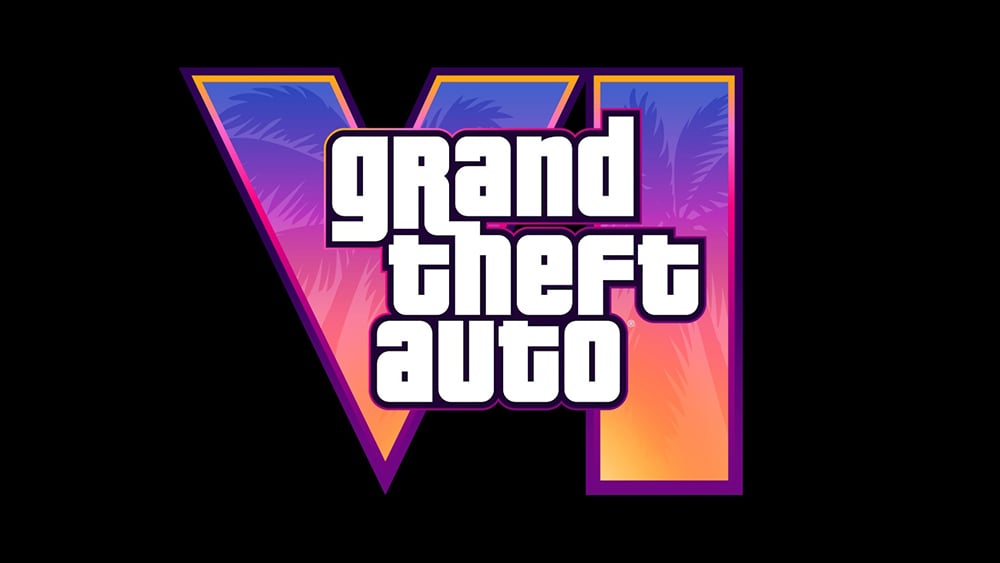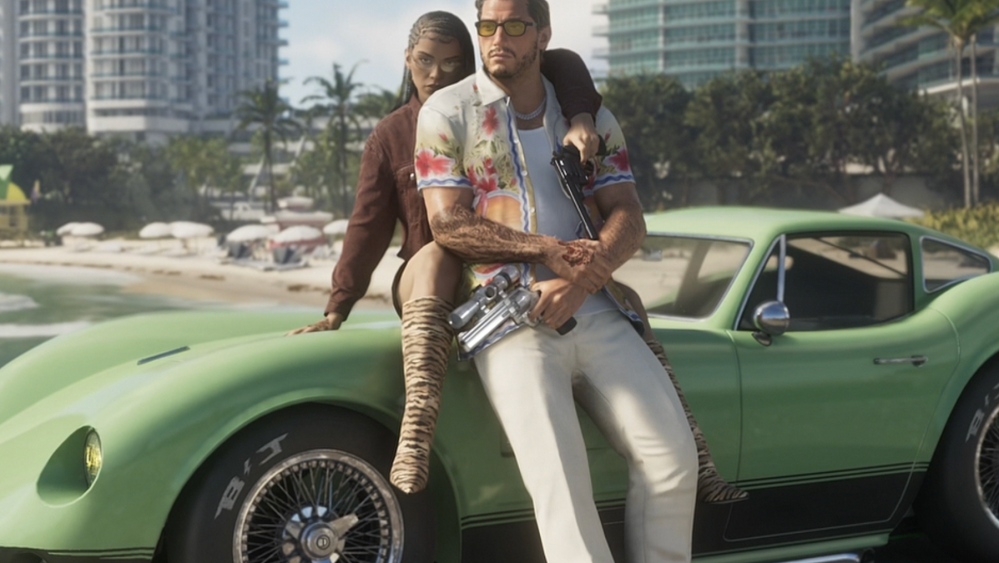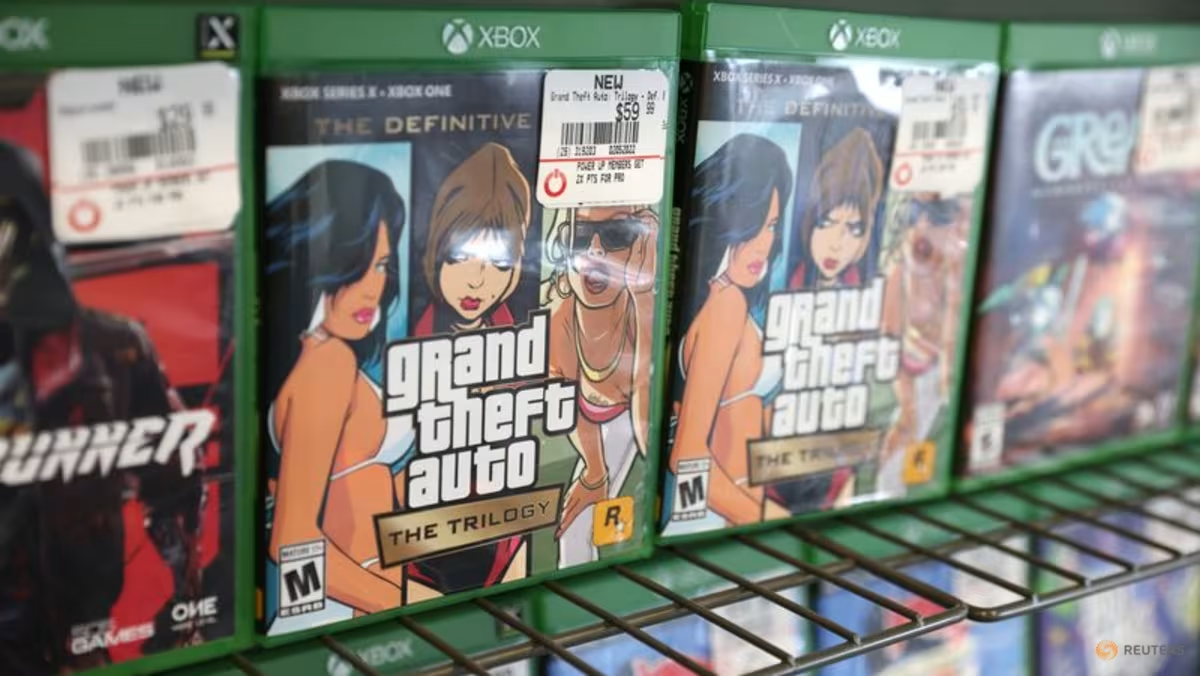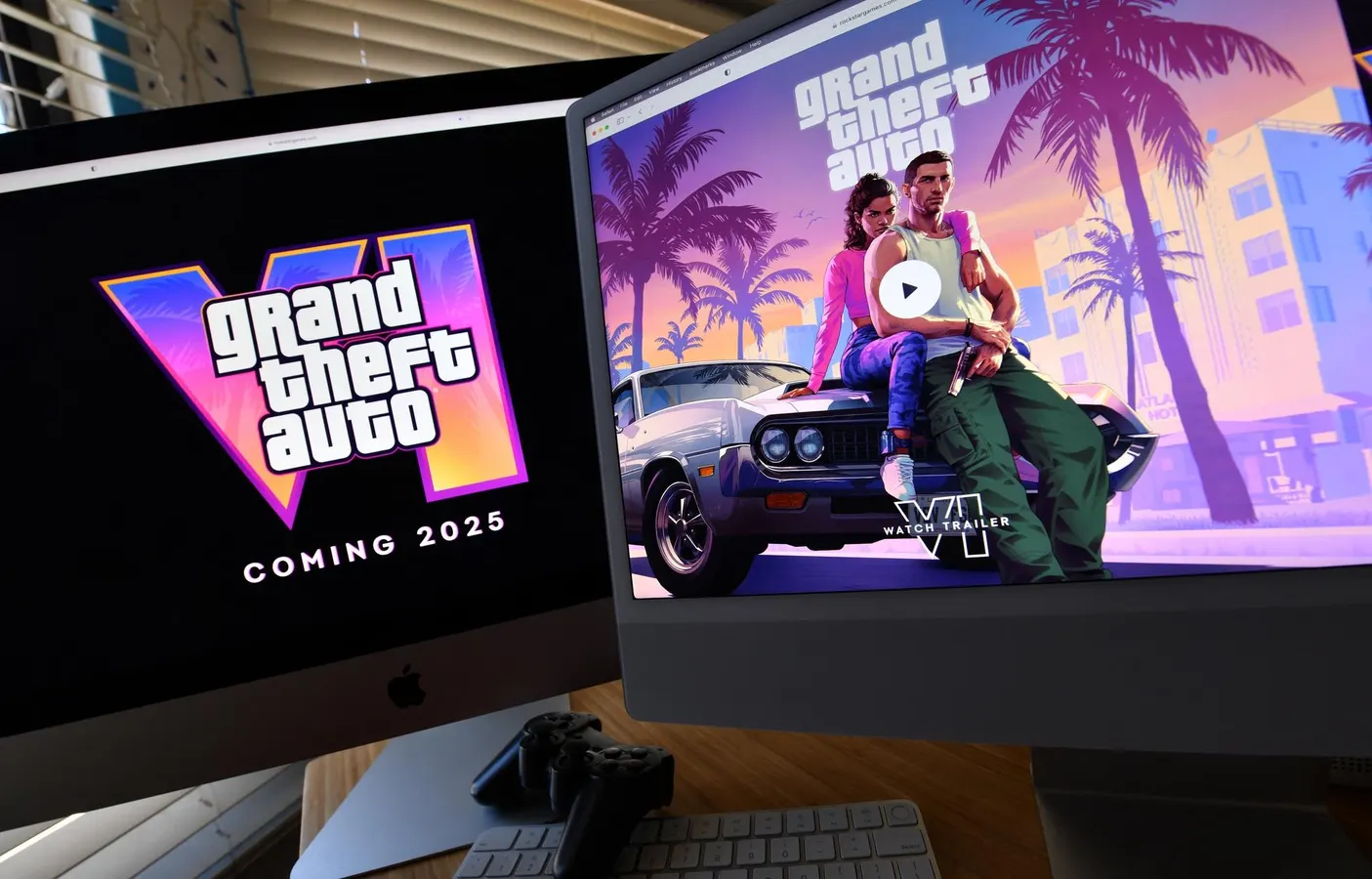
Take-Two is a blockbuster machine with games like GTA 6 but also has annual revenue through sports and mobile games.SOPA Images/LightRocket via Getty ImagesGrand Theft Auto 6 is expected to sell up to 40 million copies in a single day when it launches on November 19th. Analysts predict that will translate into revenues of $3 -4 billion. If that happens, Take-Two Interactive (the company behind the game) will smash its own record, when GTA 5 made $815.7 million on release day in 2013. While gamers are swept up in the frenzy sparked by the trailer, executives have a different question: what is the strategic formula behind a company that captivates an entire industry? The first impression is that Take-Two Interactive embraces the old block-buster model perfected by Hollywood. That’s certainly a rebel strategy move, when most gaming companies worked hard to become more predictable, reducing financial volatility through reoccurring revenue models. A closer look at Take-Two suggests that it combines a fine-tuned blockbuster model with hedges that carry the company through the fallow years when there are no big new releases. That’s a strategy move other product focused industries can learn from. Find your core-success formulaThe first component of a GTA’s blockbuster-strategy dates back to 1996 when Head of Development Sam Houser took a traditional police-simulator game called Race and Chase and transformed it by making the player the criminal. Points were earned by shooting police officers and running over pedestrians. The public condemnation from the House of Lords was treated as free marketing. The lesson: firms can succeed by embracing—or even weaponizing—controversy. But controversy alone was not enough. As computing power increased, the GTA team developed immersive cinematic storytelling. The third instalment of the franchise included radio stations, pedestrian dialogues, and references to iconic gangster movies. It felt more like an interactive film attracting a mainstream audience. When GTA: Vice City brought 1980s Miami to life in neon glory, world-building fully complemented the storytelling. The reward: it was America’s bestselling game in 2002. The last component of the rebel strategy was to give the development studio big budgets and full autonomy to ensure it could come up with show-stopping games. Grand Theft Auto V took five years and an unprecedented $265 million budget. GTA 6 has been postponed several times and analysts estimate it cost more than building the Burj Khalifa. Take-Two does not worry about keeping to a schedule. It releases information on a random day, creating a buzz among gamers. To date there is only a cinematic trailer and a few screenshots available for GTA 6, no gameplay or beta-versions. Play Puzzles & Games on ForbesTogether these three components ensure both the quality of a hit product and the hype needed to break through in a crowded games market. Scale and replicate the formulaA formula to build blockbusters is great but the real genius of Take-Two was to make it scalable and replicable.Technology, more specifically the engine powering the GTA franchise was crucial here. In 2004 Electronic Arts, Take-Two’s main rival, acquired Criterion Games. The problem was that Criterion owned RenderWare, the engine used for GTA. Angel Studios (rebranded as Rockstar San Diego), a recent acquisition had its own engine for titles like Midtown Madness. Now it was tasked to develop something more powerful. Rockstar Advanced Game Engine (RAGE) was first tested on a table tennis game in 2006 and subsequently became the backbone of GTA. It created the capabilities necessary to build massive, highly-detailed, and open worlds for players to explore. The tech stack allowed Take-Two to ruthlessly overhaul other games it acquired, applying the same formula for success. For example, when Take-Two bought Capcom it decided to cancel a cartoonish, arcade-style Japanese shooter project named Red Dead Revolver. Injecting narrative grit and open-world freedom, it transformed the project into Red Dead Redemption. This was more akin to GTA in the Wild West. As of today, the franchise has sold 115 million copies. The same pivot was executed after buying a linear, mid-budget PC shooter called Max Payne. Once again, a high-budget cinematic blockbuster was created. Take-Two’s homegrown developments, such as Bully and Manhunt, all adopted the same formula. Rather than reinventing the wheel with each generation, Take-Two perfected the model and applied it repeatedly across its product range. You can think of it as the evolution of a unique, simulation-heavy blockbuster formula that worked again and again. Hedge against the downsides of your formulaThere is one big potential downside to Take-Two’s original blockbuster formula. Once the first buzz dies off, sales start to dip. The most important series, Grand Theft Auto is also the one that takes the longest to develop. Gamers waited 13 years for the new instalment. A wait that long can easily frustrate investors. Other hit games reduce the risk, but not entirely. So to get through this period, Take-Two came up with a sophisticated hedge. First, it introduced micro-payments to generate ongoing income from GTA. When this was launched in 2013, it was marked by server crashes and other technical disasters. These initial difficulties were soon overcome and players were keen to purchase apartments, criminal enterprises and weapons. By April 2016 GTA online crossed $500 million in cumulative micro-payments. Second, Take-Two diversified. Adult-rated blockbusters ran under the Rockstar Games label, while family friendly games were published by 2K. This includes annual sports game releases like NBA 2K with predictable revenues. The diversification strategy was taken one step further with the $12.7 billion acquisition of Zynga, a mobile phone gaming company. During the financial year ending in March 2026, Zynga accounted for around 50% of Take-Two revenues. By comparison, Rockstar Games accounted for 16% and 2K for 34-35%. This is expected to shift dramatically after the release of GTA 6, with Rockstar accounting for 36% of total revenues. This does not mean that 2K and Zynga are shrinking. It’s a manifestation of how the blockbuster model works, with Rockstar sales expected to almost triple. Learning from Take TwoCombining smart hedging techniques with the replicable blockbuster formula makes the Take-Two a great strategy blueprint for product focused companies. And it’s not just applicable to creative industries. Pharma and automotive companies can copy this approach too. A word of caution though: great strategies are always unique. So use Take-Two as an inspiration but don’t forget to make some tweaks that work for you.
GTA 6 And Take-Two Interactive: The ‘Rebel Strategy‘ Driving A Gaming Titan
What can strategists learn from GTA maker Take-Two? How a replicable blockbuster formula and smart hedging created one of gaming's greatest success stories.
1,059 words~5 min read