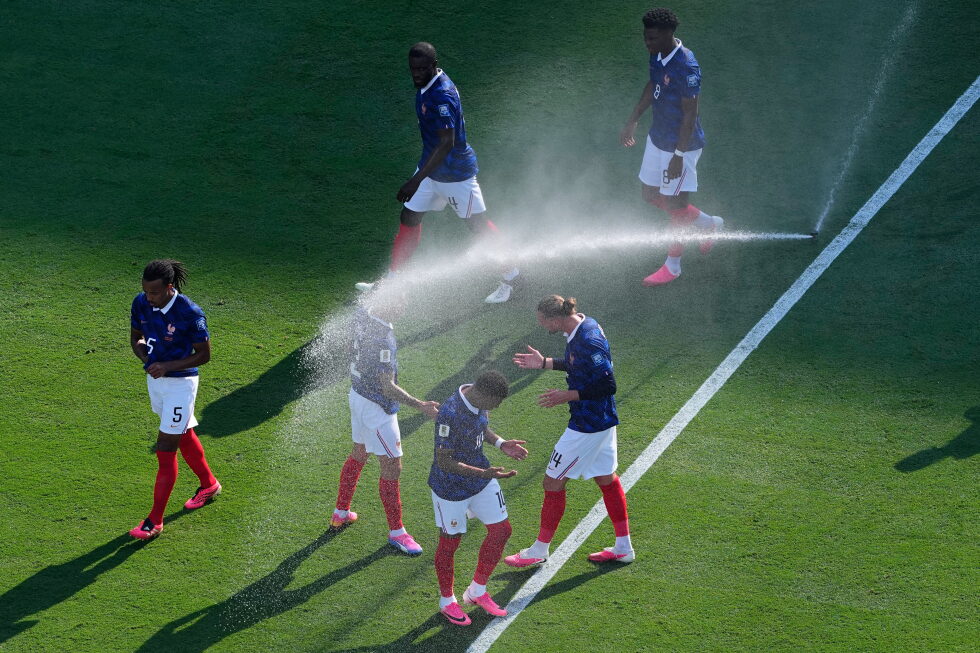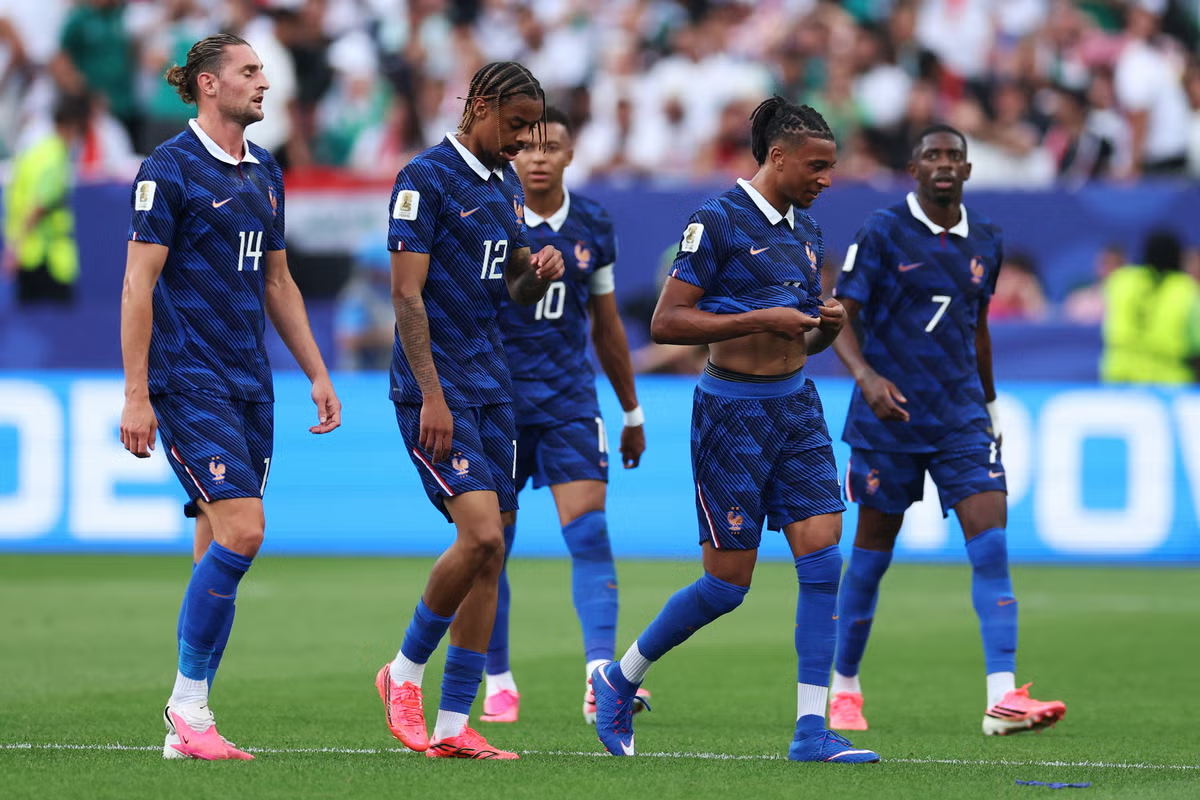
Stay up to date with notifications from The IndependentNotifications can be managed in browser preferences.Jump to contentThank you for registeringPlease refresh the page or navigate to another page on the site to be automatically logged inPlease refresh your browser to be logged inAllNewsSportCultureLifestyleA crucial World Cup knockout match between France and Paraguay in Philadelphia on Saturday is expected to be one of the tournament's hottest, coinciding with a severe heatwave across the eastern and central United States, with peak heat indexes forecast to reach a dangerous 100 F to 115 F (37.78 C to 46.11 C). The extreme temperatures pose significant health risks for both players, who face exertional heat illness and impaired performance, and tens of thousands of fans, particularly those consuming alcohol, with warnings of potential heat-related incidents. Scientists have criticised Fifa's current heat safety guidelines as 'inadequate' and 'impossible to justify,' noting that the global temperature increase due to climate change has intensified and made such heatwaves more frequent, linking the current conditions to a 1.26 F (0.7 C) warming since the US last hosted the World Cup. Experts explain that heat impacts athletes by making it harder for their bodies to cool down internally and externally, with intense exertion in scorching conditions leading to severe fatigue, impaired decision-making, and potentially exertional heat stroke, the third leading cause of death among athletes. Despite Fifa's protocols like hydration breaks and limiting outdoor matches, medical professionals and players' unions, including Fifpro, advocate for stricter measures, such as delaying matches at a lower threshold of 82.40 F (28 C), while teams employ strategies like acclimatisation and focusing on technical play to mitigate heat stress. In fullWorld Cup heatwave sparks safety fears ahead of France v Paraguay clash in PhiladelphiaMore bulletinsThank you for registeringPlease refresh the page or navigate to another page on the site to be automatically logged inPlease refresh your browser to be logged in
World Cup match to be played in extreme Philadelphia heat
Stay up to date with notifications from The IndependentNotifications can be managed in browser preferences.Jump to contentThank you for registeringPlease refresh the page or navigate to another page on the site to be automatically logged inPlease refresh your browser to be logged inAllNewsSportCultureLifestyleA crucial World Cup knockout match between France and Paraguay in Philadelphia on Saturday is expected to be one of the tournament's hottest, coinciding with a severe heatwave across the eastern and central United States, with peak heat indexes forecast to reach a dangerous 100 F to 115 F (37.78 C to 46.11 C). The extreme temperatures pose significant health risks for both players, who face exertional heat illness and impaired performance, and tens of thousands of fans, particularly those consuming alcohol, with warnings of potential heat-related incidents. Scientists have criticised Fifa's current heat safety guidelines as 'inadequate' and 'impossible to justify,' noting that the global temperature increase due to climate change has intensified and made such heatwaves more frequent, linking the current conditions to a 1.26 F (0.7 C) warming since the US last hosted the World Cup. Experts explain that heat impacts athletes by making it harder for their bodies to cool down internally and externally, with intense exertion in scorching conditions leading to severe fatigue, impaired decision-making, and potentially exertional heat stroke, the third leading cause of death among athletes. Despite Fifa's protocols like hydration breaks and limiting outdoor matches, medical professionals and players' unions, including Fifpro, advocate for stricter measures, such as delaying matches at a lower threshold of 82.40 F (28 C), while teams employ strategies like acclimatisation and focusing on technical play to mitigate heat stress. In fullWorld Cup heatwave sparks safety fears ahead of France v Paraguay clash in PhiladelphiaMore bulletinsThank you for registeringPlease refresh the page or navigate to another page on the site to be automatically logged inPlease refresh your browser to be logged in