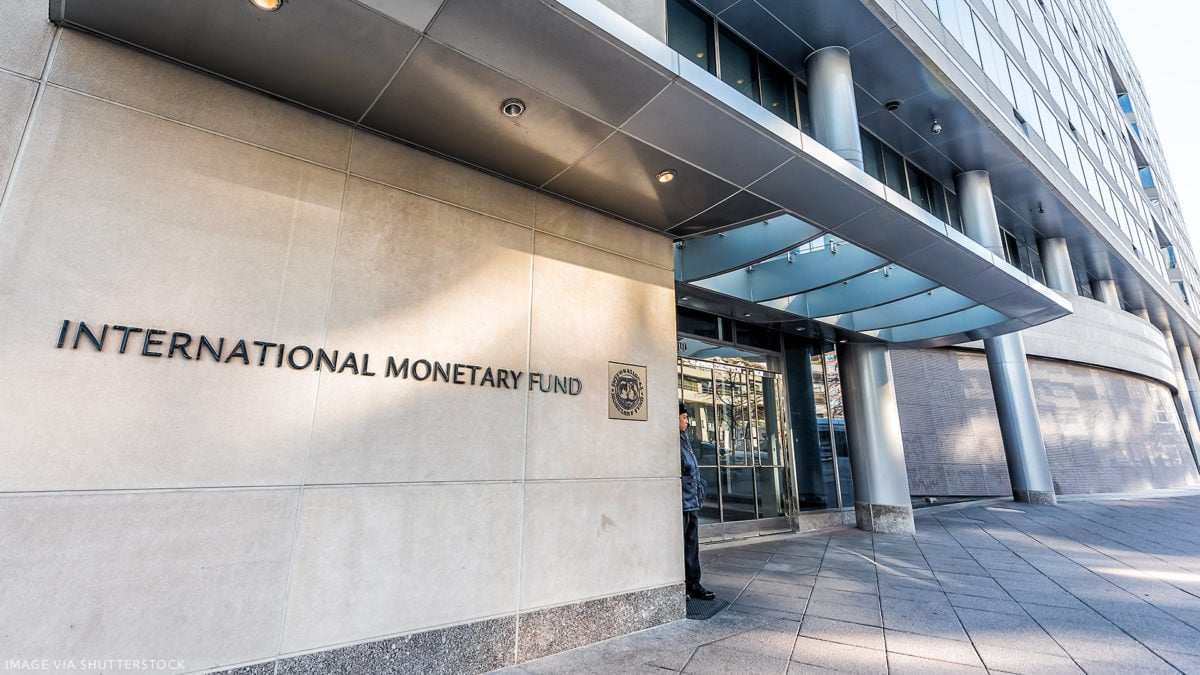
Policy decisions on money, market infrastructure, and legal frameworks will determine whether tokenization strengthens or fragments the financial system as assets migrate onto shared digital ledgers, IMF Monetary and Capital Markets Director Tobias Adrian said on Thursday.
The shift goes beyond faster payments and programmable assets, Adrian wrote in an IMF blog post, arguing that moving financial assets and liabilities onto common ledgers compresses execution, clearing, and settlement into simultaneous processes governed by software.
The transition could also concentrate risks in platforms, code, and market infrastructure providers rather than the balance sheets of traditional intermediaries, he added.
According to the report, three forms of settlement assets are emerging in a tokenized economy, including tokenized bank deposits, stablecoins, and tokenized central bank reserves.
Adrian said tokenized deposits retain existing banking frameworks while enabling atomic settlement and more efficient liquidity management, though continuous settlement increases the need for real-time liquidity backstops.