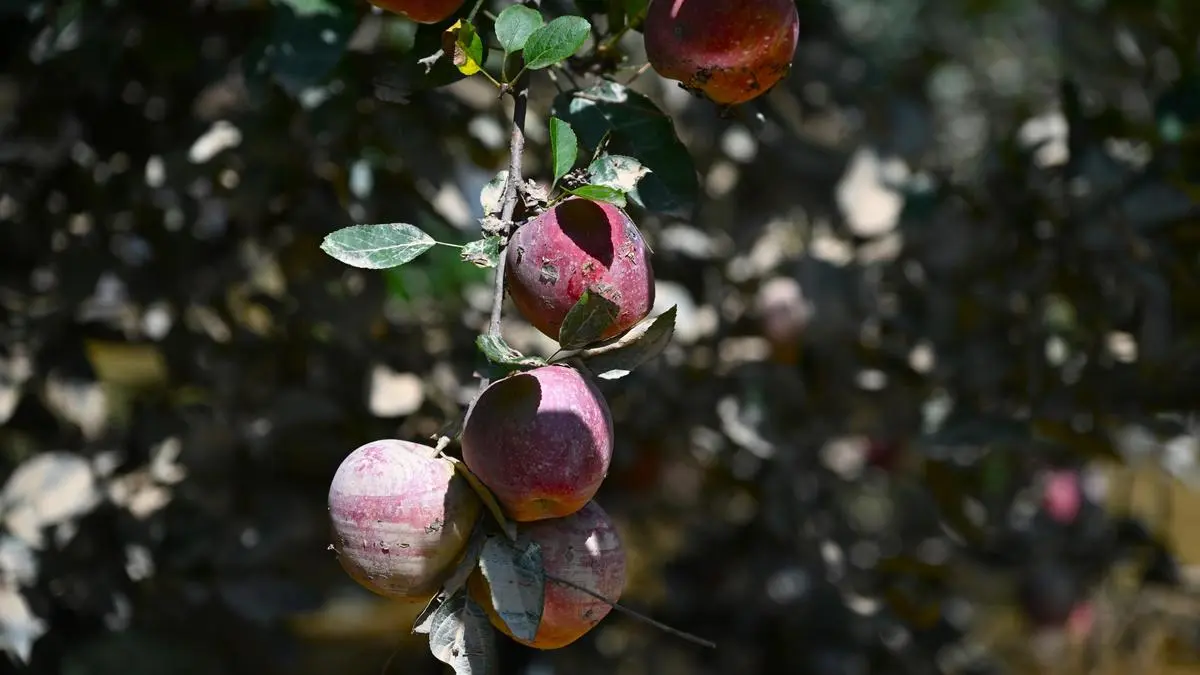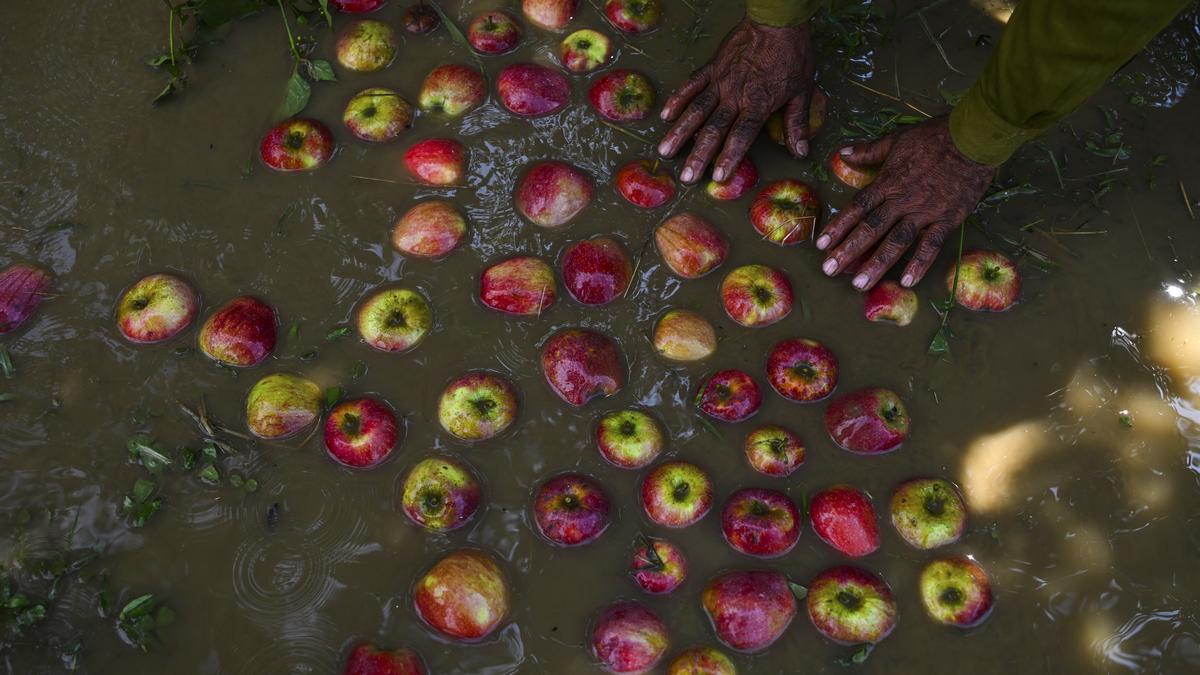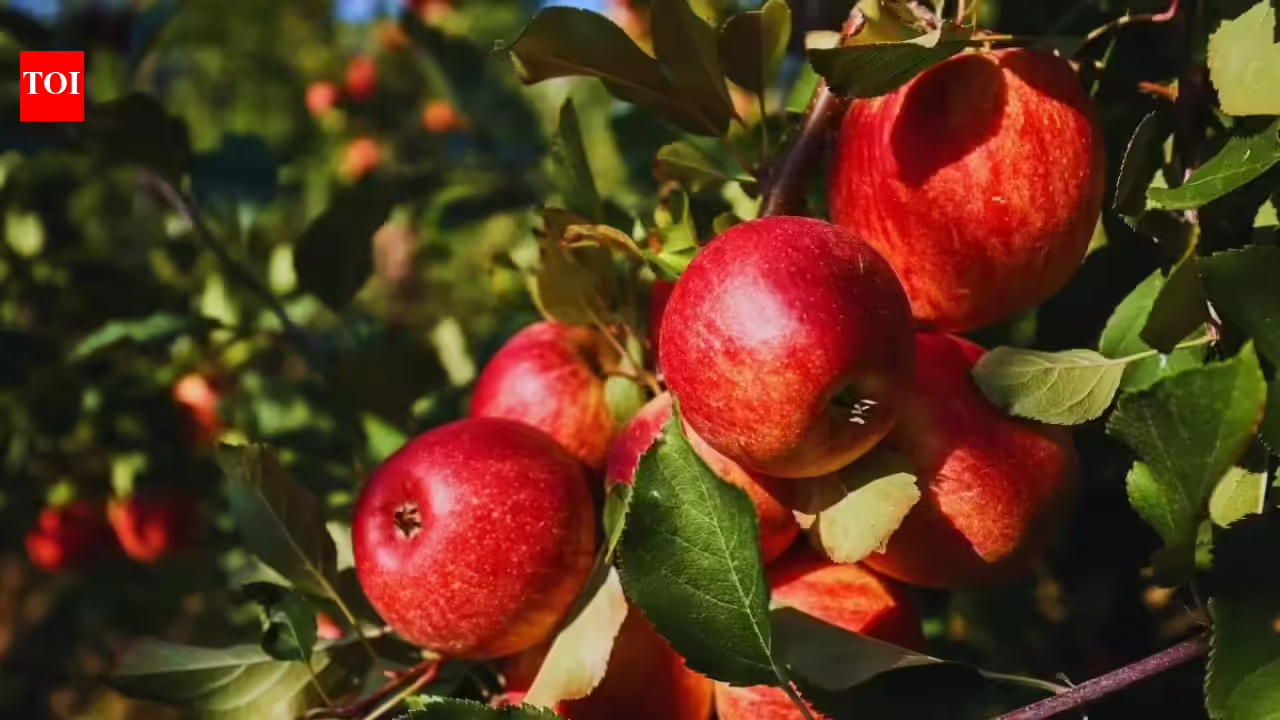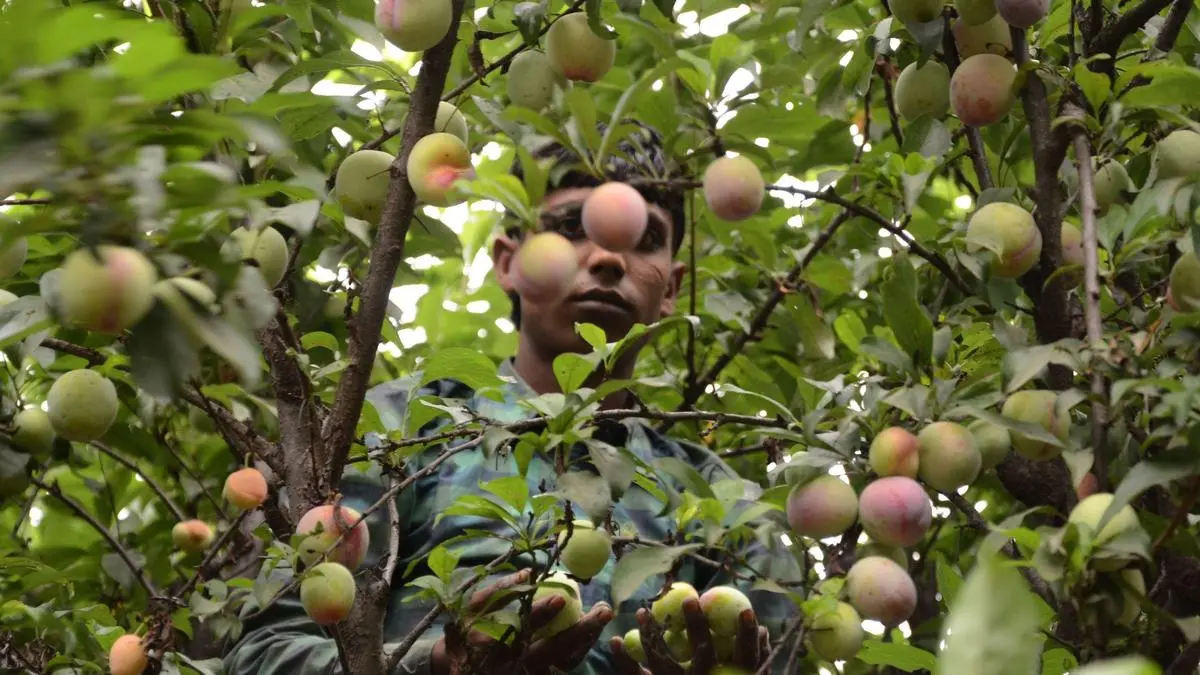
(file photo) Plum cultivation in Kashmir extends over more than 1,500 hectares, with the Valley producing nearly 8,000 metric tonnes annually.
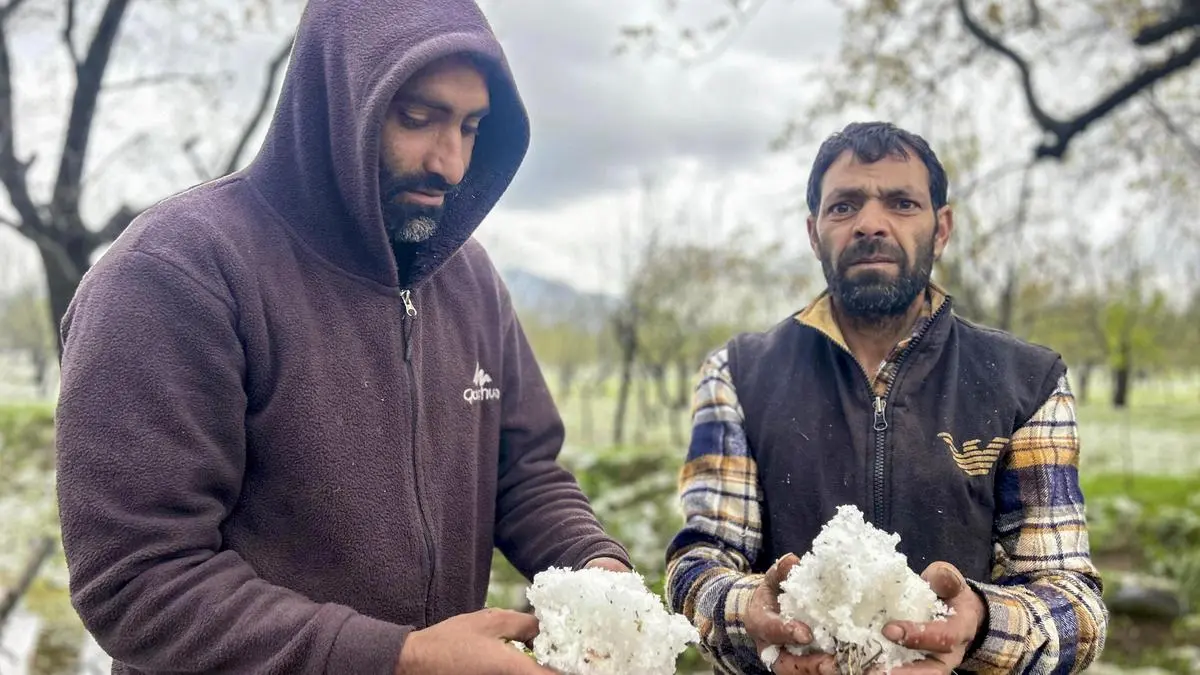
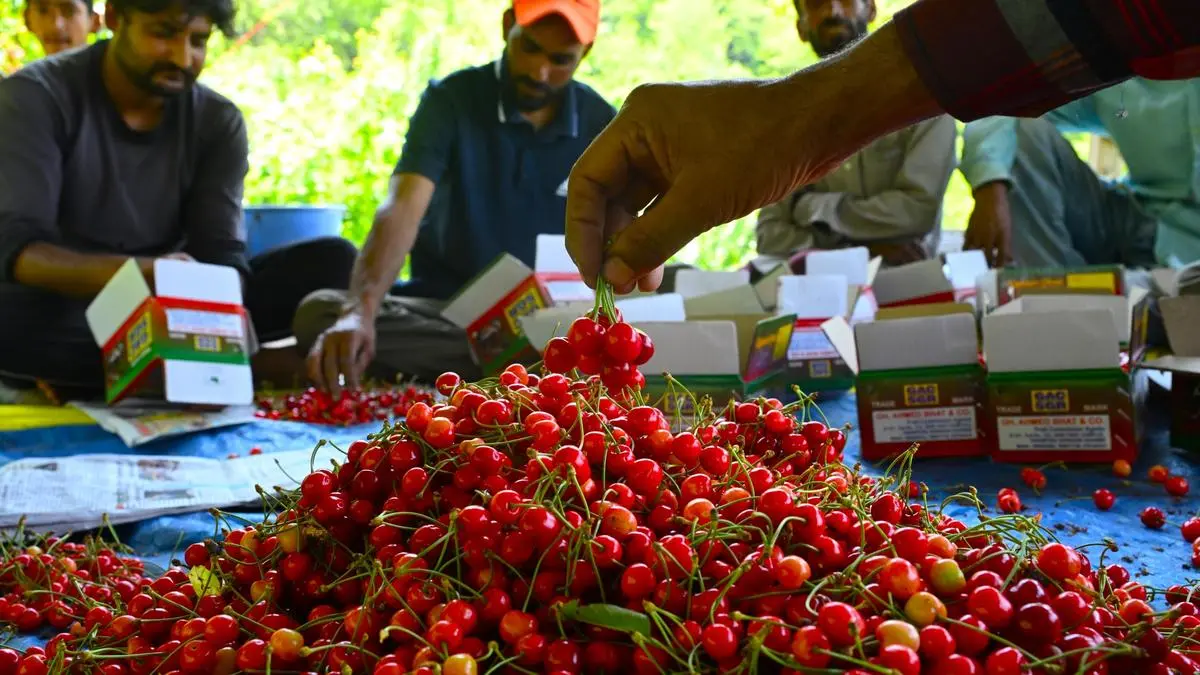
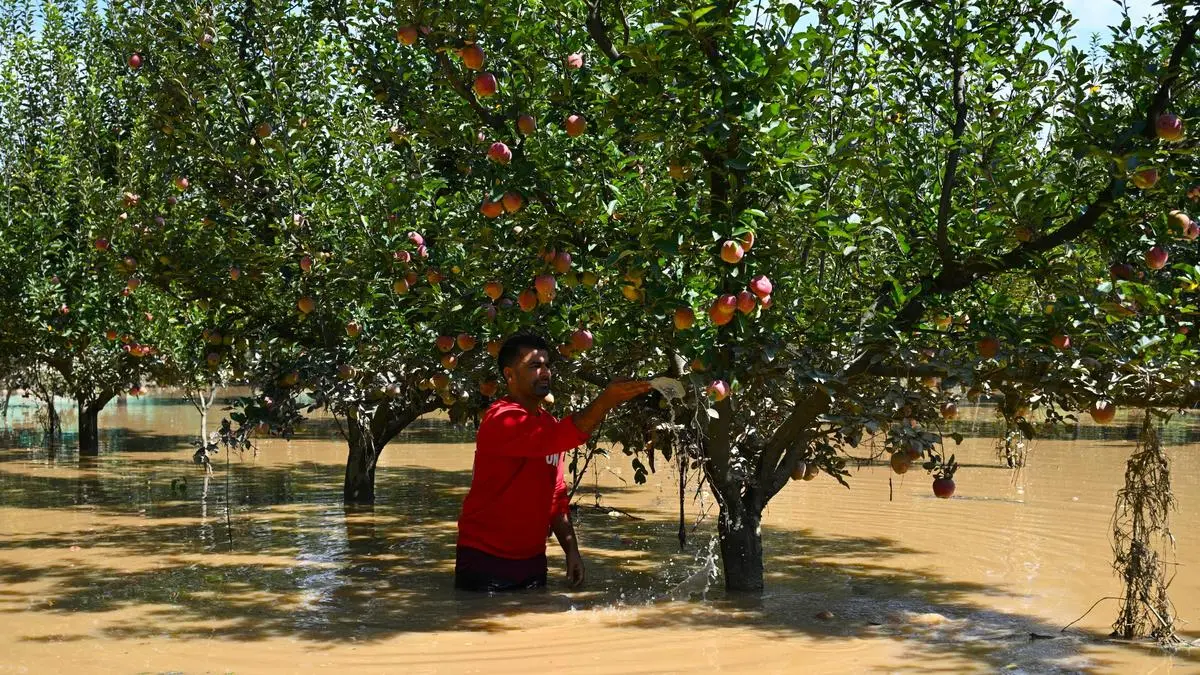
Abdul Gaffar Malik was expecting a bumper plum harvest until a few weeks ago, when a sudden hailstorm swept through his village of Warwan in south Kashmir’s Pulwama district, leaving a significant percentage of the crop bruised and pockmarked.Now, like many other growers in the village, Malik is struggling to find buyers willing to pay a fair price for the damaged fruit.“We are forced to sell the harvest at throwaway prices,” Malik said, adding that bruised plums fetch far less than premium-quality produce in the market.Plum harvesting has begun across the Kashmir Valley with the onset of July, marking the arrival of the season’s second major fruit crop after cherries. However, for many growers, the harvest has been overshadowed by repeated spells of inclement weather that have affected both the quality and market value of the fruit.Plum cultivation in Kashmir extends over more than 1,500 hectares, with the Valley producing nearly 8,000 metric tonnes annually. The fruit is an important source of income for hundreds of farming families, particularly in Pulwama, Shopian, Budgam and Srinagar, where orchards contribute significantly to household earnings during the summer months.For many orchardists, the damage extends beyond immediate financial losses.Erratic weatherMushtaq Ahmad, another farmer, said the erratic weather this year had taken a toll not only on plums but also on cherries and apples.“We are witnessing an unusual weather pattern. This season, the Valley experienced multiple hailstorm spells,” Ahmad said.According to an official of the India Meteorological Department (IMD), the Valley recorded 10 to 12 hailstorm spells over the past two months, damaging a range of fruit and vegetable crops.“Climate change is real. We witnessed unusually high temperatures in February, followed by a sharp decline. Such wide temperature fluctuations have affected crop growth and fruit development,” the official said.A horticulture official in Budgam said no significant hail storm-related damage was reported in the district. However, he said orchards in other parts of the Valley that experienced severe hailstorms may have suffered crop losses.Farmers said they fear that unless better crop protection measures and weather-risk mitigation strategies are introduced, recurring extreme weather events could make fruit cultivation increasingly uncertain, threatening the livelihoods of thousands of horticulture-dependent families across Kashmir.Published on July 3, 2026