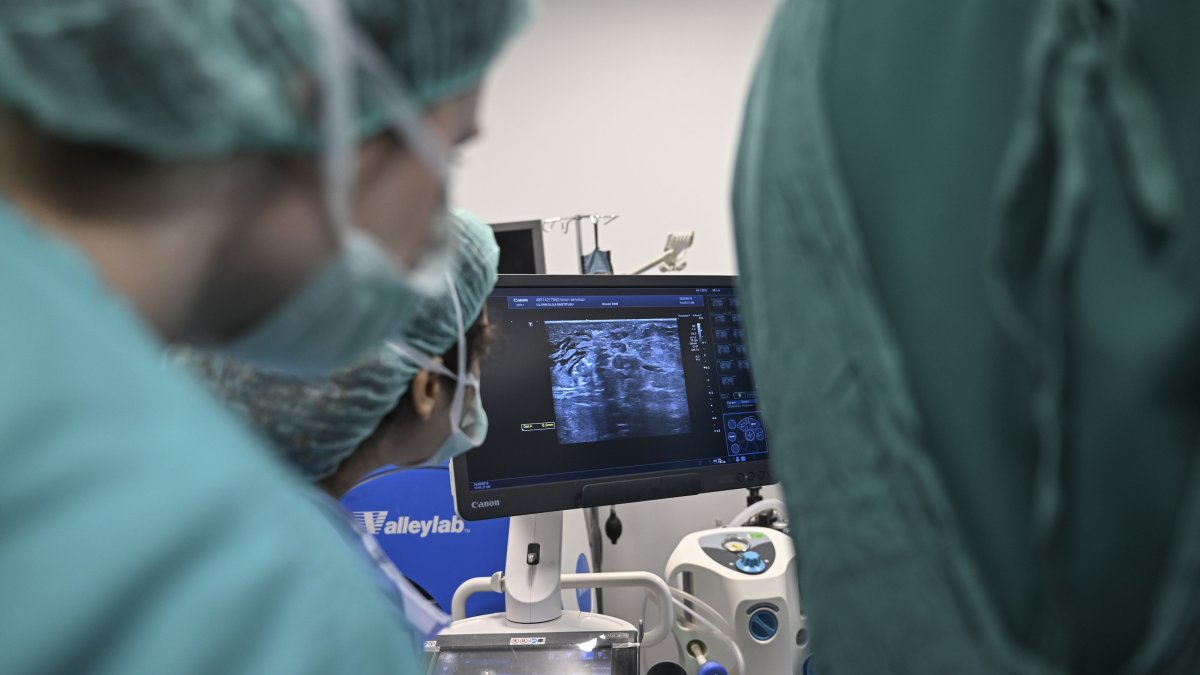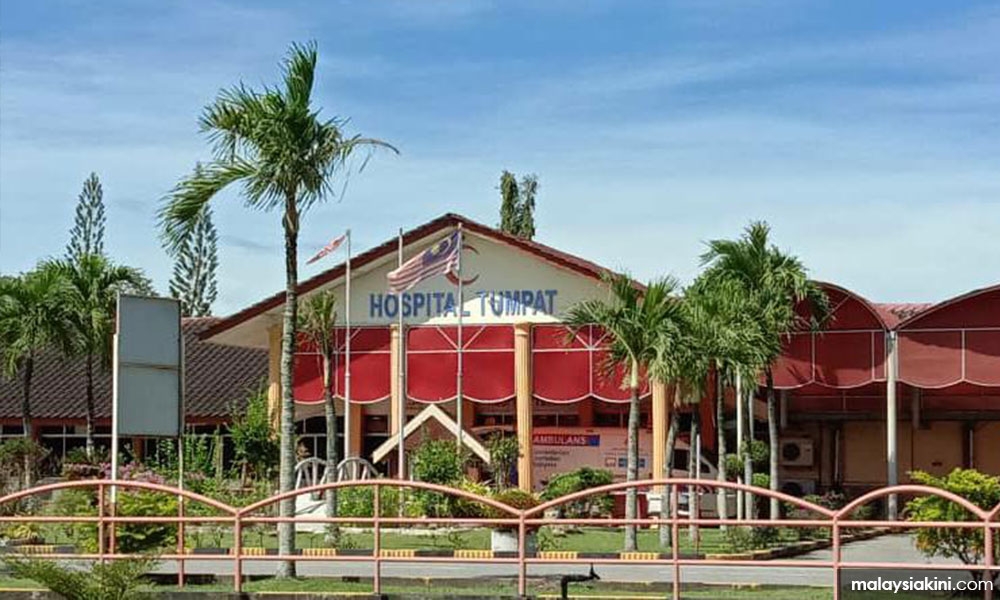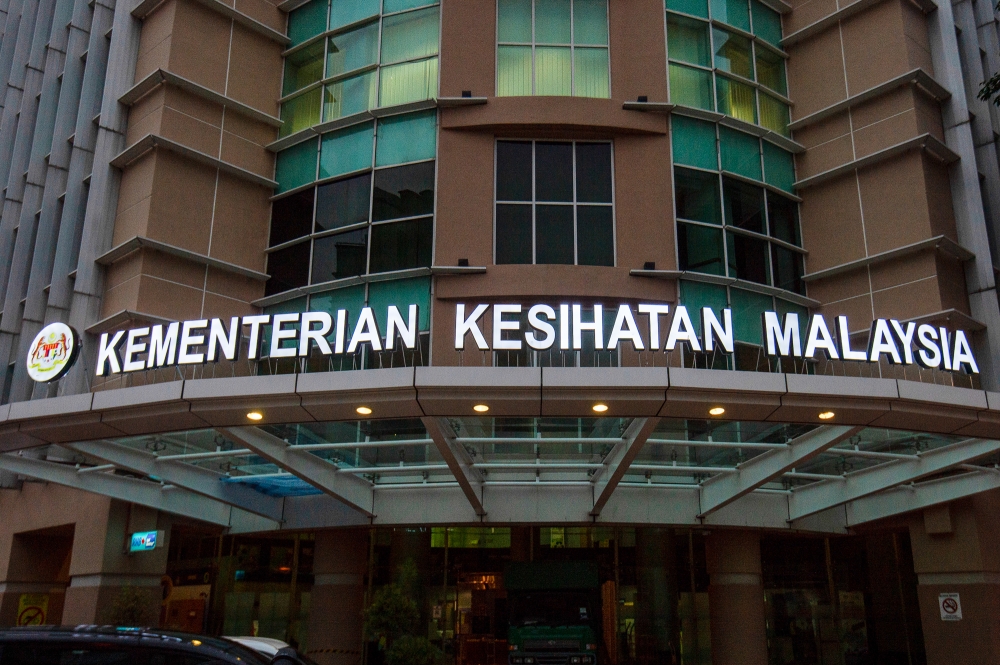
The Ministry of Health is revamping the triage system at public hospital emergency departments with the Malaysian Triage Scale 2022 to assess patients more accurately and cut treatment delays. — Picture by Shafwan Zaidon First Published: Friday, 03 Jul 2026 4:29 PM MYT KUALA LUMPUR, July 3 — The Ministry of Health (MOH) is revamping the triage system at public hospital emergency departments with the Malaysian Triage Scale (MTS) 2022 to assess patients more accurately and cut treatment delays.Under the new MTS 2022, MOH has upgraded the previous three-tier colour-coded system under the Malaysian Triage Category (2011) to a more refined five-tier scale, ranging from Level 1 (Resuscitation) to Level 5 (Routine).The Ministry said the new system enhances assessment precision by dividing the process into Primary Triage (quick first-glance evaluation) and Secondary Triage (detailed assessment with vital signs).It also introduces separate parameters specifically for paediatric patients, recognising their distinct physiological needs.“This overhaul ensures a much more specific segregation of cases, reduces unnecessary overcrowding, and ensures that chronic patients do not fall through the cracks,” MOH said in a written reply published on the Parliament portal.The Ministry was responding to a question from Datuk Seri Hishammuddin Tun Hussein (BN-Sembrong), who had asked about immediate intervention measures to revamp the emergency triage rating system at public hospital emergency departments, following recent viral incidents concerning delayed treatment of chronic cases, to prevent the loss of life.The triage system is a clinical assessment process designed to categorise patients based on the severity of their condition and the urgency of their need for treatment. It is not on a “first come, first served” basis.To strengthen governance and staff competency, MOH has established state-level Emergency Triage Service Technical Committees tasked with conducting cross-hospital clinical audits, evaluating current practices and running training programmes at least twice a year.“Digital tools like the MyTriage App are also being used as a decision-making aid and training support,” the Ministry said.MOH is also closely monitoring the undertriage rate as a key performance indicator to ensure rating quality remains optimal and to minimise the risk of human error.To reduce overcrowding in emergency departments, MOH has rolled out new patient flow management guidelines effective June 2026.These include tightening the Non-Critical (Green) Zone policy by redirecting non-emergency cases to health clinics and private facilities through public-private initiatives such as the Madani Medical Scheme and the Healthcare Scheme for the B40 Group (PeKa B40).In addition, emergency physicians are now given full authority to admit patients to wards within a maximum of four hours if the primary treatment team is delayed to ensure critical patients are not left waiting unnecessarily. “MOH views this issue as a reflection of the entire service chain. The triage overhaul, backed by strict monitoring and efficient patient flow management, reflects our commitment to ensuring such incidents do not happen,” the Ministry said. — Bernama
MOH overhauls emergency triage system with new five‑tier Malaysian Triage Scale to improve assessments and cut delays
KUALA LUMPUR, July 3 — The Ministry of Health (MOH) is revamping the triage system at public hospital emergency departments with the Malaysian Triage Scale (MTS) 2022 to assess...
473 words~2 min read