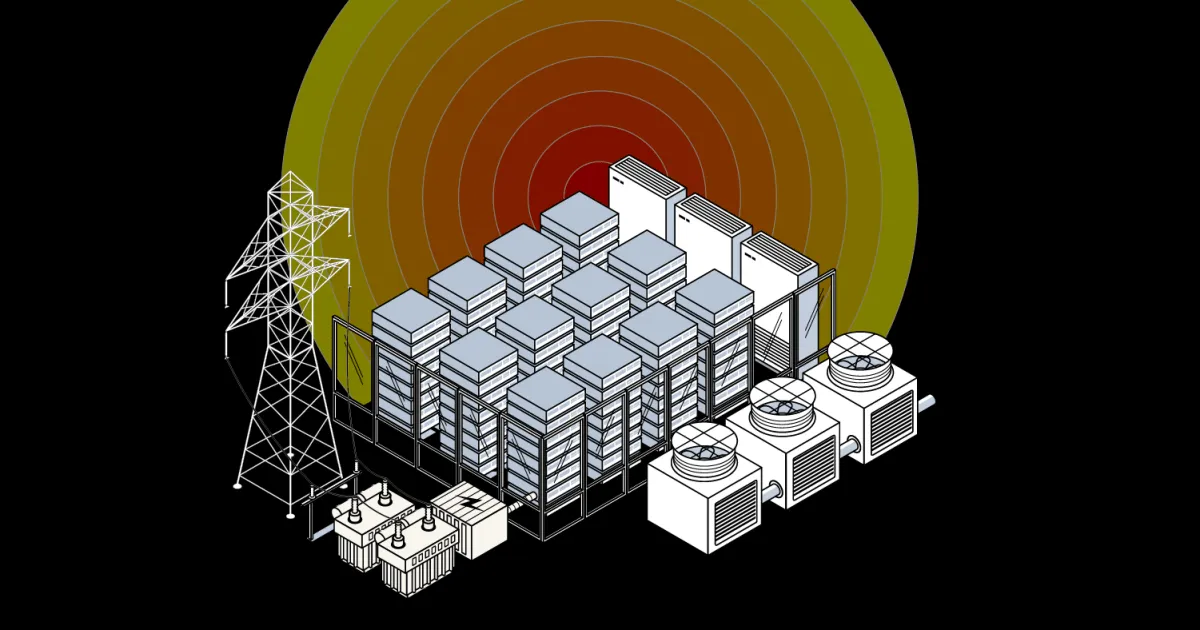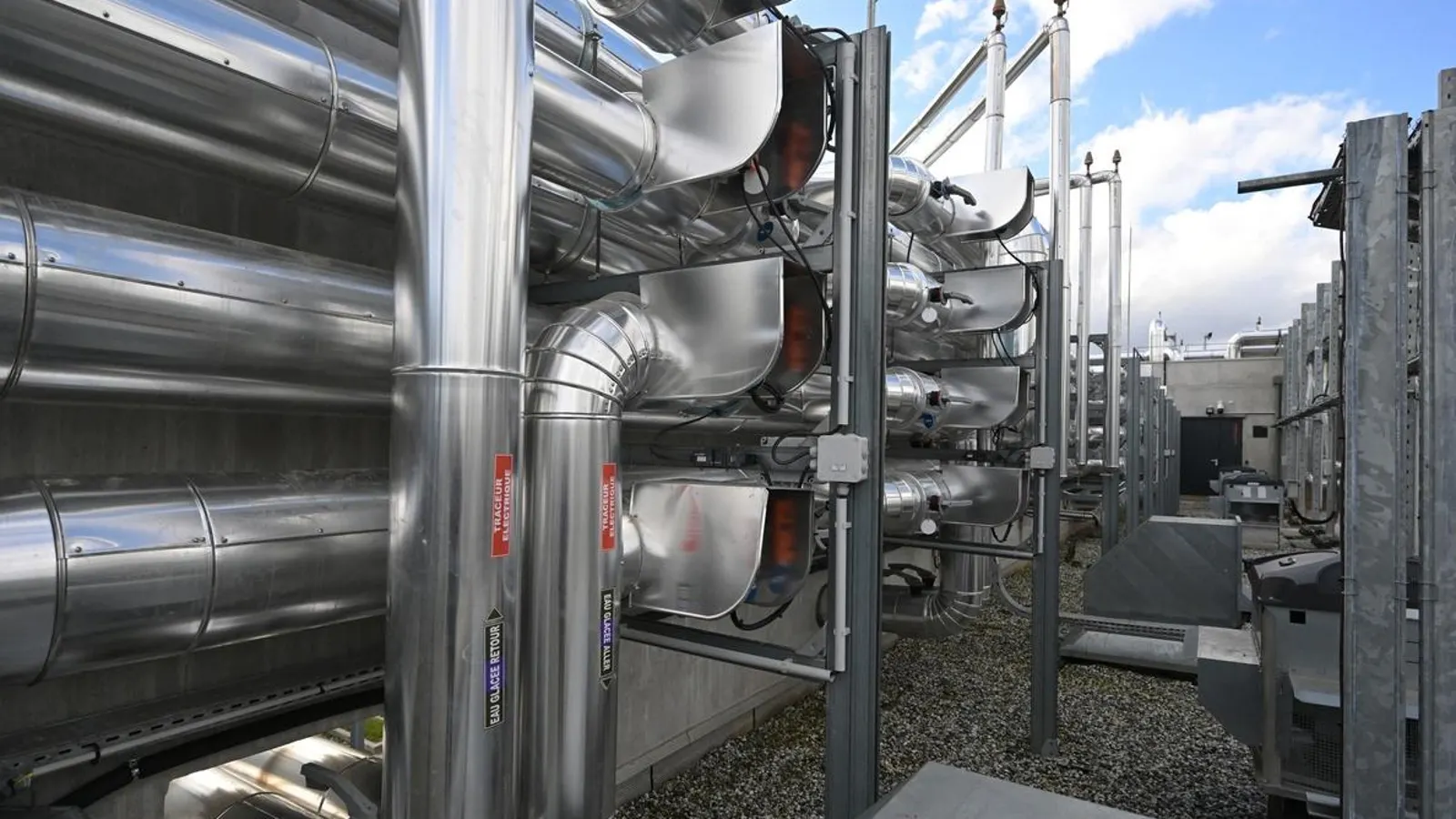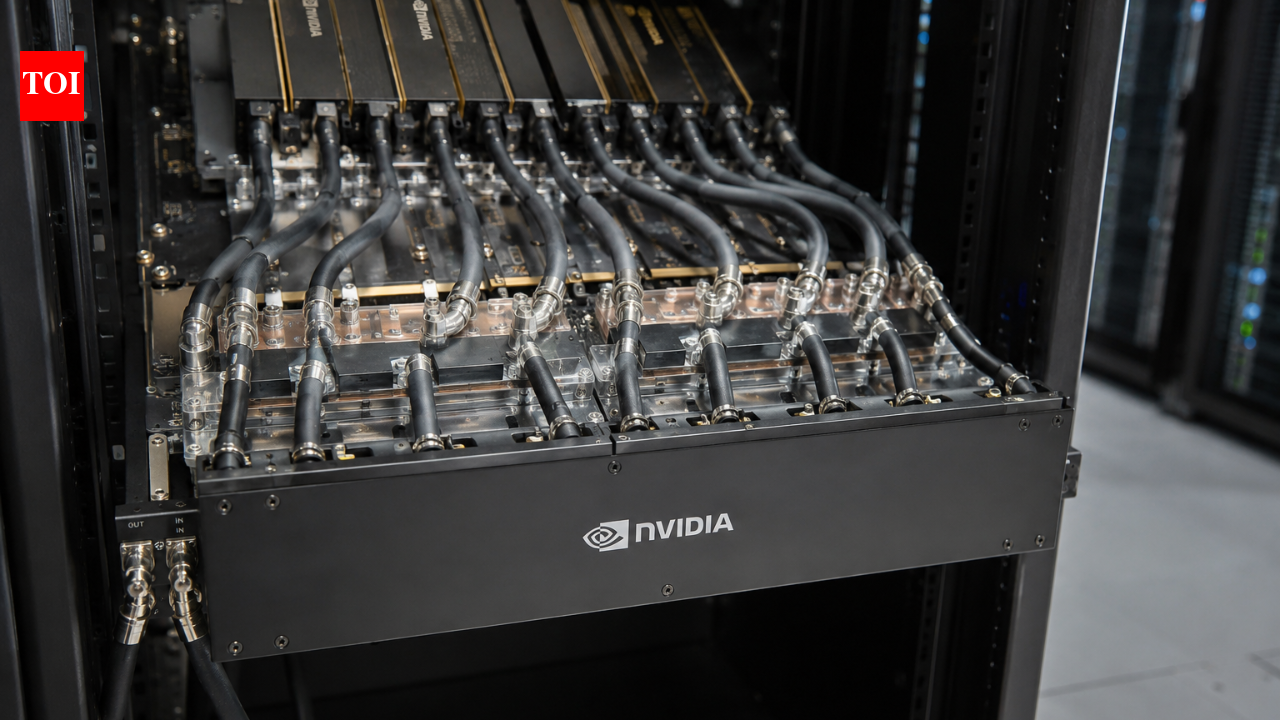
Water used at the power plants that supply electricity to data centers can be much greater than the water used in the data centers themselves. Microsoft, Google and Amazon are among the tech companies spending an estimated $1 trillion on AI infrastructure this year and last. In some regions, they are using far more water than they report, depending on how data centers are powered. And their water consumption is projected to grow rapidly in coming years.These companies produce annual sustainability reports that include water use at their data centers. (Pexel)These companies produce annual sustainability reports that include water use at their data centers. But among this group of titans, only Meta tallies water used at the power stations that feed them electricity, in addition to the water used on-site.No law obligates these companies to report the full scope of their water use, both direct and indirect. In the U.S., indirect water consumption for data centers has historically been about 12 times as great as the amount they directly consume, according to a 2024 analysis by Lawrence Berkeley National Laboratory.Experts who are calculating the water demands of the biggest infrastructure buildout in U.S. history say this could lead to regional fights over who gets an increasingly scarce resource.The report cardsGoogle’s just-released 2025 sustainability report is an instructive example. The company said it consumed 10.9 billion gallons of water—a 34% increase from 2024—almost all for data-center cooling.But how much water was used while generating the power for those data centers? Indirect water consumption can vary a great deal, depending on how power is generated—coal and nuclear need a lot of water, while natural gas needs less. Renewables including solar and wind need almost none.Google consumes around three times as much water indirectly as directly, according to a paper published earlier this year by Alex de Vries-Gao, a researcher at the Netherlands-based university VU Amsterdam.A complicating factor is that Google, like Amazon and Apple, pays for enough renewable energy to match 100% of what the company uses. That doesn’t mean every electron comes from solar or wind, but it does mean Google can claim to be offsetting its power use with low-carbon-emissions sources that use almost no water.Some critics—including 16 state attorneys general who signed a letter in 2025—contend that offsetting energy produced by fossil fuels isn’t the same as actually replacing those sources of energy. And renewable-energy credits aren’t the same as an offset for water consumed in a given area. For instance, if a river in Nevada runs dry, an abundance of water in Michigan can’t help.Meta’s indirect water use was 19 billion gallons in 2024—more than 20 times as high as its direct water use. Meta has a plan to “become water positive in 2030,” in part through water-restoration projects. The company doesn’t have a plan to remediate indirect water consumption.Cooling systems inside data centers circulate water to ensure temperature control.Similarly, Microsoft has announced data centers that will have zero water use, as well as a commitment to “community-first AI infrastructure.” This includes a pledge to “replenish more water than we use,” part of a decades-long push to reduce its water consumption. As with Meta, it accounts for only direct water use.Amazon said recently that its data centers use water seven times as efficiently as the industry average, and that the company is 75% of the way to its goal of putting back a gallon of water for every one that it draws. (This also doesn’t factor in the company’s indirect water use.)Amazon “recognizes the connection between energy and water,” and this is one reason the company has more than 700 wind and solar projects globally, a company spokesman says.‘Cheap land and cheap power’One reason companies haven’t historically reported indirect water use is that their data centers can be far from the power plants, says Kenneth Gillingham, a professor of environmental economics at Yale. Also, in areas that aren’t water-stressed, indirect use of water matters less.In Homer City, Pa., a data-center complex is being built—complete with a natural-gas power plant—on the site of a decommissioned coal-fired power plant. Though the location will generate more energy, it is expected to draw about the same amount of water as before, including what’s needed to cool its data centers, says Jonathan Burgess, director of the Pittsburgh Water Collaboratory, a research and outreach organization at the University of Pittsburgh. It helps that the plant is in an area where water is generally abundant, he adds.Recent analyses by the Guardian and Bloomberg found that about two-thirds of new data-center construction in the U.S. is in water-stressed areas such as Phoenix.A 2025 analysis from Ceres, a nonprofit sustainability advocacy organization, found that today, the total direct and indirect water demands of data centers in Phoenix amount to about 3% of the city’s annual water use. By 2031, they could be in excess of 20%, a number approaching total water used by residents to maintain all of Phoenix’s lawns and landscaping.The Ceres analysis also said water demand could grow rapidly in neighboring New Mexico, where some of Phoenix’s energy is produced.People working on the water recycling plant for SpaceX’s Colossus supercomputer in Memphis, Tenn.“Cheap land and cheap power put data centers in the high water-stress areas,” says Matthew Pine, chief executive of U.S. water-technology giant Xylem, which supplies utilities across the country. What’s more, water-hungry, fossil-fueled relics such as coal-fired power plants are now being kept running long past their intended retirement date to address AI demand, he adds.Many new complexes come with their own “behind the meter” natural-gas power plants, some of them gigantic, such as Microsoft’s future collaboration with Chevron in West Texas. Meta and Amazon also have plans for dedicated, off-grid natural-gas plants for their data centers, and so do SpaceX and other data-center builders. This might mean neighbors are competing less for energy resources, but local water still has to be shared.More efficient data centersRecently, Nvidia said it had solved the data-center water issue, showing off a closed-loop cooling system that doesn’t require additional water once filled. This design appears to be a win on two levels, says Gillingham, the Yale professor: It zeroes out direct use of water while also reducing the total amount of energy required for cooling.Microsoft has committed to similar closed-loop tech. In 2024, the company announced that all its new data centers would use it, starting in 2027.Unfortunately, most existing data centers use evaporative cooling systems that are energy-efficient but water-hungry, according to data from the 2024 Lawrence Berkeley report. Experts say retrofitting those could be prohibitively expensive.Nvidia’s closed-loop cooling system for data centers uses no additional water once it’s filled up, sharply reducing water consumption.“It’s totally accurate that, as we generally solve the water footprint at the data-center operational level, the water footprint for AI becomes potentially driven by electricity generation,” says Josh Parker, head of sustainability at Nvidia.However, he says, the amount of energy—and related water—consumed by AI data centers needs to be examined in context. “The electricity for any other industry in the U.S. isn’t scrutinized as much,” he adds. He also suggests that AI could help other industries reduce their water use.In these boom times, it’s clear why AI data centers are in the spotlight. And the lack of transparency and widespread use of NDAs by many data-center builders has only drawn more suspicion and distrust. These are among the reasons that $170 billion of AI data-center capacity has been blocked, stalled or canceled since 2024, according to climate consulting firm Carbon Direct.“In a lot of cases, whenever such a project is being launched, the only information you’re getting is an extremely tiny part,” says de Vries-Gao. “You’re just getting the tip of the iceberg.”Write to Christopher Mims at christopher.mims@wsj.com
AI Data Centers Use Far More Water Than Most Tech Giants Report
Water used at the power plants that supply electricity to data centers can be much greater than the water used in the data centers themselves. | Business News
1,287 words~6 min read