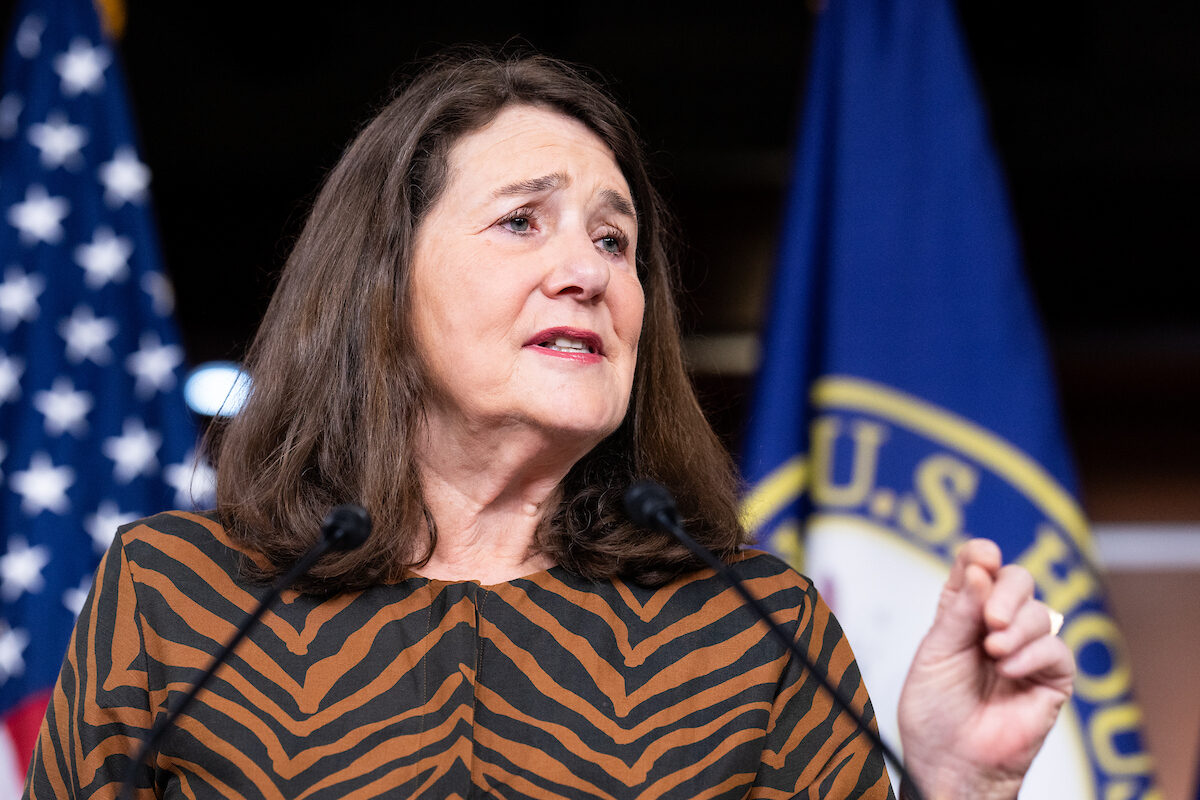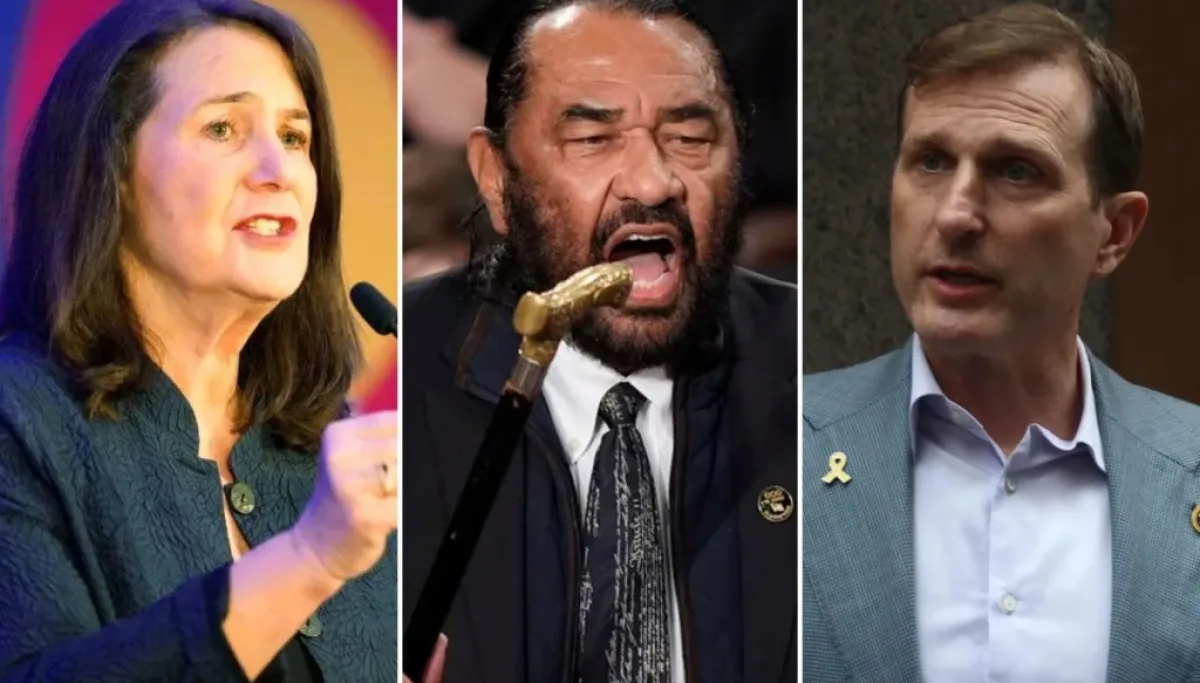
House Democrats are finding that threats to impeach President Donald Trump are not delivering resounding primary victories, despite polling showing the party’s base wants fighters.In recent weeks, several Democrats whose political identities became closely tied to impeaching Trump have fallen to progressive insurgents running on affordability and other economic concerns.Rep. Diana DeGette (D-CO), who spent years at the forefront of Democrats’ efforts to remove Trump from office, became the latest example this week when she lost her primary to progressive challenger Melat Kiros.
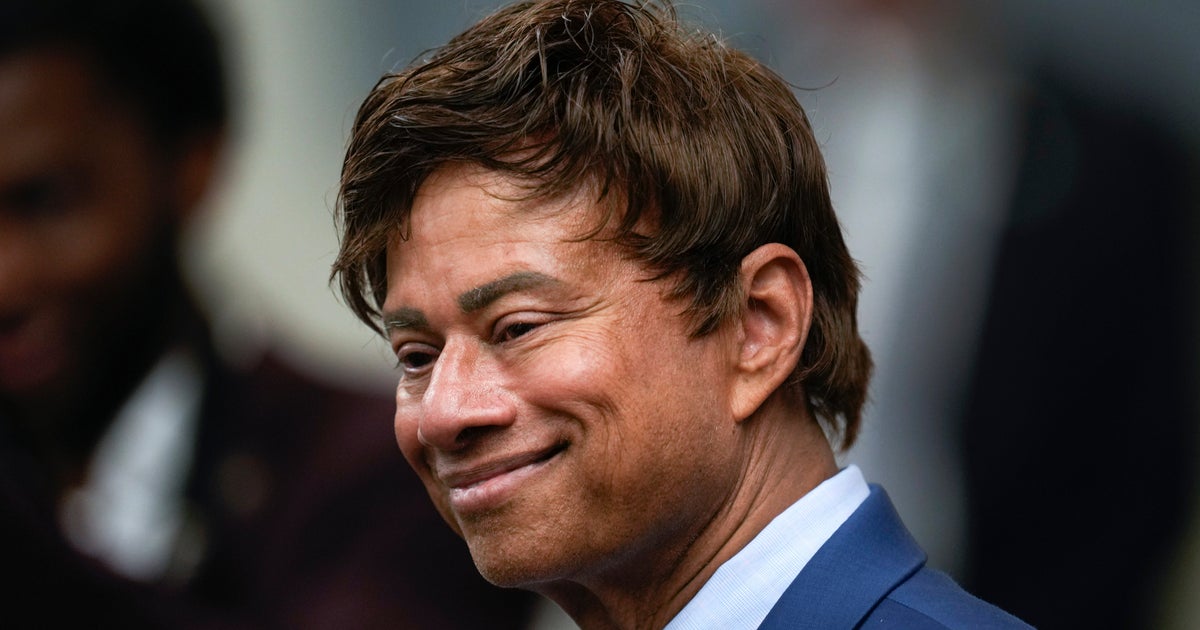
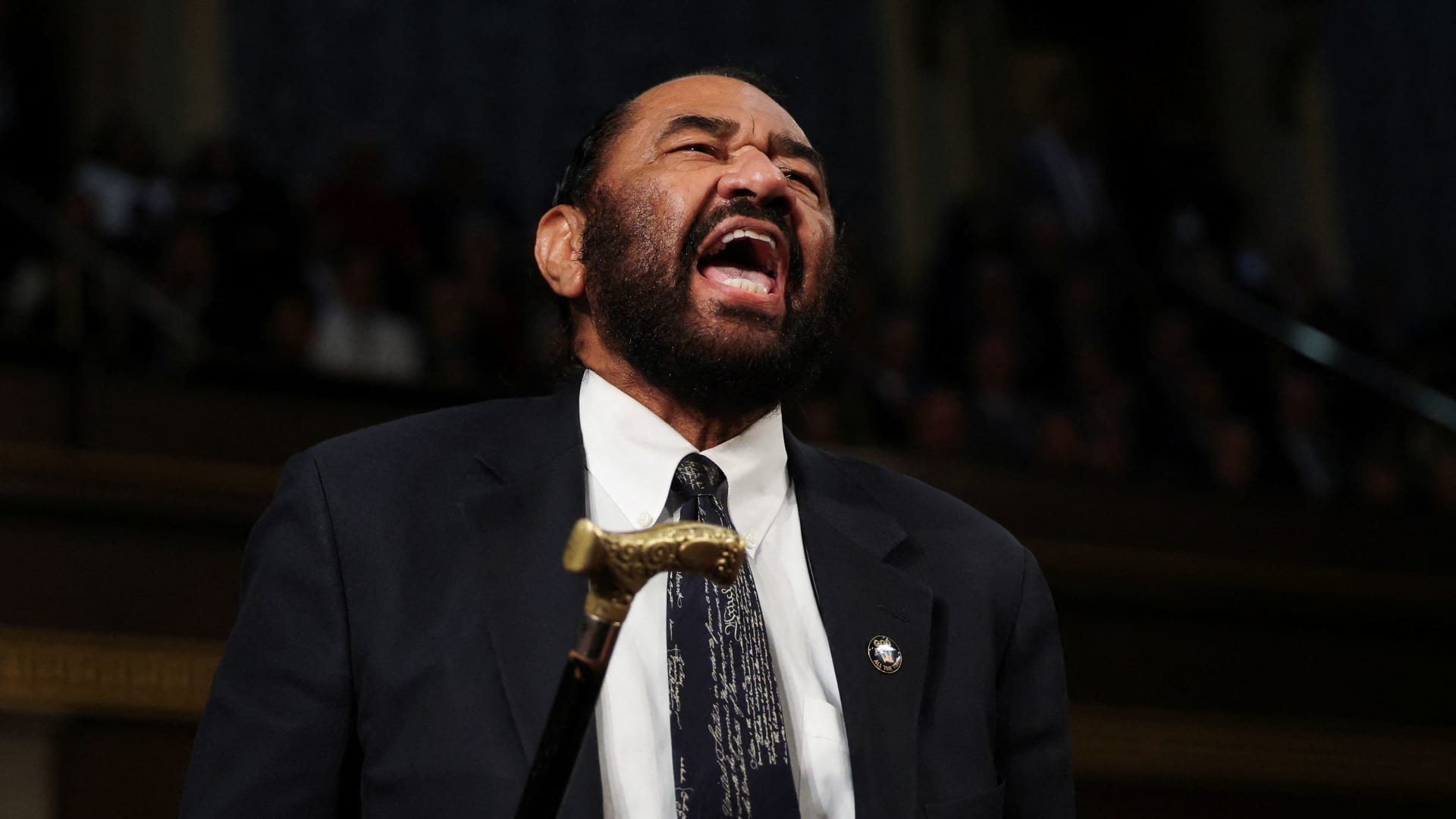
Following the Jan. 6 attack on the Capitol, DeGette sponsored articles of impeachment against Trump and later served as one of the House impeachment managers prosecuting the case in the Senate. She continued to call for Trump’s impeachment during his second term, including as recently as April after the president threatened to destroy Iran’s entire civilization.Yet, DeGette’s push to impeach was not enough to secure reelection in the Denver-based seat, where Trump only got 21% of the vote in 2024. DeGette lost to Kiros by more than 10 percentage points in the Democratic primary.Kiros centered her campaign on affordability, support for “Medicare for All,” and opposition to Israel. While anti-Trump, Kiros got one of the biggest applauses in her victory speech when she pledged to end “the genocide in Gaza.”Doug Wilson, a Democratic strategist in North Carolina, told the Washington Examiner earlier this week that victories like that pulled off by Kiros were being fueled by economic frustration just as much as anger at Democratic leadership after Trump’s return to power.“This is the result of a generation of families living paycheck to paycheck colliding with an affordability crisis and the hegemony of an imperial presidency,” Wilson said of the Colorado results.A similar pattern played out in Texas, where Rep. Christian Menefee (D-TX) defeated longtime Rep. Al Green (D-TX) after the two incumbents were paired in the same district by mid-decade redistricting.Green had become one of Congress’s most outspoken advocates for impeaching Trump. The longtime lawmaker first introduced articles of impeachment in 2017 and continued to pursue multiple impeachment efforts throughout Trump’s second term.In New York, Rep. Dan Goldman (D-NY) also lost his primary after building much of his political identity around being the Democrats’ lead counsel during Trump’s first impeachment in 2019. Goldman was ousted in a primary this cycle by former New York City Comptroller Brad Lander, an ally of Mayor Zohran Mamdani.Even candidates who explicitly made impeachment the centerpiece of their campaigns have struggled to gain traction this cycle.George Conway, an anti-Trump Republican-turned-Democrat, centered his unsuccessful congressional bid on pursuing what he called Trump’s “third and final impeachment.”“But the only thing your name is going to be left on when I’m done with you is an orange jumpsuit you’re going to have to wear in prison,” Conway said in a campaign ad. “And you see that building back there? That’s where we’re going to hold your third and final impeachment trial.”The message failed to resonate, however. Conway came in fifth in a Democratic primary to replace retiring Rep. Jerry Nadler (D-NY), who himself played a leading role in Trump’s first impeachment. In 2024, Trump got only 17% of the vote in Nadler’s district.HOUSE DISMISSED FOR JULY 4 HOLIDAY AMID SAVE AMERICA ACT IMPASSEWhether the pattern holds remains to be seen. Reps. Shri Thanedar (D-MI) and John Larson (D-CT) both face competitive primaries after backing impeachment efforts during Trump’s second term.But this year’s Democratic primaries have increasingly rewarded candidates who pair opposition to Trump with a message centered on affordability and economic anxiety rather than impeachment, suggesting that Democratic voters may now be looking for a different kind of resistance.Samantha-Jo Roth contributed to this story.