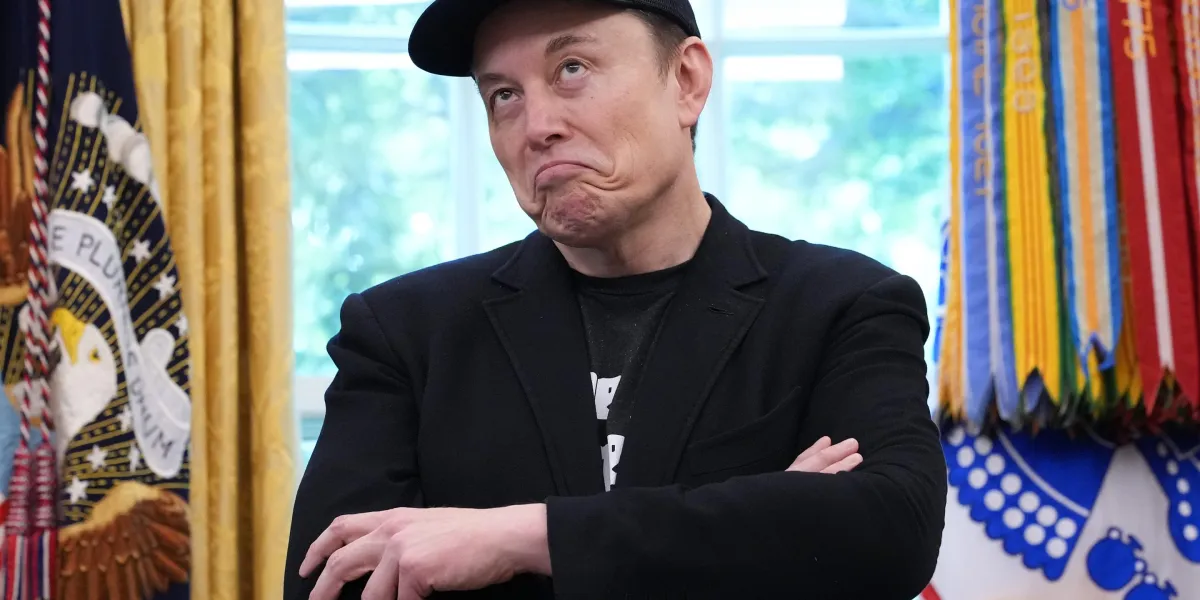
SpaceX listed on Nasdaq under the ticker SPCX on June 12, pricing shares at $135 each and raising roughly $75 billion, making it the largest IPO in history. The stock jumped about 20% on its first full day of trading. Only 4% to 5% of total outstanding shares were actually made available to the public, with the other roughly 12.5 billion shares sitting behind a tiered lock-up schedule.
The lock-up architecture
The structure works in tiers. Starting at day 70 after the IPO, 7% of locked shares become eligible for sale. That same 7% release repeats at days 90, 105, 120, and 135 post-listing. After SpaceX reports its Q2 earnings, expected in August 2026, between 20% and 30% of locked shares can be released. Another 28% unlock is scheduled following Q3 earnings. The remainder opens up after the standard 180-day mark, which lands around December 2026.
Musk himself, along with other significant investors, faces a 366-day lock-up period. That means the CEO can’t sell a single share until June 2027 at the earliest.
Why crypto investors should care