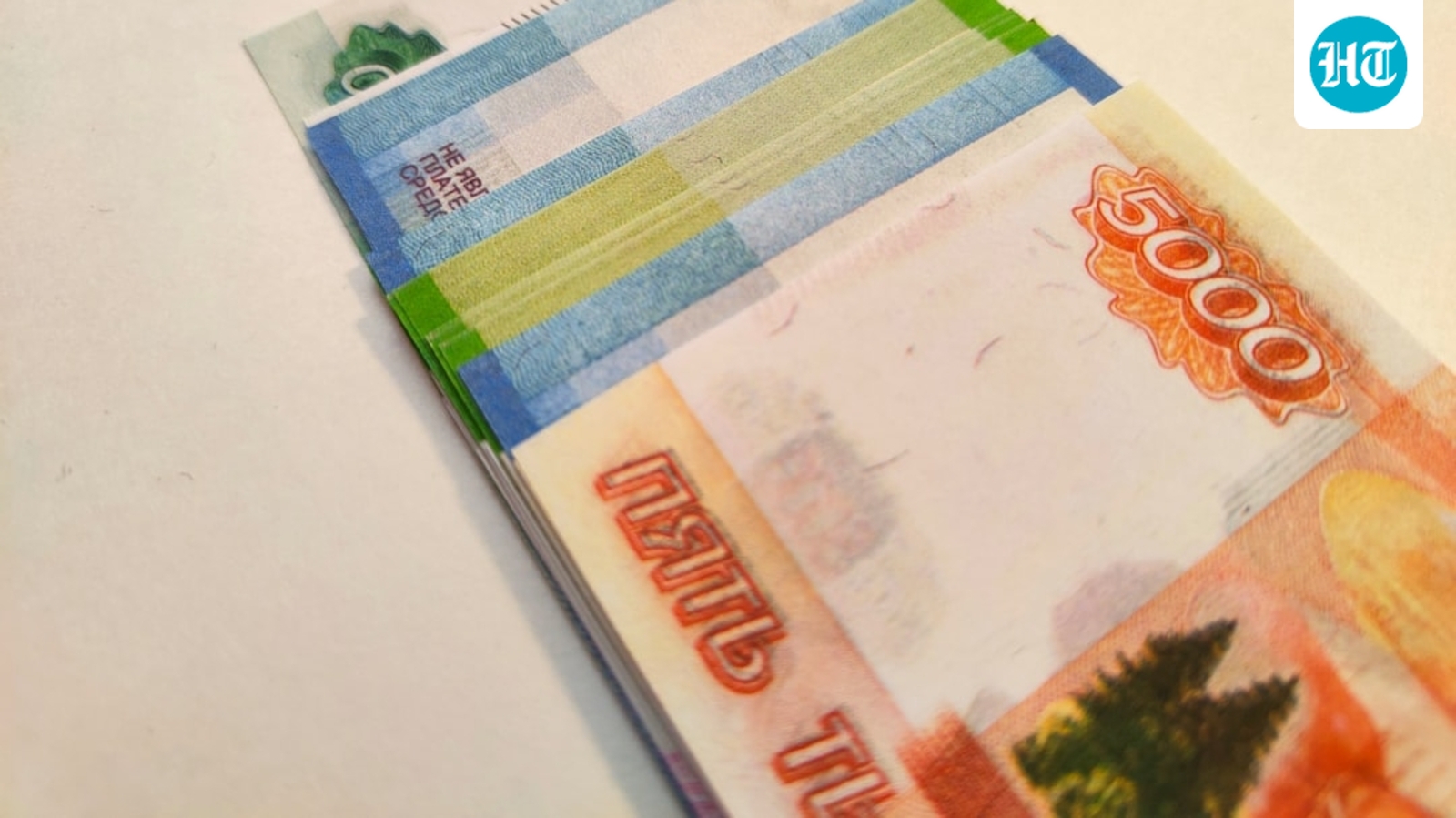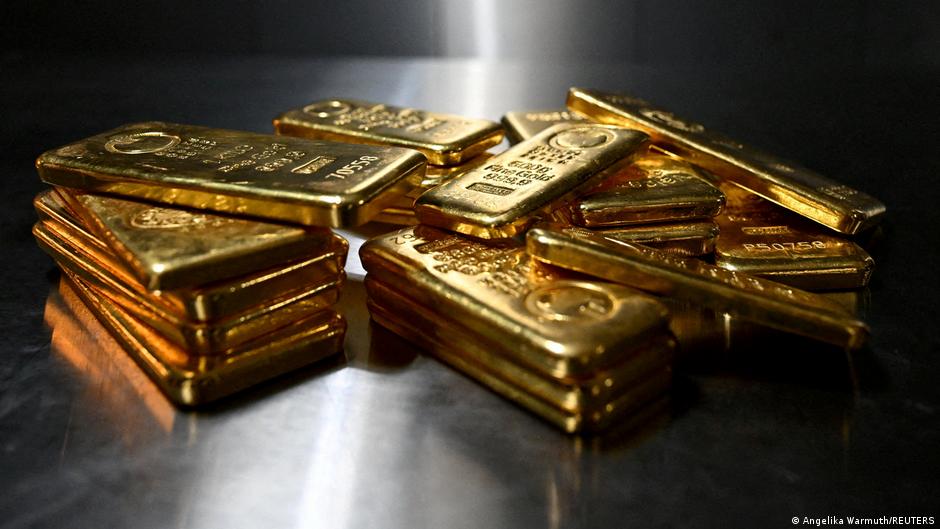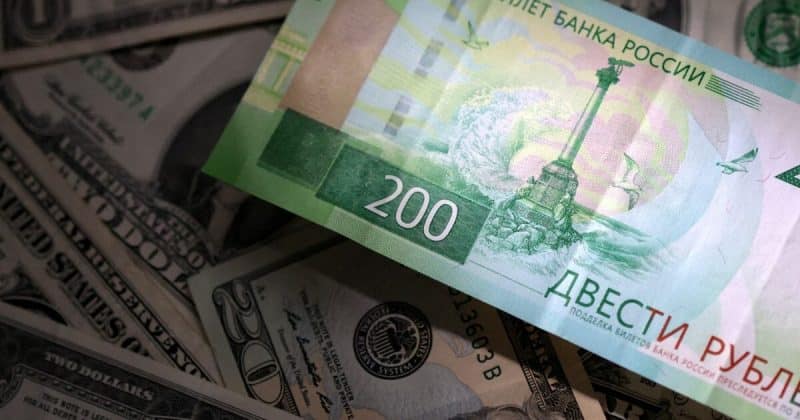
Russia’s Finance Ministry is boosting its daily purchases of foreign currency and gold to 5.4 billion rubles starting July 7, a move that runs through August 6 and totals roughly 123.8 billion rubles over the period. The purchases are part of Moscow’s fiscal rule, which funnels excess oil and gas revenues into the National Wealth Fund.
For context, 5.4 billion rubles is approximately $60 million at current exchange rates. Not world-shaking on any single day, but over a month it adds up to a meaningful reallocation of energy windfall profits into hard assets.
How the fiscal rule works
When oil and gas revenues exceed a predetermined baseline, the surplus gets swept into gold and foreign currency purchases to bulk up the National Wealth Fund. When revenues fall short, the government sells from the fund to cover budget gaps.
The Bank of Russia executes these transactions on behalf of the Finance Ministry. The central bank is essentially the Finance Ministry’s broker.