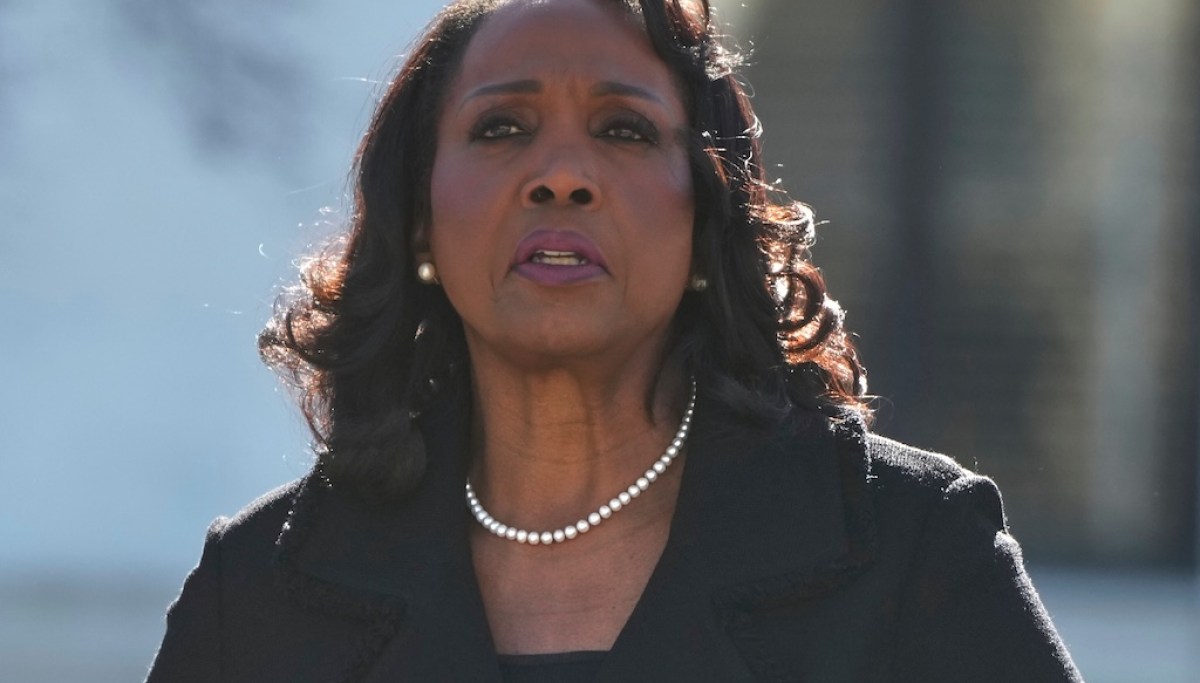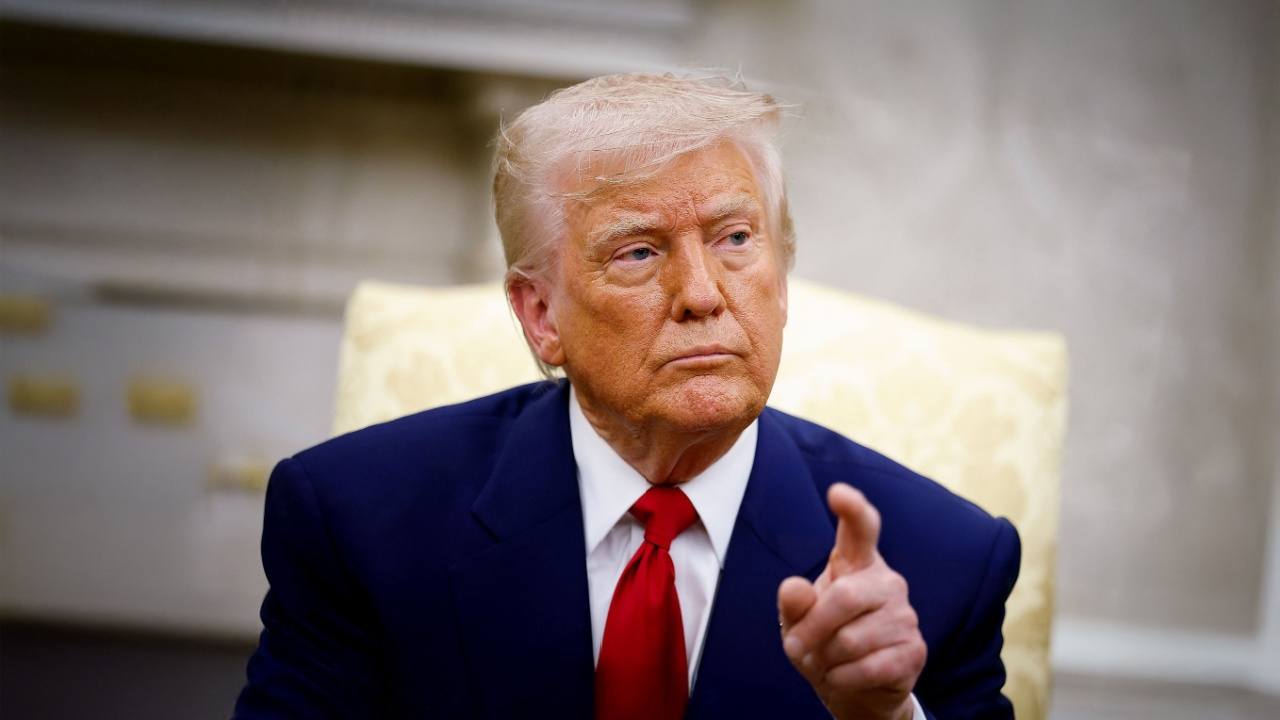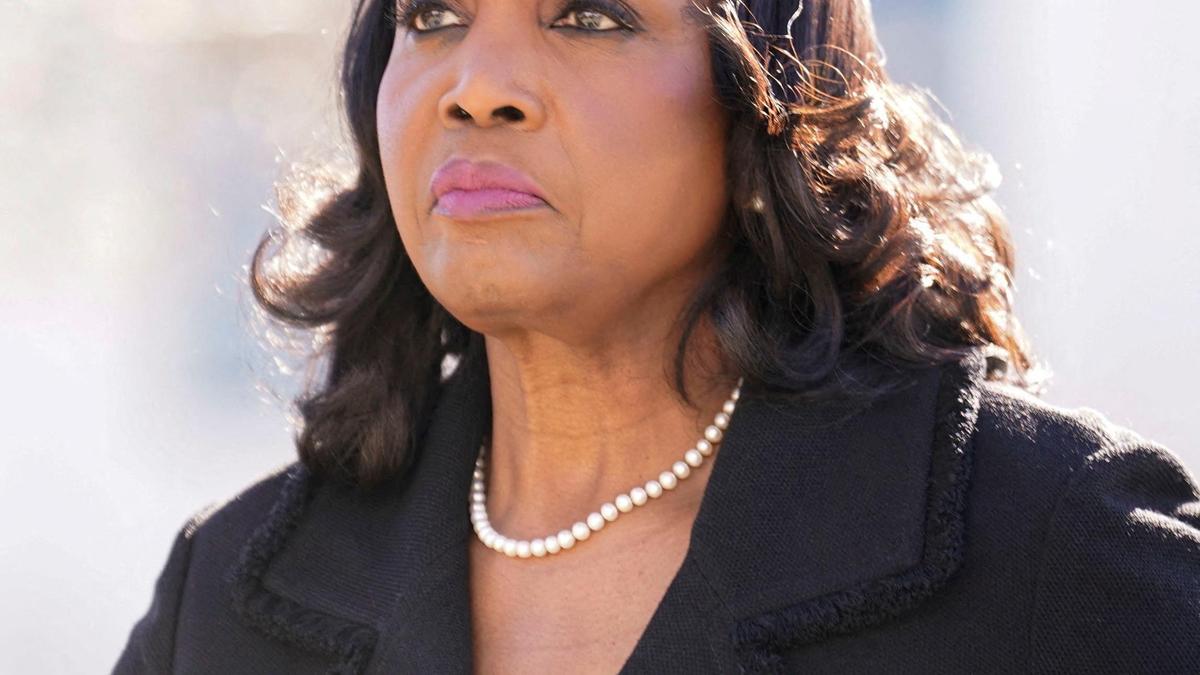
The Supreme Court just told President Trump he can’t fire Federal Reserve Governor Lisa Cook. His response, essentially: fine, we’ll find another way.
In a 5-4 decision handed down on June 29, the Court upheld the Federal Reserve Act’s “for cause” removal protections, ruling that Trump’s August 2025 attempt to oust Cook was unconstitutional. It was the first time in the Fed’s 111-year history that a president had tried to remove a sitting governor. The Court said no. Trump and his allies are now exploring other avenues to reshape the institution from the inside out.
What the Court actually decided
The case, Trump v. Cook, centered on a deceptively simple question: can the president fire a Fed governor just because he wants to? Chief Justice John Roberts, writing for the majority, said the answer is no.
The Federal Reserve Act has long stipulated that board governors can only be removed “for cause,” meaning there needs to be an actual reason beyond political disagreement. Roberts emphasized the importance of the Fed’s structural independence from the executive branch, arguing that the administration’s push for at-will removal authority had no legal foundation.