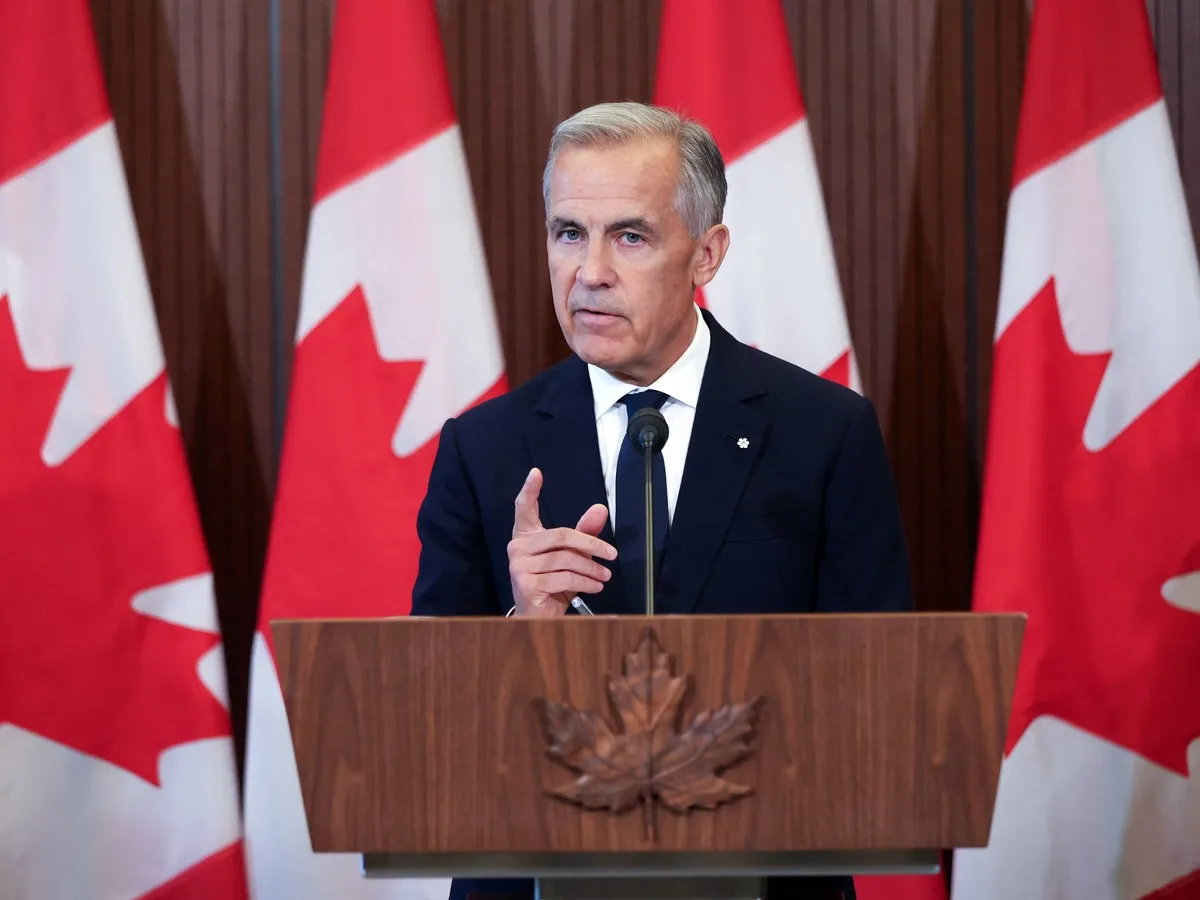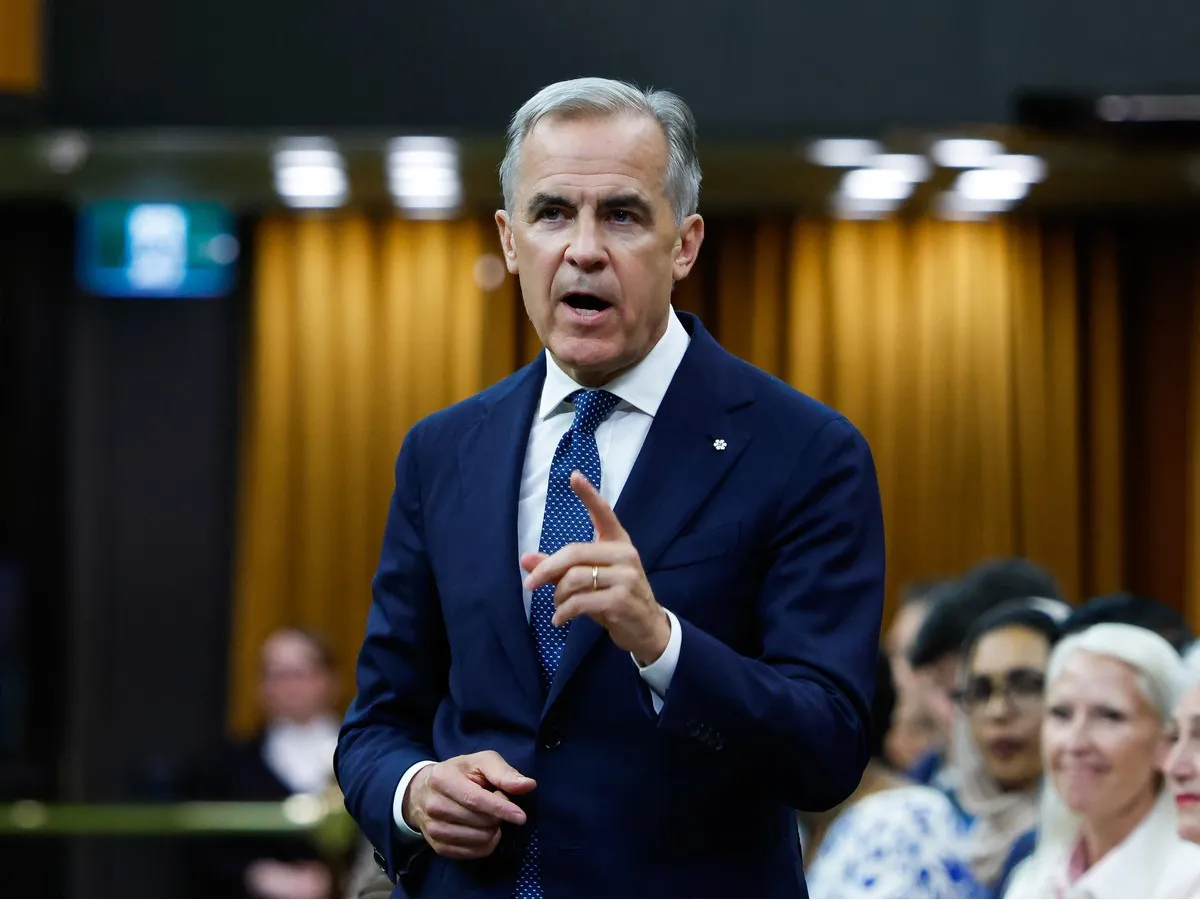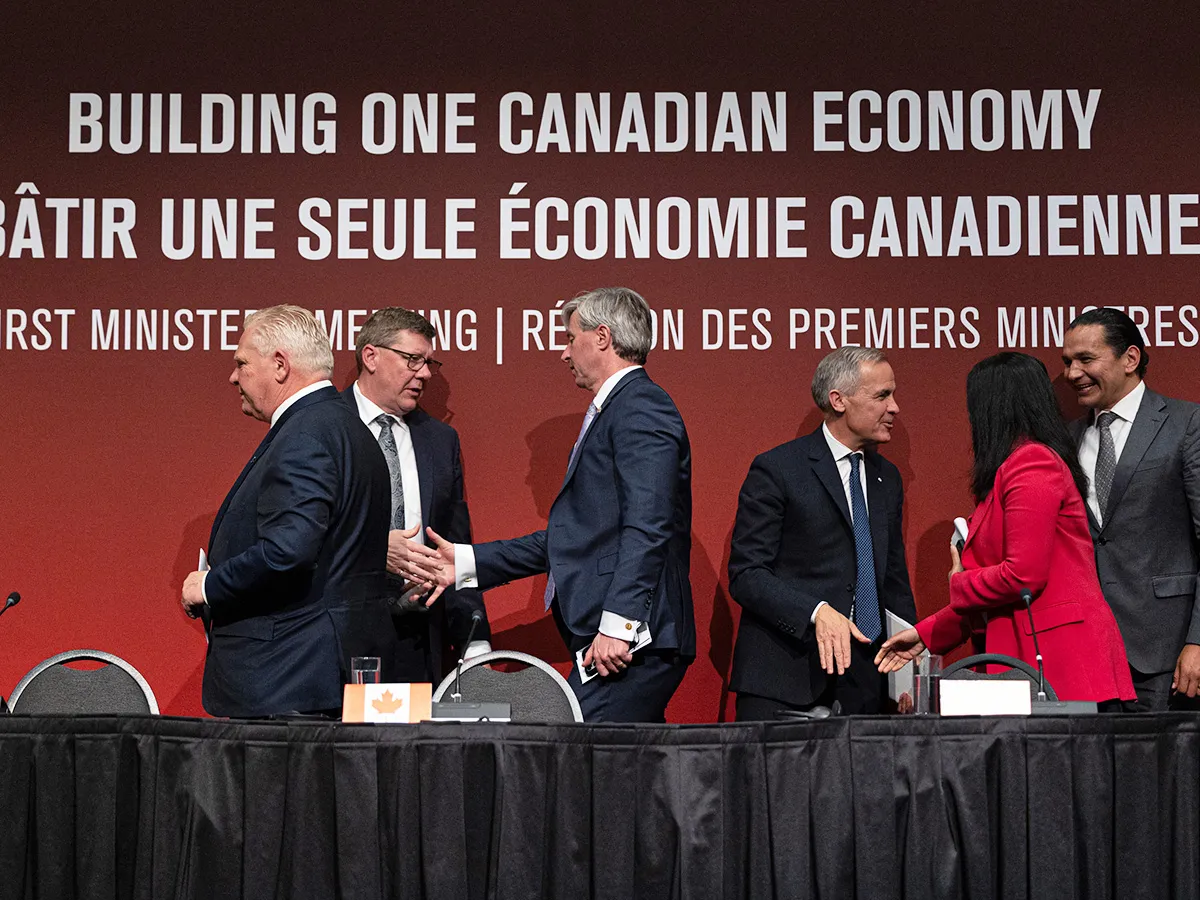
Skip to Content Subscribe Our Offers My Account Manage My Subscriptions FAQ Newsletters Canada Canadian True Crime Canadian Politics Health World Israel & Middle East Financial Post NP Comment Longreads Puzzmo Diversions Comics NP News Quiz New York Times Crossword Horoscopes Life Eating & Drinking Style Sponsored Play for Ontario Travel Travel Canada Travel USA Travel International Cruises Travel Essentials Culture Books Celebrity Movies Music Theatre Television Business Essentials Advice Lives Told Tails Told Shopping Buy Canadian Home Living Outdoor Living Kitchen & Dining Tech Style & Beauty Personal Care Entertainment & Hobbies Gift Guide Travel Guide Amazon Prime Day Deals Savings National Post Store More Sports Hockey Baseball Basketball Football Soccer Golf Tennis Driving Vehicle Research Reviews News Gear Guide Obituaries Place an Obituary Place an In Memoriam Classifieds Place an Ad Celebrations Working Business Ads Archives Healthing Epaper Manage Print Subscription Profile Settings My Subscriptions Saved Articles My Offers Newsletters Customer Service FAQ Newsletters Canada World Financial Post NP Comment Longreads Puzzmo Diversions Life Shopping Epaper Manage Print Subscription HomeNewsCanadaCanadian PoliticsMark Carney vowed free trade within Canada by this month. It's still not happeningThere is debate among economists about how much of an economic boost the elimination of provincial trade barriers would bring, but there's no doubt we're leaving money, jobs and good wine on the tableLast updated 31 minutes ago You can save this article by registering for free here. Or sign-in if you have an account.Prime Minister Mark Carney met with Canada’s premiers in Saskatoon on June 2, 2025 with the goal of eliminating interprovincial trade barriers. Photo by Michelle Berg/Saskatoon StarPhoenix/PostmediaWhen Lauren Skinner Buksevics first got a taste last year of the political momentum towards Canada finally removing interprovincial trade barriers, she thought the time was ripe for her family’s winery to go national.Enjoy the latest local, national and international news.Exclusive articles by Conrad Black, Barbara Kay and others. Plus, special edition NP Platformed and First Reading newsletters and virtual events.Unlimited online access to National Post.National Post ePaper, an electronic replica of the print edition to view on any device, share and comment on.Daily puzzles including the New York Times Crossword.Support local journalism.Enjoy the latest local, national and international news.Exclusive articles by Conrad Black, Barbara Kay and others. Plus, special edition NP Platformed and First Reading newsletters and virtual events.Unlimited online access to National Post.National Post ePaper, an electronic replica of the print edition to view on any device, share and comment on.Daily puzzles including the New York Times Crossword.Support local journalism.Create an account or sign in to continue with your reading experience.Access articles from across Canada with one account.Share your thoughts and join the conversation in the comments.Enjoy additional articles per month.Get email updates from your favourite authors.Create an account or sign in to continue with your reading experience.Access articles from across Canada with one accountShare your thoughts and join the conversation in the commentsEnjoy additional articles per monthGet email updates from your favourite authorsSign In or Create an AccountorThe tariffs and sovereignty threats from U.S. President Donald Trump had created national anxiety over the future of the Canadian economy, specifically the continued ability to export to the country’s most important market. That quickly led to a wave of support for Canadian producers and sellers.One of the signature pieces of Prime Minister Mark Carney’s response was to finally get rid of the costly interprovincial trade barriers that have been hampering the Canadian economy since Confederation and remain a major obstacle to growth.The then recently re-elected Liberal government passed the One Canadian Economy Act last June, which included a promise for Ottawa to remove the federal portion of those internal barriers by July 1, 2026.A year later, while the federal barriers — which were never really the big problem — have largely been removed, the broader goal of free trade within Canada has again largely stalled. And despite the national anxiety these days over international free trade agreements, interprovincial free trade agreements in 1995 and 2017, and a Constitution that states that products from one province shall “be admitted free into each of the other provinces,” Canadian governments continue to reject the benefits of economic union.For business people such as Skinner Buksevics, the managing director of Painted Rock Estate Winery in Penticton, B.C., it’s a mystery what happened to all that momentum from a year ago. Despite all the talk and the countless interprovincial Zoom calls, she said it remains easier and cheaper for her winery to sell its signature Bordeaux-style red blend in foreign countries such as Germany than in other Canadian provinces.Like many Canadians, Skinner Buksevics doesn’t understand how that’s possible, or how it makes sense for the country.If the winery were allowed to sell barrier-free throughout Canada, she said the family-owned 27-acre vineyard could expand sales and help spread the Canadian wine brand. But the wine industry isn’t alone. It’s a similar story in big chunks of the economy, including building materials, agriculture, and a long list of professions.“Canadians want to be able to buy Canadian products,” said Skinner Buksevics.And perhaps worst of all, the vintner worries that the country may have missed its window to finally become an economic union. “I really do not want this moment to be missed,,” she said.Don Drummond, formerly chief economist at TD Bank and before that the Department of Finance, said there’s been limited progress in recent months towards the promise of eliminating provincial trade barriers — and limited “heat” on the provincial politicians who seem willing to let the moment pass.Canadians are understandably concerned about free trade barriers with the U.S. and other countries, he said, but are complacent about the absence of an actual economic union within Canada.“It makes no sense,” said Drummond, now a fellow in residence at the C.D. Howe Institute think tank. “Global uncertainly should surely be a sufficient catalyst, and yet it is not.”The Carney government agrees. Intergovernmental Affairs Minister Dominic LeBlanc met Monday with his provincial and territorial counterparts and later released a statement that emphasized the importance of dropping barriers, moving faster, and meeting the commitments made earlier in the year. Those commitments, which have largely not been met, included aligning approval processes for building materials and implementing digital public registries to speed up credential verification. The ministers plan to meet again in August in Iqaluit, Nvt.SeoRhin Yoo, senior policy analyst for interprovincial affairs at the Canadian Federation of Independent Business, said there have been bilateral deals between some provinces that have inched things forward, but that the political will seems to have waned over the last year.“It seems like governments are starting to fizzle out on internal trade,” she said.For example, all 10 provinces and the Yukon were supposed to have a signed agreement on direct-to-consumer alcohol shipments by the end of May, but there’s been little to no progress by any jurisdiction other than New Brunswick. That the deadline passed with little fanfare doesn’t bode well for future deadlines, Yoo said, or the provinces’ interest in meeting the broader goals.LeBlanc called the missed deadline “disappointing” but said there is still hope that it will be implemented later this summer.What is the actual cost of all these barriers?There is some debate among economists about how much of an economic boost would be triggered by the elimination of provincial trade barriers, but there’s no doubt we’re leaving money, jobs and good wine on the table.Most studies have concluded that interprovincial trade barriers cost the Canadian economy between $50 billion and $130 billion a year in economic activity, or about 1.9 to 4.9 per cent of the gross domestic product. The International Monetary Fund recently estimated that Canada could boost its economy by seven per cent if it removed internal trade barriers. A recent analysis by Deloitte Canada estimated that a full elimination of the barriers could increase the Canadian economy by $881 billion over time.No matter the actual number, the elimination or lowering of trade barriers would mean greater competition, which almost always means lower prices and better service for buyers. It also means that some domestic companies, such as vintners, would benefit from expanding their markets within Canada, which would allow them to expand, take advantage of economies of scale, and then perhaps sell more overseas, further benefitting the Canadian economy.And as with any sales increase, that is usually accompanied by more investment and hiring, which further benefits government coffers and the communities where those companies operate.The problem, and the reason for concern among some provincial politicians, is that some out-of-province competitors would offer better prices or products than the locals, cutting into sales for those benefitting from a lack of competition. And sometimes those companies have some pull in provincial politics.In many cases, however, such as wineries from B.C., Ontario and Nova Scotia, it would often mean they’d be taking market share and shelf space not from local producers, but from South American, Australian or European competitors.And yet many provinces treat beer, wine and other alcohol from other parts of Canada as if they’re imported from abroad. Provincial liquor boards, which often have monopolies or near-monopolies on the bulk purchase of booze, will typically apply higher markups for out-of-province products, or give preferential treatment for product from their own province through exemptions and rebates not available to out-of-province goods.While the barriers are almost exclusively provincial, no federal government over the years has been willing to spend the political capital to provide the provinces with extra motivation, through incentives or penalties, to bust the barriers.Analysts emphasize that it’s not just goods that face costly provincial barriers, but people too.A number of professions and skills face red tape and other obstacles in simply trying to cross a provincial border for work. The barriers can affect just about any profession that requires provincial licensing or certification, including:dentists, pharmacists and other health and medical professionals;truck drivers, pilots, heavy-vehicle operators and others in transportation;accountants, lawyers, financial planners, real estate agents, insurance brokers and others in professional services;electricians, carpenters, plumbers, and other skilled trades;engineers, architects and others in construction;hairstylists, barbers, early childhood workers and nail technicians.In the vast majority of cases, analysts say, it’s not a question of whether the skills are up to par, but just that each province has its own set of rules and qualifications to evaluate different professions. Yoo said Alberta, for example, doesn’t allow podiatrists from Saskatchewan to practise right away in their province because they view differences in the scope of practice. Those podiatrists can’t even begin to register to practice in Alberta while completing the additional education.In some cases, provinces have aligned their rules on matters such as trucking to harmonize with nearby American states, in line with their heaviest commercial traffic flows.But in most cases, analysts say, the interprovincial obstacles are about protecting local interests, but lead to wasted time and money. New Brunswick doesn’t allow certified hairstylists from another province to use the titles “hairstylist” or “hairdresser” without first registering with that province’s cosmetology association, Yoo said. That means taking an exam, filling out paperwork and paying a fee of hundreds of dollars.These barriers are not just annoying and costly for individual Canadians who want to work elsewhere in the country, but it’s also costly to the economy. When workers can move freely and their licensing and certifications are recognized across the country, it means more people are working and labour shortages are filled more easily.While some unions and provincial governments may prefer the narrow gains from reduced competition and sheltered businesses, economists say the broader effects of the artificial barriers are higher prices, unemployment and skills not being used where they are most needed. Provinces that celebrated Canada’s birthday this week, and say the usual things about buying Canadian products and travelling domestically, are still awkward about the notion of free trade within Canada.For Skinner Buksevics and other wineries from the Okanagan Valley and across the country, that means they’ll continue to focus their energies and sales efforts largely on their smaller, home markets, and foreign markets such as Germany.National Poststuck@postmedia.comOur website is the place for the latest breaking news, exclusive scoops, longreads and provocative commentary. Please bookmark nationalpost.com and sign up for our daily newsletter, Posted, here. Join the Conversation This website uses cookies to personalize your content (including ads), and allows us to analyze our traffic. Read more about cookies here. By continuing to use our site, you agree to our Terms of Use and Privacy Policy.
Mark Carney vowed free trade within Canada by this month. It's still not happening
The One Canadian Economy Act last June promised to remove the federal portion of internal barriers by July 1, 2026.
2,068 words~9 min read