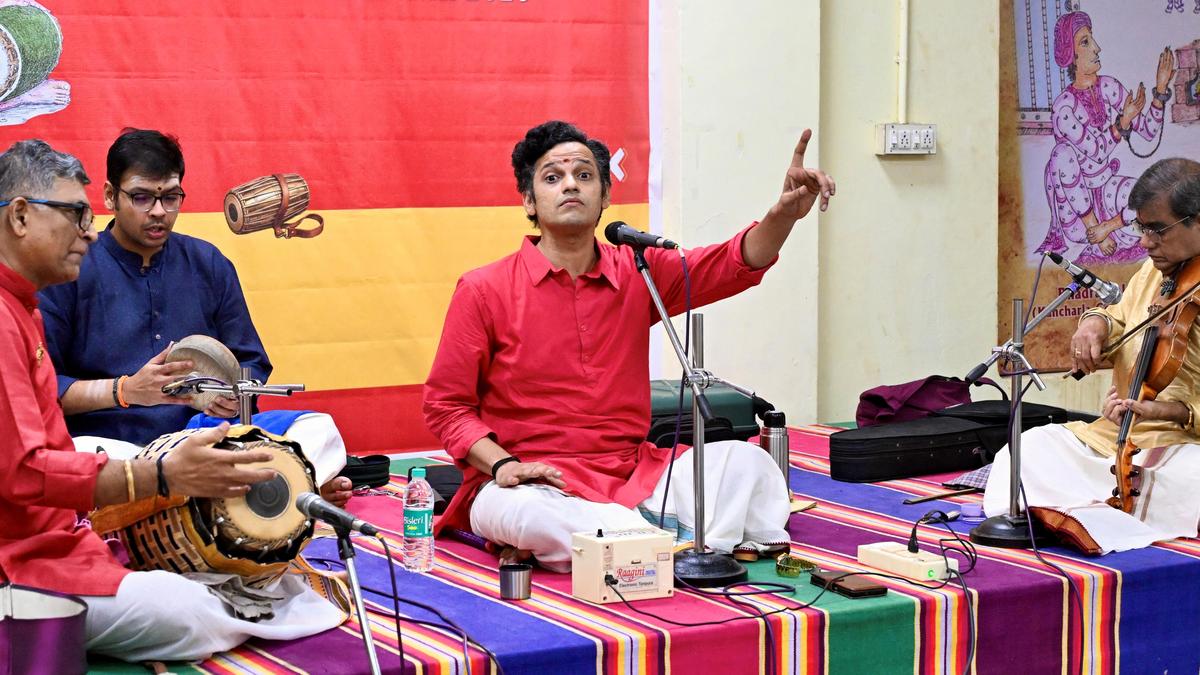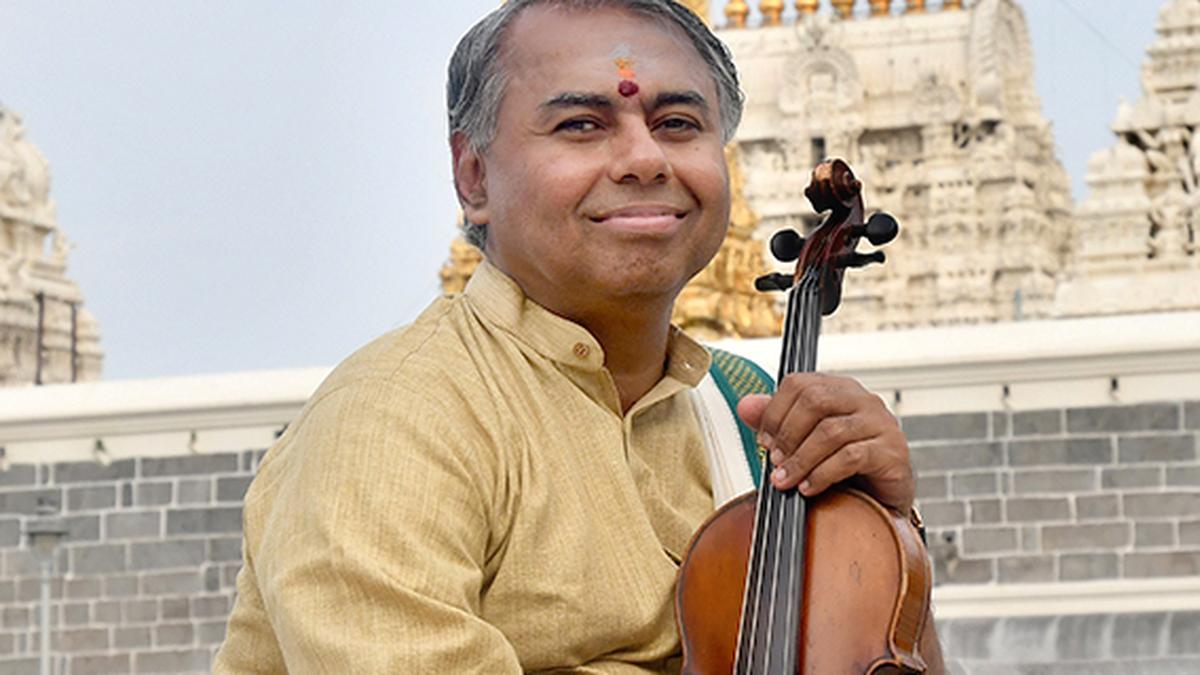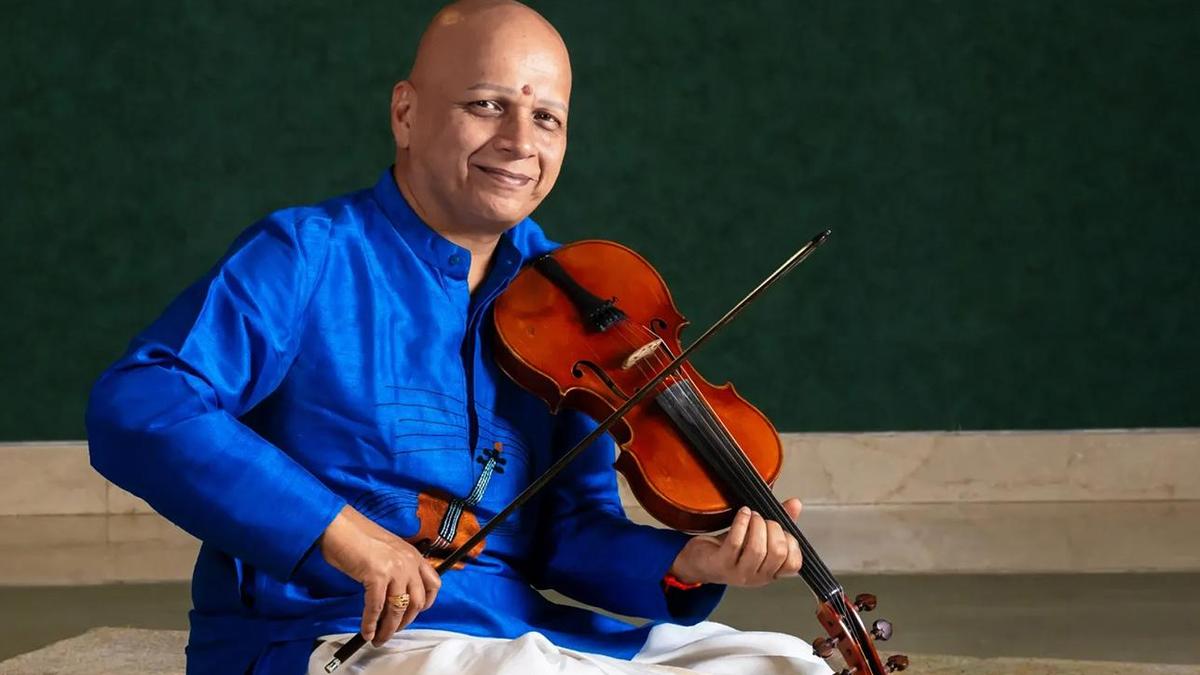
It is not unusual for creative minds to feel the urge to carve out a unique space for themselves. Kumaresh R., of the well-known Ganesh–Kumaresh violin duo, is no exception. Over the years, the many musical conversations he shared with his brother lingered in the background, waiting for the right moment to find expression.Tala Pravaham, a series of rhythmic explorations on the violin, is the culmination of that journey. “Ideas are an outcome of a journey,” says Kumaresh. The spark, he recalls, came as he reflected on many of those conversations.“We spoke about the irony of equating music primarily with the voice,” he says. “Saraswati plays the veena; she doesn’t sing. Krishna plays the flute; he doesn’t sing. There are other deities too who are represented through instruments rather than the voice. Much of what we call the Carnatic vocal style and technique today actually evolved from the way instruments were played, not the other way round. The veena and the nagaswaram, for instance, have contributed immensely — the short phrases, gamakas, and more.”For Kumaresh, these examples point to a larger truth: music has always been centred on nada, or sound itself. “Tyagaraja wrote ‘Sangeeta Jnanamu’, not Sahitya Jnanamu. He spoke of ‘Nadopasana’. These are powerful pointers to what the very edifice of this music is. In that case, why do we always have to be a caricature of the voice?”The idea crystallised shape during one of his classes. “In vocal music, sahitya creates a progression of meaning. But on an instrument, how do we achieve that? I composed a melody in Ata tala, shaping it to reflect the rhythmic possibilities of the tala itself.”
Kumaresh R. on expanding the violin’s rhythmic potential in Carnatic music
R. Kumaresh's Tala Pravaham series explores the depth and diversity of the sooladi sapta talams
698 words~3 min read