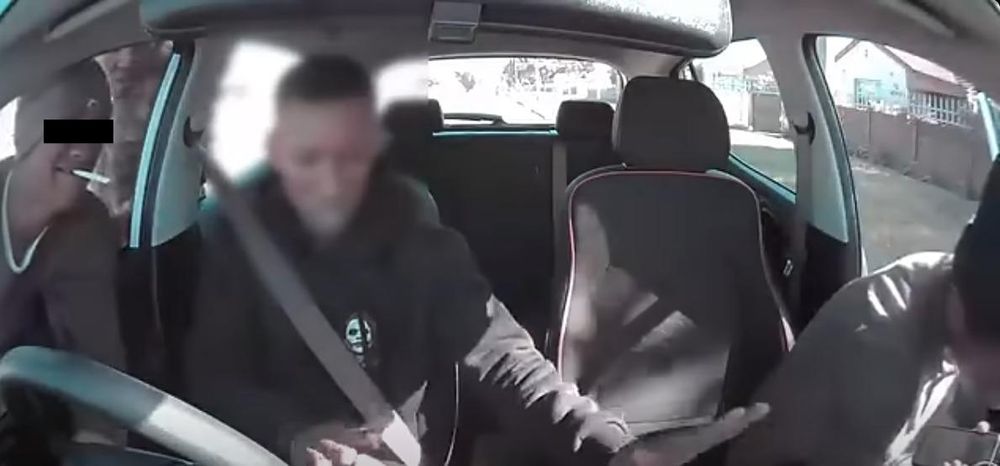
A recent alleged robbery involving two Uber passengers has highlighted concerns about safety on e-hailing platforms.Benoni resident Lydia Fourie said her 19-year-old son, Keeno, and his friend were attacked after booking an Uber following a night out in Pretoria.“What followed was every parent’s nightmare. According to the information provided to us by my son and his friend, the Uber vehicle was followed by a second vehicle,” Fourie said.She alleged that during the trip the vehicles stopped on the M10, where two armed men — one of whom her son identified as the Uber driver — threatened the pair with knives, robbed them of their belongings and left them stranded.“For seven hours we had no contact with my son. His phone was no longer functioning, his tracking stopped, and as a parent I had no idea whether he was alive, injured, or safe. Thankfully, my son is now home and safe,” she said.Fourie said the incident raised serious questions about passenger safety, including what measures are in place to protect riders and what support is available to victims.“This is not simply about stolen property. This is about the safety of young people who trust that they can use a transport service to get home safely.”Fourie said she reported the incident through Uber’s app and received a callback from a consultant who told her the company was unable to trace the trip based on the information she had provided.She later received the following response from Uber: “We’re sorry to hear about what you have mentioned. What you have described does not align with Uber’s values. We strive to provide a service based on mutual respect between the rider and the partner-driver. Rest assured that we have taken the necessary internal actions.”Uber did not respond to Business Day’s requests for comment by the time of publication.Allegations of passengers being robbed, assaulted or abducted during e-hailing trips have surfaced periodically in South Africa, but such incidents appear to be relatively rare compared with the millions of trips completed each year. More commonly, e-hailing drivers themselves are the victims of violent robberies and hijackings.One of the country’s most notorious cases affecting rider safety emerged in 2016, when a criminal syndicate dubbed the “Uber Gang” used vehicles made to resemble legitimate e-hailing cars, in some cases matching the descriptions and registration details of booked vehicles. Passengers were kidnapped, robbed, and subjected to severe violence and sexual assault. Unsuspecting passengers allegedly entered the fake vehicles believing they were their rides before being robbed, assaulted or held captive. Four men, one an Uber driver, were arrested in 2019, and the protracted case is ongoing.In 2024 a Bolt driver was sentenced to life imprisonment for rape, kidnapping and assault. Between January and February 2022, he targeted women who requested transportation from Cosmo City to various destinations, using the Bolt app. Similar incidents have occurred in several countries. High-profile cases have prompted Uber, Bolt and other companies to strengthen driver screening and emergency features. Passengers have access to live trip tracking, real-time trip sharing with friends and family, and an in-app emergency assist button.The department of transport in September gazetted new e-hailing safety regulations under the National Land Transport Amendment Act (NLTA), which recognises e-hailing as a new category of public transport in South Africa and aims to improve safety for passengers and drivers on e-hailing platforms. The act states that a physical panic button is mandatory and must be within easy reach of both the driver and the passengers.It specifies that live location tracking must run from the start of the trip to its conclusion, informing the passenger of the driver’s arrival, the driver’s most recent photo, and vehicle details. Each vehicle should be branded or carry a sign indicating that it is an e-hailing vehicle. App developers who permit users to use their apps without an operating licence risk a fine of up to R100,000 or up to two years in jail. Transport department spokesperson Collen Msibi said drivers will also need a professional driving permit, which checks their criminal record and authorises them to operate public transport vehicles.Since the new law was gazetted in September, the department of transport said nine companies had applied for e-hailing certificates. Despite these measures, safety experts generally advise passengers to:Verify the vehicle registration; Make sure the driver photo matches what is displayed in the app before getting in;Share trip details with a trusted contact, especially at night;Sit in the rear seat where practical;Report any route deviation immediately through the app; andCall emergency services if they believe they are in imminent danger.Business Day
Uber robbery renews fears over e-hailing safety in South Africa
Benoni mother’s account of her son’s alleged robbery highlights ongoing concerns despite new regulations aimed at improving safety for e-hailing passengers and drivers
761 words~3 min read