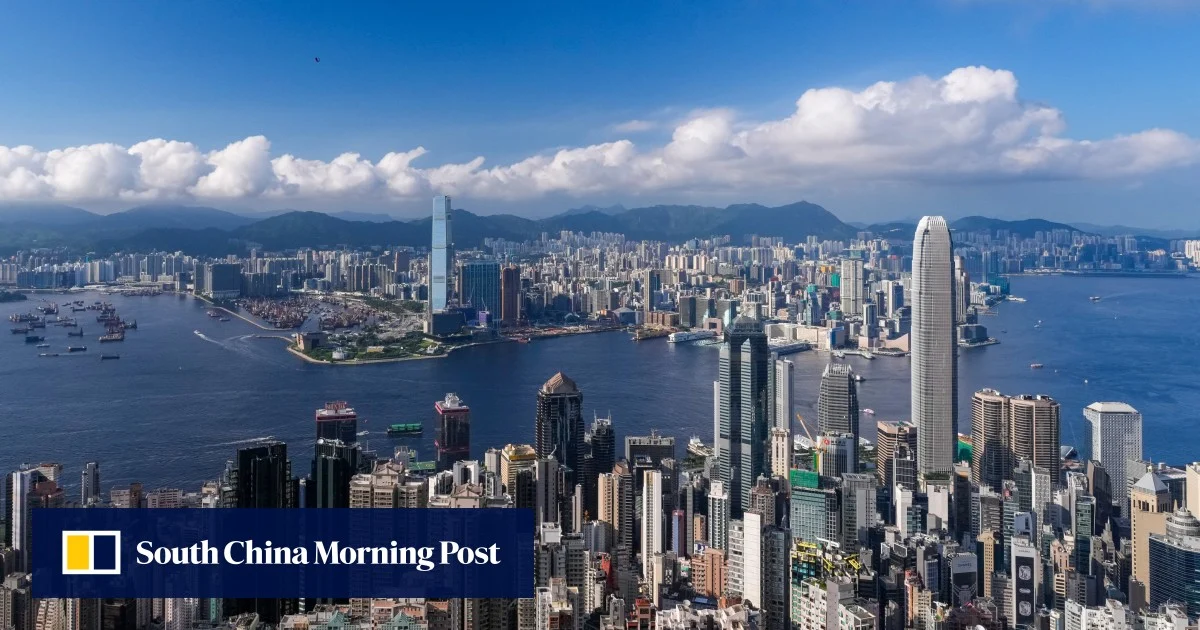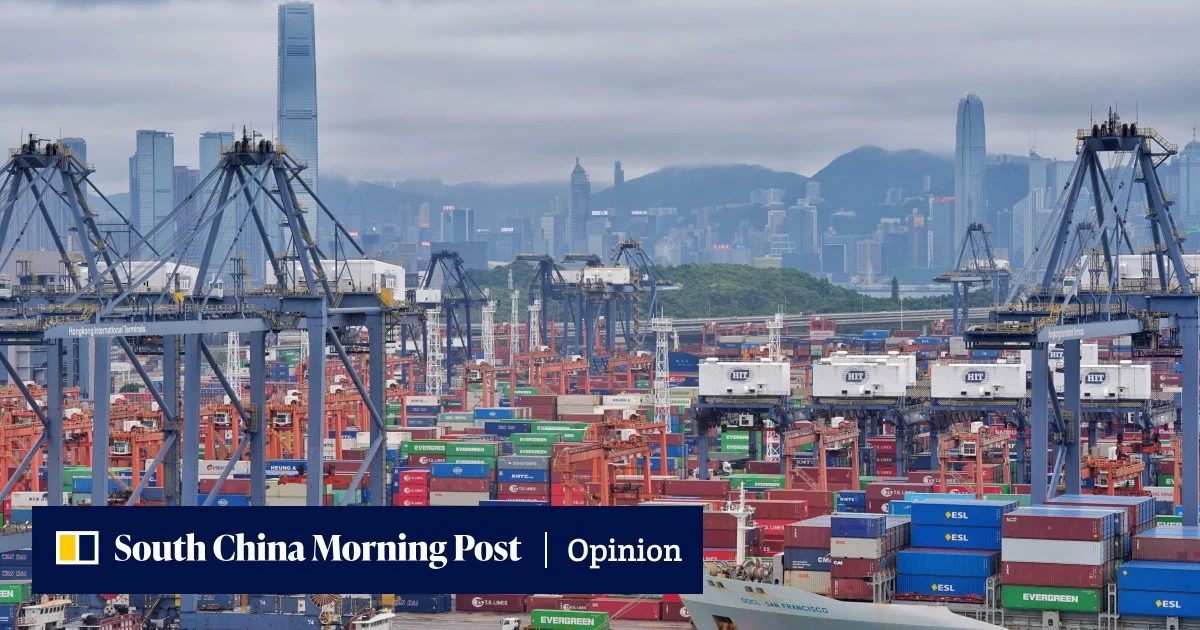
Hong Kong, Singapore, Dubai, and the other familiar entrepots of global capitalism are often arranged, by analysts and consultants, into a sort of league table. One city has more listings, another more family offices, another more startups, another more sovereign wealth. The exercise is useful, up to a point. It also has a way of mistaking comparison for understanding.
For companies expanding across Asia, the Gulf, and beyond, the better question may not be which hub wins. It may be what each hub is for.
The usual measures are by now well rehearsed: foreign direct investment, company registrations, IPO proceeds, talent flows, trade volumes. These figures matter. They give policymakers and boardrooms an apparently objective language with which to describe where money and ambition are moving. But they can also flatten the story. In aggregate, hubs appear to be competing for the same companies, the same capital, the same attention. In practice, companies tend to behave less neatly. They may use one hub to raise capital, another to reach customers, another for tax or regulatory reasons, and another because it sits near suppliers, engineers, or a market they cannot afford to ignore.
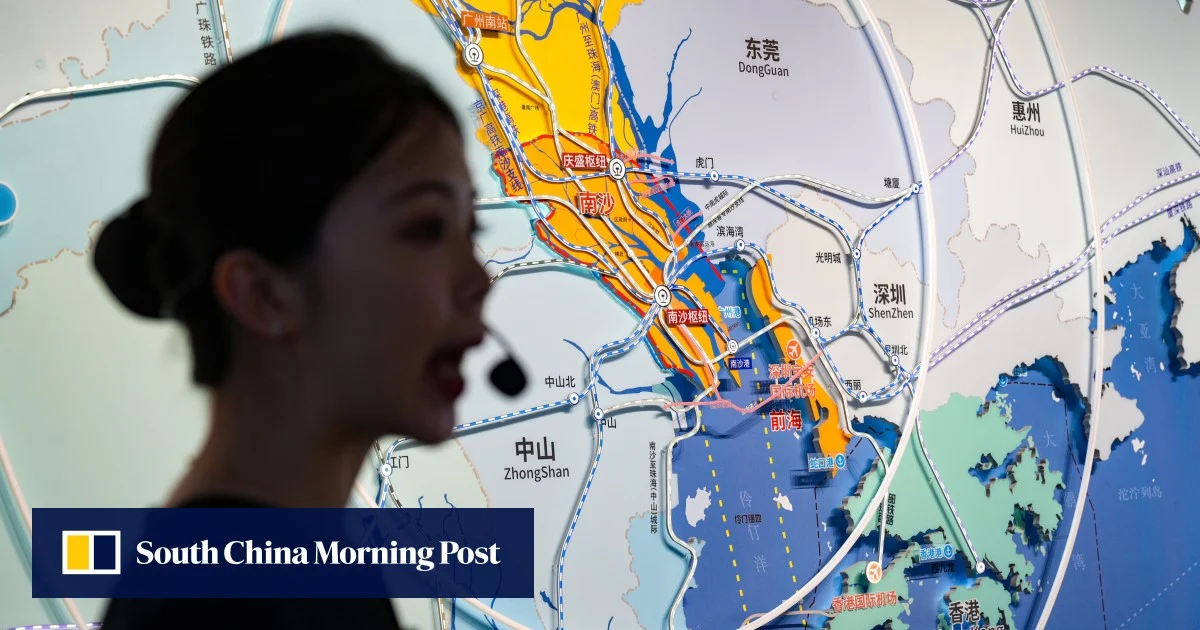
At this year’s GBA-ASEAN Summit, held from June 30 to July 1, Hong Kong made the case for precisely this more layered view.