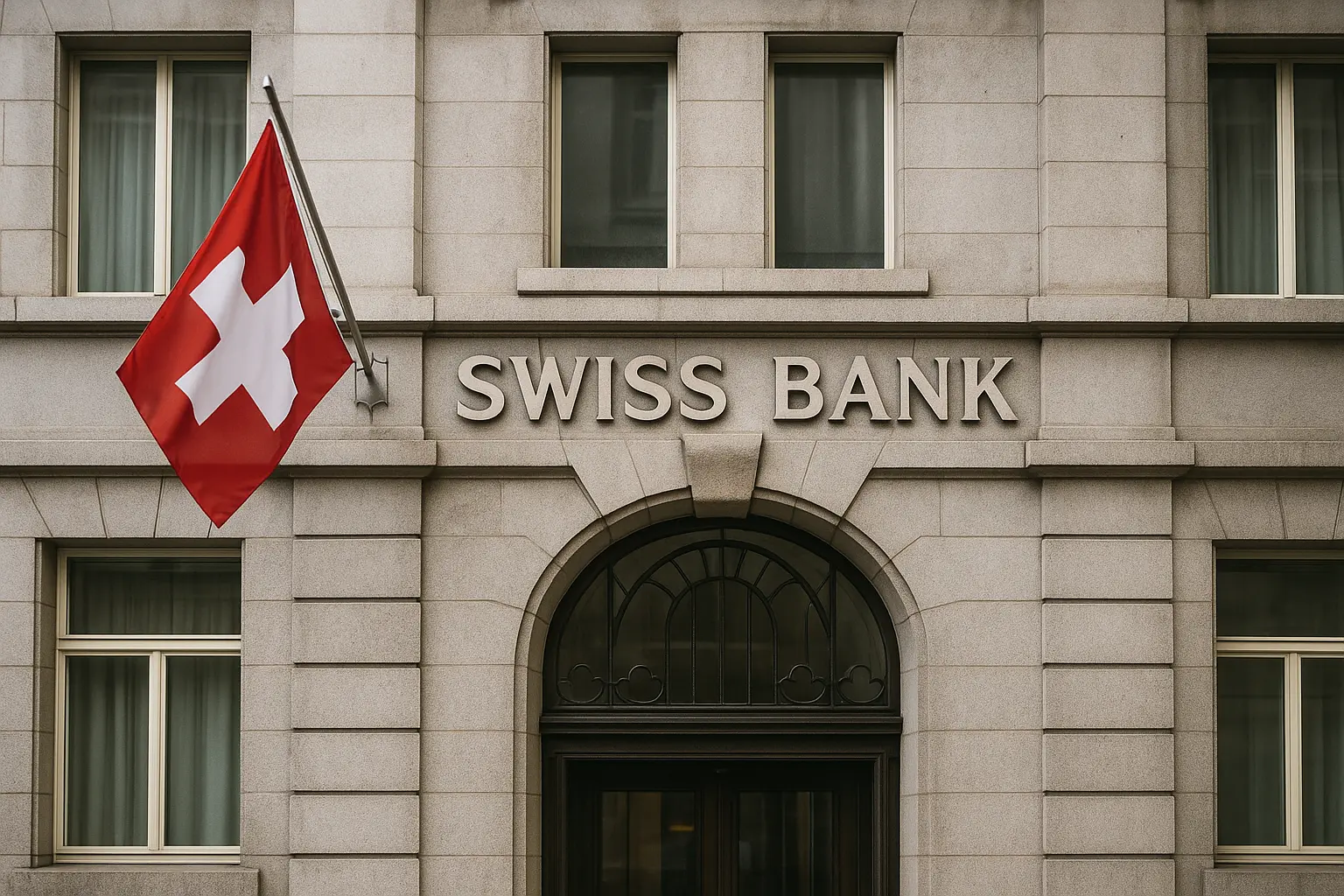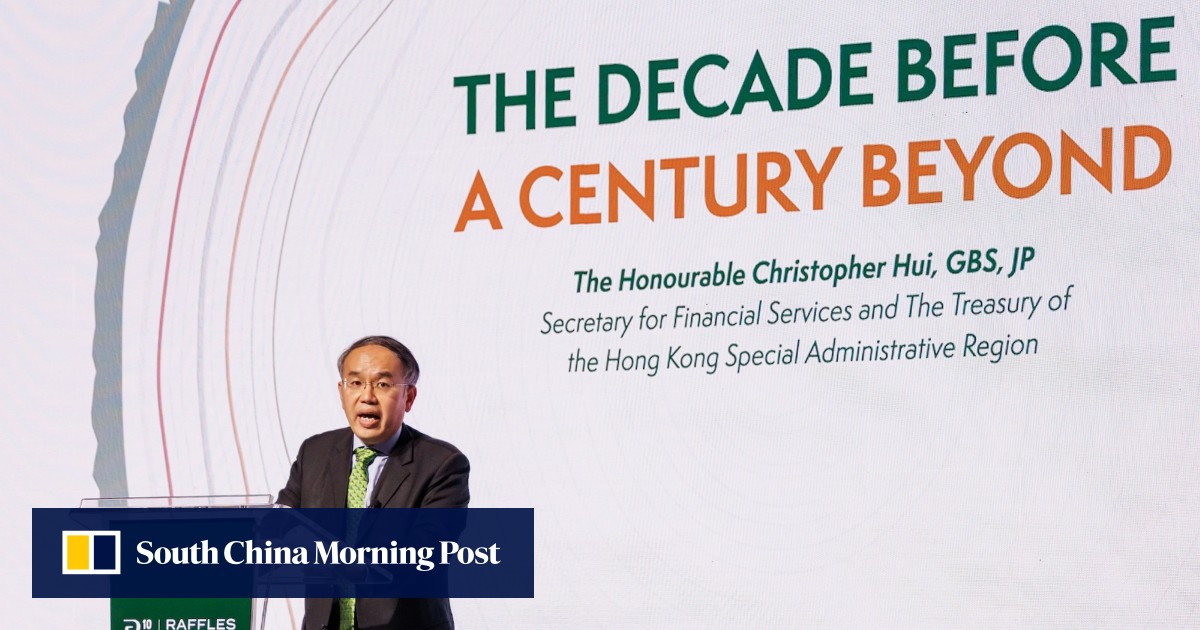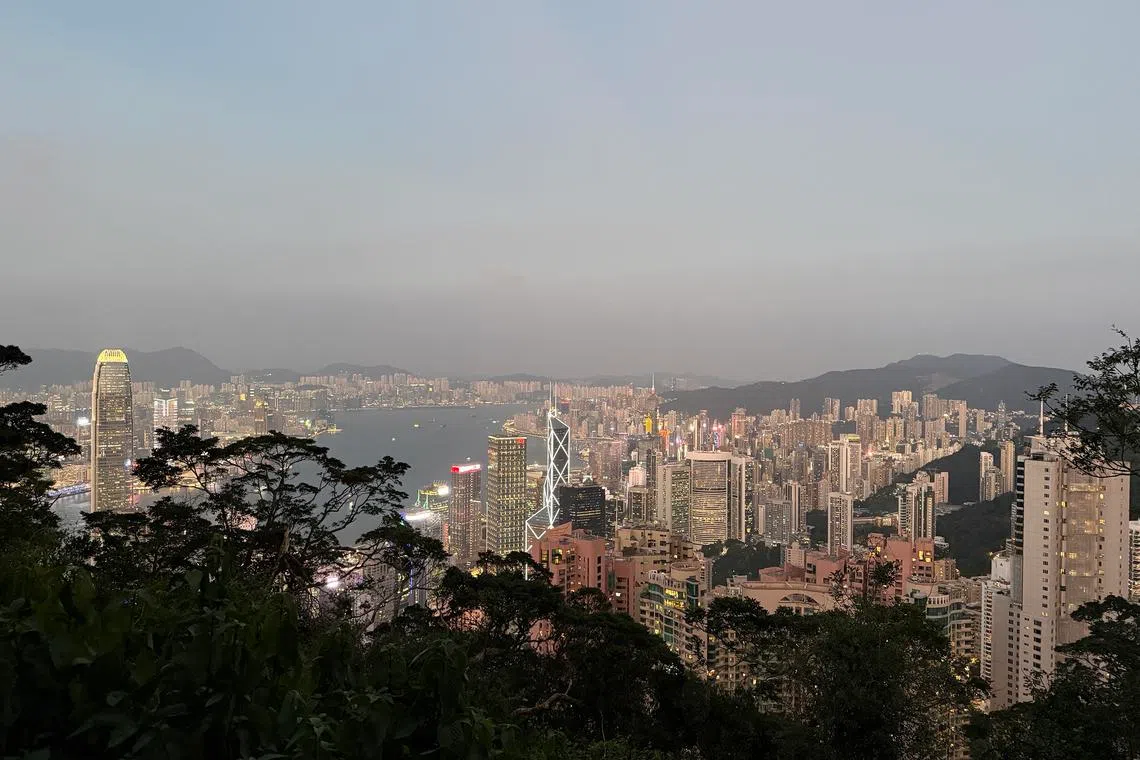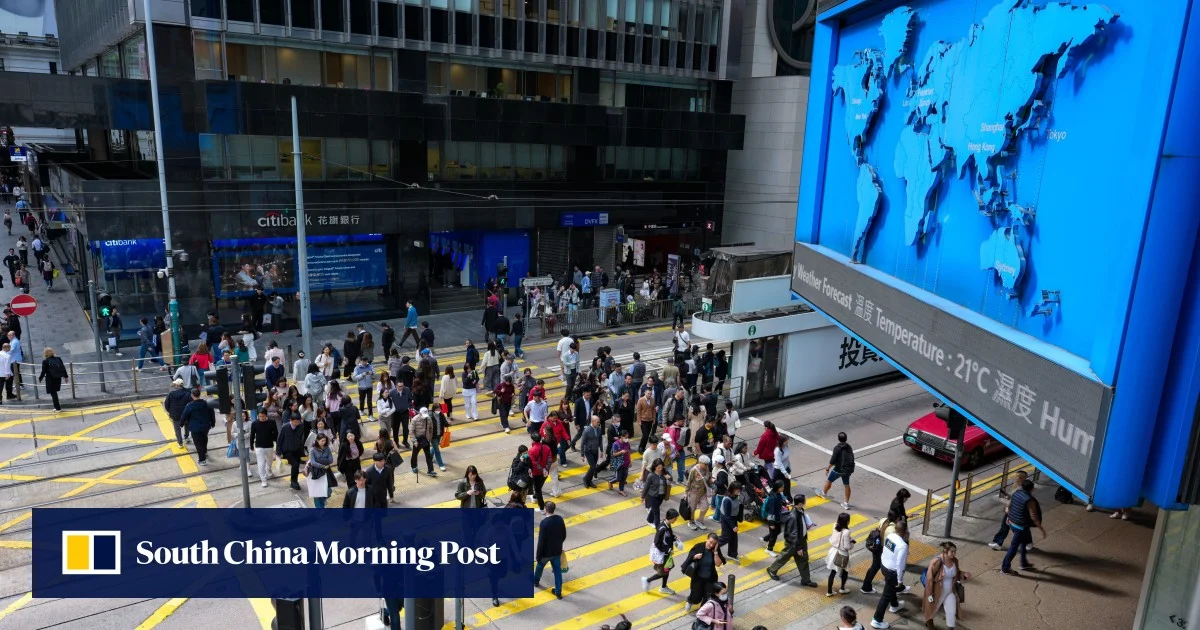
Hong Kong aims to lure multinationals into setting up their corporate treasury management here to handle capital and financial risks. It is the next logical step towards becoming a one-stop shop for corporations, high-net-worth individuals and their family offices. The city has already surpassed Switzerland as the world’s largest cross-border wealth management centre. An influx of mainland capital and the booming number of family offices have turned it into the “Switzerland of the East,” managing a whopping US$2.95 trillion in offshore assets.The Hong Kong government plans to broaden tax incentives and introduce a pre-approval process to renew favourable tax benefits for corporations. According to Secretary for Financial Services and the Treasury Christopher Hui Ching-yu, the goal is to attract more overseas companies to set up corporate treasury centres in the city.Tax benefits are, of course, the main attraction. This will require a law change, projected for the first half of next year, to expand interest deductions eligible for the 50 per cent profit tax concession launched in 2016. A mechanism will also be introduced to allow the Inland Revenue Department to pre-approve favourable tax benefits for a renewable period for qualified corporate treasury centres.The initiative is an extension of tax incentives introduced in 2016 to entice mainland Chinese and international companies. Their corporate treasury base here can centralise fund management, asset allocation and risk management while claiming tax benefits they might not enjoy elsewhere. At the same time, the government will seek double-taxation agreements with major trading partners to help overseas firms using Hong Kong as a treasury base not be taxed twice.A key benefit of such corporate treasury “immigration” is that it will bring in legal and financial professionals, enhancing the local job market with high-value positions. The city has gained new impetus from the need to contribute to the nation’s 15th five-year plan.Facing increasingly tough financial regulations, supervision and the threat of higher taxes, especially in Europe, more wealthy families and corporations are looking East. There is now a rebalancing of global wealth away from traditional European booking centres and towards strategically connected Asian hubs.
Editorial | As global wealth moves towards Asia, Hong Kong is stepping up
Tax incentives to lure corporations and wealthy individuals will help the city make a valuable contribution to national development.
347 words~2 min read