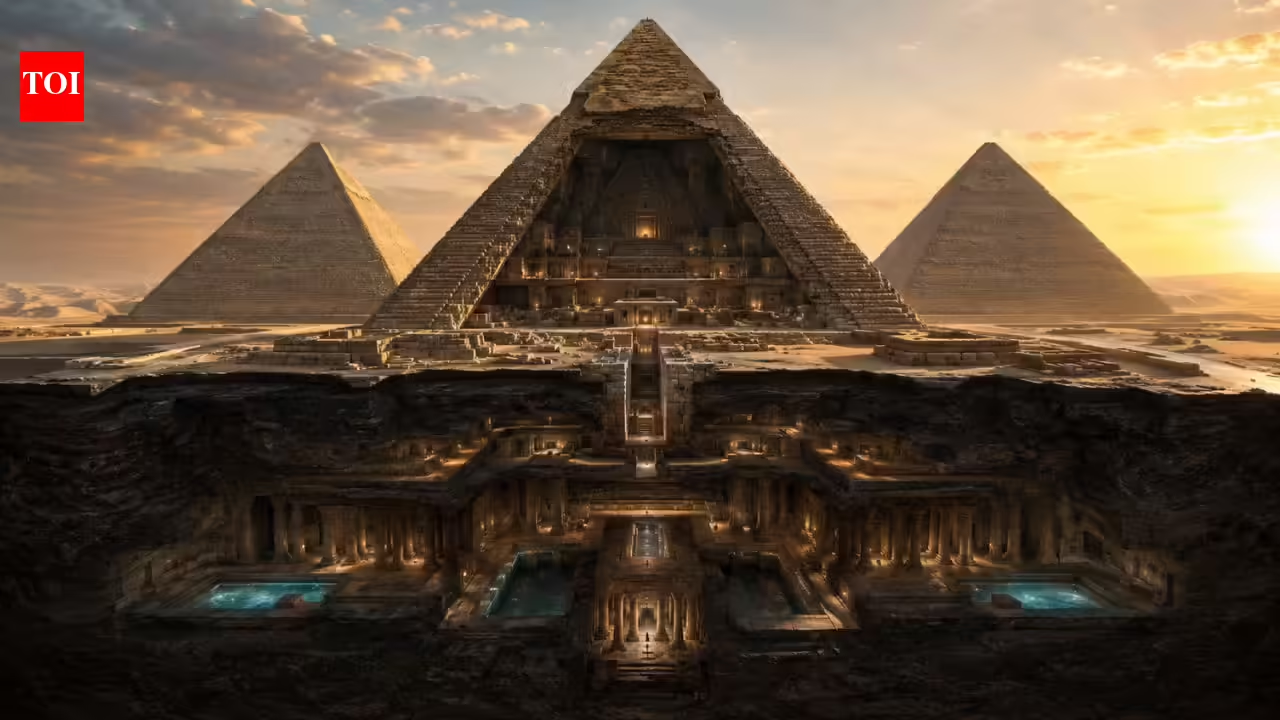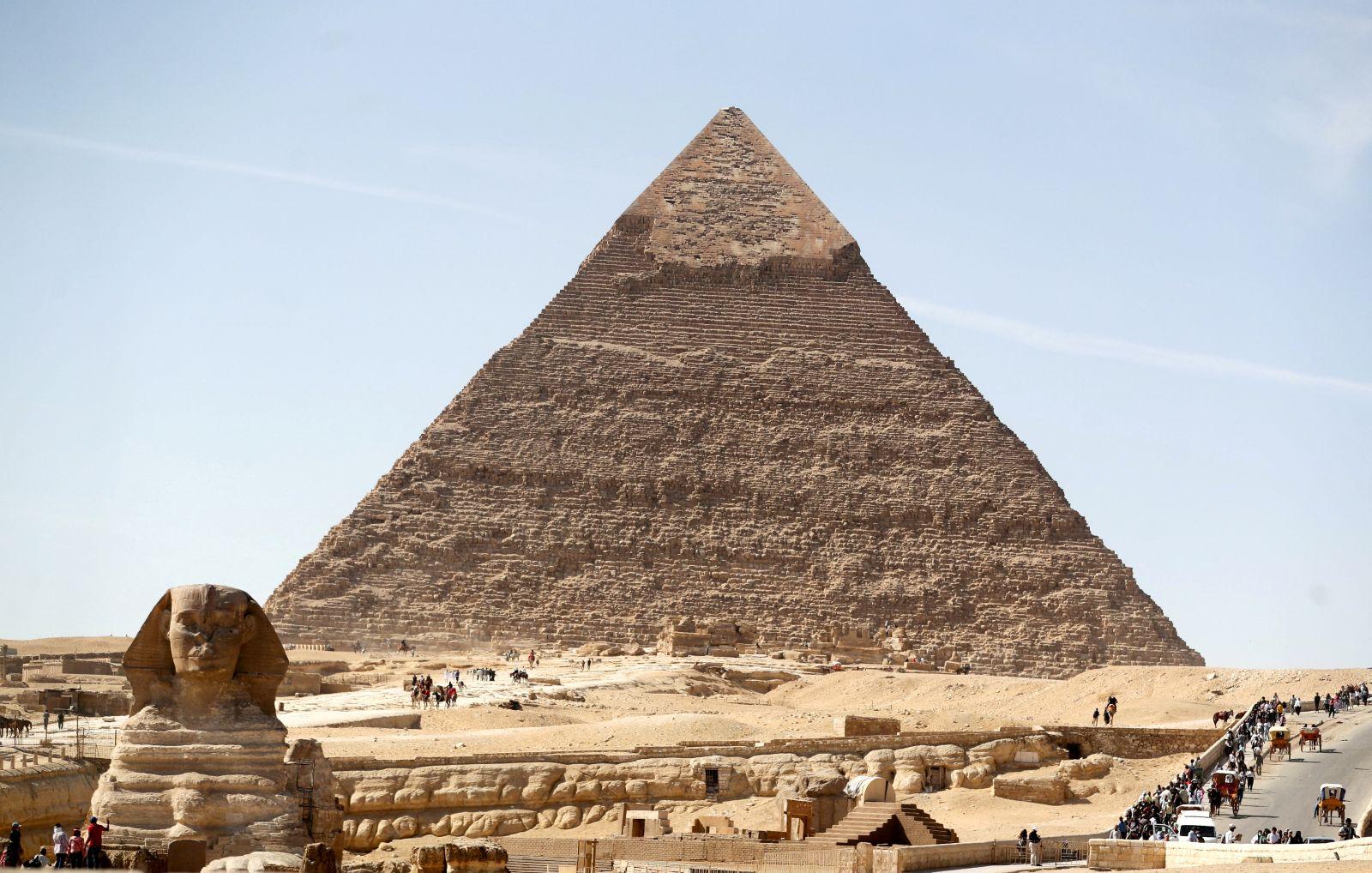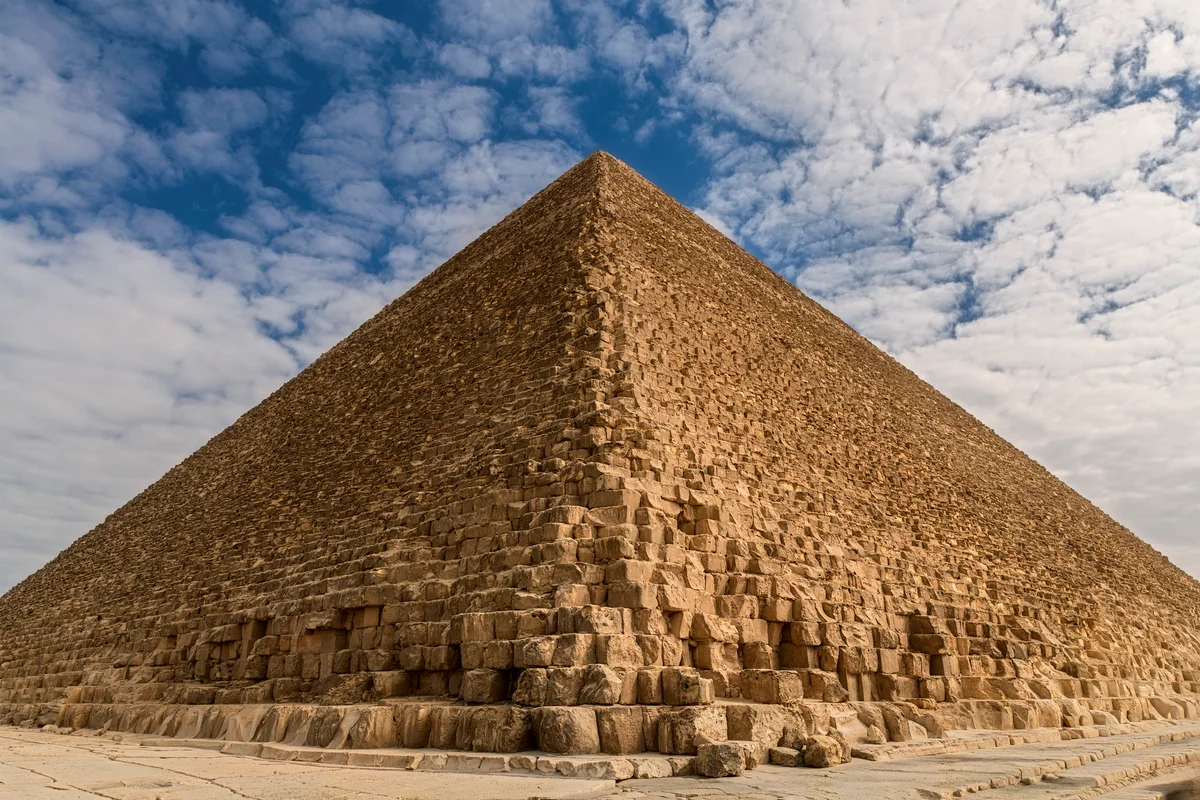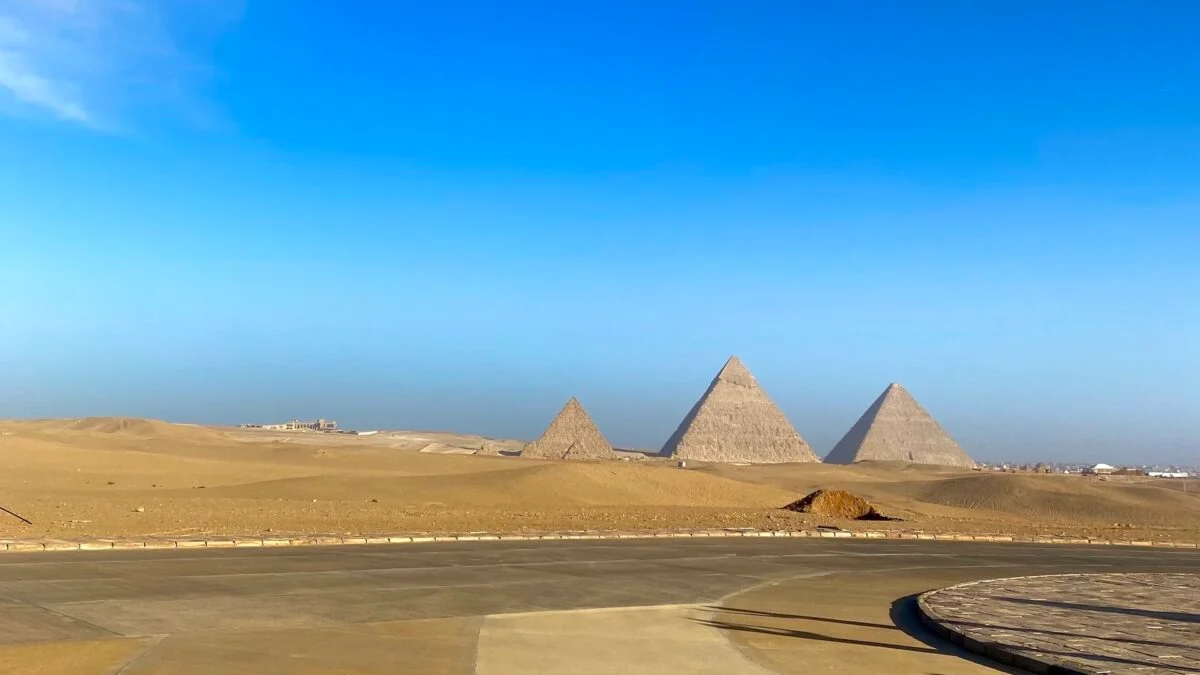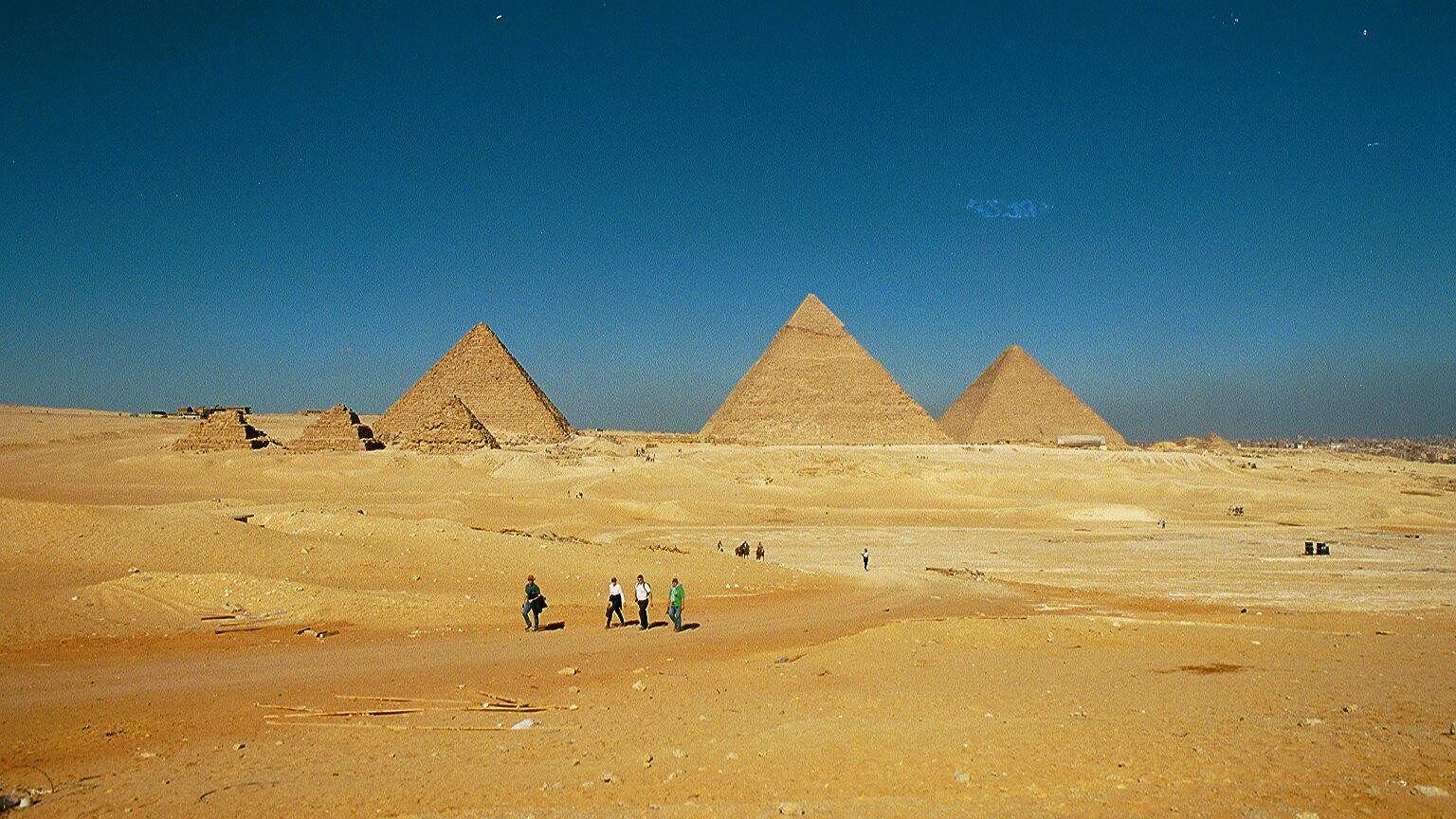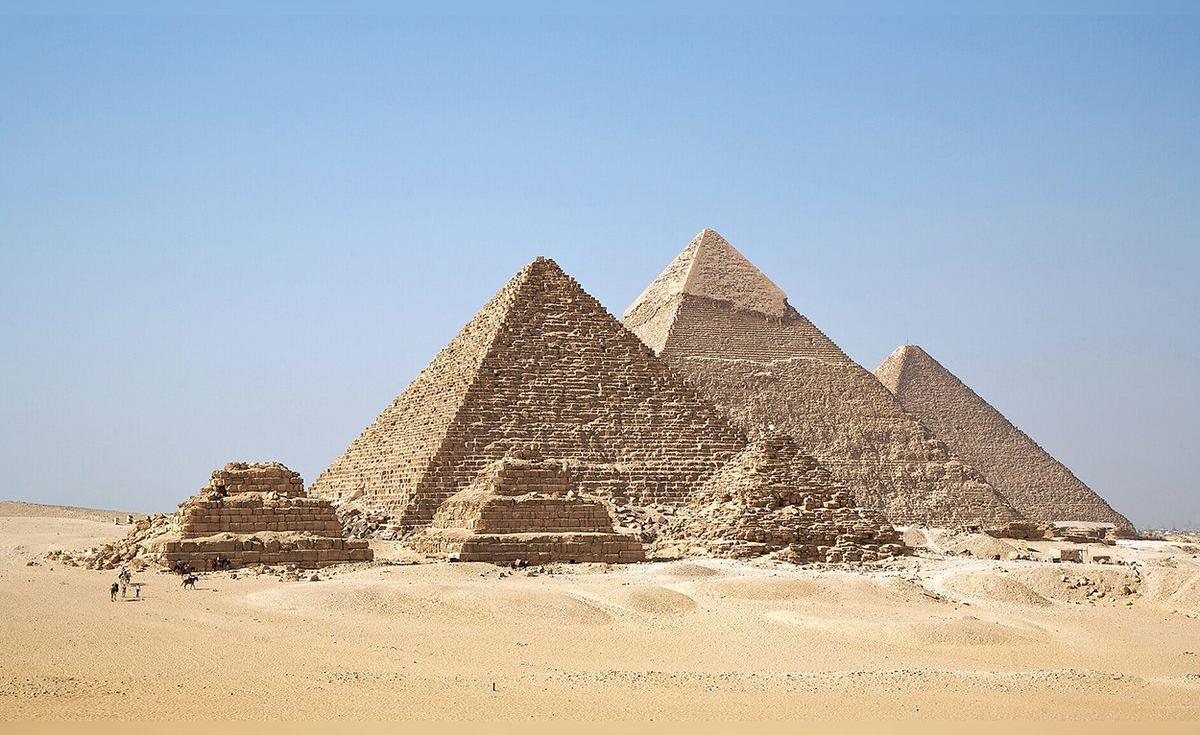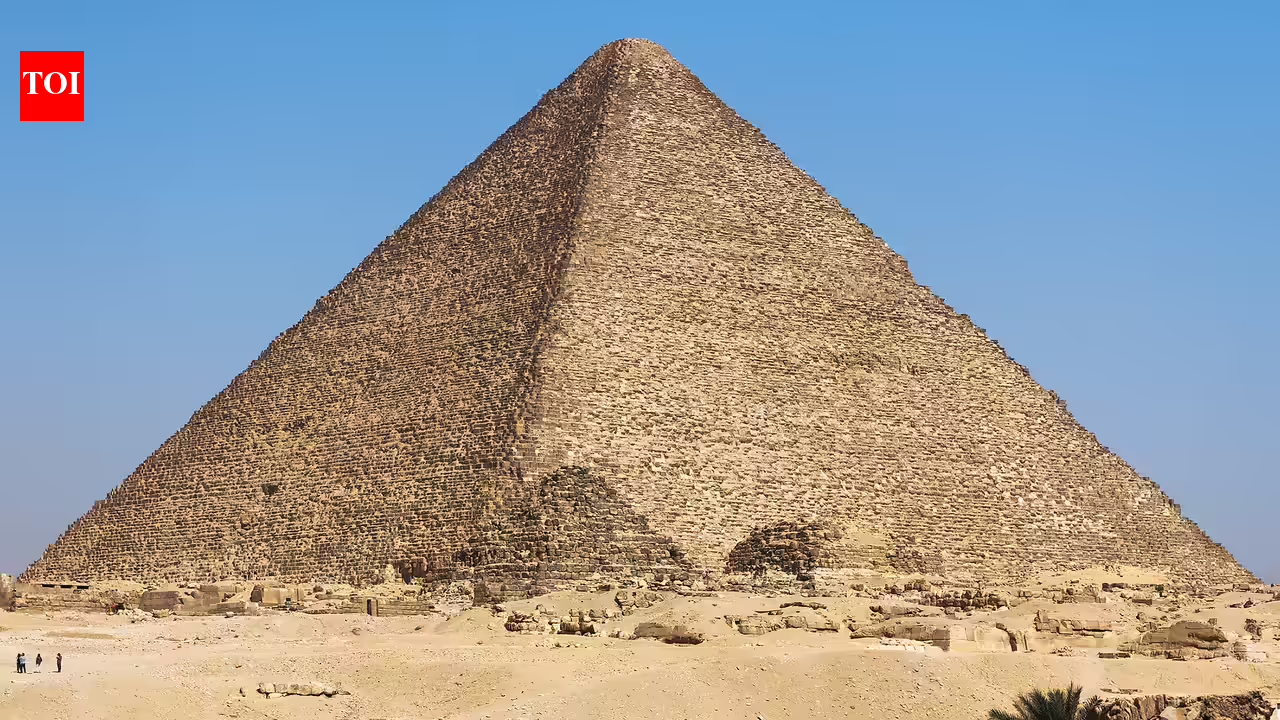
The Great Pyramid of Giza, built around 4,500 years ago as the tomb of Pharaoh Khufu, became the focus of renewed scientific interest in 2017 after physicists used cosmic-ray muons to detect a previously unknown void hidden deep within its structure, reopening debates about its construction and internal design. Image Credits: WikipediaIn 2017, an international group of physicists discovered something new inside the Great Pyramid of Giza without lifting a single stone. By using cosmic muon rays, very small particles that go through the Earth all the time, they discovered a new cavity that was about 30 metres long, located above the Grand Gallery of the pyramid. What made the finding surprising was that, despite being one of the most studied structures on Earth, scientists had uncovered a large internal feature that had remained unknown since the pyramid was built about 4,500 years ago. But most importantly, it revived one of archaeology’s oldest questions: how ancient people built the largest pyramid in the world and what its purpose was. Even though the scan did not provide a clear answer, it showed that modern physics can reveal new things about ancient constructions without damaging them.How cosmic particles revealed the hidden chamberThe breakthrough relied on an imaging technique known as muography. This method does not use digging or drilling but employs muons, which are natural high-energy subatomic particles that arise from cosmic rays that reach the Earth's atmosphere. The muons can easily penetrate through the layers of rock, and therefore their quantity in different parts of the construction can be measured. Solid rock blocks more muons than hollow areas do. Research published in Philosophical Transactions of the Royal Society described the Great Pyramid project as one of the technology's defining achievements. The review explained that muography has become an effective tool for examining massive structures that cannot be explored through conventional excavation, including volcanoes, industrial facilities and archaeological sites. The success of the 2017 scan demonstrated that particle imaging could provide archaeologists with entirely new ways of investigating ancient structures without risking damage to invaluable cultural heritage.A discovery that revived an ancient mysteryA study published in Nature reported that the newly discovered void extended for at least 30 metres above the Grand Gallery and that its existence was independently confirmed using three different muon-detection technologies and separate analytical methods. This rigorous verification strengthened confidence in the findings and distinguished the discovery from speculative claims often associated with the pyramids. Since the Great Pyramid had already been investigated for centuries using traditional archaeological methods, identifying such a large hidden structure through non-invasive imaging represented one of the most significant discoveries made inside the monument since the nineteenth century.The find quickly reignited debate among Egyptologists because the void’s purpose remains unknown. Researchers have proposed several hypotheses. These include a relieving structure, an unfinished construction passage, or another feature of an as-yet-unknown architectural design. Nevertheless, none of these suggestions has been proved yet.This find instantly reignited the discussions between Egyptologists due to the lack of knowledge about the purpose of the hidden void. Various hypotheses exist regarding this problem. They suggest that this is a relief structure, built to relieve pressure inside the pyramid, an unfinished construction passage, or another part of an unknown architectural concept. Nevertheless, none of these suggestions has been proved yet.The paper did not attempt to speculate beyond the available evidence. Instead, the authors said they had confirmed the space’s existence but could not determine why it was created or whether it connects to any passages. An early explorer examines a passage inside the Great Pyramid of Giza. More than a century later, physicists used cosmic-ray muons to reveal a previously unknown void within the pyramid, reigniting questions about its construction and internal design. Image Credits: WikipediaWhy the hidden void still matters todayThe most important point about the 2017 discovery is not what scientists learned, but what remained unknown. In particular, the void has never been explored, and its purpose remains unclear. Until more evidence emerges, it will remain one of archaeology’s major mysteries.The discovery also shows how physics is changing archaeology by allowing researchers to study historical sites without excavation and help protect them from damage. The Great Pyramid shows that even a monument studied for many years can still surprise scientists with new secrets.Nearly seven years later, the discovery remains an important achievement in archaeology and physics. Nevertheless, the discovery did not solve the mystery of how Khufu’s pyramid was built or reveal a hidden tomb. By revealing an unseen space hidden deep inside one of humanity's most famous structures, the 2017 muon scan reopened an ancient mystery that continues to inspire new research and fresh debate today.
In 2017, physicists probing the Great Pyramid found a hidden void and reopened an old construction mystery
In 2017, an international group of physicists discovered something new inside the Great Pyramid of Giza without lifting a single stone. By using cosmic muon rays, very small particles that go through the Earth all the time, they discovered a new cavity that was about 30 metres long, located above the Grand Gallery of the pyramid.
779 words~4 min read