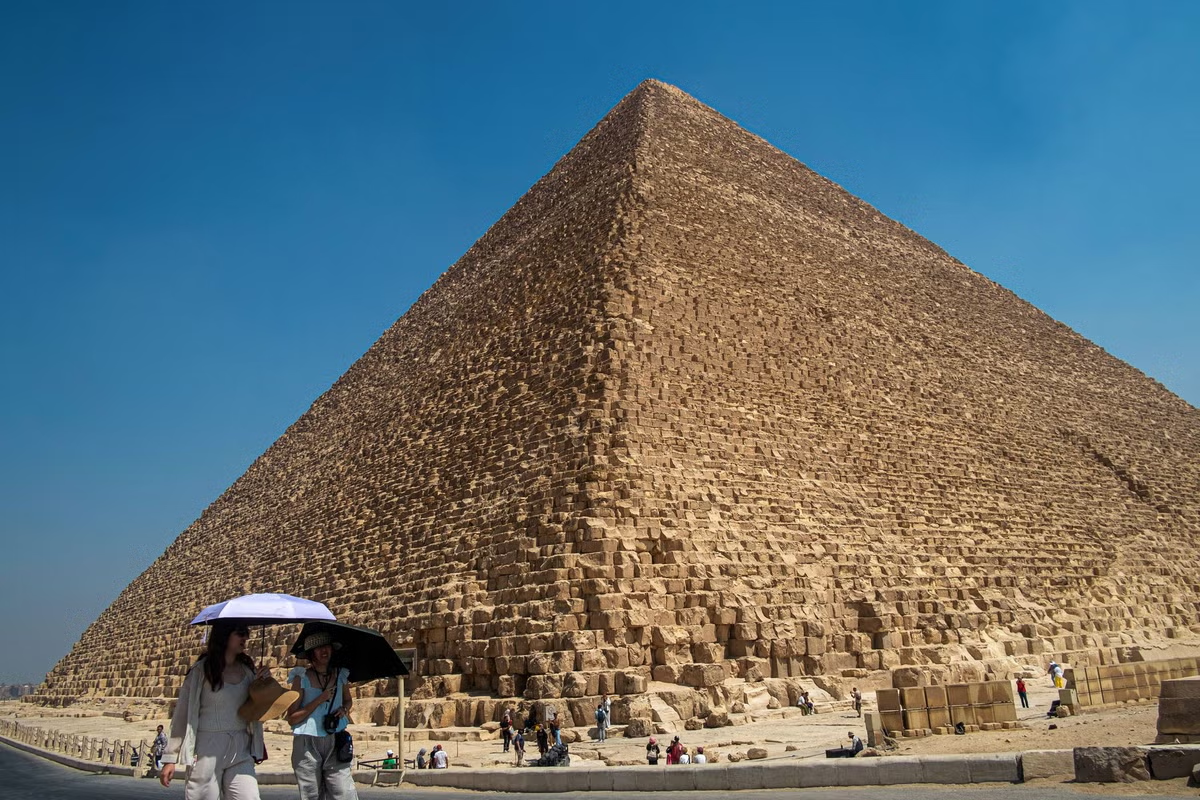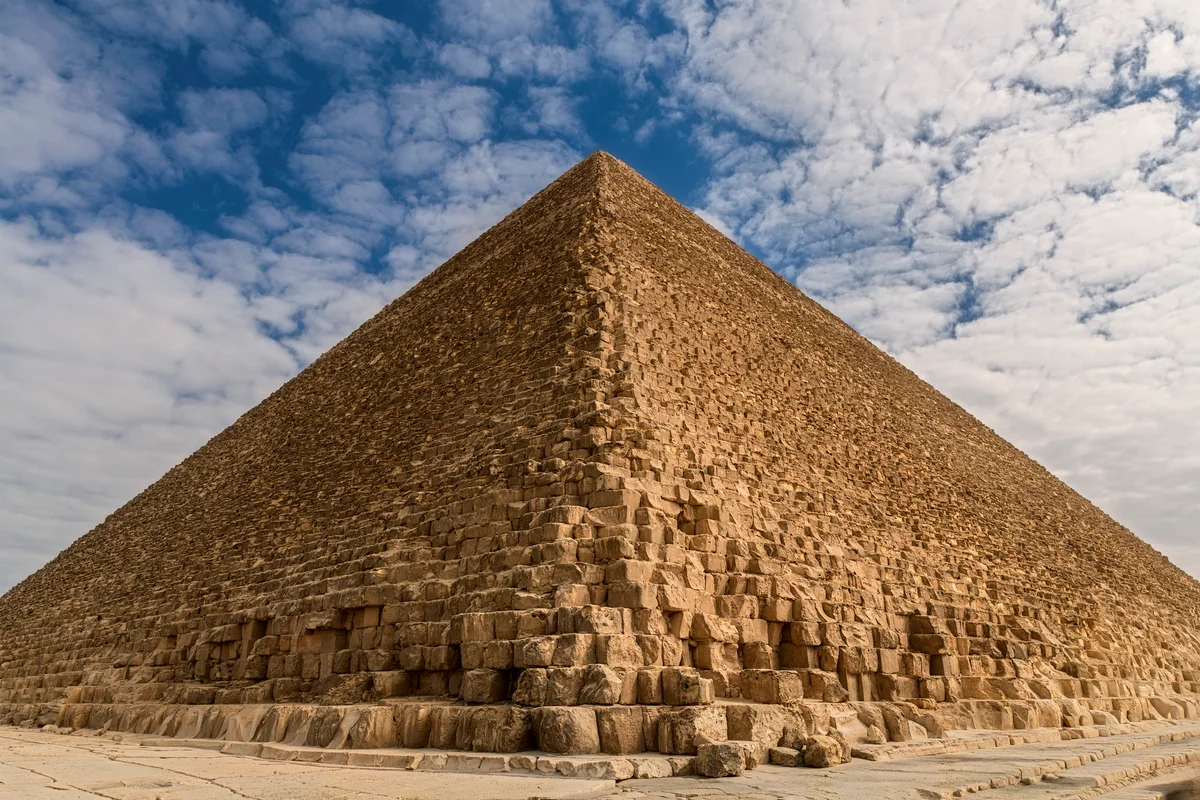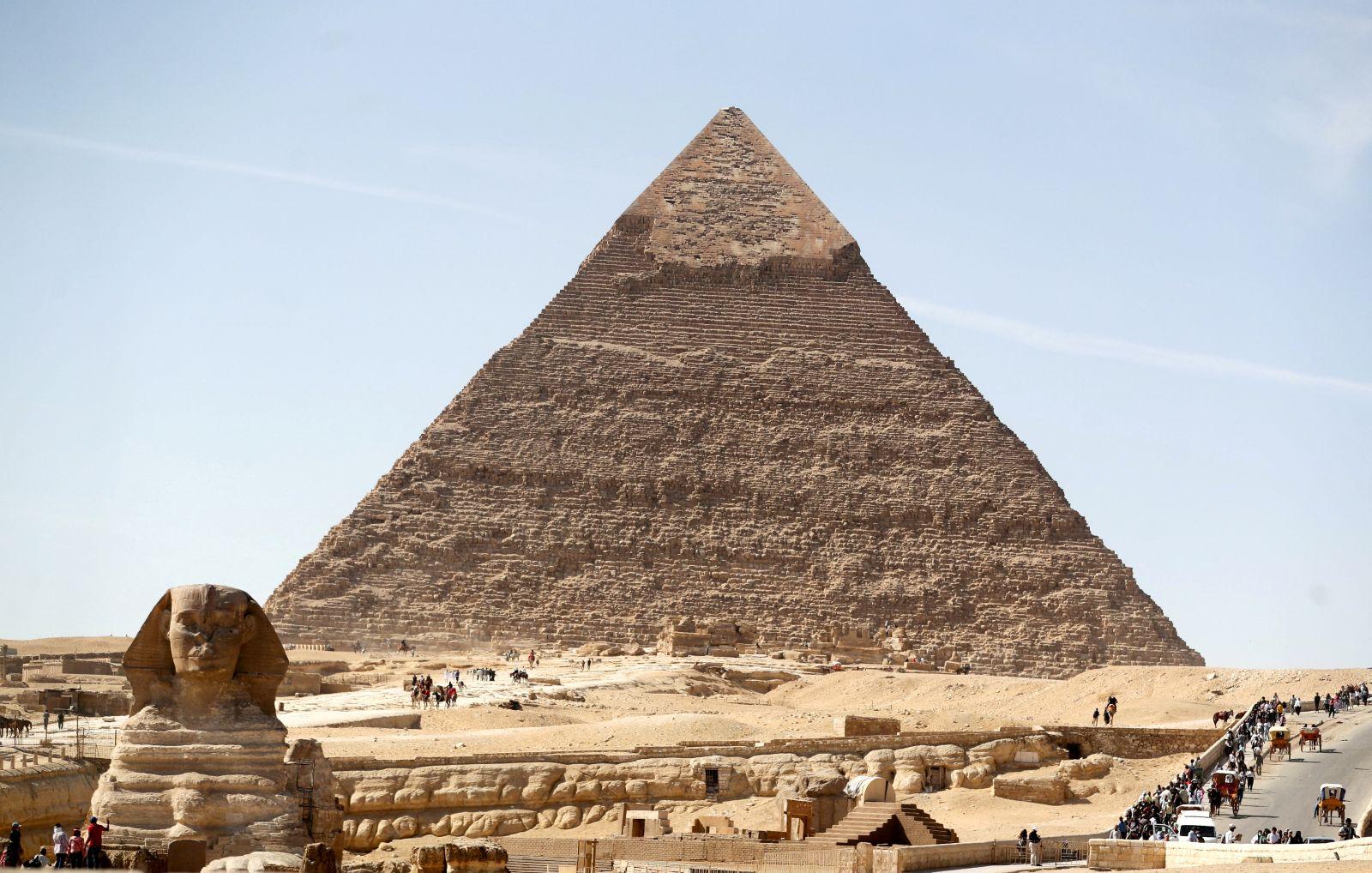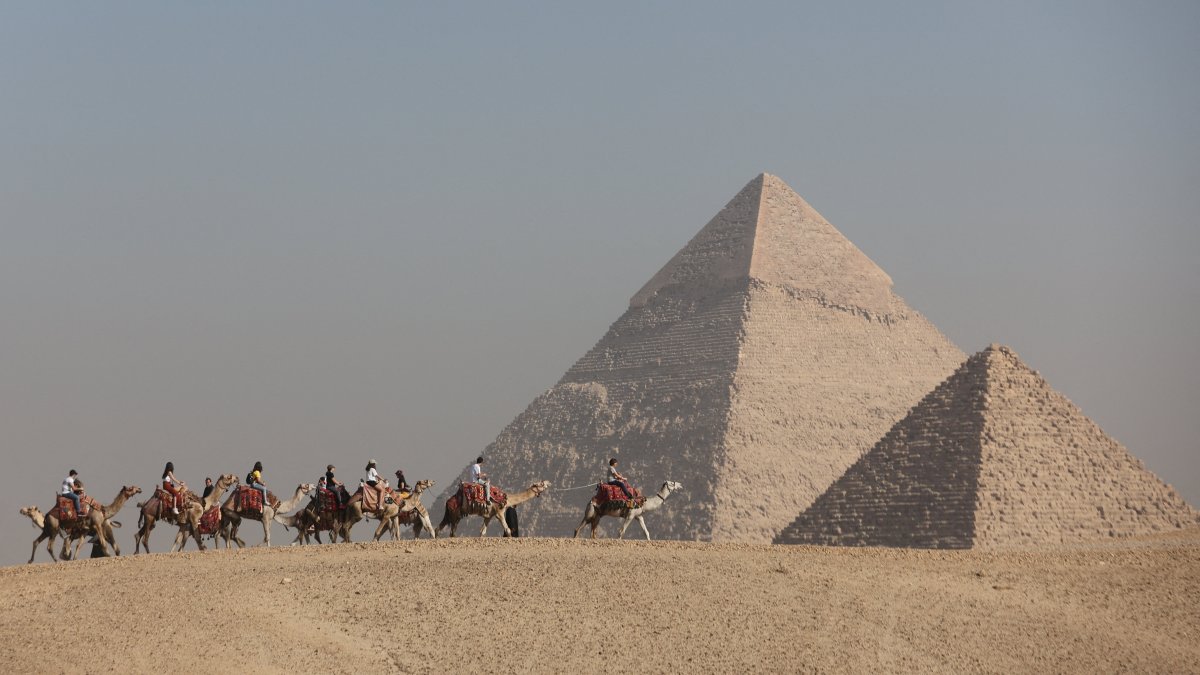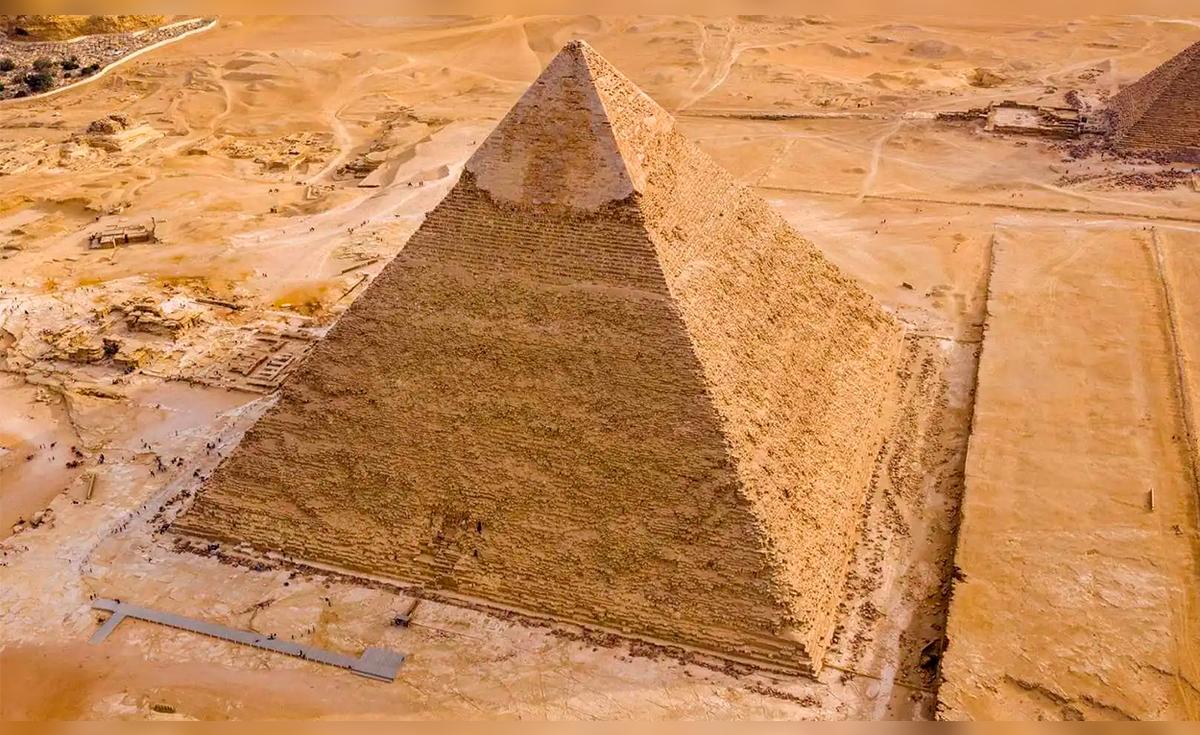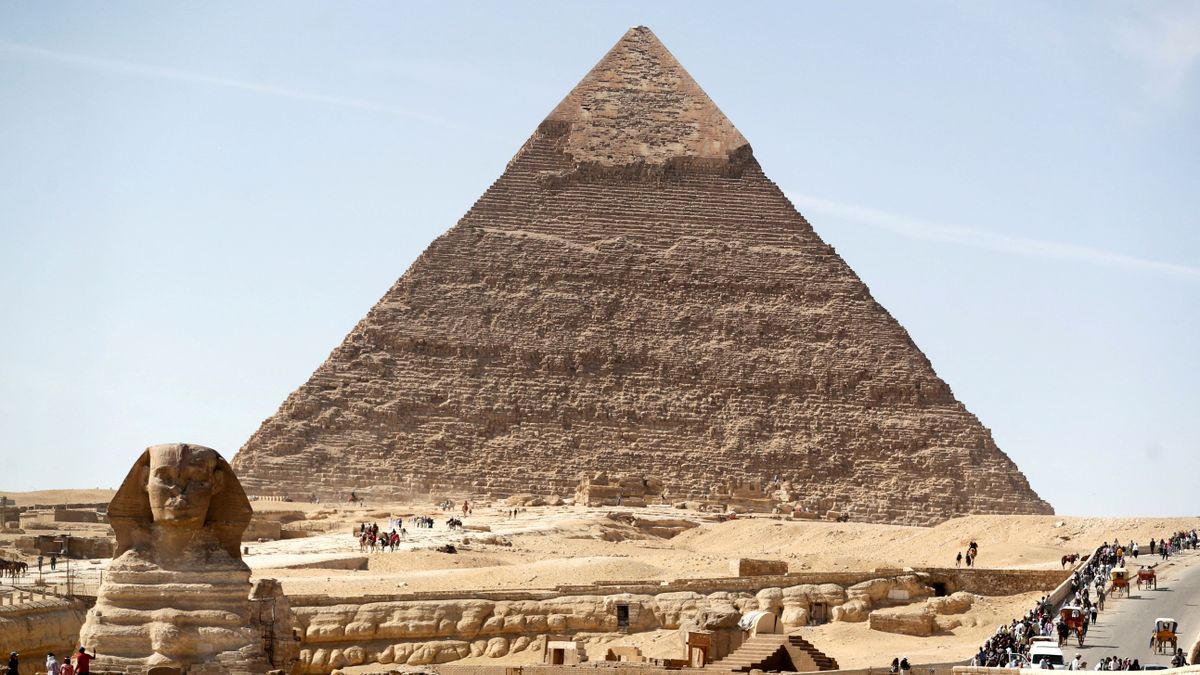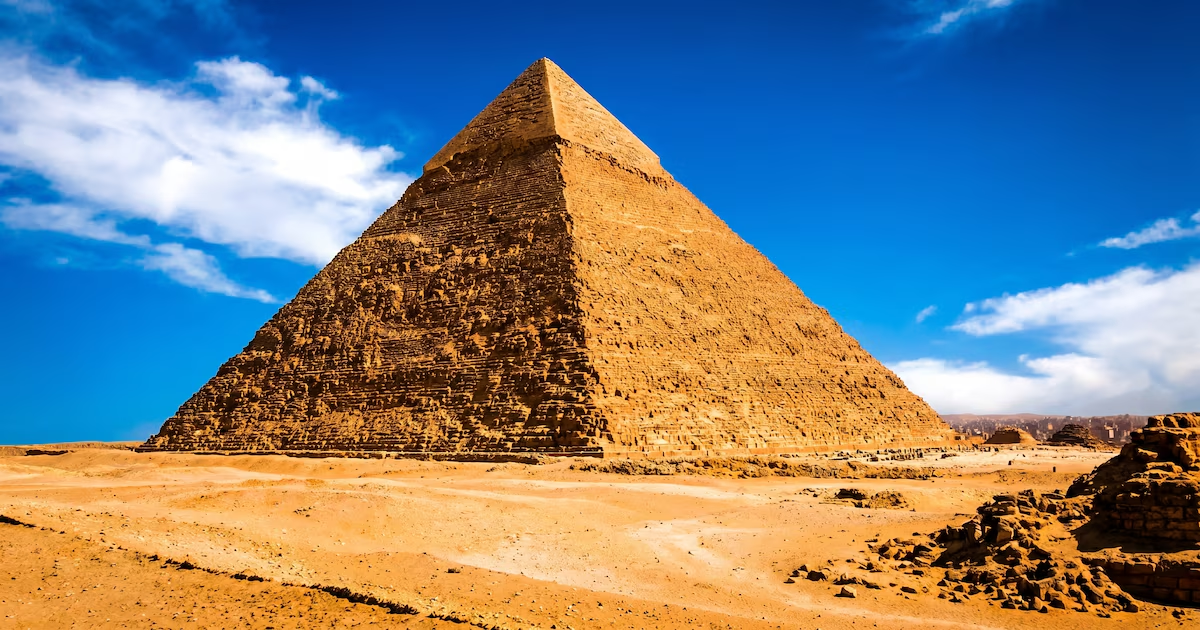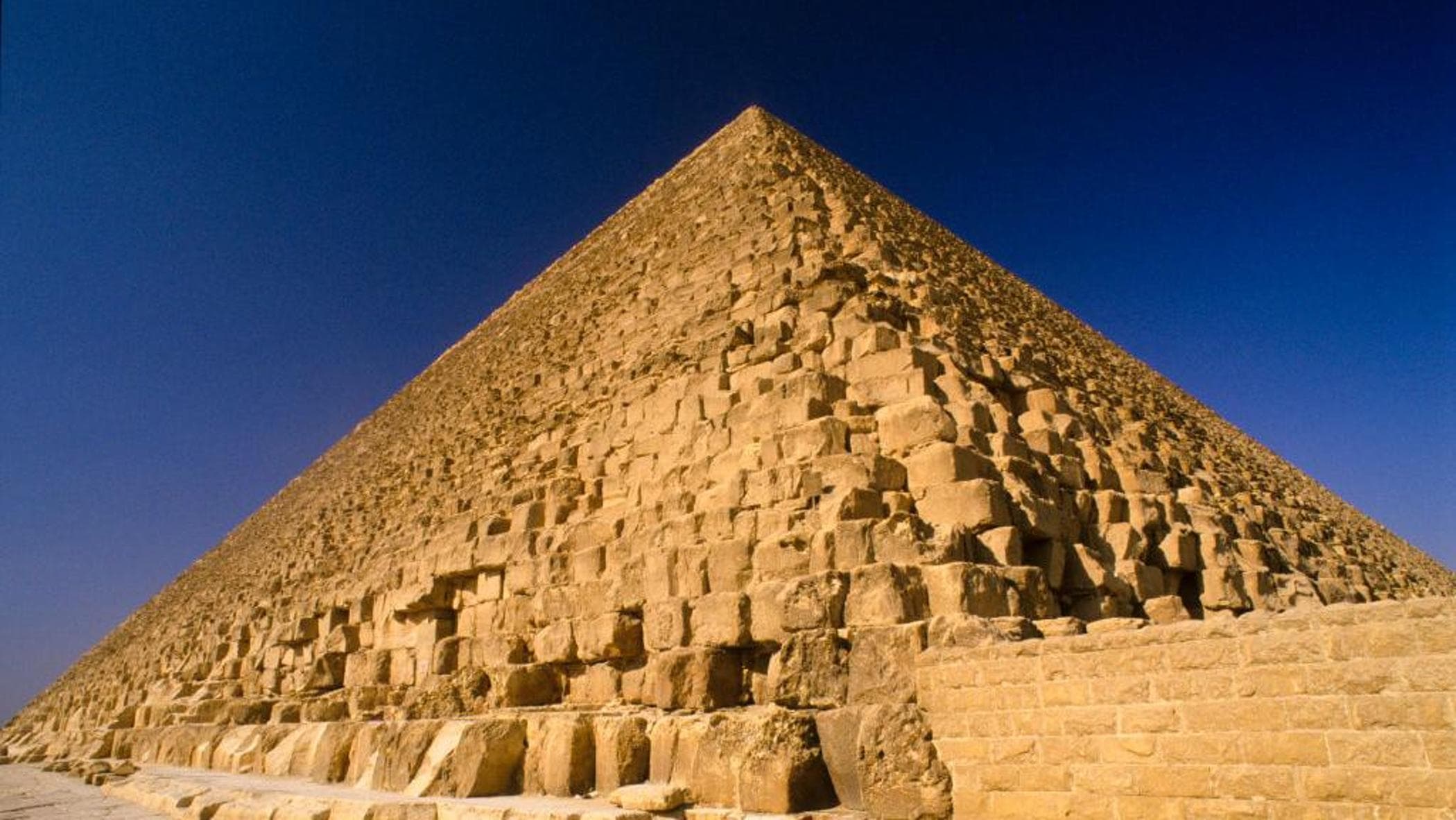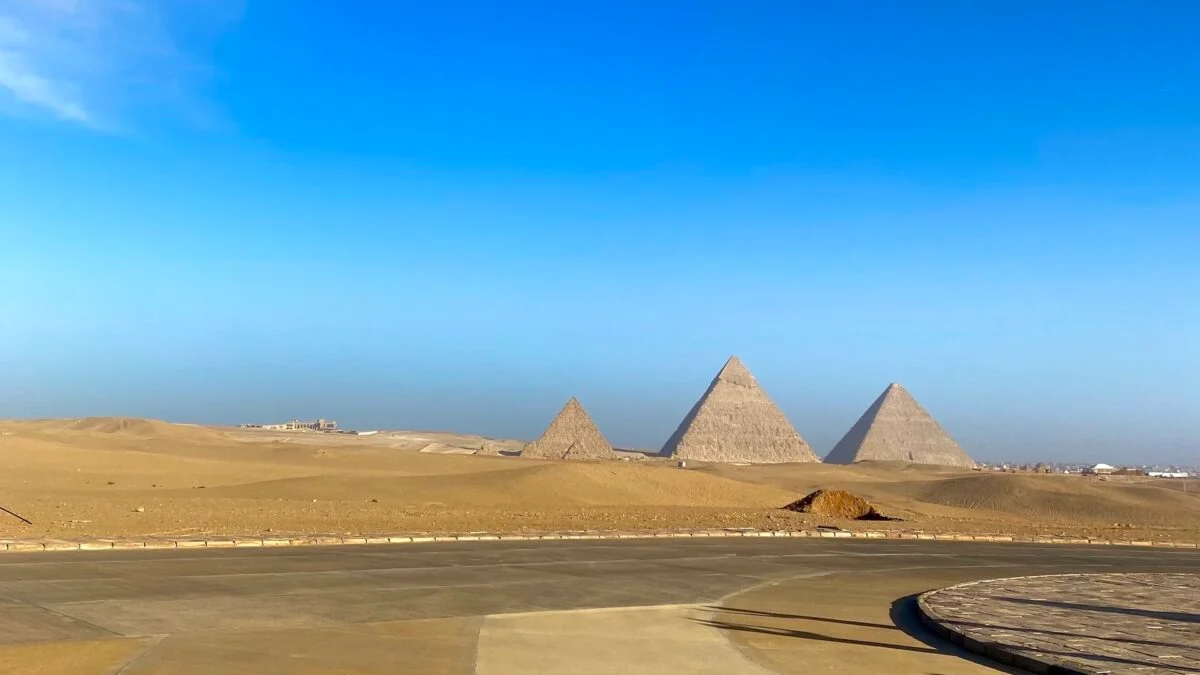
The Pyramids of Giza were built to last for eternity, securing a safe passage to the afterlife for the souls of the pharaohs. To ensure that their divine gateways could infinitely withstand the mortal realm, the ancient Egyptians built them with precise structural design and a profound understanding of their surroundings, a new study has found. The Great Pyramid of Khufu was completed between approximately 4,600 and 4,450 years ago. Since then, the 450-foot-tall (138-meter) structure has endured numerous earthquakes without suffering any major damage. Until now, researchers had little evidence to explain the pyramid’s impressive resilience. A team of researchers led by Asem Salama from the National Research Institute of Astronomy and Geophysics in Cairo, Egypt, set out to examine the secret behind the Khufu pyramid’s ability to withstand earthquakes. The findings, published today in Nature, provide new insight into the ancient Egyptians’ optimization of structure design and site characterization to ensure stability against seismic hazards.
Land of eternity King Khufu, the second pharaoh of the fourth dynasty, was the first to commission a pyramid in Giza as his royal burial chamber. Khufu’s pyramid is the largest in the Giza complex, consisting of an estimated 2.3 million stone blocks arranged in increasingly small layers.