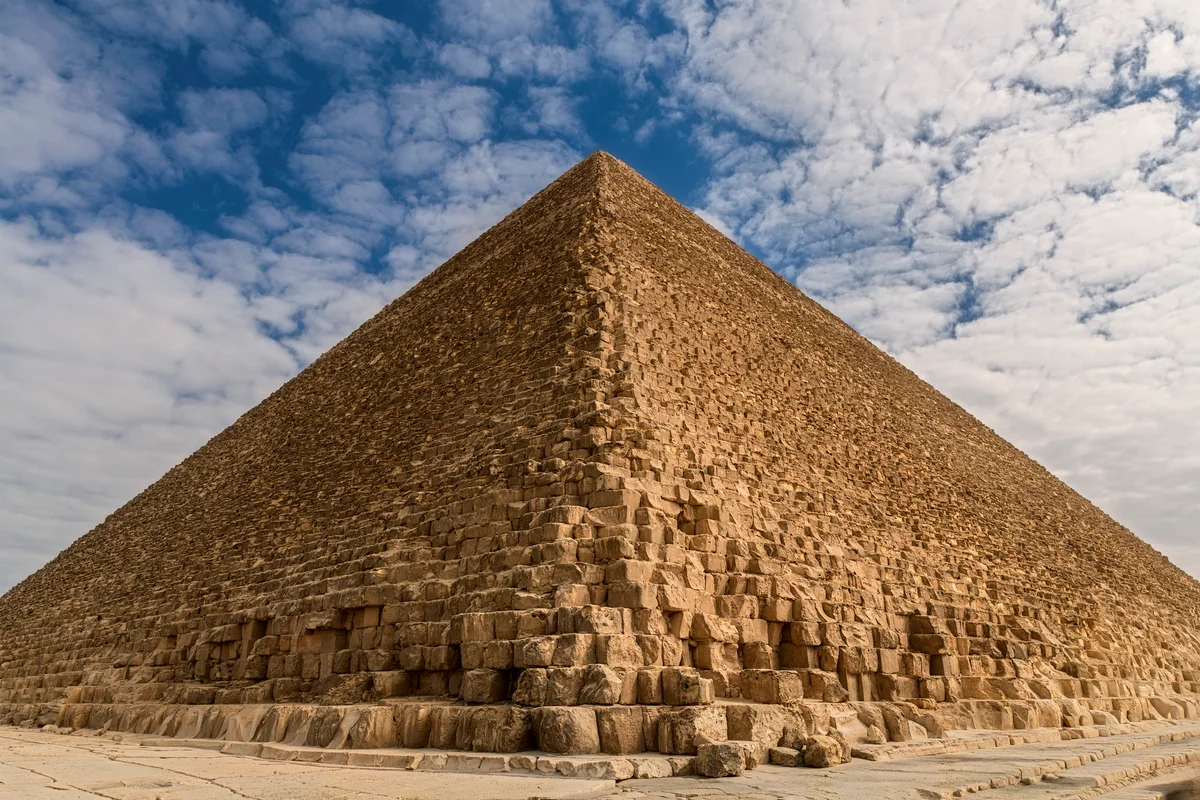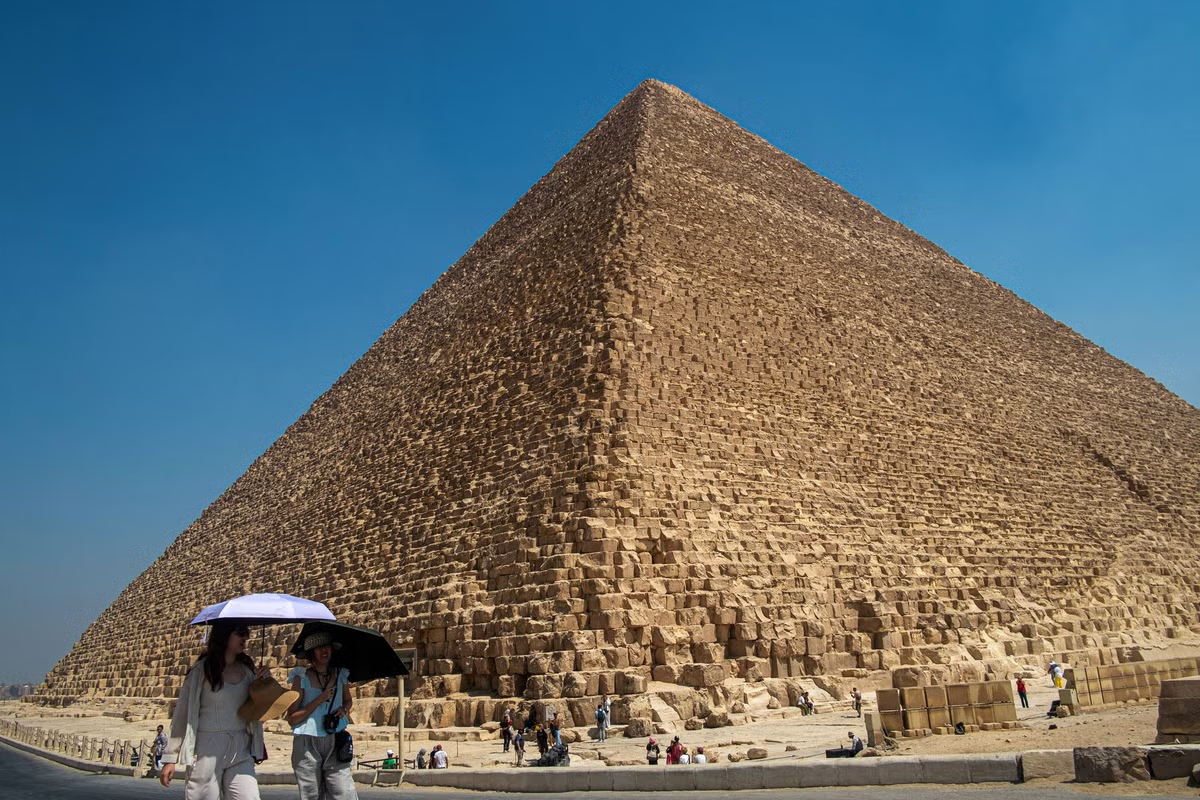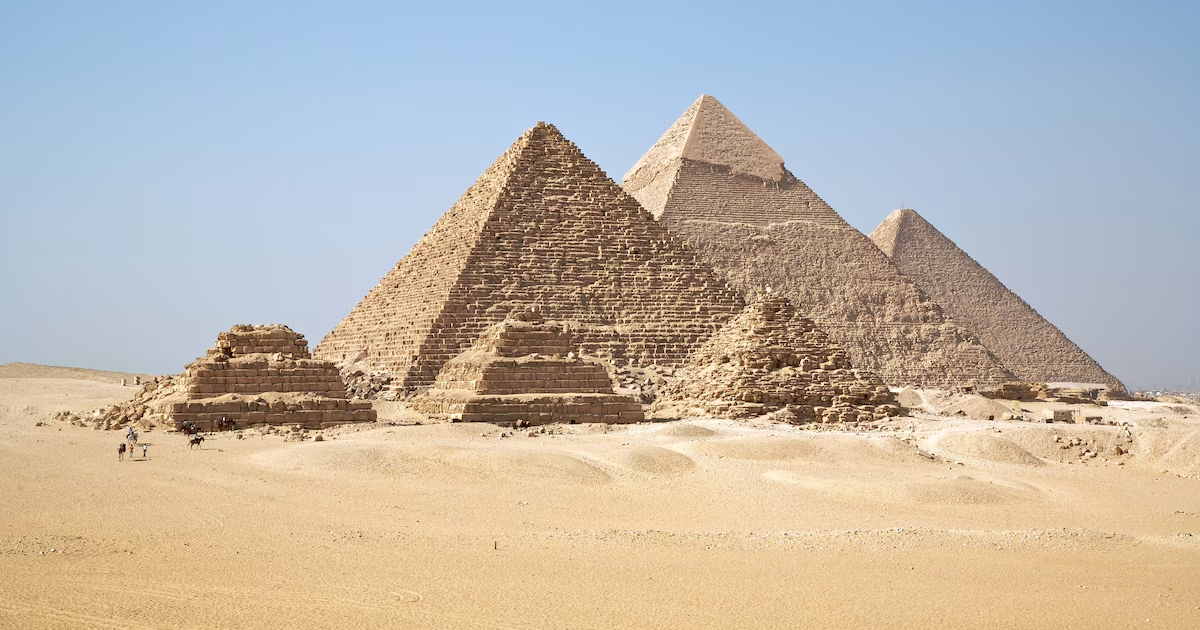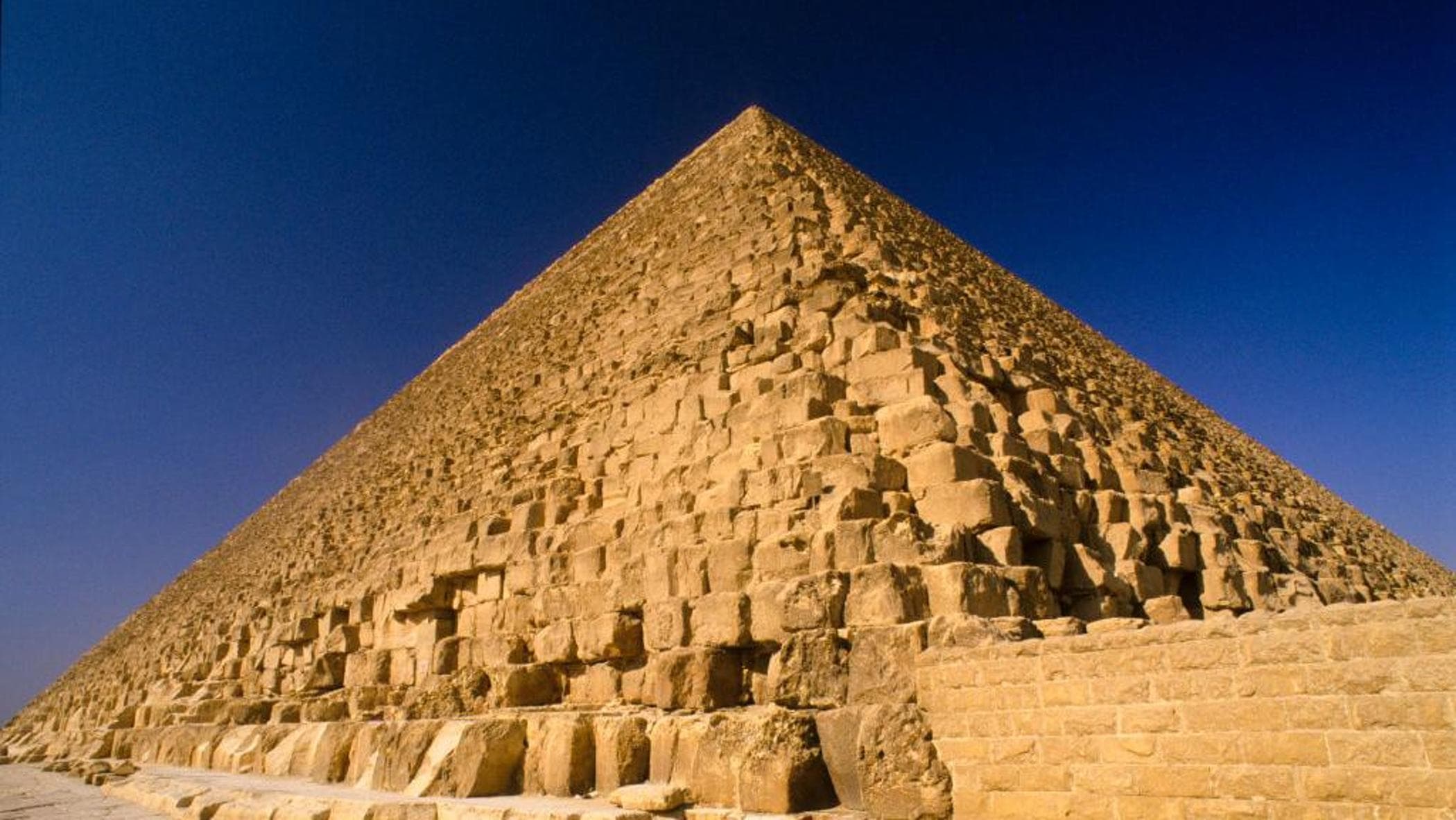
If ever there were a structure built to stand the test of time, it surely would be the Great Pyramid of Giza, a transcendent monument to human imagination and ambition. Since being erected during the Old Kingdom period of ancient Egypt, it has stood impassively as time marched on and civilizations rose and fell.
Researchers have now discovered one of the reasons for its astonishing durability – it was designed and built with structural features that have helped it withstand the destructive energy of earthquakes since its construction about 4,600 years ago as the tomb of the pharaoh Khufu.
The scientists assessed its structural dynamics by using devices called seismometers to record ambient vibrations – continuous subtle background shaking generated by natural forces and human activity – at 37 locations in and around the pyramid. It exhibited a remarkably homogeneous and stable structural response to these vibrations despite its size and complexity.
The four sides of the pyramid, located in Giza right outside the Egyptian capital Cairo and built of massive limestone blocks, each measure about 230 meters (755 feet) at the base, and it covers about 5.3 hectares (13 acres).
It originally stood about 147 meters tall. Natural erosion over time and the removal centuries ago of its smooth outer casing stones for building material left it at its current height of approximately 138.5 meters. It was the world's tallest structure for some 3,800 years.