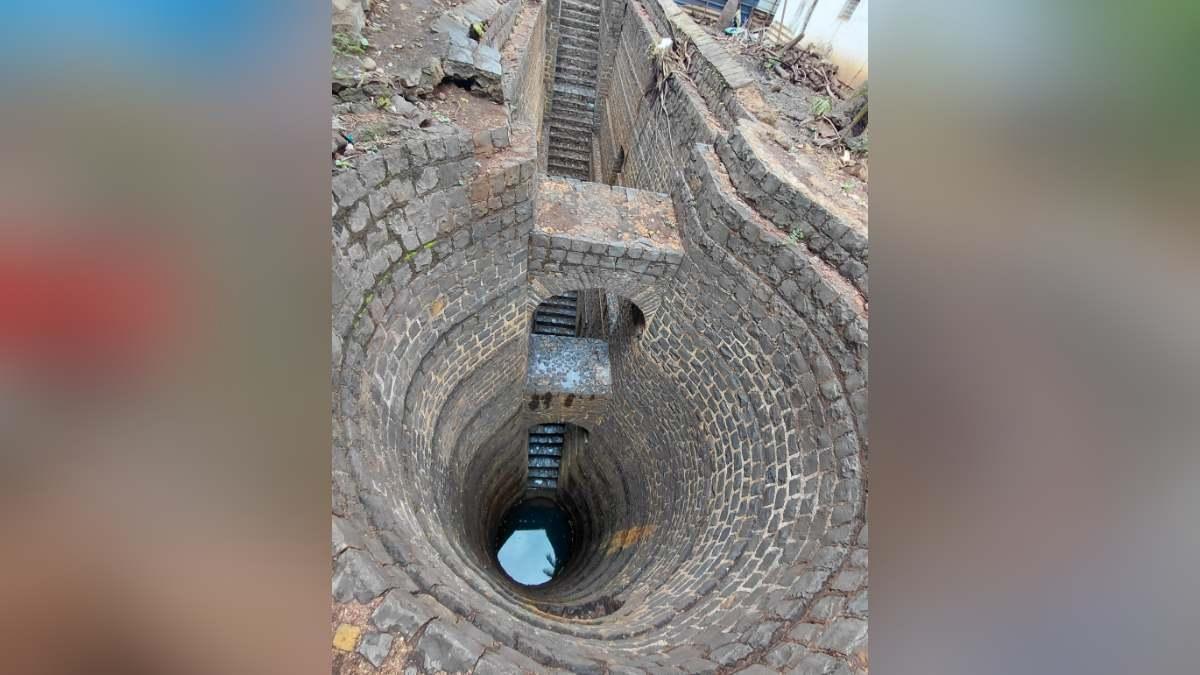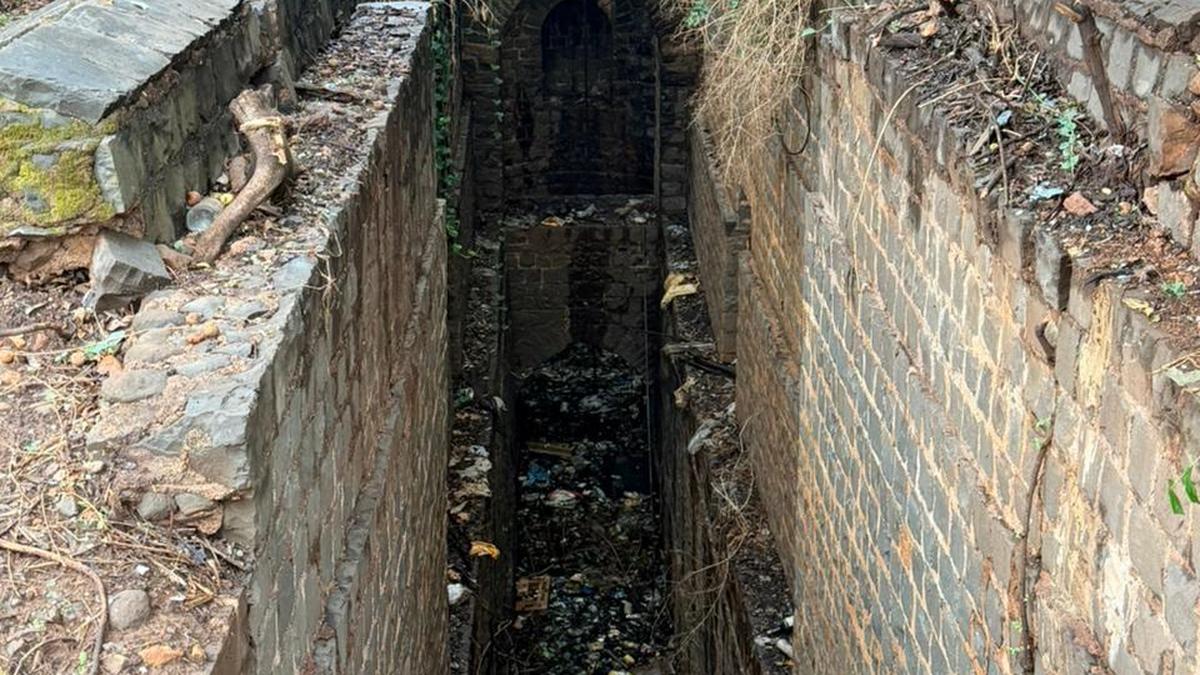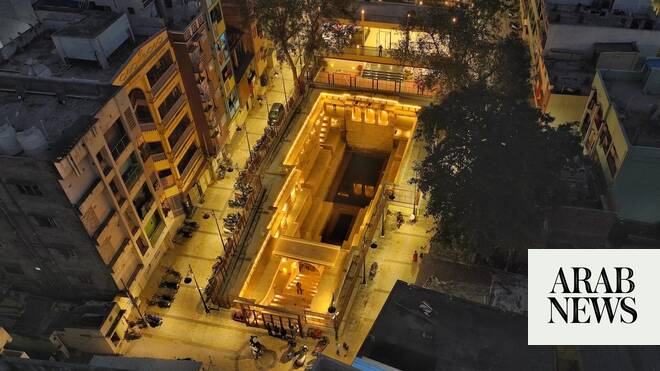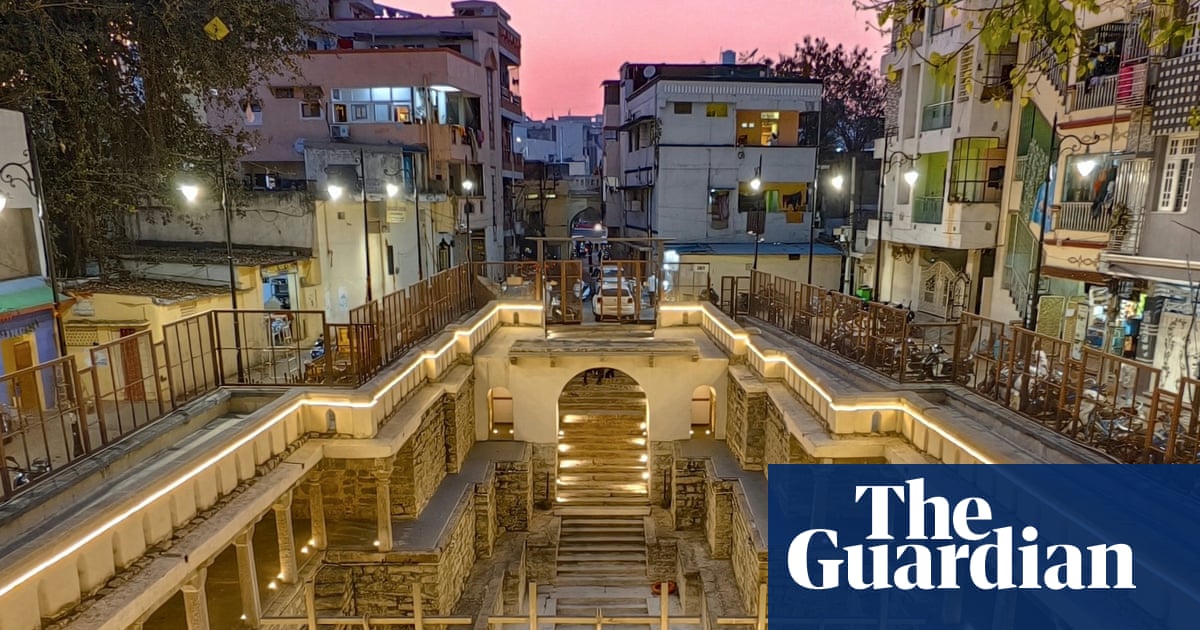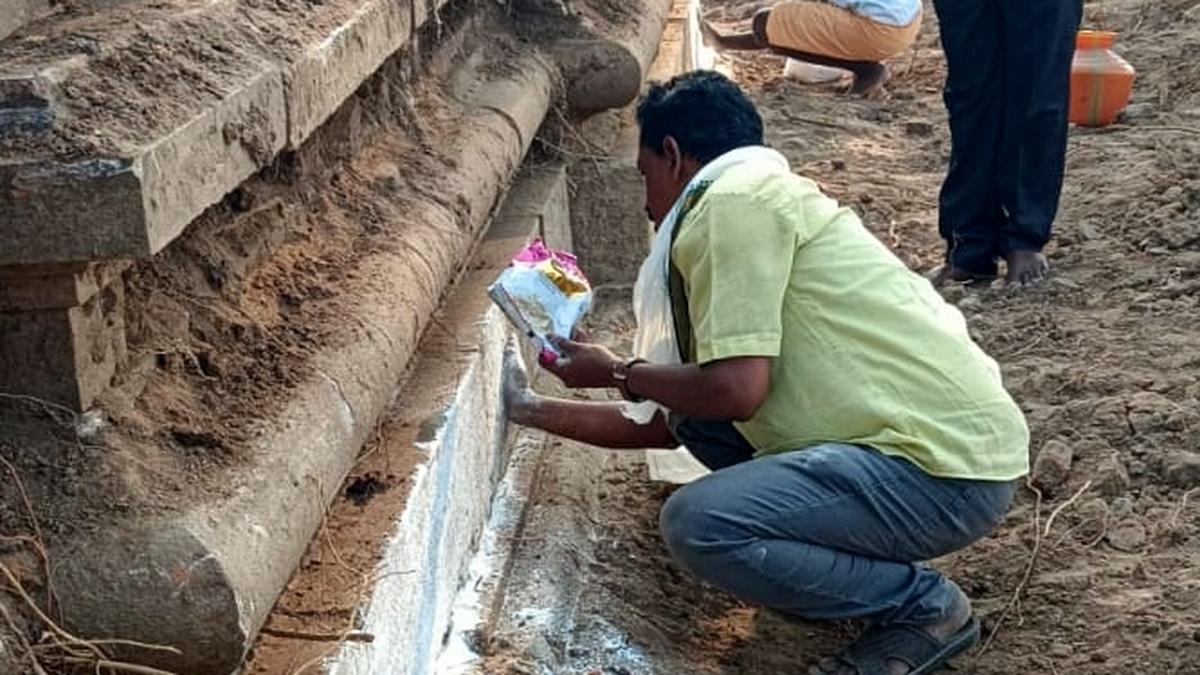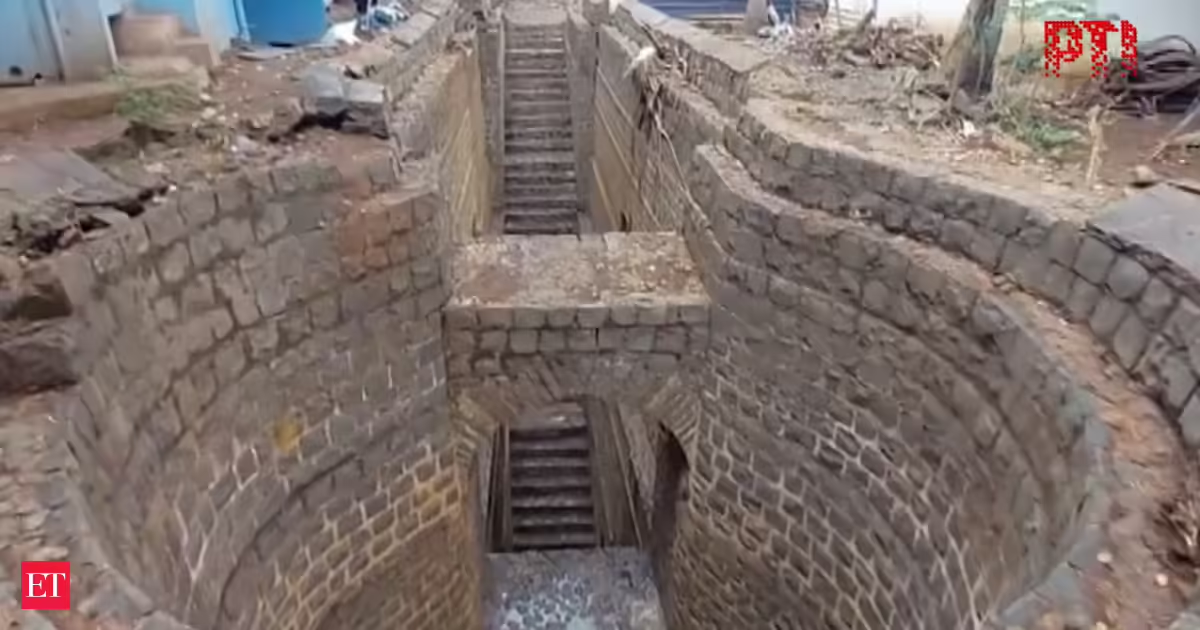
A centuries-old stepwell in Karnataka's Belagavi district has been given a new lease of life after remaining hidden beneath garbage, rubble and silt for nearly three decades. The restored structure, believed to be around 300 years old, is now drawing visitors for its striking design that resembles a Shiva Lingam when viewed from above, a video shared by news agency PTI showed.ALSO READ: Germany changes sick leave policy The historic well, located in Kanchveer Nagar of Mutga village, was brought back from obscurity through a community-led restoration effort led by the Belagavi-based Pyaas Foundation, with support from NSS volunteers, local residents and social worker Nitin Khot, as per a TOI report.ALSO READ: Why did Cristiano Ronaldo wear Portugal’s No. 21 jersey and get emotional after the win over Croatia? Historic Shiva Lingam-shaped stepwell unearthed in BelagaviThe stepwell is believed to date back to the Adil Shahi dynasty, which ruled parts of the Deccan between the 15th and 17th centuries. Historians also suggest it may belong to the early Maratha period.After years of being buried under layers of sewage water, plastic waste, debris and accumulated silt, the structure has now been restored to its former glory. The well features 53 stone steps leading down to the water source and reaches a depth of nearly 80 feet.— PTI_News (@PTI_News) What makes the site especially fascinating is its aerial appearance. Viewed from above, the layout resembles a Shiva Lingam, giving the stepwell a unique architectural identity, drawing crowds. Buried for around 30 years under debri and wasteFor decades, the historic structure remained neglected and largely forgotten by the community. Over time, garbage dumping and natural accumulation of silt completely covered large portions of the well. Volunteers undertook an extensive cleaning and excavation drive to remove years of waste and restore the original structure. The effort brought the well back to a depth of around 60 feet, with an additional 10 feet excavated during the restoration process.Fresh water springs discovered during restorationOne of the most significant discoveries during the clean-up was the emergence of natural freshwater springs at the bottom of the well. As excavation progressed, clear water began flowing from the base, demonstrating the effectiveness of traditional water-harvesting systems that were designed centuries ago.The discovery highlights how historic water structures can continue to serve practical environmental purposes even today when properly maintained and restored.Intricate stonework reflects a bygone eraApart from its water conservation value, the stepwell stands out for its architectural details. The structure features an intricately carved archway and beautifully crafted stone pillars, reflecting the craftsmanship of the period in which it was built. The design elements offer a glimpse into the region's rich architectural heritage and traditional construction techniques.Experts say such stepwells were not merely water sources but also important community spaces that often held social, cultural and religious significance.Community effort brings forgotten heritage back to lifeThe restoration was carried out by the Pyaas Foundation with financial assistance from social worker Nitin Khot and active participation from NSS volunteers and local residents.Since reopening, the restored stepwell has become a popular attraction, drawing visitors eager to see the unique Shiva Lingam-shaped structure and learn about its history.The project is being viewed as a successful example of community-driven heritage conservation, showing how neglected historical sites can be revived through collective effort while also restoring traditional water resources.Why this restoration mattersThe revival of the Belagavi stepwell goes beyond preserving an old monument. It highlights the importance of protecting traditional water systems, conserving architectural heritage and reconnecting communities with their local history.What was once a forgotten structure buried under waste has now emerged as a symbol of cultural pride, environmental awareness and the power of community action.(With inputs from TOI, PTI)
300-year-old Shiva Lingam-shaped stepwell revived in Karnataka: Buried under garbage for decades, historic well draws crowd in Belagavi. Watch
A 300-year-old stepwell in Belagavi, Karnataka, once buried under decades of garbage, has been revived by a community effort. This historic structure, resembling a Shiva Lingam from above, features 53 steps leading to a depth of 80 feet. Its restoration by the Pyaas Foundation and local volunteers has revealed freshwater springs and intricate stonework, highlighting its architectural and water conservation significance.
616 words~3 min read