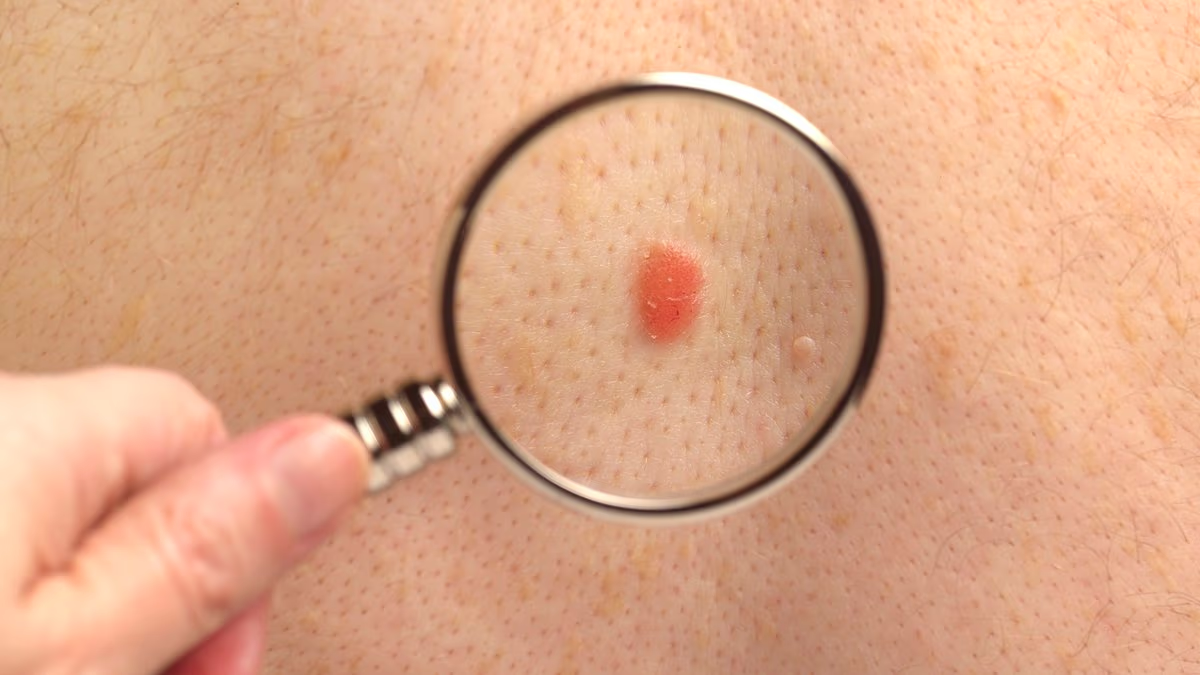
NewsHealthNHSFollowing this checklist could help you identify any signs of skin cancer07:08, 03 Jul 2026Brits have been urged to follow a simple symptom checklist amid a warning about skin cancer. The NHS told people to check their moles for melanoma using the “ABCDE” method.According to statistics from Cancer Research UK, melanoma skin cancer is the fifth most common cancer in the UK, accounting for five per cent of all new cancer cases. It is also the 19th most common cause of cancer death, accounting for two per cent of all UK cancer deaths.Melanoma is a type of skin cancer that can spread to other areas of the body. Ultraviolet (UV) light is the most common cause of melanoma.It comes from the sun and is used in sunbeds. Melanoma is more common in older people, but younger people can also get it.As is the case with any disease, the earlier you catch the signs of melanoma skin cancer, the sooner you can get the treatment you need. In a post to social media platform X, the NHS explained that this includes using the alphabet to check your moles.It said: “Use the ABCDE list to help check existing or new moles and spot the warning signs of skin cancer. If you spot any changes that you think could be cancer, contact your GP.”Content cannot be displayed without consentSymptomsA new mole or a change in an existing mole is a potential sign of melanoma. As per the NHS post this can mean it is:Asymmetrical - is your mole an uneven shape?Border - is the edge ragged?Colours - is your mole different colours?Diameter - is it bigger than 6 millimetres?Evolving - has it changed size, shape or colour?Other signs to look out for include moles that are swollen and sore, bleeding, itchy, or crusty. The NHS says you should see a GP if:You have a mole that's changed size, shape or colourYou have a mole that's painful or itchyYou have a mole that's inflamed, bleeding or crustyYou have a new or unusual mark on your skin that has not gone away after a few weeksYou have a dark area under a nail that has not been caused by an injuryHow to lower your riskStaying safe in the sun is the best way to lower your chance of getting skin cancer (both melanoma and non-melanoma). Therefore, the NHS recommends that you should:Stay out of the sun during the hottest part of the day (11am to 3pm in the UK)Keep your arms and legs covered and wear a wide-brimmed hat and sunglasses that provide protection against ultraviolet (UV) raysUse sunscreen with a sun protection factor (SPF) of at least 30 and at least 4-star UVA protection – make sure you reapply it regularlyMake sure babies and children are protected from the sun – their skin is much more sensitive than adult skinArticle continues belowFor more information, you should visit the NHS website here.Choose Daily Mirror as a 'Preferred Source' on Google News for quick access to the news you value.Fitness And HealthGood HealthHealthy LifestyleHealthy LifeHealthSkinSkincareNHSCancer Research UKSkin cancer
NHS cancer alert as Brits told to follow symptom checklist
Following this checklist could help you identify any signs of skin cancer
512 words~2 min read