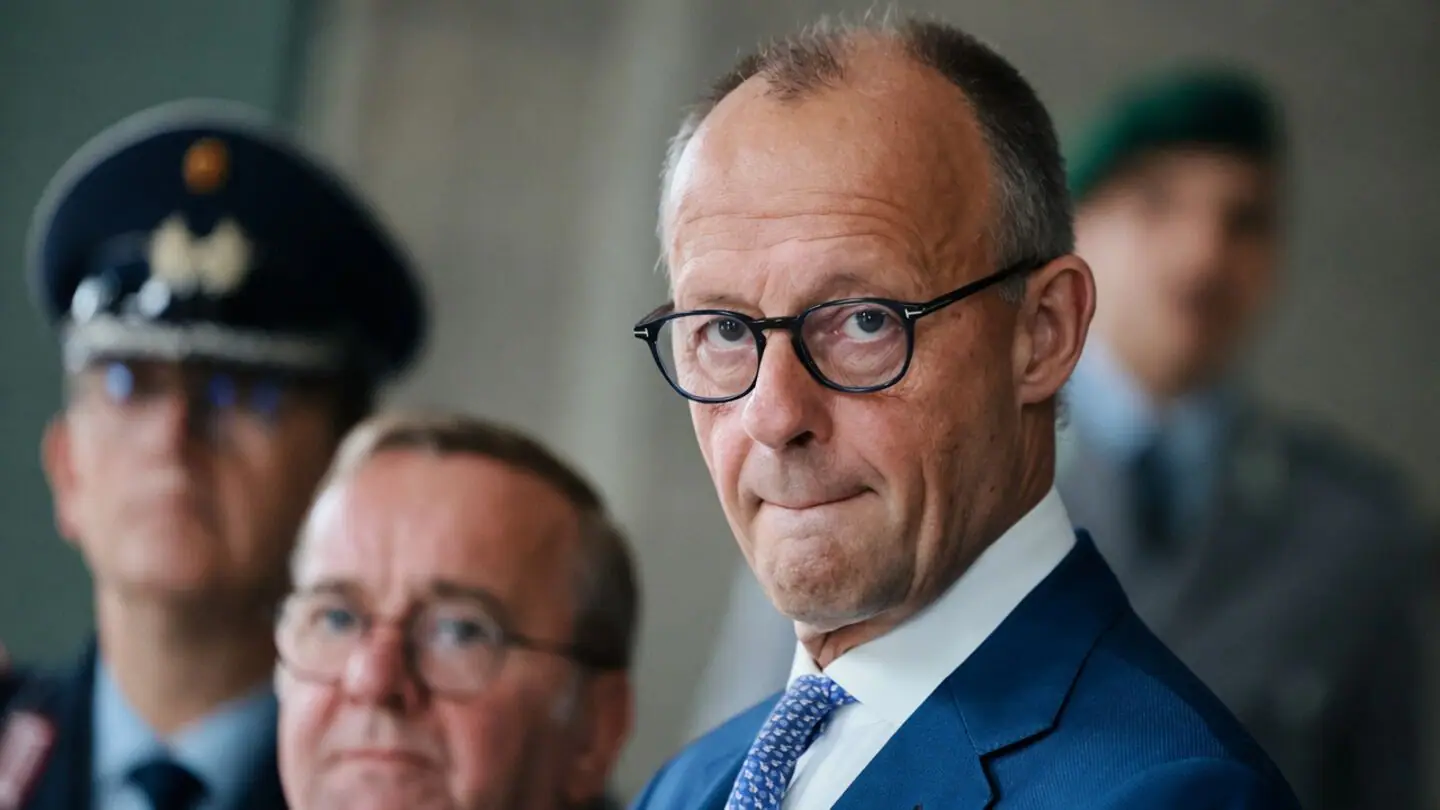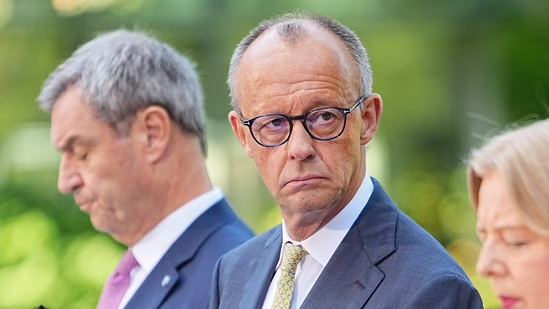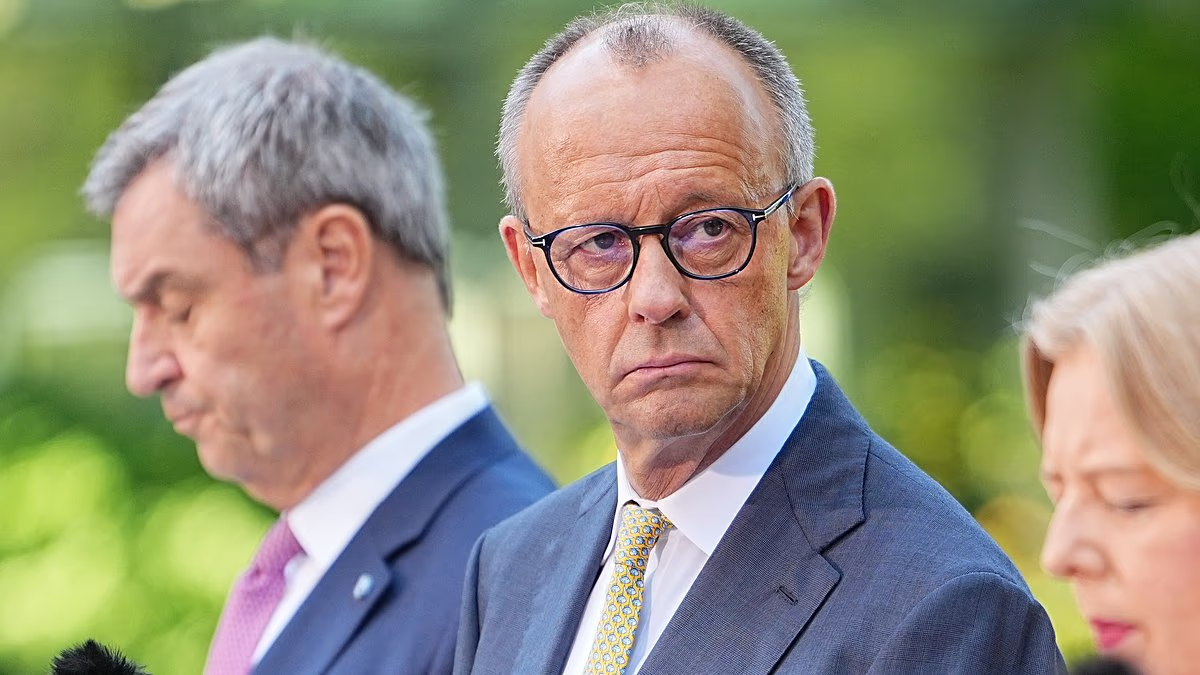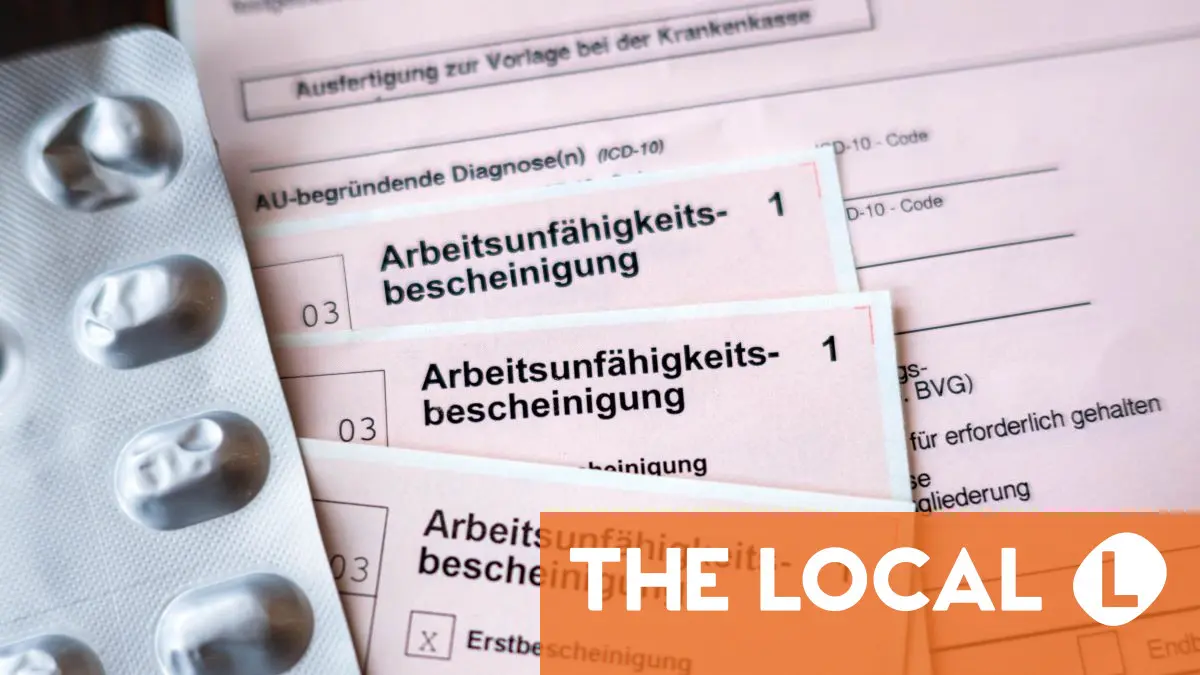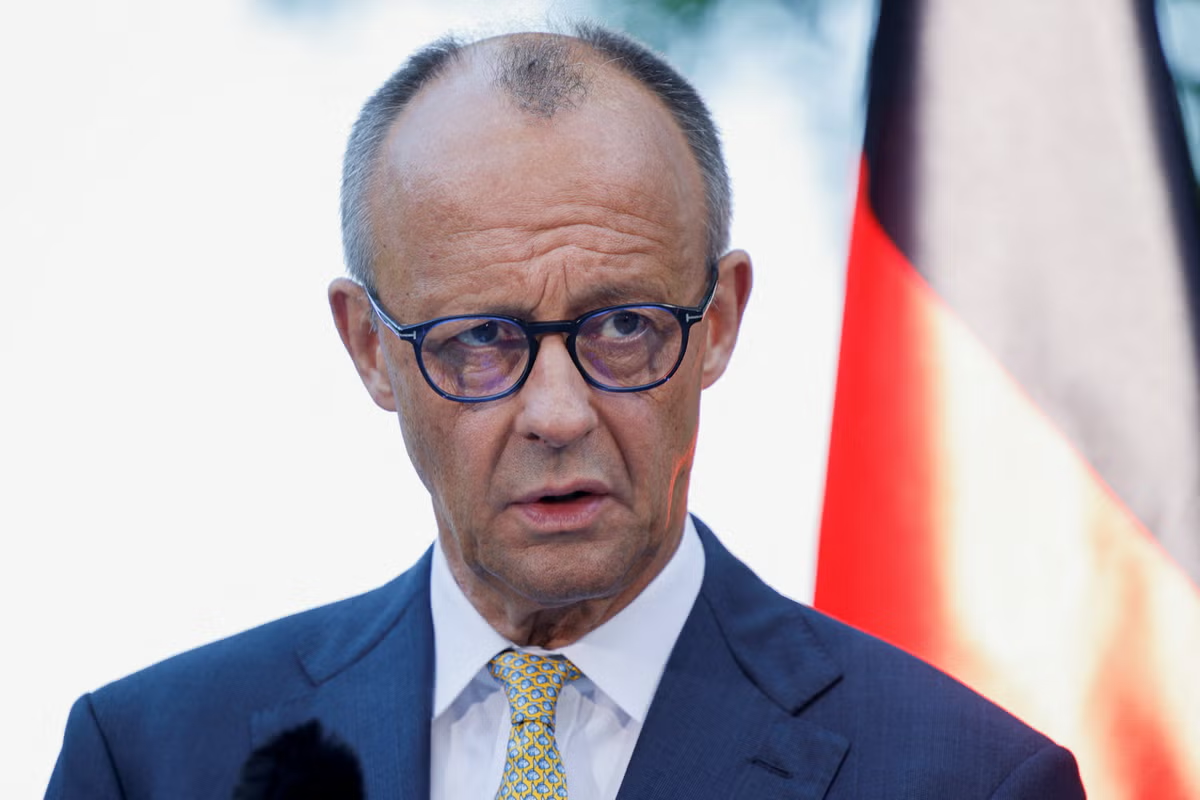
Germany has announced plans to tighten its sick leave rules as part of a broader economic reform package introduced by Chancellor Friedrich Merz's coalition government. Under the proposed measures, employers would be allowed to require a doctor's certificate from the very first day an employee calls in sick, replacing the current system that often permits workers to take up to three days of sick leave without medical documentation. The changes also mean workers will not be able to obtain the note by phone, scrapping a measure brought in due to the Covid-19 pandemic.The move is aimed at improving productivity and supporting Germany's struggling economy, reports news agency AP. Under the current rules, a certificate is only required if a person is unfit for work for more than three days – in other words, on the fourth day, although employers are entitled to request the sick note earlier. Germany was "returning to the arrangements we had before the coronavirus pandemic," Chancellor Friedrich Merz told ARD TV on Thursday night.ALSO READ: Engineers create 3D-printed robotic fish that swim, play and recharge themselves through automated charging systemsGermany plans stricter sick leave rulesThe German government on Thursday announced a package of 34 economic reforms designed to boost growth, reduce bureaucracy and address long-term challenges facing Europe's largest economy.Among the most talked-about measures is a proposed overhaul of sick leave regulations. If approved, employees would no longer be able to take short-term sick leave without providing medical documentation when requested by their employer. The reforms would also limit the practice of obtaining a week-long sick note through a phone consultation without physically visiting a doctor.ALSO READ: Why did Cristiano Ronaldo wear Portugal’s No. 21 jersey and get emotional after the win over Croatia? According to the government, the changes are intended to ensure greater accountability and reduce workplace absenteeism. German Chancellor Friedrich Merz had repeatedly complained that the rate of sick leave is too high in Germany and harming the country's productivity.“From the very beginning, we set an agenda with a single goal in mind: We want to get Germany back on track. It is now clear that this is possible,” the conservative chancellor said.“We can no longer accept the extraordinarily high levels of sick leave in our companies,” Merz told reporters. “We are abolishing sick leave by phone and introducing the requirement to submit a medical certificate from the very first day of illness,” he added.“We know this is a tough decision, but we can no longer afford this competitive disadvantage caused by prolonged absences from work.” Merz has said the changes are needed to kickstart Germany’s economy, which has been struggling since the COVID pandemic and dealt blows by the war in Ukraine and Iran.What does the former policy say?Under Germany’s current policy, workers in Germany were allowed to take up to six weeks of paid leave for an illness. If the employee falls ill from a different sickness, the six-week paid leave starts again. That’s on top of the six weeks of vacation time that most employees get.Under the current rules, a certificate is only required if a person is unfit for work for more than three days – in other words, on the fourth day, although employers are entitled to request the sick note earlier.Why is Germany changing its sick leave policy?Chancellor Friedrich Merz has repeatedly argued that Germany's high rate of sick leave is affecting productivity and economic performance.Germany has been grappling with sluggish economic growth despite returning to modest expansion after two consecutive years of contraction. Rising energy costs, growing competition from China, demographic pressures and global trade uncertainties have all weighed on the economy.Speaking while unveiling the reforms, Merz said the government's goal is to strengthen Germany's future competitiveness and put the country back on a path of sustainable growth.What exactly could change for workers?Under the proposed rules:Employers may request a doctor's certificate from the first day of illness.Workers may no longer be able to stay home for several days without medical proof if an employer asks for documentation.Obtaining extended sick leave through a simple phone call to a doctor could become more difficult.Verification requirements for medical leave may become stricter across workplaces.The changes are part of a broader effort to increase workforce participation and improve productivity.Medical groups call out Germany's sick leave policyThe proposal has drawn sharp criticism from medical organisations across Germany. The KBV, which represents doctors working under the statutory health insurance system, said the idea "bordered on madness," arguing that it would send thousands of people to clinics and medical practices merely to obtain paperwork, reports BBC. "Anyone who is coughing or has a gastrointestinal infection belongs in bed – not in an overcrowded surgery," the association said in a statement. The Association of General Practitioners also raised concerns, warning that patients with minor infections that typically require only a day or two of rest would end up crowding waiting rooms and placing additional strain on healthcare services. Amid the backlash, SPD leader and Vice-Chancellor Lars Klingbeil sought to ease tensions, telling RTL TV that he was focused on finding "workable solutions." "We now need to put sensible arrangements in place for what has been proposed in the coalition committee," he said. Labour Minister Bärbel Bas distanced herself from the proposal, saying, "That wasn't my proposal." "We will look into whether this actually has any effect at all, or whether it is more likely to cause difficulties," she added.Other key measures include:Income tax cutsThe government plans tax relief for low- and middle-income families. Once fully implemented by 2028, a household with two working parents, two children and a taxable income of around €60,000 could receive annual tax savings exceeding €600.Pension system overhaulGermany also plans to reform its pension system by gradually linking the retirement age to life expectancy. The goal is to stabilize pensions while avoiding significant increases in employee pension contributions.Cutting bureaucracyThe government wants to eliminate several reporting and documentation requirements, simplify tax procedures and reduce administrative burdens for businesses and citizens.Why the reforms matterGermany's economy faces mounting pressure from an aging population, rising healthcare and pension costs, weak private investment and ongoing geopolitical uncertainties.The Merz government hopes the reform package will help improve economic competitiveness while addressing structural challenges that have slowed growth in recent years.The proposed sick leave changes are likely to spark debate among employers, labor groups and workers, with supporters arguing they will boost productivity and critics warning they could make it harder for genuinely ill employees to take time off when needed.FAQs Is Germany banning sick leave without a doctor's note? No. The proposal would allow employers to request a doctor's certificate from the first day of absence, making medical proof necessary in more cases.Can employees currently take sick leave without seeing a doctor? In many situations, workers can stay home sick for a short period without immediate medical documentation, and some sick notes can be issued through telephone consultations.Why is Germany tightening sick leave rules? The government says high absenteeism rates are affecting productivity and economic performance.Are the new sick leave rules already in effect? No. The measures are currently part of a reform package announced by the government and would need to go through the required legislative process before taking effect.What other reforms has Germany announced? The package also includes tax cuts for families, pension reforms, and measures aimed at reducing bureaucracy and encouraging economic growth.
Germany sick leave policy: 'We are scrapping sick leave by phone,' says Chancellor Friedrich Merz; doctor's note required from day one of illness. Here's what we know
Germany sick leave policy: Germany has announced it would tighten sick leave rules, requiring doctor's certificates from day one of absence upon the employer's request. Workers will also not be able to obtain the note by phone. This move, part of a broader economic reform package, aims to boost productivity and combat high absenteeism.
1,230 words~6 min read