See more Daily Mail on Google - save us as a Preferred SourceBy OLIVIA ALLHUSEN, FOREIGN NEWS REPORTER Published: 10:52 BST, 3 July 2026 | Updated: 11:01 BST, 3 July 2026
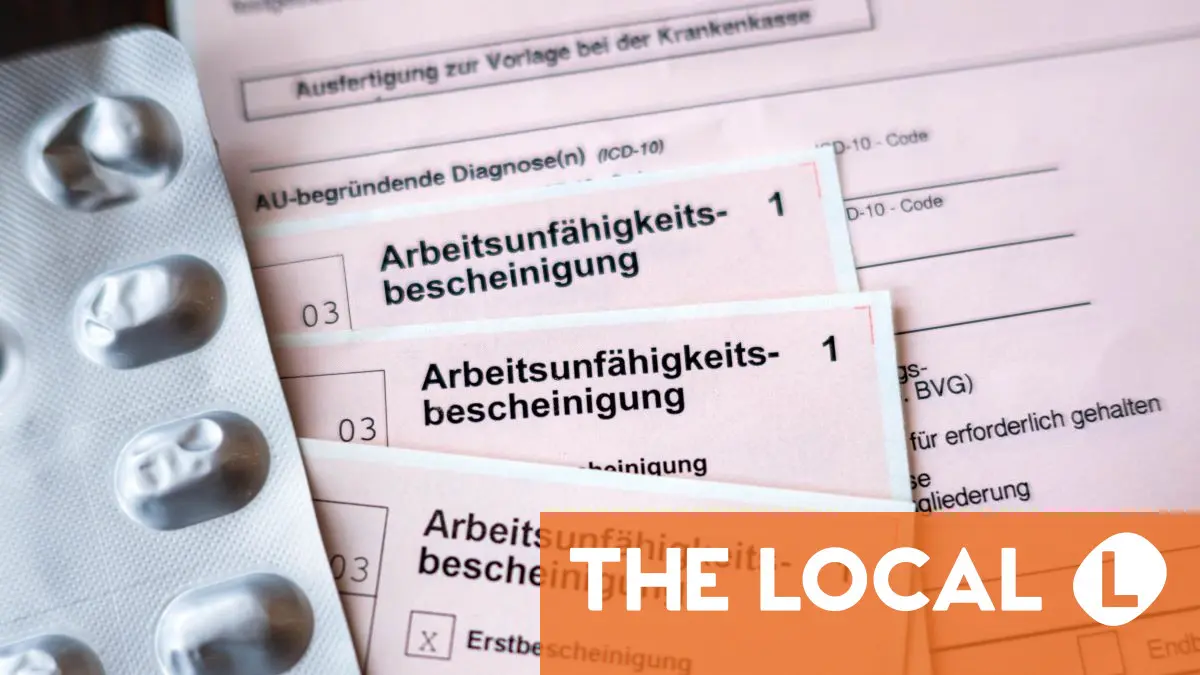
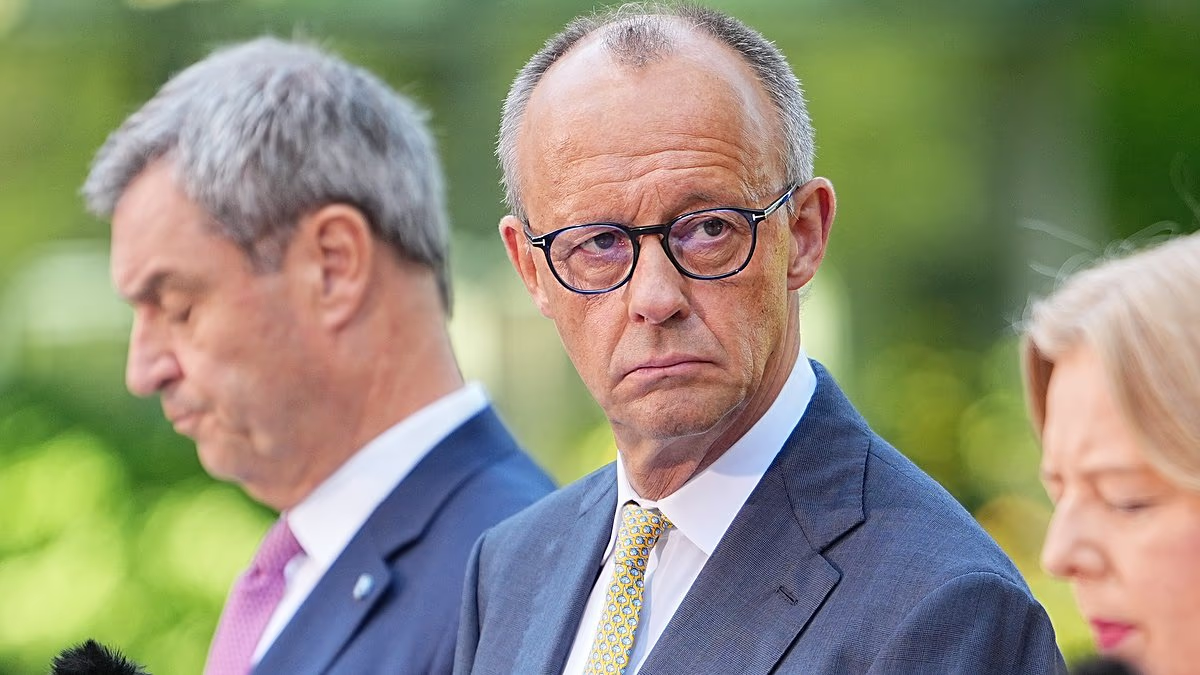
German workers will be forced to see a doctor to take even a single day off sick under strict new proposals unveiled by Chancellor Friedrich Merz.The plans, announced on Thursday, are aimed at tackling high levels of sick leave and boosting productivity as Germany's economy continues to struggle.They would scrap the current system, which allows employees to obtain a sick note over the phone and means many do not need a doctor's certificate until their third day off work.'The number of sick days is too high,' Mr Merz told reporters. 'We are creating a set of tools that will enable those involved, both employees and companies, to correct this.'We know this is a tough decision. But we can no longer afford the competitive disadvantage caused by prolonged absences from work.' The proposals have been welcomed by business groups but criticised by trade unions, which say they unfairly target workers.Frank Werneke, head of the services union Verdi, accused Mr Merz of creating 'a culture of distrust of employees'. Doctors have also warned the changes could overwhelm GP surgeries with patients who do not need face-to-face treatment. German workers will be forced to see a doctor to take even a single day off sick under strict new proposals unveiled by Chancellor Friedrich MerzThe German Association of Family Physicians said surgeries would be 'flooded' with patients who would be better off recovering at home, describing the proposal as 'an absolute catastrophe'.Germans take an average of around 15 working days of sick leave each year - about three weeks - a figure that is higher than several neighbouring European countries but below France and most Nordic nations.By comparison, employees in Britain take an average of more than four days per worker.Brits do not normally need to provide a doctor's sick note until they have been absent for more than seven days.The crackdown forms part of a wider package of reforms agreed between Mr Merz's centre-right Christian Democratic Union and its coalition partner, the Left-wing Social Democrat Party, aimed at reviving growth and strengthening Germany's public finances.The package also includes plans to cut red tape, raise the retirement age over time from 67 to potentially 70, and reduce taxes for low and middle earners while increasing rates for those earning more than €250,000 (£215,000).Carsten Brzeski, an economist at ING, said: 'It may have taken longer than many hoped, but Germany's long-awaited summer of reforms has finally arrived.'It is not a package that will transform a stagnant economy overnight. But it could create the conditions for future growth.'