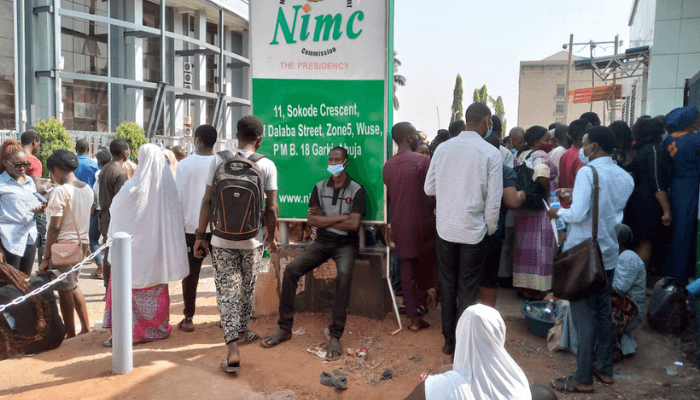
A woman walks into a government office after completing an online registration process. She is asked to submit printed copies of documents she has already uploaded. Across town, a small business owner files taxes electronically but is later required to present physical copies for verification. A patient registers digitally at a hospital, only to fill out the same information again on paper before seeing a doctor. Meanwhile, millions of Nigerians transfer money, pay bills and run businesses seamlessly from their mobile phones every day.
The contrast is striking. The technology works. The institutions around it often do not.
For years, Nigeria has treated technology as a shortcut to development. Governments launch digital platforms, businesses invest in automation, schools adopt online learning, and policymakers celebrate innovation as evidence of progress. One of the defining contradictions of modern Nigeria is that it has become one of Africa’s most digitally sophisticated consumer economies while many of its public services remain fragmented, paper-driven and inefficient.
Millions of Nigerians transfer money, pay bills and run businesses seamlessly from their mobile phones every day. And indeed, many still encounter government systems that cannot communicate with one another, forcing citizens to submit the same information repeatedly across agencies. The problem is no longer a shortage of technology. There is a shortage of institutional integration.