Two real-life climate-themed movies are playing in parallel across the globe. They are about the world today, but they are also a snapshot of the future. The first is a slow-building horror story; the second, a feelgood summer hit. Both are worth watching.Horror films are suddenly box-office gold, so let’s start there. The World Health Organisation says the extreme, record-breaking heatwave blanketing Europe has killed more than 1,300 people. But everyone knows that number will end up a dramatic understatement.In the summer of 2022, the final estimate of heat-related deaths on the continent was more than 60,000. The past 10 days have been significantly hotter. As the Guardian’s Damian Carrington reported, scientists from the World Weather Attribution consortium found nearly half Europe’s 850 biggest cities have been enduring their worst heat stress in recorded history. Temperatures have consistently been 5C and 12C above seasonal averages.The horrific destruction caused by twin earthquakes in Venezuela has rightly drawn international attention and assistance as the confirmed death toll has climbed past 1,900 and could top 10,000. The heatwave is a completely different kind of disaster. It is less abrupt, less violent and less visible. There is no call for an international fleet of thousands of rescuers to help, as there has been in Caracas. But the number of lives lost may be greater.The heatwave has also disrupted life for countless others. It ruptured the surface of Germany’s Autobahn, forcing lane closures. It buckled train lines, degraded power lines, crippled medical equipment and forced the closure of nuclear plants due to regulations limiting the use of rivers to cool reactors if temperatures get too high.The unbearable experience of walking in a heatwave of the future – videoScientists found daytime temperatures in recent days would have been impossible in the European heatwave of 1976, and 10 times less likely when temperatures soared in 2003. It has taken the underlying increase in global temperatures – caused by rising atmospheric greenhouse gases – for it to happen now. It’s the exacerbating role of human-made climate change in action.There are versions of this across the globe, including in Australia, where the early signs suggest the southern continent may be headed for its warmest winter on record. The first month of its ski season relied almost entirely on artificial snow. It is a fraction of what the best evidence says the future could hold. With the recently declared El Niño weather pattern over the Pacific Ocean, that future could feel like it is accelerating in the months ahead.
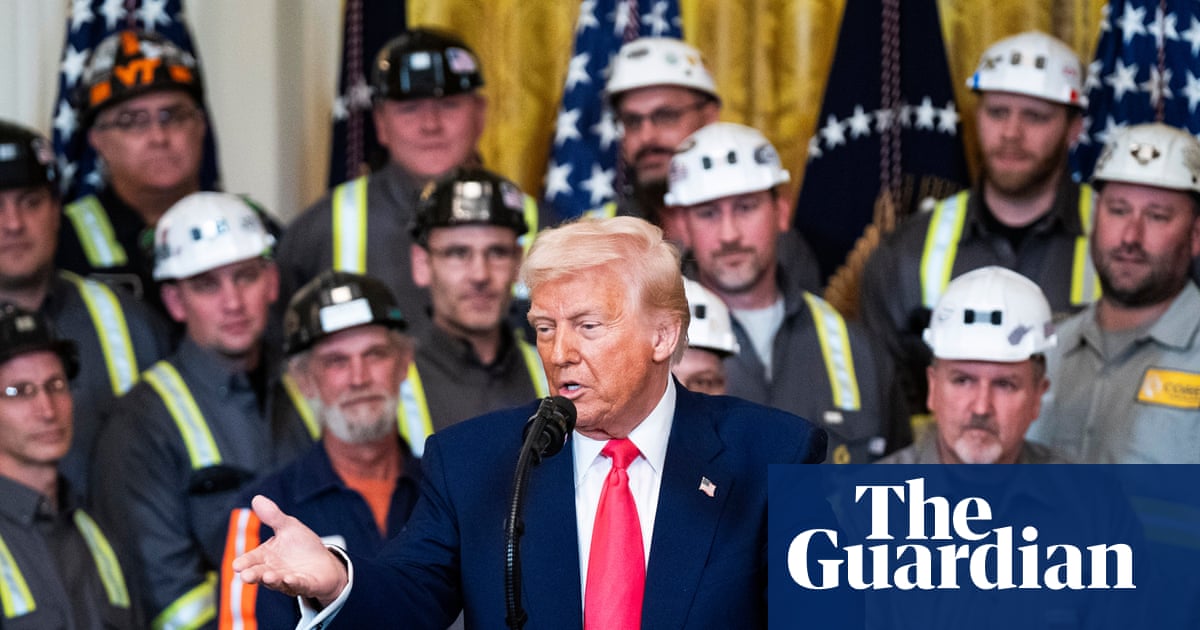
Donald Trump is the accidental hero of a real-life feelgood climate tale even as a creeping horror story plays alongside | Clear Air
Even as we watch a deadly heatwave sweep through Europe, the US president’s ineptness has created reason for optimism on the climate crisis
1,291 words~6 min read