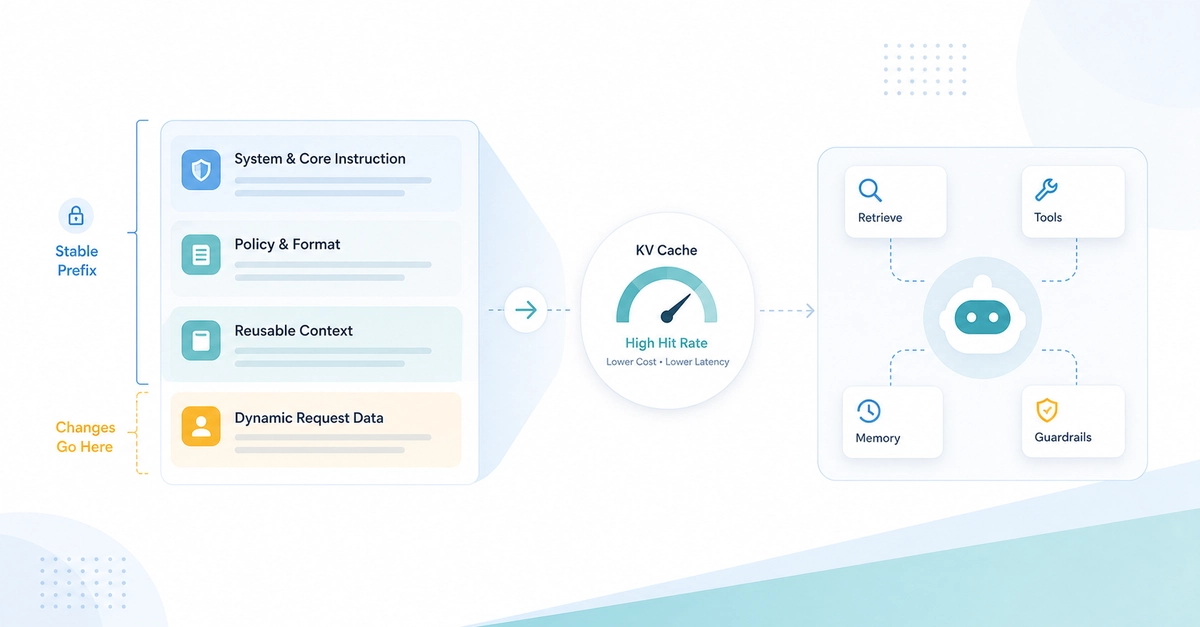
Prompt engineering started as a narrow craft and then grew into a much bigger idea.
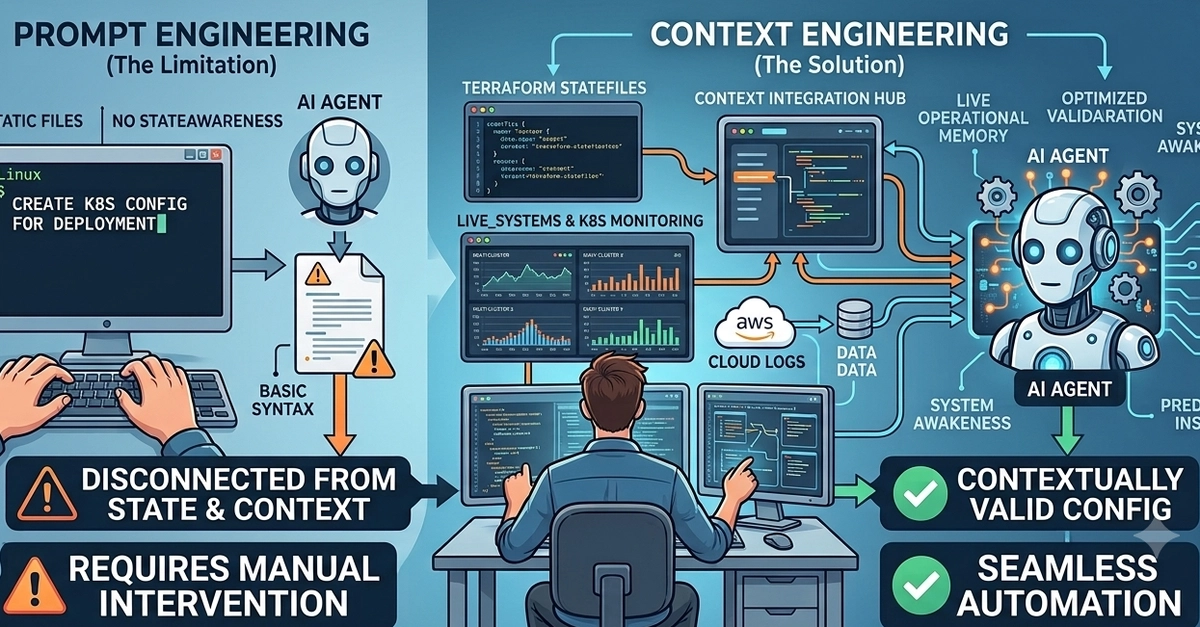
At first, it just meant learning how to write better instructions so a model would give better answers. That is still part of the job. But once people started building real AI agents, the question got bigger. It was no longer just about the wording of the prompt. It became about what context the model sees, what tools it can use, what history it should remember, and how to keep all of that stable enough to run fast and cheaply. That is where context engineering comes in.
The short version
To put it directly, prompt engineering focuses on writing the instruction itself, while context engineering shapes the entire environment around that instruction. A well-written prompt gets you a better initial response, but context engineering is what makes the whole system work reliably. If you are building production workflows, this distinction directly affects quality, cost, latency, and safety.
What prompt engineering actually is